
Selecting the ideal sign pen for official documents in the Philippines requires balancing ink permanence, drying speed, and paper compatibility. There is no single universal pen that fits every administrative scenario; instead, the right choice depends on a set of technical specifications—specifically pigment-based, water-resistant ink paired with a robust tip size between 0.5mm and 0.8mm. Using a pen with these characteristics guarantees that your signature remains legible, unalterable, and clear when scanned or photocopied. Because local documents are often printed on standard copy paper and subjected to high tropical humidity, choosing a pen that resists bleeding and feathering is essential for maintaining a professional and legally binding signature.
Key Criteria for Official Document Sign Pens
When signing contracts, bank forms, or government applications, the pen you use must meet specific baseline performance standards. Official documents require high visual contrast and long-term durability to ensure they remain legally valid and legible for decades. A standard ballpoint pen may suffice for daily notes, but official signatures demand a dedicated instrument that delivers consistent ink flow without skipping or pooling.
Archival-quality output is the most critical factor for long-term document preservation. Over time, exposure to light, air, and humidity can cause standard inks to fade or discolor, rendering a signature illegible. Archival inks are formulated to resist these environmental factors, ensuring that land titles, marriage certificates, and notarized agreements remain intact for generations. When evaluating pens, look for manufacturer labels that explicitly state “acid-free,” “archival,” or compliance with international standards such as ISO 14145-2, which governs pens for documentary use.
Products mentioned in this guide
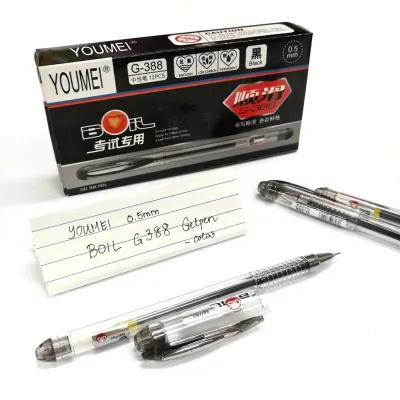
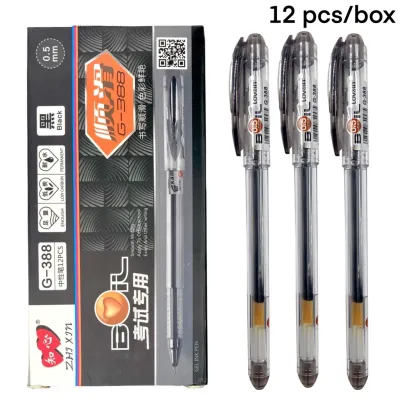
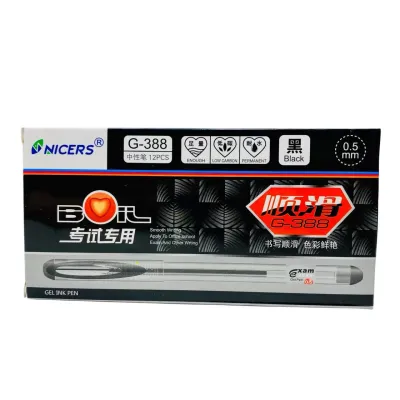
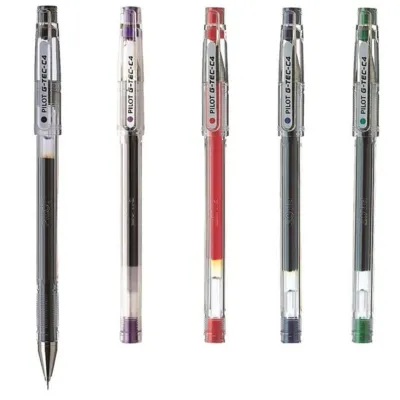
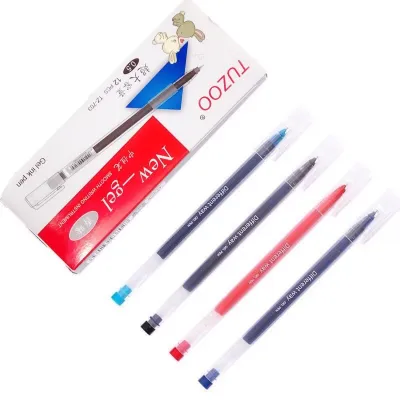
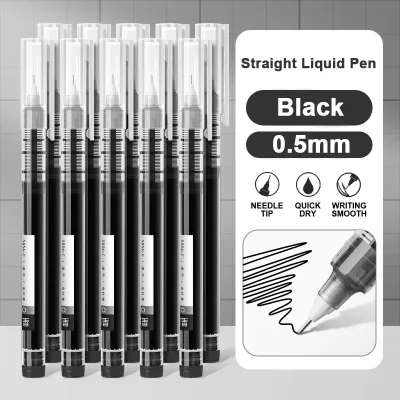
Prices are valid at publication and may change. Please refer to the product page for the latest price.
Smudge resistance and drying speed are equally vital, particularly in fast-paced administrative environments. In the Philippines, many government offices and financial institutions still utilize multi-part carbonless copy forms or require immediate stacking of signed pages. A pen with a slow drying time increases the risk of accidental smearing, which can blur the signature and ruin the document. Fast-drying ink prevents this issue and ensures that the signature remains sharp even if the paper is handled immediately after signing.
Visual opacity is another essential criterion, especially as organizations transition to digital record-keeping. When a signed document is scanned, photocopied, or microfilmed, the ink line must be dark and solid enough to register clearly on digital sensors. Faint, watery, or skipping lines can disappear entirely during high-speed scanning, potentially invalidating the digital archive of your document. Choosing a pen that deposits a dense, uniform layer of ink ensures high-contrast reproduction across all digital and physical mediums.
Understanding Ink Formulations for Legal Validity
To select a reliable sign pen, it is important to understand the differences between ink formulations and how they interact with paper. The two primary categories of ink used in writing instruments are dye-based and pigment-based inks. Dye-based inks consist of colorants fully dissolved in a liquid medium, resulting in vibrant colors but very poor resistance to water and light. If a document signed with dye-based ink gets wet, the signature will bleed and dissolve, making it highly susceptible to damage or fraudulent alteration.

In contrast, pigment-based inks utilize microscopic solid particles suspended in a liquid carrier. Once applied to paper, these pigments bind tightly to the cellulose fibers, creating a permanent mark that is highly resistant to water, chemical washing, and UV light. For legal and financial transactions, pigment-based ink is the industry standard because it cannot be easily erased or washed away without destroying the paper itself. When shopping for a pen, carefully inspect the packaging for terms like “pigment ink” or “document-proof” to verify its suitability for permanent records.
Under no circumstances should erasable or heat-sensitive inks be used for official documents. These inks rely on chemical formulations that become colorless when subjected to friction or heat. In a tropical climate like the Philippines, where ambient temperatures can rise significantly, leaving a signed contract inside a hot vehicle or near a sunny window can cause heat-sensitive signatures to vanish completely. Always ensure your chosen pen uses permanent, non-reversible ink to protect the integrity of your agreements.
Because paper quality varies widely across different offices, you should perform a simple at-home verification test before signing critical paperwork. Take a scrap piece of paper similar in thickness to the document you intend to sign. Write a few test strokes and let the ink dry for sixty seconds. Next, place a drop of water directly onto the ink line, or run a standard highlighter over it. If the ink bleeds, smears, or feathers significantly, the pen is not suitable for official document signing and should be replaced with a more stable formulation.
Selecting the Right Tip Size and Material
The physical construction of the pen tip directly influences the precision, consistency, and overall appearance of your signature. Tip sizes generally range from ultra-fine (0.3mm) to bold (1.0mm), with each offering distinct trade-offs. For official signatures, a fine tip (0.5mm) or a medium tip (0.7mm to 0.8mm) is highly recommended. A 0.5mm tip provides excellent precision for small signature blocks and intricate cursive writing, while a 0.7mm or 0.8mm tip delivers a bolder, more authoritative line that is easily visible on official forms.
Tip materials also play a significant role in line consistency and durability. Felt-tip pens, often referred to as fineliners, offer a smooth, expressive writing experience with minimal friction. However, felt tips can fray or split over time if subjected to heavy hand pressure, leading to inconsistent line widths. Plastic, acrylic, or metal-collared needle tips are much more resilient, maintaining their structural integrity and delivering a uniform ink flow even when used to sign multi-copy carbon papers that require firm downward pressure.
Paper quality and thickness interact dynamically with different tip materials and ink volumes. Standard office copy paper in the Philippines typically ranges from 70gsm to 80gsm. Because this paper is relatively thin and can absorb moisture from the humid tropical air, it is highly prone to bleed-through (ink showing on the reverse side) and feathering (ink spreading sideways along the paper fibers). A finer tip size or a drier ink formulation helps mitigate these issues, ensuring that your signature remains crisp and does not bleed into adjacent text fields.
Before committing to a pen for an important signing session, inspect the nib under good lighting to ensure it is in optimal condition. Look for any signs of dried ink buildup, bent metal collars, or split fibers that could disrupt the ink flow. Scribble a few continuous loops on a test sheet to verify that the ink starts flowing immediately without skipping or scratching the paper surface. A well-maintained nib is essential for achieving a smooth, professional signature on the final document.
Ergonomics and Comfort for High-Volume Signing
For professionals who handle large volumes of paperwork, such as lawyers, corporate secretaries, or real estate agents, pen ergonomics are just as important as ink quality. Signing dozens of pages in a single session can lead to hand fatigue, finger cramping, and a gradual deterioration of your signature’s consistency. Selecting a pen designed with physical comfort in mind helps maintain control and precision from the first page to the last.
Evaluate the grip texture and material of the pen barrel. A rubberized, contoured, or textured grip zone provides a secure hold and prevents your fingers from slipping down the barrel. This is particularly beneficial in warm, humid environments where sweat can make smooth plastic barrels difficult to control. A secure grip allows you to write with less downward pressure, reducing the strain on your hand muscles during extended signing sessions.
Pen weight, balance, and barrel thickness also impact writing control. A pen that is too heavy can tire your hand quickly, while an excessively light pen may force you to grip harder to maintain control. A medium-weight pen with a balanced center of gravity encourages a natural writing posture. Additionally, a slightly thicker barrel is often more comfortable for individuals with larger hands or those who suffer from joint strain, as it prevents the hand from pinching too tightly.
Consider the practicality of capped versus retractable pen mechanisms. Capped pens generally offer a tighter seal, which is highly effective at preventing pigment-based inks from drying out in tropical climates. However, retractable pens provide convenient, one-handed operation and eliminate the risk of losing the cap. Whichever mechanism you prefer, ensure that the pen feels comfortable in your natural writing posture. Testing the physical comfort of a pen before purchasing it in bulk ensures a reliable and pain-free signing experience.
Verifying Acceptance and Testing Before Use
Even the highest-quality sign pen must align with the specific guidelines of the institution receiving your documents. Different banks, government agencies, and notary publics in the Philippines maintain strict internal policies regarding acceptable ink colors and types. For instance, some financial institutions mandate the use of blue ink to easily distinguish an original signature from a black-and-white photocopy. Conversely, other agencies may require black ink to ensure maximum contrast during high-speed digital scanning. Always verify these requirements beforehand to avoid document rejection.
Establish a consistent pre-signing testing routine to ensure your pen performs flawlessly on the actual document. Keep a scrap sheet of the same paper stock nearby and write a few test strokes immediately before signing. This simple step clears any minor ink clogs, ensures the ball or tip is rotating smoothly, and verifies that the ink is flowing consistently without skipping or blobbing. Taking a few seconds to test your pen prevents permanent mistakes on official, hard-to-replace forms.
To maintain reliability, dedicate a specific, high-quality sign pen solely for official document signing. Avoid using this dedicated pen for daily note-taking, sketching, or casual writing, as this can deplete the ink reservoir and wear down the tip prematurely. Store your dedicated pen in a protective case or desk drawer away from direct sunlight and extreme heat, which can dry out the ink or cause the barrel to warp. Keeping a designated pen ensures it is always in pristine condition when you need it.
Proper storage is crucial for maximizing the shelf life of your sign pens, especially in tropical climates. Store your pens horizontally rather than vertically. Horizontal storage keeps the ink evenly distributed throughout the reservoir, preventing it from pooling at the back of the pen or clogging the tip. By following these simple maintenance and verification steps, you can ensure that your sign pen delivers a flawless, professional, and legally secure signature every time.
Frequently Asked Questions (FAQ)
Can I use a gel pen instead of a traditional sign pen for official documents?
Yes, you can use a gel pen for official documents, provided it uses pigment-based, water-resistant gel ink. Many modern gel pens offer excellent archival properties and deep visual contrast that rival traditional sign pens. However, standard dye-based gel pens should be avoided, as they are highly susceptible to smudging and water damage. Additionally, gel inks generally take longer to dry than oil-based inks, which increases the risk of smearing on glossy paper or multi-part forms. Always verify the ink type on the packaging and test the drying speed before signing.
How do I prevent my sign pen from drying out?
To prevent your sign pen from drying out, always recap it tightly immediately after use until you hear a distinct click, or retract the tip fully. Store your pens horizontally in a cool, dry place away from direct sunlight, air conditioning vents, and high-temperature areas like car glove compartments. In the humid climate of the Philippines, keeping your pens in a sealed pencil case or desk drawer helps protect the ink formulation from premature evaporation and ensures a smooth, immediate ink flow when you write.
Is black or blue ink preferred for legal documents in the Philippines?
In the Philippines, both black and blue inks are widely used, but their preference depends on the specific institution and the nature of the document. Black ink is often preferred for government forms, tax filings, and visa applications because it provides the highest contrast for digital scanning and photocopying. Blue ink, however, is highly favored by banks, insurance companies, and notary publics because it makes it easy to distinguish an original, hand-signed document from a high-quality color photocopy. It is always best to check the specific guidelines of the receiving agency before signing.
Community discussion
Share your experience or ask a question. Comments are reviewed before publication.