
Selecting the right wrapping material is a critical step in floral presentation. In the Philippines, flower gifting is central to milestones ranging from graduations and birthdays to local festivals and corporate events. The choice of a wrapper bouquet material is not merely cosmetic; it serves as a structural support system and a protective barrier against the humid tropical climate. To select the ideal wrapping, you must balance visual aesthetics with physical performance, ensuring the material can withstand moisture, support stem weight, and maintain its shape during transport.
An effective wrapping design enhances the natural beauty of the blooms without overshadowing them. Whether you are preparing a single-stem rose or a massive multi-layered arrangement, understanding how different papers behave when exposed to water, friction, and handling will help you achieve a professional finish. By matching the physical properties of the wrapping material to the specific needs of your flowers, you ensure that your arrangement remains fresh, secure, and visually striking from the florist’s table to the recipient’s hands.
How to Evaluate Wrapping Paper for Flower Bouquets
Evaluating wrapping paper requires a systematic look at both the physical characteristics of the flowers and the environmental conditions the bouquet will encounter. In the tropical climate of the Philippines, high humidity and heat accelerate the softening of non-treated papers. If a bouquet is transported in non-air-conditioned vehicles, condensation can quickly weaken standard paper wraps. Therefore, assessing the water resistance of your wrapping material is a primary consideration before starting any design.
Products mentioned in this guide
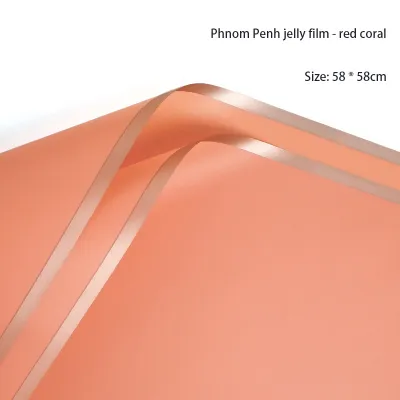


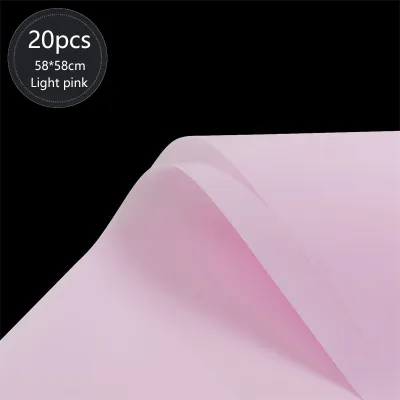
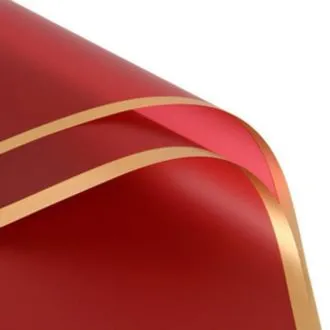
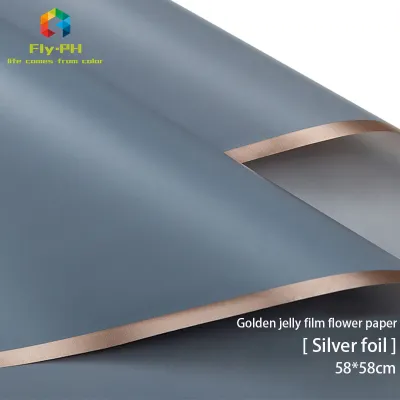
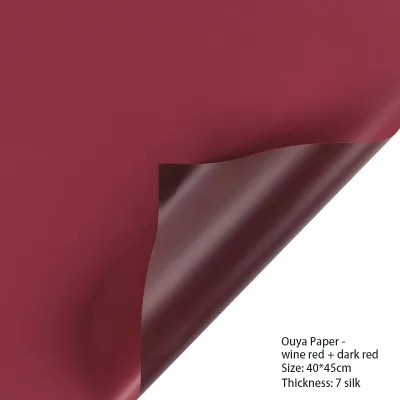
Prices are valid at publication and may change. Please refer to the product page for the latest price.
Stem structure and bouquet weight dictate the level of structural support required from the wrapper. Heavy, woody stems like sunflowers or thick-stemmed local roses need a wrapping material with high tensile strength and stiffness to prevent the arrangement from sagging. Conversely, delicate, soft-stemmed flowers like tulips or local orchids require a gentler touch; a wrapper that is too stiff or sharp-edged can bruise delicate petals and leaves during assembly and transport.
Your desired presentation style also guides your material evaluation. Modern, layered arrangements often rely on semi-opaque or matte synthetic films that hold complex folds and pleats without creasing permanently. Classic, rustic designs benefit from the organic texture and neutral tones of natural fiber papers. Additionally, you must consider practical factors such as transport logistics, budget constraints, and local availability at stationery or floral supply shops.
Ultimately, the “best” wrapping paper is the one that aligns with your specific bouquet structure and presentation goals. Because material names can vary across suppliers, do not rely on generic product titles alone. Always verify product labels, manufacturer specifications, and care instructions to confirm thickness, coating types, and moisture performance before making a purchase.
Selecting the Right Wrapper Bouquet Materials: Characteristics and Typical Uses
Navigating the wide variety of bouquet wrapping materials available in stationery and gift-wrapping categories is easier when you understand their individual properties. Each material offers distinct advantages and limitations regarding texture, opacity, stiffness, and moisture behavior.

Korean Paper (Hanji-Style or Art Paper)
In the modern floral industry, “Korean paper” typically refers to synthetic, matte-finished polypropylene (BOPP) sheets designed to mimic the soft, elegant drape of traditional Hanji (mulberry paper). This material has become highly popular for its exceptional water resistance and smooth, satin-like texture. It does not tear or soften when exposed to wet stems, making it highly reliable for humid climates.
This material supports elegant, voluminous, and multi-layered presentation styles. Because it is semi-opaque, it diffuses light beautifully, creating a soft frame around the blooms. However, because it is synthetic, it does not crease as sharply as natural paper, which may require you to use double-sided tape or tight ties to secure complex folds. When purchasing, check the product label to verify the sheet thickness (often measured in microns) and ensure it offers the level of stiffness required for your bouquet size.
Craft Paper (Kraft Paper)
Craft paper, or kraft paper, is a classic choice characterized by its natural brown or bleached white appearance, matte texture, and high structural stiffness. Made from wood pulp, it provides an organic, rustic, or minimalist aesthetic that pairs exceptionally well with wildflowers, sunflowers, and native Philippine foliage. Its high tensile strength makes it excellent for supporting heavy, dense arrangements.
The primary limitation of standard craft paper is its vulnerability to moisture. Untreated kraft paper rapidly absorbs water from wet stems, leading to soggy spots, tearing, and structural collapse. To prevent this, look for specialty craft papers that feature a thin polyethylene (PE) lining or a wax coating on the inner side. Always verify the dimensions and stiffness on the packaging to ensure the paper can handle the physical weight of your arrangement.
Cellophane (Clear or Tinted Film)
Cellophane is a lightweight, high-gloss film that offers complete transparency or subtle color tints. It is highly valued for its excellent moisture barrier properties, making it the standard choice for wrapping the wet cotton, floral foam, or water tubes at the base of flower stems. It prevents water leakage while keeping the presentation clean and professional.
While cellophane provides excellent visibility and light protection, it is highly prone to static, crinkling, and tearing if punctured by sharp thorns or woody stems. It is best used as a protective outer layer or a functional inner lining rather than a sole structural wrap. When selecting cellophane, check the packaging for film thickness and verify whether it is a standard plastic film or a biodegradable cellulose-based option, depending on your environmental preferences.
Other Common Options
Beyond the primary categories, several other materials are commonly used in floral design:
- Tissue Paper: Offers soft volume and vibrant accent colors when layered inside a bouquet, but has virtually no water resistance and tears easily when damp.
- Foil Paper: Provides a highly reflective, metallic finish suitable for festive or dramatic presentations, though it creases permanently and must be handled with care.
- Mesh Netting (Spider Mesh): A highly breathable, textured material that adds structural volume and modern flair without adding weight or trapping heat.
- Non-Woven Fabric: Made from synthetic fibers, this material offers a soft, fabric-like drape, excellent tear resistance, and does not degrade when wet.
When evaluating these alternative options, use a quick checklist to guide your decision: assess opacity versus transparency, stiffness versus drape, moisture behavior, tear resistance, and compatibility with ribbons or ties. Always check product labels for thickness, sheet or roll dimensions, and any specific handling or disposal instructions.
Matching Paper to Flower Type and Presentation Style
Creating a harmonious bouquet requires matching the physical traits of your flowers with the structural and visual properties of your wrapping material. Heavy, woody stems require robust support, while delicate blooms need gentle containment.
For heavy-headed flowers such as local sunflowers or thick-stemmed imported roses, choose a stiff, high-tensile material like heavy-grade kraft paper or thick Korean matte film. These materials hold their shape under pressure, preventing the wrapper from collapsing outward and exposing the stems. For delicate or soft-stemmed flowers like carnations, tulips, or local orchids, a softer wrapping material such as non-woven fabric or lightweight, layered Korean paper is more appropriate, as it cradles the blooms gently without risk of crushing them.
Visual styles also dictate your material selection. If you aim for a formal, modern, or romantic look, the soft folds and pastel tones of Korean matte film are ideal. For a rustic, eco-friendly, or artisanal presentation, pair natural brown kraft paper with natural fibers like abaca twine or jute cord. If your goal is to showcase the natural beauty of the stems and foliage while ensuring maximum freshness, a clear cellophane wrap is the most practical choice.
To make a confident selection, follow this simple decision flow:
[Identify Bouquet Weight & Stem Structure]
                    │
                    ▼
       [Choose Desired Visual Style]
                    │
                    ▼
       [Match to Material Properties]
                    │
                    ▼
[Verify Dimensions & Product Label Specifications]
Combining different materials is a highly effective way to leverage the strengths of each. For example, you can wrap the wet base of the stems in clear cellophane to lock in moisture, layer soft tissue paper around the blooms for color and volume, and finish with a sturdy outer layer of kraft paper for structural support. When layering, ensure that the materials are securely bound so they do not slide against one another, and avoid trapping excess moisture between non-breathable plastic layers, which can cause stem rot in warm weather.
What to Check Before Buying Bouquet Wrapping Paper
Before purchasing your wrapping materials, running through a practical checklist will help you avoid mismatched sizes, incompatible accessories, and handling issues during assembly.
First, verify the size and format of the wrapping paper. Bouquet wrapping is typically sold in pre-cut sheets (often 58 cm x 58 cm) or continuous rolls. For standard bouquets, sheets are highly convenient and reduce cutting time, while rolls offer flexibility for exceptionally tall or large arrangements. Measure your bouquet’s height and maximum circumference, adding at least a 15% to 20% margin to account for pleating, folding, and the gathering point where the ribbon will be tied.
Second, consider compatibility with your chosen accessories. Smooth, high-gloss synthetic films can be slippery, causing standard satin or polyester ribbons to slide down the handle. If you are using smooth wrappers, you may need to secure the gathering point first with a high-grip material like natural jute twine, cotton cord, or double-sided florist tape before applying your decorative ribbon.
Third, pay attention to safety and handling boundaries. Avoid wrapping papers that emit a strong chemical or solvent-like ink odor, as these volatile compounds can accelerate the wilting of sensitive fresh flowers. Keep sharp tools, shears, and pins away from delicate films to prevent accidental punctures. Additionally, store your wrapping materials flat or in protective cardboard tubes in a dry, cool area to prevent warping, curling, or mold growth in humid environments.
To ensure the paper performs as expected, perform a simple water and bleed resistance test on a small scrap before wrapping your actual bouquet:
- Water Test: Place a few drops of water on a 5 cm x 5 cm scrap of the paper. Observe if the water beads up (indicating water resistance) or if it quickly soaks into the fibers (indicating high absorbency).
- Bleed Test: Place a damp white cotton cloth or paper towel on the colored side of the wrapping scrap and apply light pressure for one minute. Check if any dye transfers to the cloth. This ensures the wrapper will not stain the recipient's hands or clothing when wet.
Finally, always check the product label for specific technical details such as GSM (grams per square meter) for paper weight, micron thickness for films, and any recycling or disposal symbols. If the product specifications are unclear, contact the retailer or manufacturer to confirm suitability for fresh floral use before making a bulk purchase.
Quick Selection Guide
Use this quick reference table to match common bouquet scenarios with the most appropriate wrapping material traits and verification steps.
| Bouquet Scenario | Key Need | Material Trait to Look For | What to Verify on Label |
|---|---|---|---|
| Heavy Sunflowers or Roses | Maximum structural support and tear resistance | Heavy-weight kraft paper or thick, rigid synthetic film | Verify GSM (80+ GSM preferred) or thickness in microns |
| Delicate Mixed Blooms | Soft draping and gentle containment | Non-woven fabric or lightweight Korean art paper | Check for soft texture and flexibility specifications |
| Outdoor Events (High Heat/Humidity) | Complete moisture resistance and shape retention | Waterproof matte polypropylene (BOPP) film | Confirm "100% waterproof" or synthetic composition |
| Eco-Friendly Native Gift | Biodegradable, organic, and rustic aesthetic | Unbleached, uncoated natural kraft paper | Verify FSC certification or recyclable/compostable labels |
| Budget-Friendly Bulk Wrapping | Cost-effective, versatile, and easy to cut | Standard cellophane rolls or mid-grade utility paper | Check roll width and total length dimensions |
This table represents a practical matching logic rather than a rigid ranking. Always verify the physical dimensions and specific product labels of your chosen wrapping paper to ensure a successful match for your unique floral design.
Frequently Asked Questions (FAQ)
Can I reuse bouquet wrapping paper for another arrangement?
Reusing bouquet wrapping paper depends entirely on its material composition and physical condition upon removal. Synthetic materials like waterproof Korean matte film (BOPP) and non-woven fabrics are highly durable and can often be wiped clean, smoothed out, and reused if they are free of deep creases, tears, or punctures. Conversely, standard untreated kraft paper and delicate tissue paper absorb moisture and soil easily, making them prone to structural degradation, mold, and tearing, which makes them unsuitable for reuse. Always visually inspect the material for structural integrity, stains, or lingering chemical odors before attempting to reuse it for a new arrangement.
How do I prevent wrapping paper from slipping off a smooth bouquet?
Slippage typically occurs when the wrapping material is exceptionally smooth, such as high-gloss cellophane or polished synthetic films, or when the bouquet’s gathering point is wrapped too loosely. To prevent this, apply a primary tie using a high-friction material like natural jute twine, rubber bands, or specialized florist tape directly onto the flower stems before adding the outer wrap. Once the wrapper is positioned, secure it tightly at the same gathering point with a second tie. For very slippery papers, applying a small strip of double-sided tape inside the folds of the handle area will provide additional grip without damaging the outer appearance of the bouquet.
Community discussion
Share your experience or ask a question. Comments are reviewed before publication.