
Selecting the ideal 2027 planner notebook requires balancing personal organization habits with the physical realities of daily use. In the Philippines, where high humidity and active daily commutes can challenge the durability of paper and covers, finding a reliable system is essential. Whether you are coordinating academic deadlines, managing corporate projects, or documenting personal reflections, the structure of your planner directly impacts your consistency. By focusing on layout design, paper specifications, and binding construction, you can secure a tool that supports your workflow throughout the entire year.
Identifying Your Core Planning Needs
To find a planner that remains useful from January through December, you must first define your primary organizational goals. A planner is not a one-size-fits-all tool; a system that excels at tracking hourly corporate meetings will often feel restrictive to someone who prefers open-ended creative journaling. Before looking at cover designs or paper textures, analyze how you naturally process information and what specific problems you need your 2027 planner notebook to solve.
Start by distinguishing between academic scheduling, professional project tracking, and personal journaling. Students typically require a layout that highlights weekly deadlines, exam dates, and class timetables. Professionals, on the other hand, often need to manage complex task lists, coordinate client meetings, and track long-term project milestones. Journalers usually prioritize blank or minimally structured spaces that allow for free-form writing, memory keeping, or artistic expression.
Products mentioned in this guide
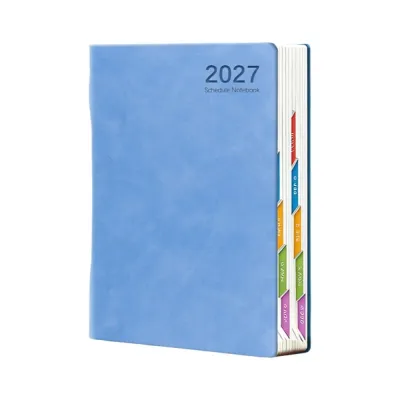
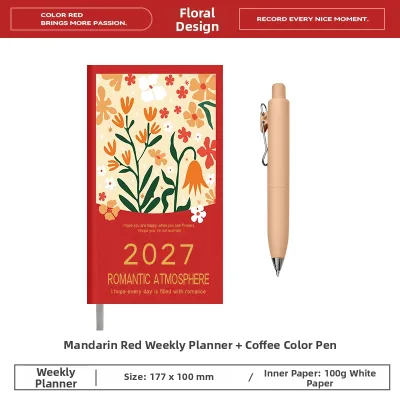
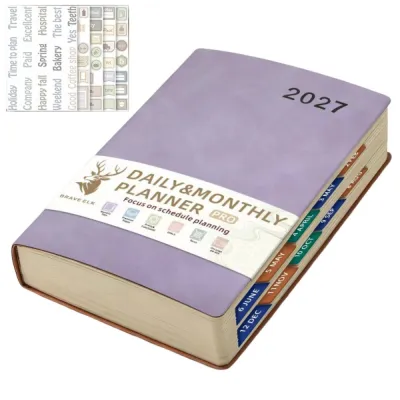
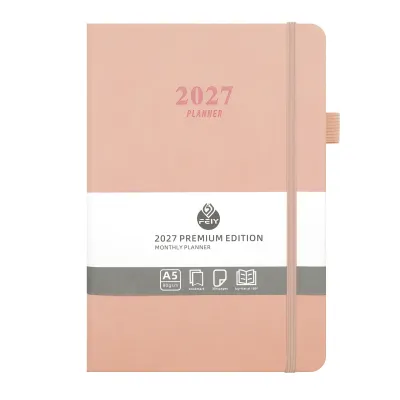
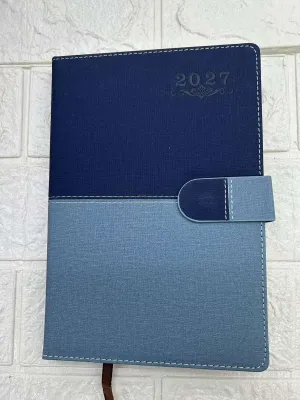
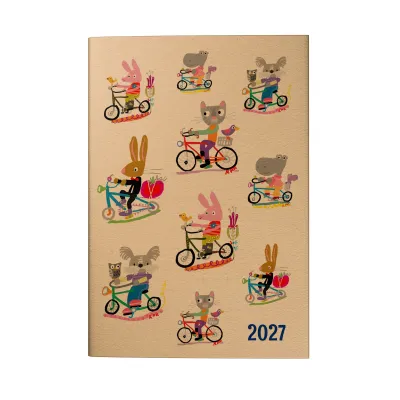
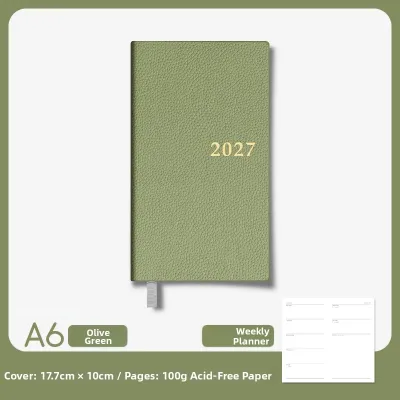
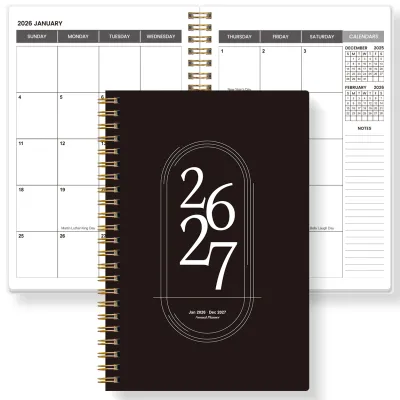
Prices are valid at publication and may change. Please refer to the product page for the latest price.
Next, assess the level of detail your daily routine demands. If your day is packed with time-sensitive appointments, an hourly or half-hourly layout provides the necessary structure to prevent scheduling conflicts. If your tasks are flexible but numerous, a task-oriented weekly spread with a dedicated checklist area is more efficient. For those who use their planner as a reflective tool, open daily pages offer the freedom to write without the constraints of pre-printed time slots.
Finally, consider your physical environment and portability requirements. A large, heavy planner might be excellent for a permanent desk setup, but it quickly becomes a burden if you need to carry it daily in a backpack or briefcase. If you are constantly on the move between classrooms, offices, or coffee shops, a compact and lightweight format is essential. Conversely, if your planner rarely leaves your workspace, a larger footprint provides maximum writing area without compromising comfort.
Key Specifications to Evaluate
Once you understand your planning style, you can evaluate the technical specifications of different notebooks. Understanding these physical attributes prevents common frustrations, such as ink bleeding through pages or bindings falling apart mid-year. Paying close attention to manufacturing details ensures your planner can withstand daily handling and tropical environmental conditions.

Layout and Formatting
The internal layout determines how you visualize your time and organize your thoughts. Monthly spreads are ideal for high-level planning, allowing you to see holidays, major deadlines, and travel plans at a glance. Weekly spreads are the most common format, offering a balance between daily detail and weekly overview; these are typically divided into horizontal blocks or vertical columns. Daily spreads allocate a full page or half a page to each day, which is excellent for high-volume writers, detailed time-blockers, or those who combine task lists with daily journaling.
Paper and Medium Compatibility
Paper quality is critical, especially when using liquid inks like fountain pens, gel pens, or heavy markers. Look for the paper weight, measured in grams per square meter (gsm). Standard planners often use 70 gsm to 80 gsm paper, which is lightweight but prone to ghosting (where writing is visible on the reverse side) or bleeding (where ink penetrates the paper). For a smoother writing experience with minimal bleed-through, prioritize paper weights of 100 gsm to 120 gsm. Additionally, in humid tropical climates, paper can absorb moisture from the air, making it more susceptible to ink feathering; choosing coated or high-density paper helps maintain clean, sharp lines.
Binding and Durability
The binding style affects both the usability and longevity of your planner. Thread-bound or book-bound planners offer a classic look and often lay completely flat when opened, which is crucial for comfortable writing near the margins. Spiral or wire-bound planners allow you to fold the notebook back on itself to save desk space, though the metal or plastic coils can sometimes interfere with your hand while writing. Ring-bound organizers offer the highest level of flexibility, allowing you to add, remove, or rearrange pages, but they tend to be bulkier. Ensure the cover material—whether durable polyurethane (PU) leather, heavy cardstock, or water-resistant plastic—can protect the pages from spills and wear.
Size and Portability
Planner sizes generally follow international paper standards, making it easy to match them to your bags and storage. An A5 size (approximately 148mm x 210mm) is widely considered a practical balance between portability and writing space, fitting easily into most backpacks, totes, and medium-sized bags. B6 sizes are slightly smaller and highly portable, making them excellent for quick on-the-go notes. If you require maximum writing space and do not plan to carry your notebook often, an A4 or letter-sized planner provides ample room for detailed mind maps, project charts, and extensive daily notes.
Building Your Shortlist by Use Case
To simplify your search, you can categorize planners based on how their structural features align with specific lifestyles. While individual preferences vary, certain layouts and physical attributes naturally support specific workflows better than others. Use the following profiles as a structural guide to filter your options and build a practical shortlist.
For Students Managing Class Schedules
Academic life requires tracking multiple subjects, assignment deadlines, and extracurricular activities simultaneously. For this workflow, a weekly horizontal or vertical layout is highly effective, as it allows you to see the entire week’s commitments in a single view. Look for planners that align with the academic calendar or offer a full 12-month structure covering the 2027 calendar year.
Portability and durability are paramount for students who constantly move between lecture halls and study areas. A lightweight, flexible cover reduces unnecessary bulk in your backpack, while a sturdy spiral or lay-flat thread binding ensures the notebook can be opened quickly on small lecture hall desks. Additionally, look for planners that include dedicated pages for class schedules, grade trackers, and project planning matrices to keep all academic information centralized.
For Professionals Tracking Work Tasks
In a professional environment, time management and task prioritization are key to maintaining productivity. A vertical weekly layout with hourly or half-hourly intervals is excellent for time-blocking, allowing you to allocate specific slots for meetings, deep work, and administrative tasks. Alternatively, a daily layout provides the necessary space to separate your schedule from your action items.
Professional planners should also feature dedicated sections for goal setting, monthly project overviews, and networking contacts. A clean, minimalist aesthetic with a durable PU leather or hardbound cover fits seamlessly into corporate boardrooms and client meetings. Ensure the planner’s dimensions are compatible with standard laptop sleeves or briefcases, allowing you to carry it alongside your digital devices without adding excessive weight.
For Journalers Documenting Daily Life
For those who view planning as a creative or reflective outlet, rigid structures can feel limiting. Journalers benefit most from open layouts, such as dotted grids, blank pages, or minimal daily formats that do not enforce strict time slots. This flexibility allows you to transition easily from writing daily reflections to sketching, scrapbooking, or tracking habits.
Because journaling often involves creative mediums, paper quality is the most critical specification. Verify that the paper is thick enough (ideally 120 gsm or higher) to handle fountain pen inks, watercolor washes, adhesive tapes, and decorative stickers without warping or bleeding. Aesthetic details, such as dual ribbon markers to keep your place, expandable back pockets for storing ephemera, and tactile cover textures, enhance the overall tactile experience of daily journaling.
Pre-Purchase Verification and Inspection
Before finalizing your purchase of a 2027 planner notebook, take time to verify its specifications and source. Because stationery quality can vary significantly, relying solely on cover designs can lead to disappointment once you begin writing. Implementing a systematic check ensures your selected planner meets your functional expectations.
First, carefully review the manufacturer’s product labels and descriptions. Look for explicit details regarding the page count, paper weight (gsm), and exact dimensions. If you plan to use fountain pens or wet inks, search for specific compatibility labels, such as “fountain pen friendly” or “acid-free paper.”
Next, compare prices across official brand stores and authorized stationery retailers. In the Philippines, high-quality planners generally range from approximately ₱300 for basic functional designs to ₱1,500 or more for premium imported brands or refillable ring systems. Be cautious of unusually low prices on online marketplaces, as these may indicate counterfeit products with inferior paper quality and weak bindings.
When purchasing through e-commerce platforms, verify the seller’s return and exchange policies. Check customer reviews specifically for mentions of shipping damage, bent corners, or misprinted pages. If you receive a planner and find that the binding is stiff or the paper feathers excessively during a gentle test, a flexible return policy allows you to exchange it before the planning year begins. If a pre-printed planner does not offer the exact structural features your workflow requires, stop and consider alternative formats, such as a customizable binder or a bullet journal setup.
Frequently Asked Questions (FAQ)
What is the difference between dated and undated 2027 planners?
Dated planners come with pre-printed calendar dates, days of the week, and holidays for the year 2027. This structure saves time and provides an immediate framework for scheduling future events, but it can lead to wasted pages if you skip weeks or months. Undated planners leave the date fields blank, allowing you to fill them in as you go. This format offers maximum flexibility and prevents paper waste if your planning habits are inconsistent, though it requires a small time investment to write in the dates manually.
How do I prevent ink from bleeding through planner pages?
To prevent ink from bleeding or ghosting, always check the manufacturer’s stated paper weight before buying; papers rated at 100 gsm or higher generally resist bleeding better than thinner options. Additionally, match your writing instruments to your paper type. If your planner has thinner pages, opt for fine-tip gel pens, ballpoint pens, or pigment-based drawing pens, which dry quickly and do not saturate the paper fibers. You can also perform a small ink test on an inconspicuous back page or an included blotter sheet to observe how your favorite pens behave.
Can I use a standard notebook instead of a dedicated planner?
Yes, you can use a standard notebook, particularly one with a dotted or grid pattern, to create a customized planning system. This approach, often associated with bullet journaling, allows you to design layouts that perfectly match your changing daily needs. However, drawing your own monthly calendars and weekly spreads requires a continuous investment of time and effort. If you prefer immediate organization without the preparation work, a pre-structured, dedicated 2027 planner notebook is the more convenient choice.
Community discussion
Share your experience or ask a question. Comments are reviewed before publication.