
Quick Answer: Matching Folder Styles to Your Routine
Selecting the right A4 folder depends entirely on whether your documents are constantly on the move or resting safely on a shelf. For daily school or office carry, your primary needs are portability, lightweight construction, secure closures, and resistance to physical wear during transit. A flexible polypropylene expanding file or a zippered document bag is highly suitable for this lifestyle, protecting papers from sudden tropical downpours and the tight squeeze of a daily commute.
Conversely, long-term home filing prioritizes high capacity, structural rigidity, and environmental protection. For this purpose, heavy-duty lever arch files, box files, or rigid ring binders are the standard choices. These styles stand upright on shelves, support heavy paper weight without buckling, and shield vital documents from dust, light, and ambient humidity. Understanding this distinction prevents the frustration of damaged schoolwork on the road or disorganized, warped records at home.
Core Requirements for Daily School and Office Carry
When transporting documents daily, your folder must withstand the physical demands of travel. Commuting via public transport in the Philippines—such as squeezing into jeepneys, buses, or trains—exposes your bag to constant movement and pressure. A folder that cannot hold its shape will inevitably lead to crumpled papers and bent corners.
Products mentioned in this guide
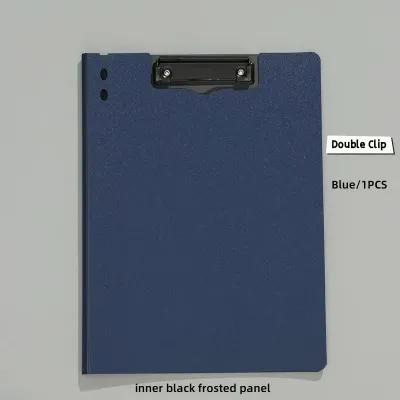
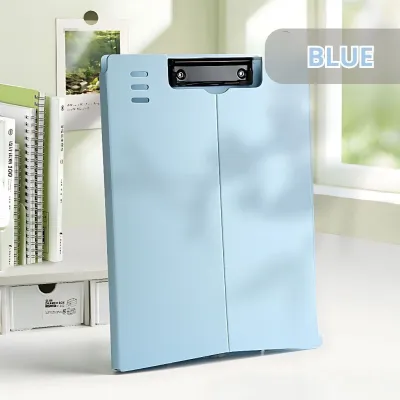
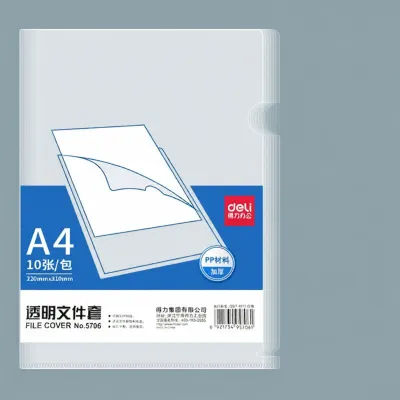
Prices are valid at publication and may change. Please refer to the product page for the latest price.

Secure Closure Mechanisms
To prevent documents from slipping out inside a crowded backpack or tote bag, look for folders with reliable closure systems. Elastic bands, snap buttons, and zippers offer varying levels of security:
- Zippers: Provide the most secure seal, completely enclosing the edges to block out dust and light rain.
- Snap Buttons: Offer quick access and are excellent for moderate daily use, though they can sometimes pop open if the folder is overstuffed.
- Elastic Bands: Provide flexible tension that adapts to the thickness of the contents, keeping the cover tightly closed.
Material Flexibility and Water Resistance
Daily carry folders should be made from flexible yet durable materials like polypropylene (PP). Unlike paperboard, PP plastic does not tear easily, resists sweat and oil from frequent handling, and provides a basic barrier against water. During the rainy season, a water-resistant plastic folder is essential for keeping school projects and office contracts dry when transitioning between buildings.
Quick-Access Designs
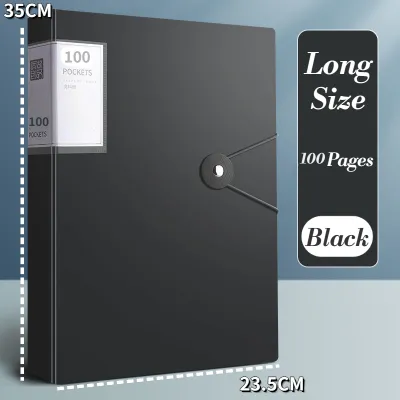
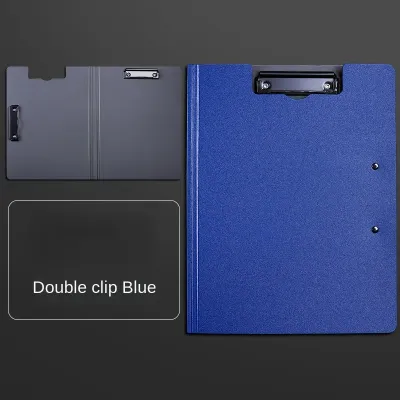
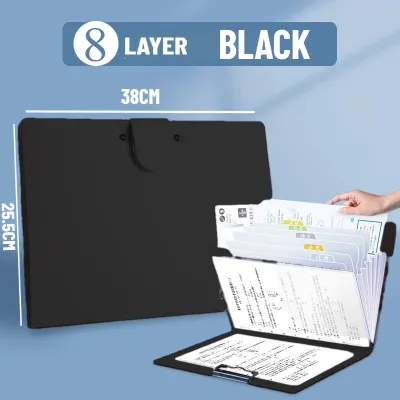
In a fast-paced classroom or meeting room, you need to retrieve and store papers quickly. Multi-pocket expanding files with tabbed dividers allow you to categorize documents by subject or project. Slim L-folders or display books with clear plastic pockets are also excellent for quick reference, allowing you to read documents without removing them from their protective sleeves.
Essential Features for Long-Term Home Filing and Storage
Home filing systems serve a different purpose: preserving documents for months or years. In a tropical climate, long-term storage challenges include high humidity, dust, and potential pest damage. The folders you choose must offer structural support and material stability over time.
Archival Safety and Material Stability
When storing papers for years, the chemical composition of the folder matters. Standard PVC (polyvinyl chloride) plastics can degrade over time, releasing plasticizers that cause ink to lift from pages and stick to the folder walls. For vital records like birth certificates, land titles, and academic transcripts, always check product labels for “acid-free” or “archival-safe” polypropylene. These materials do not yellow paper or degrade ink, ensuring your records remain legible.
High-Capacity Structures
For bulk storage of utility bills, tax records, and medical histories, high-capacity folders are indispensable. Lever arch files and box files are designed to hold hundreds of sheets of paper. Lever arch files feature a heavy-duty metal mechanism that clamps papers securely, while box files provide a fully enclosed environment that keeps dust and pests away from the edges of your documents.
Labeling and Organization Systems
An effective home archive must be easy to navigate. Choose folders with wide spines that feature clear, insertable label pockets. This allows you to write clear category names (such as “Insurance,” “Taxes,” or “Home Repairs”) that are visible when the folders are lined up on a shelf. Standard spine widths range from 50mm to 80mm, allowing you to allocate space based on the volume of each document category.
Cross-Scenario Compatibility: Can One Folder Do Both?
For those with limited storage space or a tight budget, finding a single folder that handles both daily transit and home storage is highly desirable. While specialized folders perform best in their respective environments, certain hybrid designs can bridge the gap.
Hybrid Folder Styles
- Sturdy Ring Binders: A medium-sized, 2-ring or 3-ring binder made of durable polypropylene can store a moderate volume of documents on a shelf while still fitting inside a standard backpack.
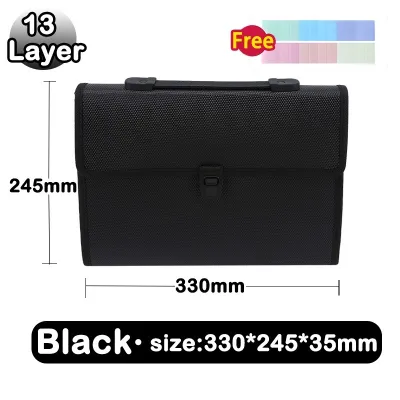
- Heavy-Duty Document Wallets: These expanding folders feature a protective flap and a secure closure, offering the portability of a daily carry folder with enough capacity to act as a temporary home archive.
Trade-offs of a Single-Folder System
Using a hybrid folder requires accepting certain compromises. A rigid ring binder is significantly bulkier and heavier than a slim document sleeve, making your daily bag heavier and more awkward to pack. On the other hand, if you rely solely on a flexible document wallet for home storage, it cannot stand upright on a shelf, leading to a cluttered storage space where folders must be stacked horizontally, making retrieval difficult.
Dual-Purpose Decision Matrix
To decide if a hybrid approach works for you, consider your document volume and travel frequency:
- Low Volume, Occasional Travel: A single, high-quality expanding file with a carrying handle is an excellent compromise. It keeps your home documents organized and can be easily picked up and carried when needed.
- High Volume, Daily Travel: It is highly recommended to separate your systems. Use a lightweight, flexible folder for your daily commute, and transfer completed papers to a dedicated lever arch file or box file at home once a week. This keeps your daily bag light while maintaining a neat, high-capacity archive at home.
How to Evaluate A4 Folder Quality Before Buying
Whether you are browsing an online marketplace or shopping at a local stationery store, evaluating the construction quality of an A4 folder ensures your investment lasts.
Inspecting Stress Points
Before purchasing, examine the areas most prone to failure. For ring binders and lever arch files, open and close the metal rings several times; they should align perfectly without gaps. For plastic folders, check the welded seams along the edges. Flimsy welds will split easily under pressure. If the folder uses snap buttons or zippers, test their tension to ensure they close tightly and do not feel loose.
Verifying Exact Internal Dimensions
Standard A4 paper measures 210 mm by 297 mm. However, many folders labeled “A4 size” are cut too close to these exact dimensions. If you plan to use plastic sheet protectors to keep your papers clean, the added width of the protectors (which usually measure around 230 mm to 240 mm wide) may cause them to stick out past the edge of the folder cover. Ensure the folder’s internal width is wide enough to fully cover sheet protectors and tabbed dividers without bending their edges.
Assessing Cover Thickness and Rigidity
For daily carry, look for a cover with moderate flexibility that can absorb impact inside a bag without cracking. For home storage, prioritize rigid covers made of thick paperboard wrapped in plastic or heavy-gauge polypropylene. Flimsy covers will warp under the weight of heavy paper, causing the entire folder to lean and damage the documents inside.
Reading Product Specifications
When shopping online, look for detailed material specifications. Plastic thickness is often measured in microns (µm) or millimeters. A daily carry folder should ideally have a cover thickness of at least 500 microns (0.5 mm) for decent durability. For sheet protectors, a thickness of 50 microns or more prevents tearing and stretching during frequent page-turning.
Frequently Asked Questions (FAQ)
How do I prevent my daily carry A4 folder from losing its shape?
To maintain the structural integrity of your daily carry folder, avoid overstuffing it beyond the manufacturer’s recommended sheet capacity. Forcing too many papers inside stretches the seams, warps the plastic, and damages the closure mechanism. When packing your bag, place the folder vertically against the flat back panel of your backpack or briefcase. This utilizes the bag’s natural structure to keep the folder flat, preventing it from bending or crushing under the weight of other items like water bottles or lunch boxes.
Is it necessary to use acid-free folders for all home documents?
No, it is not necessary for every piece of paper. You should reserve acid-free, archival-quality folders and sheet protectors for vital, irreplaceable records such as birth certificates, marriage contracts, land titles, and historical family photos. These documents are sensitive to chemical degradation and yellowing over time. For everyday paperwork with a limited lifespan—such as monthly utility bills, appliance user manuals, or temporary school notes—standard, budget-friendly polypropylene folders are perfectly adequate, as these documents do not need to be preserved for decades.
Community discussion
Share your experience or ask a question. Comments are reviewed before publication.