
Selecting the ideal A4 menu book folder depends on your dining format, service speed, and menu complexity. For small cafes, the best choice is a lightweight, highly wipeable, and easily updatable folder—such as a slim PVC or flexible faux leather cover with corner pockets—that can withstand high table turnover and frequent daily updates. Conversely, full-service restaurants benefit from heavy-duty, high-capacity folders featuring robust multi-ring or screw-post binding systems and premium padded or textured covers that elevate the formal dining experience. Matching the folder’s structural design to your specific operational flow ensures both durability and a cohesive brand presentation.
Identifying Your Restaurant's Operational Needs
Before purchasing any stationery supplies, you must map out how your staff and customers will interact with the menu daily. Start by assessing your menu’s update frequency and total page count. A cafe with rotating daily specials or seasonal drinks requires a system where pages can be swapped out in seconds. A full-service establishment with an extensive multi-course wine and dine list needs a secure, multi-page binder that keeps dozens of sheets perfectly aligned.
The physical dining environment also dictates your folder choice. In tropical climates like the Philippines, high humidity and ambient moisture can quickly warp unprotected paper inserts. Consider your table sizes; large, heavy folders can clutter small cafe tables, especially when shared alongside plates and iced beverage glasses dripping with condensation. Lighting is another factor, as high-gloss plastic protectors can create distracting glare under warm, low-ambient restaurant lighting.
Products mentioned in this guide
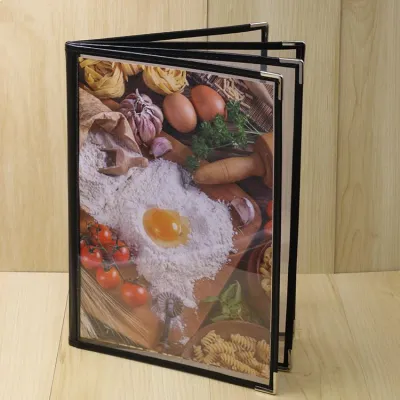
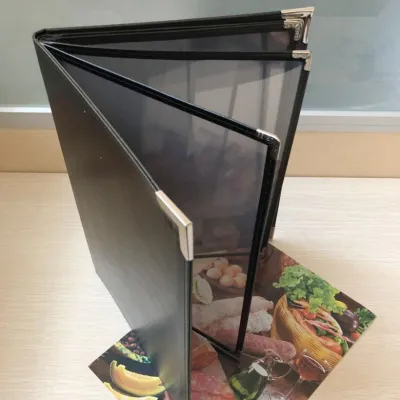
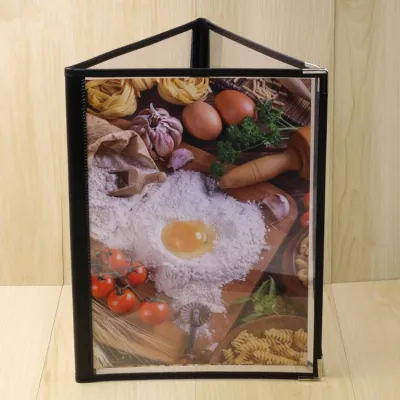

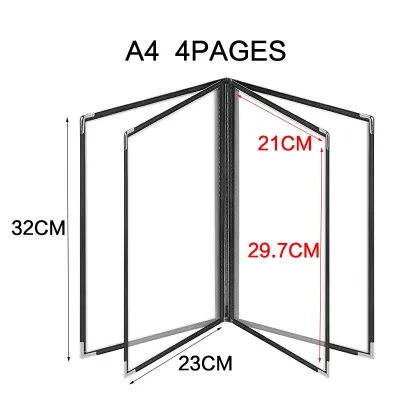
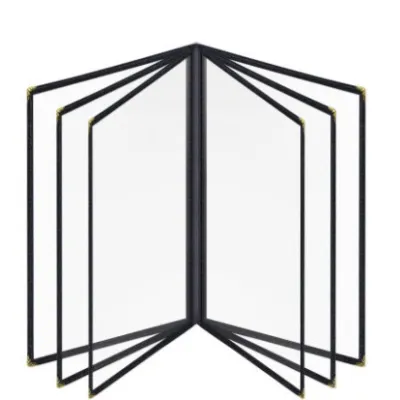
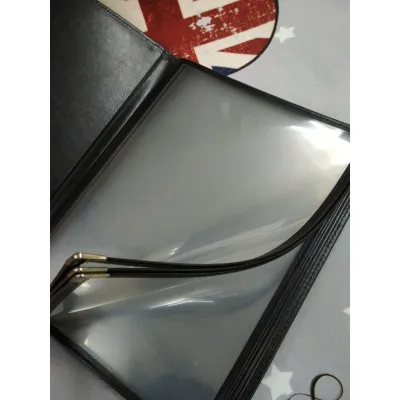
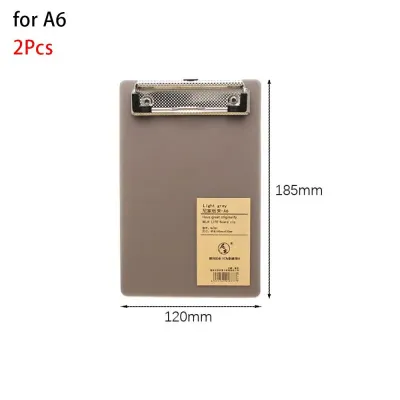
Prices are valid at publication and may change. Please refer to the product page for the latest price.
Finally, define your brand’s visual and tactile identity. The menu folder is often the first physical object a guest touches after being seated. A minimalist, casual cafe might convey its modern aesthetic through clean lines and lightweight materials. A formal, full-service restaurant typically uses weight, texture, and structured borders to signal premium service and justify higher price points.
Ideal A4 Menu Book Folder Traits for Small Cafes
Small cafes operate in fast-paced environments where speed, space optimization, and cleanliness are paramount. For these venues, lightweight materials such as thin faux leather, flexible PVC, or heavy coated cardstock are highly practical. These materials do not weigh down small tables and are easy for staff to stack, carry, and distribute quickly during busy morning rushes.

Quick-change binding mechanisms are essential for cafes that frequently adjust their offerings based on ingredient availability. Look for folders with corner pockets, single-sheet slide-in designs, or simple elastic bands. These systems allow your team to print updated A4 sheets on standard office paper and swap them out in moments, eliminating the need to disassemble complex hardware during service.
Spills are inevitable in a cafe setting, where iced coffees, fruit shakes, and sticky pastries are constantly moving. Prioritize wipeable outer surfaces and heavy-duty internal plastic sleeves that completely seal the paper edges. Water-resistant covers prevent liquid from seeping into the cardboard core, which can cause unsightly swelling, warping, and sour odors in warm, humid conditions.
Ideal A4 Menu Book Folder Traits for Full-Service Restaurants
Full-service restaurants require a more substantial presentation that reflects a curated dining journey. Premium covers made from thick padded faux leather, heavy-duty wood, or textured bookbinding fabrics provide a luxurious tactile feel. The added weight of these folders immediately communicates quality and encourages guests to linger over their choices.
Because full-service menus often span multiple pages—including appetizers, mains, desserts, and extensive wine lists—a robust binding system is non-negotiable. Multi-ring binders, heavy-duty metal screw posts, or cord-tied inserts securely support thick page counts without sagging. These systems ensure that pages turn smoothly and remain perfectly aligned, even after hundreds of handlings.
Functional additions can further streamline your service and enhance the guest experience. Look for folders that offer matching accessories, such as built-in receipt holders, integrated check presenters, or matching reservation book covers. Many premium manufacturers also offer customization options, allowing you to deboss or foil-stamp your restaurant’s logo directly onto the cover for a cohesive, professional look.
Material and Durability Checks for Daily Hospitality Use
To ensure your investment lasts, you must verify the physical resilience of your chosen folders against manufacturer specifications. Check the stated water, oil, and stain resistance levels of the cover material. Synthetic polyurethane (PU) leather often offers a good balance of realistic texture and chemical resistance, making it easier to maintain than genuine leather in high-spill environments.
Inspect the spine and binding hardware closely, as these are the primary stress points that fail under frequent opening and closing. Look for reinforced stitching along the edges and metal corner protectors that prevent fraying. If choosing screw-post binders, ensure the posts are made of rust-resistant metals like brass or treated aluminum to withstand humid tropical air.
Review the manufacturer’s recommended cleaning instructions to ensure compatibility with your staff’s sanitizing routines. Some materials degrade quickly when exposed to harsh commercial disinfectants or alcohol-based wipes. Choosing a material that can be safely wiped down with mild soapy water or specific sanitizing solutions prevents premature cracking, fading, or peeling of the cover.
Building Your Final Menu Folder Shortlist
Before placing a bulk order, it is highly recommended to obtain physical samples from office supply vendors or specialized hospitality distributors. Test these samples directly in your dining room. Evaluate the weight of the folder, the flexibility of the hinge, and how smoothly the pages turn when placed flat on your tables.
Verify the exact fit of standard A4 paper within the folder’s sleeves or binding system. The paper should slide in smoothly without wrinkling, and the edges must not protrude past the cover’s protective borders. Check that the binding mechanism holds the pages securely so they do not slip out or tear at the punch holes when handled roughly by guests.
Finally, compare the financial and logistical aspects of your options. Evaluate bulk pricing structures—keeping in mind that high-quality folders may range from ₱300 to over ₱1,500 per unit depending on materials and customization. Factor in lead times for custom embossing and inquire about the availability of replacement parts, such as extra plastic sleeves or matching screw posts, to extend the lifespan of your investment.
Frequently Asked Questions (FAQ)
Can I use the same A4 menu folder for both food and drink menus?
Yes, you can combine food and beverage menus into a single A4 folder, provided the binding system has sufficient capacity. Using colored divider tabs or thicker cardstock separators helps guests navigate between sections easily. However, keep in mind that a combined menu increases the overall weight and thickness of the folder. If your beverage list is exceptionally long, separating it into a smaller, dedicated drink list can improve customer convenience and keep table space clear.
How do I clean and sanitize menu book folders between customers?
Always check the manufacturer’s care label or product specifications before applying any cleaning agents to your menu folders. For most PVC and high-quality PU leather folders, a soft microfiber cloth slightly dampened with mild soapy water is the safest daily cleaning method. To sanitize, verify the material’s chemical tolerance; many synthetics can handle diluted alcohol or specialized sanitizing wipes. Always test any new cleaning solution on a small, hidden area of the folder first to ensure it does not cause discoloration, stickiness, or cracking.
Community discussion
Share your experience or ask a question. Comments are reviewed before publication.