
Finding the right all-in-one art set for your child’s school art classes in the Philippines means looking beyond flashy packaging and high piece counts. A truly practical kit must align with the local elementary school curriculum, withstand daily transport in a crowded school bag, and contain high-quality, usable mediums that perform well on standard drawing paper. By focusing on essential tools, age-appropriate designs, and safety certifications, you can ensure your child has everything they need for creative projects without the burden of carrying unnecessary filler items.
In a tropical climate where high humidity can affect the texture of wax crayons and the drying time of paints, selecting the right materials is crucial. This guide provides a comprehensive framework to help you evaluate art kits, verify product safety, and choose a set that supports your child’s artistic development throughout the school year.
What Makes a Good All-in-One Art Set for Elementary Students?
When shopping for an art set, it is easy to be enticed by kits boasting hundreds of pieces. However, many of these sets contain filler items, such as low-quality plastic paperclips, miniature rulers, or duplicate tools that offer little artistic value. A good art set prioritizes the quality and usability of its core mediums over sheer quantity. Parents should look for kits that offer a balanced selection of dry and wet media, ensuring that each tool is functional and comfortable for small hands to hold.
Products mentioned in this guide
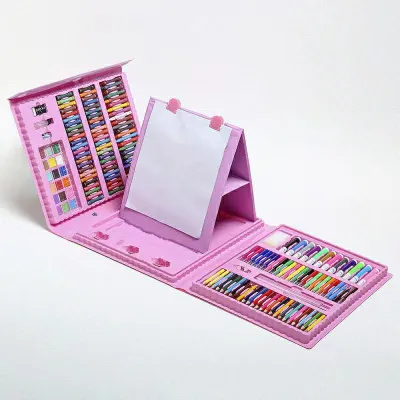
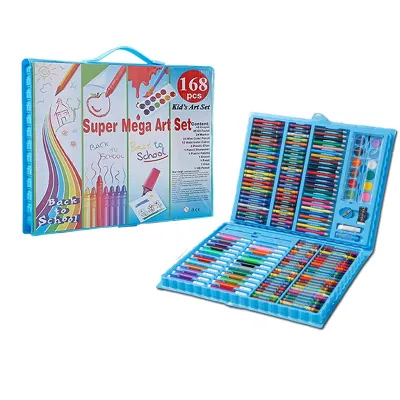
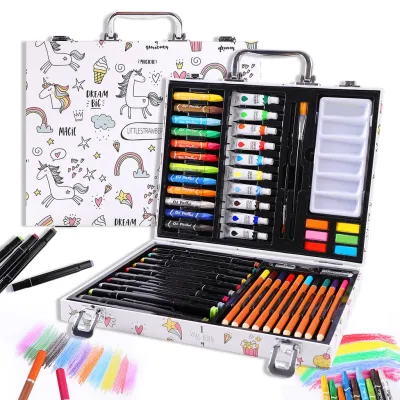
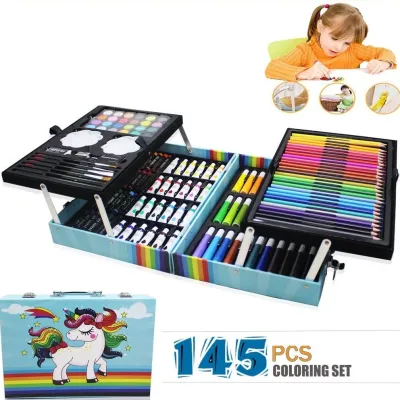
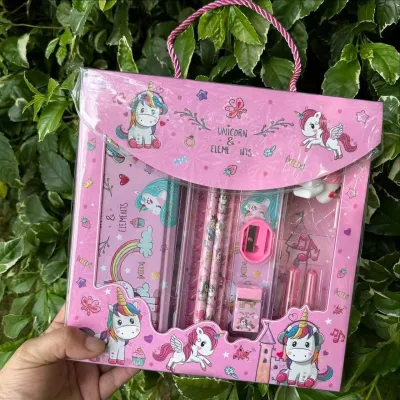
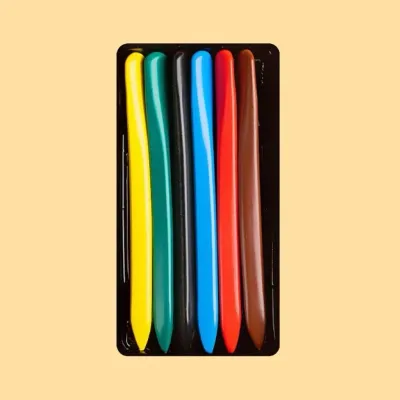
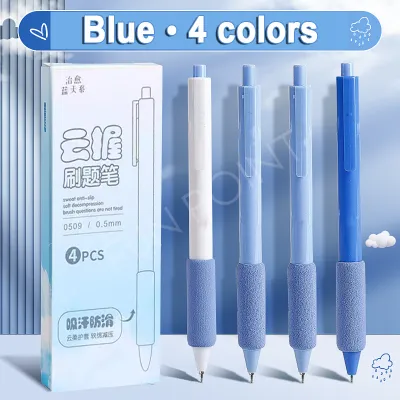
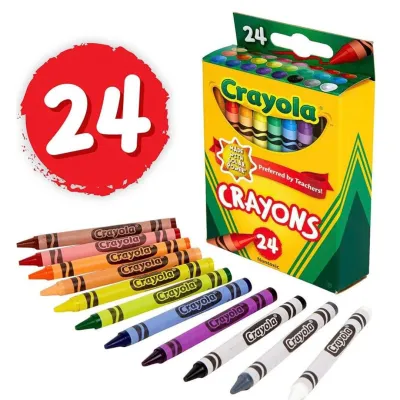
Prices are valid at publication and may change. Please refer to the product page for the latest price.
Completeness is another critical factor to consider. A comprehensive kit should allow a student to complete a standard school art project from start to finish without requiring immediate, separate purchases. This means the set should include not only the primary coloring agents but also the necessary preparation and cleanup accessories, such as sharpeners, erasers, and mixing palettes. Having all these tools housed in a single container helps students stay organized and reduces the likelihood of losing individual items at school.
Dry media, such as colored pencils, crayons, and oil pastels, form the foundation of most elementary art projects. A high-quality kit will feature dry tools with rich pigmentation and smooth laydown, allowing children to color vibrant areas without needing to apply excessive pressure. Wet media, primarily watercolors, should be easy to activate with water and offer clear, blendable colors that do not turn muddy when mixed on a palette.
Finally, the design and durability of the carrying case are paramount for daily school transport. In the Philippines, students often commute via public transport or carry heavy backpacks, meaning the art case must be robust enough to withstand impact. Look for cases made of thick, impact-resistant plastic or reinforced vinyl with secure, easy-to-operate latches. The interior should feature snug, molded compartments that keep each tool firmly in place, preventing items from rattling around, breaking, or spilling during transit.
Essential Tools to Look for in a Comprehensive Kit
To ensure your child is fully prepared for any classroom assignment, a comprehensive art set should contain a specific checklist of essential tools. Having these items pre-packaged in a single kit saves time and ensures compatibility between different mediums and accessories.

Dry Media Essentials
For dry media, the kit should include a reliable selection of crayons, colored pencils, and oil pastels. When evaluating these items, check the product packaging for indicators of break resistance. Colored pencils should have thick, centered cores that do not fracture easily when sharpened. Crayons should be formulated with a high-quality wax binder that resists melting or softening in warm tropical temperatures. Oil pastels should offer a creamy texture that allows for smooth blending and layering, which is a common technique taught in middle and upper elementary art classes.
Wet Media Essentials
For wet media, watercolor pans are highly preferred over tubes for school use due to their portability and low risk of messy spills. Look for a set that includes at least 12 distinct watercolor cakes housed in a sturdy tray. The kit must also provide appropriately sized paintbrushes, ideally with synthetic bristles that retain their shape and do not shed during use. A round brush in size 4 or 6 is highly versatile for both detail work and broad washes. Additionally, a built-in mixing palette, often integrated into the lid of the carrying case, is essential for teaching children how to mix and dilute colors.
Crucial Accessories
Accessories are often the most overlooked part of an art set, yet they are vital for completing projects. Ensure the kit includes a pair of blunt-tip safety scissors that can easily cut through construction paper without posing a cutting hazard to fingers. A non-toxic, washable glue stick is preferred over liquid glue, as it dries faster and is less likely to ruin paper or spill inside the case. A manual pencil sharpener with an integrated shavings catcher is a must-have to keep desks clean, and a soft vinyl or dust-free eraser should be included to correct pencil sketches without tearing the paper.
Paper Compatibility and Integration
While some art sets include a small sketchpad, many do not. It is important to verify whether the kit contains drawing paper and, if so, what weight it is. Standard copy paper is generally too thin for wet media and will buckle or bleed. For a successful art class experience, ensure your child has access to drawing paper or a sketchbook with a minimum weight of 120 gsm for dry media, and at least 200 gsm if they will be using watercolors. If the kit does not include suitable paper, you will need to source a compatible sketchbook separately.
Matching the Art Set to Your Child's Grade Level
As children grow, their motor skills develop, and their school art curriculums become more complex. An art set that is perfect for a Grade 1 student will likely frustrate a Grade 6 student, while an advanced kit may overwhelm a younger child. Matching the kit to your child’s grade level ensures they have the right tools for their developmental stage.
Early Elementary (Grades 1-2)
For children in early elementary school, the focus should be on physical comfort, ease of use, and easy cleanup. Look for art sets that feature jumbo-sized crayons and triangular-shaped colored pencils. These larger, ergonomic shapes are easier for developing hands to grip and help promote the proper tripod grasp. Markers in these kits should feature broad, conical tips that can create both thick and thin lines, and they must be highly washable to ensure easy removal from skin and school uniforms. At this stage, complex wet media can be omitted in favor of simple, mess-free dry tools.
Middle Elementary (Grades 3-4)
In middle elementary, students begin to explore more detailed drawing and basic color theory. Art sets for this age group should transition to standard-sized colored pencils and introduce basic watercolor pans. Look for kits that include a wider variety of colors, allowing students to experiment with shading and color mixing. The inclusion of oil pastels is highly beneficial at this stage, as teachers often introduce blending techniques. The carrying case should still be highly durable, but can feature more sophisticated organizational layouts as children learn to take better care of their supplies.
Upper Elementary (Grades 5-6)
By upper elementary, students are tackling more advanced projects that require precision and a broader range of artistic techniques. Look for comprehensive kits that offer specialized tools, such as sketching pencils of varying hardness (such as HB, 2B, and 4B) for shading and drafting. The watercolor section should feature a larger palette of colors and multiple brush sizes, including flat brushes for broad washes and fine-tip round brushes for detail work. Blending stumps, kneaded erasers, and dual-tip markers are also excellent additions that allow older students to execute complex classroom assignments with confidence.
Safety and Quality Checks Before You Buy
Before purchasing any art set for your child, it is essential to perform thorough safety and quality checks. Children handle these materials daily, often coming into direct contact with pigments, binders, and adhesives. Ensuring that these products are safe and non-toxic is the most important step in the selection process.
First, always verify that the art supplies carry recognized non-toxic certifications printed directly on the packaging. Look for safety marks such as the AP (Approved Product) seal from the Art and Creative Materials Institute (ACMI), or the CE mark, which indicates compliance with European safety standards. These certifications guarantee that the toxicological properties of the materials have been rigorously evaluated by experts and are safe for children’s use.
Second, inspect the kit for potential physical hazards. For younger children, ensure that the kit does not contain small, loose accessories that could pose a choking hazard. Check that any included scissors have rounded, blunt tips and plastic-covered blades that protect small fingers while still being sharp enough to cut paper. Avoid kits that include solvent-based adhesives or permanent markers, as these can emit strong fumes and are difficult to clean.
Finally, pay close attention to washability claims. In the warm, tropical climate of the Philippines, students frequently sweat, which can cause pigments from markers, paints, and pastels to transfer onto their hands and school uniforms. Look for labels that explicitly state “washable” or “ultra-washable.” Testing a small sample of the marker or paint on a scrap piece of fabric and washing it with standard laundry soap is an excellent way to verify these claims before your child takes the set to school.
Where to Buy and How to Verify Authenticity
To ensure you are getting a genuine, high-quality product, it is important to purchase your child’s art set from reliable sources. Counterfeit art supplies are common on online platforms, and these substandard products often contain cheap, brittle materials or, worse, toxic chemicals that do not meet safety standards.
Whenever possible, purchase art sets from official brand stores or established physical stationery retailers. If you prefer the convenience of shopping online, look for official flagship stores or authorized distributors on reputable online marketplaces. Avoid third-party sellers offering well-known brands at prices that seem too good to be true, as these are often counterfeit items.
Before making a purchase, take the time to read recent buyer reviews. Look specifically for feedback regarding the condition of the packaging upon arrival. A high-quality seller will package the art set securely to prevent the carrying case from cracking or the internal components from shifting during transit. Pay attention to any complaints about missing items, dried-out markers, or broken pencil tips, as these are common indicators of poor quality control or expired stock.
Once the art set is delivered, perform an immediate inspection before sending it to school with your child. Open the case and check that all latches function smoothly and hold the case securely closed. Test a few markers on a scrap piece of paper to ensure they are not dried out, and inspect the watercolor pans for any deep cracks or crumbling. If you notice any defects, broken seals, or compromised structural integrity, contact the seller immediately for a replacement.
Frequently Asked Questions (FAQ)
How do I keep watercolor pans from drying out in the kit?
To prevent watercolor pans from cracking or crumbling, always allow them to air-dry completely before closing the carrying case. Closing a wet kit can trap moisture, leading to mold growth on the paper components and softening the case. Store the art set in a cool, dry place away from direct sunlight, as extreme tropical heat can degrade the binders in the paint. If a watercolor pan does dry out and crack over time, you can easily revive it by applying a few drops of clean water and letting it sit for a minute before painting.
Are oil pastels and crayons the same thing?
No, oil pastels and crayons are functionally different mediums with distinct characteristics. Standard crayons are made from a mixture of paraffin wax and color pigments, resulting in a harder texture that is excellent for clean lines and detailed coloring. Oil pastels, on the other hand, are made with a non-drying oil and wax binder, giving them a much softer, creamier consistency. This creamy texture allows oil pastels to be easily blended, layered, and scraped on paper, making them ideal for expressive, painterly techniques in older grade levels.
Community discussion
Share your experience or ask a question. Comments are reviewed before publication.