
Adding a centerpiece to a ribbon bow transforms a simple package or decorative accent into a bespoke work of art. Whether you are wrapping a high-end gift, preparing party favors for a tropical celebration, or designing custom stationery, the right center piece for ribbon acts as the visual anchor of your design. Choosing the ideal embellishment requires balancing aesthetic appeal with structural compatibility. By understanding how different materials interact with various ribbon fibers, you can create secure, stunning bows that maintain their shape and elegance.
Exploring Centerpiece Options for Ribbon Bows
Centerpieces serve both a decorative and functional role, often concealing the central wire or thread used to bind the bow loops together. When selecting an embellishment, crafters generally choose between manufactured elements—such as polished metal, glass, or plastic—and natural-looking elements like dried flora or wooden shapes. Manufactured pieces offer high durability and uniform dimensions, making them excellent for formal or modern designs. Natural-looking elements, on the other hand, provide organic textures and a softer, more relaxed aesthetic, though they can be more delicate and susceptible to environmental factors like high humidity.
Brooches and Jewelry Elements
Brooches, vintage jewelry pieces, and rhinestone buttons add a luxurious, reflective quality to bows. Because these items are typically made of metal, glass, or heavy plastics, they possess significant weight. This makes them best suited for wide, stiff ribbons such as heavy grosgrain, thick satin, or wired-edge ribbons that can support the load without collapsing.
Products mentioned in this guide
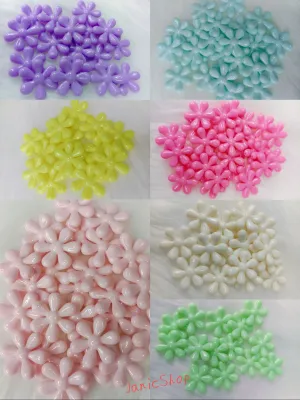
Prices are valid at publication and may change. Please refer to the product page for the latest price.
Before attaching a brooch, always inspect the back. Look for secure pin clasps or flat, smooth bases. If the piece has sharp edges or an exposed pin, it can easily snag delicate ribbon fibers like silk or organza. These jewelry elements are ideal for formal events, weddings, or premium gift wrapping where a dramatic, sophisticated presentation is desired.
Artificial and Dried Flowers
For a romantic, rustic, or whimsical aesthetic, floral centerpieces are highly effective. When working with flowers, weight is a critical consideration. Lightweight silk, paper, or foam flowers are preferred because they do not weigh down the bow loops. If you choose dried flowers, such as lavender or mini daisies, ensure they are fully cured and handled gently to prevent shedding.
Before securing the flower, trim the stem as close to the base of the bud as possible, leaving just enough structure to hold the petals together. Apply a small dab of adhesive to secure any loose outer petals. Floral centerpieces are exceptionally well-suited for spring-themed gifts, baby showers, or rustic packaging utilizing natural fibers.
Beads, Pearls, and Charms
Small, delicate embellishments like pearls, seed beads, and metallic charms offer a highly customizable and intricate look. Instead of using a single tiny bead, which can get lost in the folds of the ribbon, group these smaller items together to create a cohesive, eye-catching focal point. You can arrange them in clusters, floral patterns, or geometric shapes.
Securing smooth, rounded surfaces like pearls requires careful planning; standard craft glues often fail to grip the non-porous exterior. Using strong, flexible adhesives or fine-gauge floral wire wrapped around the center knot ensures these elements stay in place. This category is perfect for adding subtle texture and a touch of elegance without adding excessive bulk or weight to the bow.
Seasonal and Themed Embellishments
Novelty items—such as miniature holiday ornaments, painted wooden shapes, or themed metal charms—allow you to tailor your gift wrapping to specific occasions. When selecting these items, look for pieces that feature a completely flat back or a built-in, easy-to-attach loop. This structural feature ensures the embellishment sits flush against the ribbon knot rather than tilting awkwardly.
It is also important to balance bright colors and playful shapes with the ribbon’s pattern; a busy ribbon paired with an equally complex novelty centerpiece can look cluttered. These themed embellishments are best for holiday gifts, children’s birthday presents, and custom party favors.
How to Match the Centerpiece to Your Ribbon and Project
Achieving a professional finish depends on matching the physical properties of your centerpiece to the characteristics of your ribbon. The primary factor to evaluate is the ribbon’s width and weight capacity. A narrow ribbon (under 15mm) lacks the surface area and structural integrity to support heavy embellishments like metal brooches or large glass beads; attempting this pairing will cause the bow loops to sag, distorting the entire design. Conversely, a wide ribbon (38mm or larger) can easily accommodate larger, heavier centerpieces.

Texture coordination is equally vital. Smooth, lustrous ribbons like double-faced satin pair beautifully with polished pearls, rhinestones, and metallic elements, creating a clean, high-contrast look. For rustic or textured ribbons, such as burlap, linen, or local abaca fibers, natural centerpieces like dried flowers, wooden shapes, or matte ceramic beads harmonize with the organic feel of the material.
In tropical climates like the Philippines, high humidity can affect both the stiffness of certain ribbons (especially paper or starch-stiffened fabrics) and the curing process of adhesives. When crafting in humid conditions, opt for synthetic ribbons like polyester satin or grosgrain, which resist moisture absorption, and pair them with lightweight, non-porous centerpieces that will not droop.
Color contrast and event theme should guide your final selection. For a subtle, sophisticated look, choose a centerpiece in a monochromatic shade close to the ribbon’s color, relying on texture differences (such as a matte wooden star on a shiny satin ribbon) for visual interest. For festive or high-energy events, high-contrast pairings—such as a bright gold charm on a deep forest green ribbon—create a striking focal point.
Finally, always perform a physical check of the centerpiece’s backing. Run your finger gently along the rear surface to identify any sharp metal burrs, rough plastic seams, or exposed wire ends. If any are present, sand them down or apply a protective barrier, such as a small circle of felt, to prevent the centerpiece from snagging and fraying the delicate woven fibers of your ribbon.
Attaching and Securing Your Bow Centerpiece
Securing your centerpiece requires selecting the correct adhesive or mechanical fastener based on the materials involved. Hot glue is highly popular for its rapid set time and strong bond on porous surfaces like fabric, wood, and paper. However, hot glue can become brittle over time or soften in extreme tropical heat, and it can leave unsightly strings on delicate ribbons. For non-porous materials like glass, metal, or smooth plastics, a flexible, high-strength craft adhesive or jewelry glue is more reliable. Glue dots offer a clean, instant, and temporary hold, making them ideal for gifts where the recipient might want to salvage the centerpiece or ribbon afterward.
For heavy or awkwardly shaped items, mechanical fastening with fine-gauge floral wire or clear monofilament thread is often superior to adhesive alone. Thread the wire through the loop of a charm or the pin back of a brooch, wrap it tightly around the center knot of the bow, and twist it securely at the back, tucking the sharp wire ends inward to prevent scratches.
Before attaching any heavy centerpiece, you must reinforce the bow’s center knot. A loose knot will shift under the weight of an embellishment, causing the bow loops to lose their symmetry. Tie the center knot tightly with a secondary piece of wire or strong thread before applying the decorative centerpiece.
To protect delicate fabrics like silk, organza, or fine satin from adhesive bleed-through or permanent damage, glue a small piece of matching felt or stiff fabric to the back of the centerpiece first. This felt backing acts as a buffer, distributing the weight evenly and preventing the wet glue from seeping through the ribbon fibers.
Always perform a test on a scrap piece of ribbon before applying adhesive to your final project. Observe how the glue reacts with the fabric—check for staining, stiffening, or fiber melting. If you notice the ribbon beginning to fray, tear, or discolor during the attachment process, stop immediately. You may need to switch to a mechanical fastening method, use a different adhesive, or consult a professional crafter for specialized materials.
Comparing Popular Centerpiece Types for Quick Selection
To help you quickly determine the best combination for your next crafting project, we have summarized the key characteristics of the most common centerpiece types. Selecting the right pairing ensures your bow remains structurally sound and visually appealing throughout its use.
| Centerpiece Type | Ideal Ribbon Width | Relative Weight | Best Attachment Method | Recommended Ribbon Fabric |
|---|---|---|---|---|
| Brooches & Jewelry | 38mm and wider | Heavy | Floral wire or safety pin | Grosgrain, heavy satin, wired ribbon |
| Artificial Flowers | 25mm to 50mm | Light to Medium | Hot glue or floral wire | Satin, organza, burlap, abaca |
| Pearls & Beads | 15mm to 38mm | Light | Jewelry glue or fine wire | Satin, grosgrain, velvet |
| Themed Charms | 15mm to 50mm | Medium | Glue dots or jump rings | Grosgrain, cotton, linen |
For beginners or general gift wrapping, lightweight artificial flowers and flat-backed pearls are the most versatile and forgiving options. They require minimal structural reinforcement and adhere easily with standard craft adhesives.
Keep in mind that heavy metal or glass pieces have strict structural limitations. If paired with thin, flexible ribbons without proper backing, they will inevitably sag, turning an elegant bow into a droopy, untidy accent. Always ensure your ribbon choice matches the physical demands of your chosen centerpiece.
Frequently Asked Questions (FAQ)
Can I use a heavy metal brooch on a thin satin ribbon?
Using a heavy metal brooch directly on thin satin ribbon is generally not recommended because the delicate, lightweight fabric lacks the structural integrity to support the weight. The brooch will cause the ribbon to sag, pull, or even tear the fine woven fibers. If you must use this combination, you can reinforce the ribbon by gluing a small, stiff piece of felt or cardstock to the back of the ribbon knot. This backing distributes the weight of the brooch across a larger surface area, preventing the satin from drooping or distorting. Alternatively, switching to a wider, stiffer ribbon like grosgrain or a wired-edge satin will provide the necessary support naturally.
What is the best adhesive for attaching smooth beads to a ribbon bow?
Smooth, non-porous surfaces like plastic beads or glass pearls can be challenging to secure because standard water-based craft glues cannot grip the slick exterior. For a permanent bond, a flexible, solvent-based jewelry adhesive or a high-quality polyurethane glue is highly effective. Hot glue can work for quick applications, but it may peel off smooth surfaces if subjected to tension or temperature changes. To improve adhesion, you can lightly scuff the contact point on the back of the bead with fine-grit sandpaper to create a textured surface for the glue to grip. For temporary or light-duty holds, double-sided glue dots offer a clean, mess-free alternative.
How do I prevent a glued centerpiece from falling off over time?
To ensure a long-lasting bond, proper surface preparation is essential. Before applying any adhesive, clean the back of the centerpiece with a dry microfiber cloth or a small amount of rubbing alcohol to remove dust, oils, or manufacturing residues that can interfere with the glue’s adhesion. For heavier or high-value centerpieces, relying solely on glue can be risky, especially in warm, humid environments. Combining adhesive with a secondary mechanical fastener—such as wrapping a fine wire around the centerpiece and threading it through the bow’s knot—provides dual-layer security that prevents the embellishment from detaching over time.
Community discussion
Share your experience or ask a question. Comments are reviewed before publication.