
In the high-humidity environment of the Philippines, clear adhesive tapes with a Biaxially Oriented Polypropylene (BOPP) backing paired with an acrylic-based adhesive generally offer the most reliable, long-term performance. While rubber-based adhesives provide high initial tack, they tend to soften and degrade when exposed to persistent moisture and tropical heat. Selecting the right tape requires matching the backing material and adhesive formulation to your specific application, whether you are sealing shipping boxes during the rainy season or organizing office documents in non-air-conditioned spaces. By understanding how environmental factors interact with tape chemistry, you can avoid peeling, lifting, and sticky residue.
How High Humidity Affects Clear Adhesive Tape Performance
Water vapor in the air can settle on surfaces as a microscopic film, creating a barrier that prevents adhesive tape from establishing a secure bond. When you apply tape in a humid environment, this moisture layer interferes with the adhesive’s ability to wet out the surface, which is the process of the adhesive spreading and making intimate contact with the substrate. This issue is particularly pronounced on non-porous surfaces like plastic, glass, and metal, where moisture cannot easily escape or be absorbed by the material.
On porous surfaces like cardboard, paper, and wood, high humidity presents a different challenge by softening the fibers of the substrate itself. When the fibers absorb moisture, they lose their structural integrity, making them more prone to tearing or delaminating under the tension of the tape. This means that even if the adhesive bonds well to the top layer of fibers, the joint can still fail because the damp fibers underneath pull away from the rest of the material.
Products mentioned in this guide
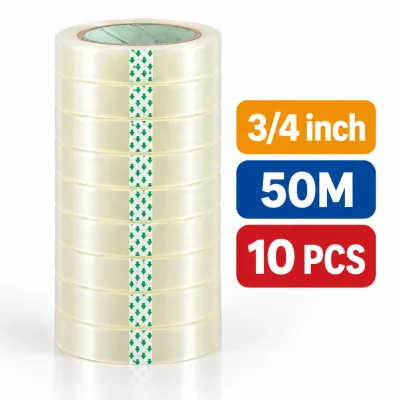
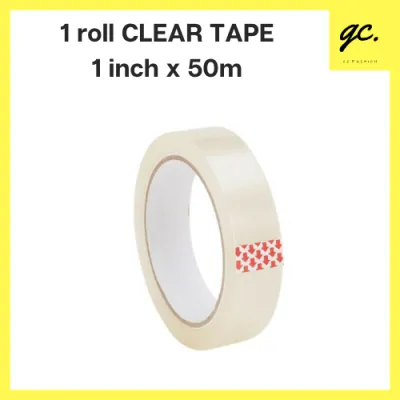
77 Lazada user ratings
Clear tape, doesn't obstruct visibility, Durable and long-lasting, Versatile for office and school use, Convenient size for various applicat…Read full reviewShow less
Clear tape, doesn't obstruct visibility, Durable and long-lasting, Versatile for office and school use, Convenient size for various applications,
This is crocodile brand tape for a great price. it is exactly as expected. It was packed well and delivered quickly.
Doesn't leave residue, Versatile for office and school use, Clear tape, doesn't obstruct visibility,
Quality: Ease of Use: Appearance:item is complete legit seller salamat po...
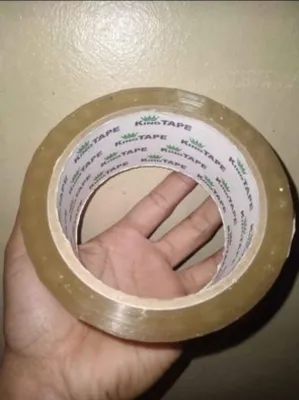
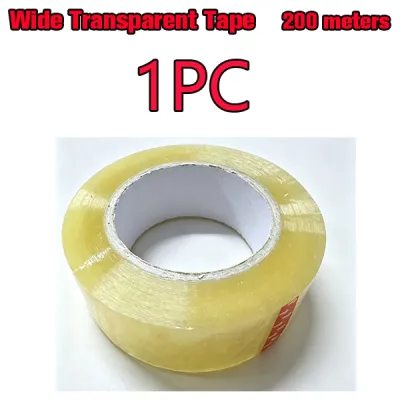
Prices are valid at publication and may change. Please refer to the product page for the latest price.
Tropical temperatures often work in tandem with humidity to accelerate the degradation of certain adhesives. Heat causes many adhesive compounds to soften, lose their cohesive strength, and slide or “creep” under load. This leads to lifting edges, bubbling, and a sticky, messy residue when the tape is eventually peeled off. In typical indoor settings without continuous air conditioning, or in outdoor environments, this thermal softening can cause standard tapes to fail rapidly.
Under damp conditions, a tape that feels highly sticky immediately upon application may fail within days or weeks as moisture slowly penetrates the bond line. Long-term structural integrity requires an adhesive that resists water absorption and maintains its bond even when exposed to continuous atmospheric moisture. Understanding this distinction between temporary hold and long-term durability is essential when selecting tape for archiving, storage, or shipping.
Comparing Clear Tape Backing Materials for Moisture Resistance
Biaxially Oriented Polypropylene (BOPP) is the industry standard for many packaging and heavy-duty clear tapes. The manufacturing process stretches the polypropylene film in two directions, which significantly increases its tensile strength, clarity, and resistance to moisture. BOPP acts as an excellent barrier against water vapor, meaning moisture cannot easily penetrate the backing to weaken the adhesive underneath. It is highly stable under typical tropical temperature fluctuations, making it suitable for both indoor storage and transit.

Polyvinyl Chloride (PVC) is another common backing material, often preferred for its exceptional flexibility and conformability. PVC tape can stretch slightly to fit irregular surfaces, and it offers strong resistance to moisture, acids, and alkalis. However, PVC can be more sensitive to prolonged heat exposure than BOPP, sometimes becoming brittle or overly soft depending on the plasticizers used in its manufacturing. Other plastics, such as standard polyester (PET), offer high tensile strength and heat resistance but may be less common for everyday clear office tapes.
Traditional cellulose-based backings, often used in classic office stationery tapes, are highly susceptible to moisture. Cellulose is a natural polymer derived from wood pulp, meaning it naturally absorbs water from the air. In high humidity, cellulose tape can swell, lose its clarity, turn yellow, and become brittle. While excellent for dry, indoor office tasks, cellulose-backed tapes are generally unsuitable for environments where humidity levels fluctuate or remain consistently high.
When evaluating clear tapes, look closely at the technical specifications on the packaging or product data sheets. Key metrics include backing thickness (usually measured in mils or microns) and tensile strength (the force required to break the tape). For humid environments, a thicker backing (such as 2.0 mils or higher for packaging) generally provides better structural support and resists curling. Check for explicit mentions of water resistance or moisture vapor transmission rates (MVTR) if you are selecting tape for critical sealing tasks.
Choosing the Right Adhesive Formulation for Damp Conditions
Acrylic-based adhesives are synthetic polymers formulated to resist oxidation, UV light, and moisture. They are highly stable over time and do not yellow or degrade easily when exposed to sunlight or humid air. While acrylic adhesives may have a lower initial “grab” or tack compared to rubber, they build a stronger, more permanent bond over 24 to 48 hours. This makes them highly suitable for long-term archiving, labeling, and sealing packages that may sit in humid warehouses.
Rubber-based adhesives can be made from natural or synthetic rubber. They are known for their high initial tack, meaning they stick instantly and aggressively to a wide variety of surfaces, including recycled cardboard. However, rubber-based adhesives are highly susceptible to aging, UV exposure, and moisture. In a humid, warm climate, the rubber compound can soften, lose its cohesive strength, and break down, leading to adhesive transfer (leaving a sticky residue) or complete bond failure.
Within the acrylic category, solvent-based acrylic adhesives offer the highest resistance to moisture and temperature extremes. Water-based (emulsion) acrylic adhesives are more common and cost-effective, but they can sometimes re-emulsify or soften slightly when exposed to direct water contact or extreme humidity over long periods. For demanding applications, verifying whether the tape uses a solvent-based acrylic adhesive can provide an extra layer of security.
To ensure compatibility with tropical conditions, inspect the product label for climate-specific ratings. Look for terms like “all-weather,” “moisture-resistant,” or temperature range specifications. Many manufacturers provide surface compatibility charts indicating whether the tape is designed for cardboard, plastics, or general office paper. If the packaging does not specify humidity tolerance, look for an acrylic adhesive designation as a reliable indicator of moisture resistance.
How to Test and Apply Clear Tape in Humid Environments
Before committing to a large project or purchasing tape in bulk, conduct a simple, localized adhesion test. Apply a small strip of the tape to your target surface under normal indoor conditions. Let it sit for 24 hours, then check for lifting edges, bubbling, or sliding. Gently peel a corner to observe if the adhesive lifts cleanly or if it has bonded securely to the substrate, which helps you verify the compatibility of that specific tape and surface combination.
Proper application is critical in humid climates. Even the best moisture-resistant tape will fail if applied to a damp or dirty surface. Before applying tape, wipe the surface with a clean, dry microfiber cloth to remove microscopic condensation, dust, and oils. If the surface can tolerate it, a quick wipe with isopropyl alcohol can help dry the area completely and remove oily residues, ensuring maximum contact between the adhesive and the surface.
Apply firm, even pressure along the entire length of the tape using a squeegee, roller, or your hand to activate the pressure-sensitive adhesive and force out any trapped air bubbles. This pressure is essential because it forces the adhesive to flow into the microscopic valleys of the surface, creating a stronger mechanical bond. Once applied, allow the tape a “dwell time” of at least 24 hours before subjecting it to heavy stress, loads, or extreme environmental exposure.
Unused tape rolls must be stored correctly to preserve their adhesive properties. Keep your tape in a cool, dry place, ideally in an airtight container or a resealable plastic bag if your storage area is not air-conditioned. Avoid leaving tape rolls in direct sunlight, near windows, or in hot vehicles, as heat and humidity can cause the adhesive on the roll edges to degrade, bleed, or cause the roll to telescope (where the layers slide sideways).
Frequently Asked Questions (FAQ)
Does clear tape leave residue when exposed to high heat and humidity?
Yes, clear tape can leave a sticky residue, particularly if it uses a rubber-based adhesive. Under high heat and humidity, the rubber compound softens and loses its internal cohesion, causing the adhesive to split when the tape is peeled away—leaving half of the sticky substance on the surface. Acrylic-based tapes are much more stable and are less likely to leave residue, though prolonged exposure to extreme conditions can still cause some adhesive transfer. To safely remove residue from common office or home surfaces, try gently rubbing the area with a small amount of isopropyl alcohol, eucalyptus oil, or a dedicated adhesive remover, testing a small, inconspicuous area first to ensure it does not damage the surface material.
Can I use standard office clear tape for sealing packages in the rainy season?
Standard office clear tape, which is often thin and uses light-duty acrylic or cellulose backings, is generally not recommended for sealing shipping packages during the rainy season. The high humidity can soften corrugated cardboard boxes, and standard office tape lacks the tensile strength and adhesive thickness to hold flaps secure under these conditions. For reliable shipping during wet months, choose a heavy-duty BOPP packaging tape with a minimum thickness of 2.0 mils and a moisture-resistant acrylic adhesive. Ensure the box surfaces are completely dry and free of dust before application, and apply firm pressure to seal the seams securely.
Community discussion
Share your experience or ask a question. Comments are reviewed before publication.