
Identifying the most suitable Crayola crayon variant for your DIY projects requires matching the tool to your specific craft application, paper type, and user needs. Whether you are designing handmade greeting cards, building scrapbook layouts, or organizing children’s art activities, selecting the right line depends on evaluating manufacturer specifications, observable texture results, and practical handling features rather than assuming all crayons perform identically across different mediums. Each variant possesses a distinct wax formulation, hardness level, and delivery mechanism that dictates how the pigment adheres to various surfaces, especially under different environmental conditions.
By understanding these physical properties, you can avoid common crafting frustrations such as paper tearing, poor color payoff, or premature smudging. Taking the time to assess your project requirements before purchasing ensures that your finished pieces maintain their visual appeal and structural integrity over time.
How to Match Crayola Crayon Lines to Your Craft Needs
Selecting the right crayon formulation begins with a close examination of your craft surface. Paper texture and weight play a critical role in how wax adheres to the fibers. Porous, uncoated papers like construction paper, sketchpad sheets, and matte cardstock provide an excellent “tooth” that easily shears off standard crayon wax, resulting in rich, even color. Conversely, coated, glossy, or heavily textured handmade papers can resist standard wax transfer, requiring either a softer formulation or a specialized application technique to achieve satisfactory coverage.
Products mentioned in this guide
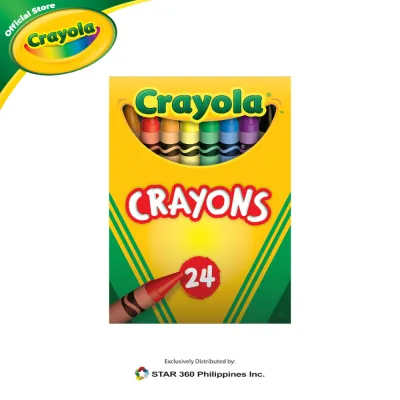
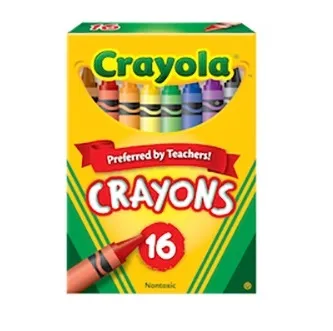
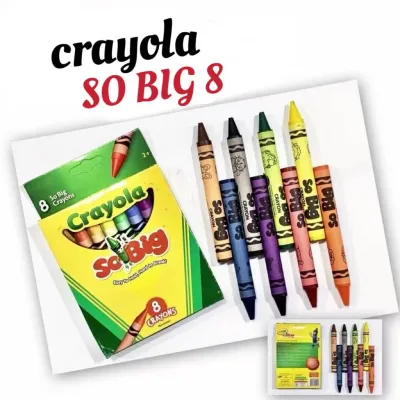
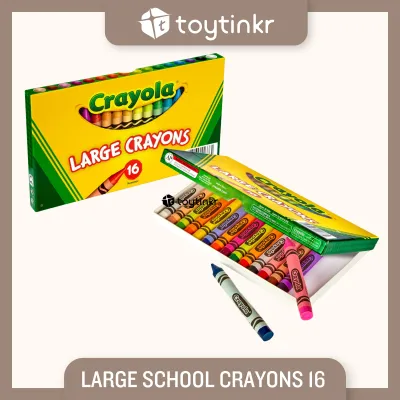
Prices are valid at publication and may change. Please refer to the product page for the latest price.
Beyond the surface material, the desired visual effect of your DIY project should guide your selection. If your design calls for deep, opaque coverage or bold outlines, you will need a crayon line with high pigment density. For projects that require subtle shading, color layering, or gradient transitions, look for variants that allow for smooth blending without excessive wax buildup. Decorative accents, such as highlighting borders on scrapbooks or adding shimmer to holiday cards, are best served by specialty lines formulated with reflective additives.
User ergonomics and physical handling are equally important considerations, particularly when crafts involve different age groups. Standard crayon barrels are designed for general use but can break under heavy pressure, making them less ideal for individuals still developing fine motor skills. Jumbo and large-sized crayons provide a sturdier grip and a broader contact point, which helps prevent breakage during enthusiastic coloring. For older children, teens, and adults working on intricate designs, mechanical twistable options offer a consistent, fine tip and a protective plastic casing that shields the wax core from hand warmth and pressure.
Finally, environmental factors like ambient temperature and humidity can influence how wax behaves during application. In tropical climates, such as in the Philippines, high humidity can affect paper moisture levels, while elevated temperatures can soften crayon wax. Choosing a crayon line with a melting point and structural design suited to your local environment helps ensure consistent performance and prevents the wax from becoming overly soft or sticky during detailed work.
Evaluating Classic and Specialty Crayola Variants
Classic and Jumbo Crayons
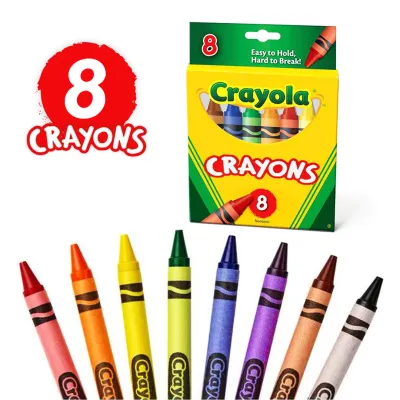
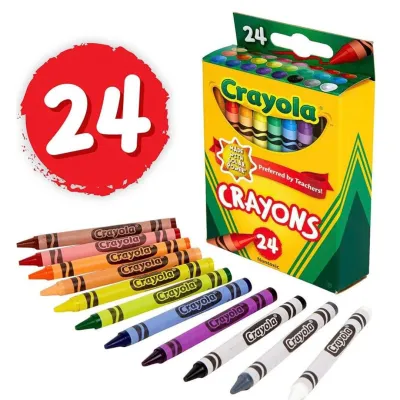
Classic Crayola crayons utilize a traditional paraffin wax composition designed to deliver reliable color on standard drawing paper. These crayons are characterized by their paper-wrapped barrels and pointed tips, making them highly suitable for broad strokes, coloring books, and foundational children’s art projects. When evaluating these for DIY crafts, check the manufacturer labels to confirm standard sizing and wax properties, as these traditional options perform best on medium-weight, porous papers where high-pressure application is not required.

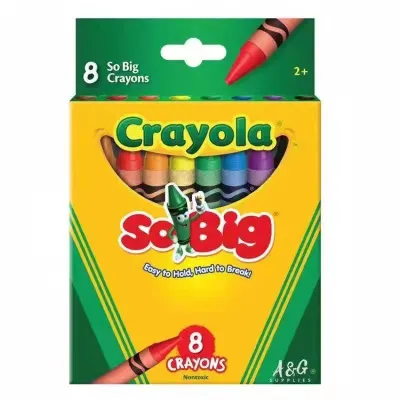
Jumbo variants offer the same reliable wax formulation but feature a significantly thicker barrel. This design is specifically engineered to accommodate a child’s palmar grasp, reducing hand fatigue and minimizing the risk of the crayon snapping in half. While classic and jumbo crayons are excellent for filling in large areas of color, they are less suited for detailed line work or non-porous surfaces, as the standard wax can flake or slide if applied to slick, coated cardstock.
Twistable Crayons
Twistable crayons feature a clear plastic barrel with a rotary mechanism at the base, allowing the user to advance the wax core as it wears down. This no-sharpening design is highly advantageous for travel kits, on-the-go crafting, and detailed line work where maintaining a precise tip is essential. The rigid plastic casing provides excellent structural support, preventing the inner wax core from breaking even when subjected to firm writing pressure.
Because the wax core is shielded from direct hand contact, Twistables remain clean and easy to handle, making them a preferred choice for intricate card-making and detailed scrapbooking layouts. However, the wax formulation in Twistables is often slightly harder than that of classic crayons to accommodate the mechanical advance system. This hardness means they may require slightly more pressure to achieve deep color saturation, and they are generally less suited for projects that require extensive blending or wax-melting techniques.
Metallic and Glitter Variants
For projects that require a touch of shimmer, metallic and glitter crayons offer unique visual properties. Metallic crayons are formulated with fine, light-reflective pigments that create a subtle, pearlescent sheen, which is particularly striking when applied to dark or black craft paper. Glitter crayons, on the other hand, contain actual glitter particles embedded within the wax, producing a textured, sparkling effect as the crayon is drawn across the page.
When using these specialty variants, review the packaging instructions to verify their intended opacity and performance on dark surfaces. It is important to note the physical texture differences during application; glitter crayons can feel slightly scratchy on paper and may leave a textured residue, whereas metallic crayons glide smoothly. These characteristics make metallic variants excellent for elegant borders and hand-lettered accents, while glitter crayons are ideal for high-contrast, playful highlights in scrapbooks and festive decorations.
Gel and Effects Crayons
Gel crayons represent a softer, highly pigmented formulation that behaves quite differently from traditional wax. These crayons glide effortlessly across a wide variety of surfaces, including smooth, coated, and dark papers, leaving behind a rich, paint-like layer of color. Their soft consistency makes them highly blendable, allowing crafters to smear and layer colors with their fingers or a damp brush to create watercolor-like transitions and mixed-media backgrounds.
Before committing gel crayons to a final design, examine the product specifications for drying times and application properties, as their soft nature makes them more prone to smudging immediately after application. Conducting a preliminary test on a scrap piece of your project paper will help you observe how the gel formula interacts with other media, such as ink pens or adhesives. This step is crucial for layered paper designs, ensuring that subsequent elements can be securely attached without sliding off the wax barrier.
Practical Checks Before Buying and Using Craft Crayons
Ensuring a successful crafting experience involves performing several practical checks before purchasing and applying your crayons to a final project. First, always read the product packaging carefully to verify age recommendations, non-toxic certifications (such as the AP seal from the Art and Creative Materials Institute), and any specific choking hazard warnings. These safety checks are especially important when organizing craft activities for young children, where small broken pieces or detachable parts could pose a risk.
Because characteristics like smoothness, bleed resistance, drying speed, water resistance, and erasability depend entirely on the exact combination of the crayon wax and your chosen paper, you should establish clear, observable trial criteria using a scrap piece of your project paper. Draw a solid block of color to check for smoothness and wax flaking, and run a clean finger over the mark to evaluate drying speed and smudging potential. If your DIY project involves water-based adhesives or paints, brush a small amount over the crayon stroke to verify its water resistance and ensure the pigment does not bleed into surrounding areas.
Additionally, proper storage is vital for preserving the quality of your craft supplies, particularly in warm, humid environments. High temperatures can cause crayon wax to soften, warp, or sweat, which degrades the structural integrity of the crayon and can lead to messy application. To prevent this, check the manufacturer’s storage guidelines and keep your crayons in a cool, dry place away from direct sunlight, ensuring they remain firm and ready for your next creative endeavor.
Sourcing Crayola Craft Supplies in the Philippines
When sourcing Crayola craft supplies in the Philippines, prioritizing authorized retailers, official brand stores on major e-commerce platforms, and established local stationery shops is the most reliable way to ensure you receive authentic products. Purchasing from reputable sources protects you from counterfeit items, which often use inferior wax formulations, lack proper non-toxic certifications, and suffer from poor pigment transfer. Authentic products guarantee consistent performance, ensuring your craft projects turn out exactly as planned.
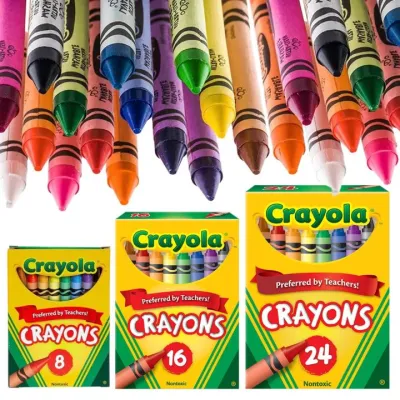
To manage your crafting budget effectively, compare different packaging options such as bulk boxes, multi-packs, and specialized theme sets against your specific project requirements. While a large classic set of 64 or 120 colors is highly cost-effective for general coloring and multi-user activities, purchasing smaller, targeted specialty packs—such as metallic or glitter sets—is often more practical for focused DIY projects like scrapbooking or card-making. This approach allows you to acquire the exact color palette and effects you need without paying for unused standard shades.
Finally, always verify the seller’s return and replacement policies before finalizing your purchase, especially when ordering online. Due to the warm transit conditions often experienced during shipping in tropical regions, wax-based products can occasionally suffer from heat damage or broken tips before they reach your doorstep. Inspecting the packaging and the condition of the crayons immediately upon delivery allows you to address any transit-related issues promptly, ensuring your supplies are in perfect working order before you begin your project.
Frequently Asked Questions (FAQ)
Can I use regular Crayola crayons for encaustic or melted wax crafts?
Standard Crayola crayons are formulated primarily for drawing and coloring at room temperature, utilizing a specific blend of paraffin wax and pigments that differs from professional encaustic mediums. Professional encaustic paints are typically made from beeswax and damar resin, which provide a durable, archival finish and a higher melting point suitable for layering and fusing with heat.
If you choose to attempt melted wax crafts or canvas melting projects using standard crayons, always consult the manufacturer’s safety guidelines first. Ensure you work in a well-ventilated area, use heat-safe tools, and maintain low, controlled temperatures to avoid overheating the wax. Stop the process immediately if you detect any unusual fumes, smoke, or unexpected chemical reactions, as overheating standard crayons can degrade the pigments and release unpleasant odors.
How do I remove crayon marks from craft mats or non-porous surfaces?
Accidental crayon marks on self-healing craft mats, plastic tables, or other non-porous work surfaces can be cleaned relatively easily if addressed promptly. Begin by using a flat, dull plastic tool, such as an old gift card or a plastic scraper, to gently scrape away any raised or excess wax buildup from the surface, taking care not to gouge the material beneath.
Once the excess wax is removed, apply a mild solution of warm water and dish soap to a soft cloth or sponge and rub the area in a circular motion to dissolve the remaining residue. For stubborn wax stains, you can use a small amount of household vegetable oil or a specialized adhesive remover on a cloth to break down the wax binders. Always test any cleaning solvent or abrasive sponge on a small, hidden area of your craft mat first to ensure it does not cause permanent discoloration or damage the surface grid lines.
Community discussion
Share your experience or ask a question. Comments are reviewed before publication.