
Customizing a postcard bridges the gap between digital convenience and tangible sentiment. In the Philippines, where personal connections and milestone celebrations are deeply cherished, selecting the right postcard style depends on matching the visual design, paper texture, and writing medium to the specific tone of the event. Whether you are celebrating a grand wedding, sending warm holiday wishes across provinces, or writing a heartfelt thank-you note, the physical properties of your postcard must support both your aesthetic vision and the practical demands of the local climate and postal system.
Quick Guide to Matching Postcard Styles to Occasions
Customized postcards serve as versatile tools for both intimate personal updates and structured formal announcements. To make an impactful impression, you must align the postcard’s visual style with the expectations of your recipient and the cultural context of the occasion.
When planning your custom order, three primary decision factors should guide your choices:
Products mentioned in this guide
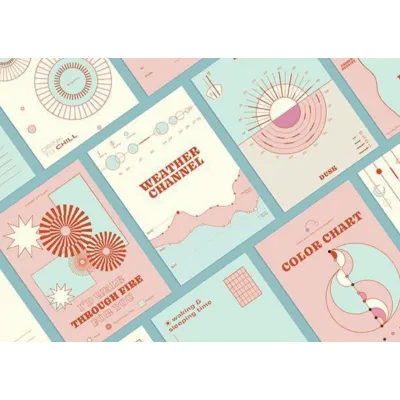
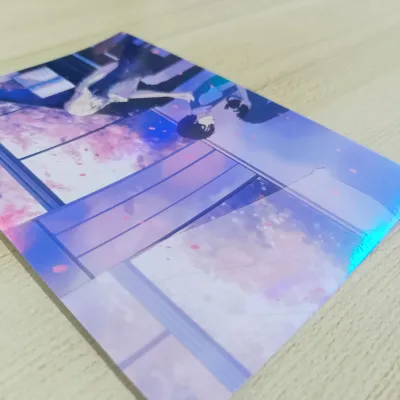
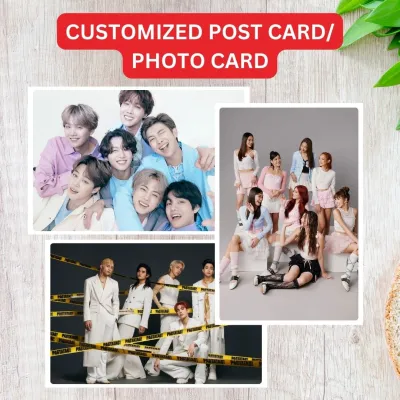
Prices are valid at publication and may change. Please refer to the product page for the latest price.
- Formality Level: Formal events like weddings require structured layouts, classic typography, and premium paper stocks. Casual events like birthdays welcome playful designs, bright colors, and personal photographs.
- Recipient Relationship: A postcard for a close friend can feature informal language and highly personalized imagery. A card intended for a professional contact or an elder relative should lean toward conservative layouts with clear, legible text.
- Customization Variables: The ultimate success of your postcard relies on selecting the right combination of paper weight, surface finish, typography, and imagery. These elements must work together to ensure the card is durable, visually appealing, and easy to write on without ink smudging.
Matching Postcard Designs to Key Occasions
The specific occasion you are celebrating dictates the baseline design rules, color palette, and physical materials of your postcard. Balancing your personal creative touches with the traditional expectations of each event ensures that your message is received with the exact warmth and respect you intend.

Birthdays and Personal Milestones
Personal milestones, such as birthdays and anniversaries, are excellent opportunities to showcase lively, energetic designs. For these celebrations, opt for vibrant color schemes that reflect the joyful nature of the event, paired with playful sans-serif or modern script typography. Photo-centric layouts are highly popular for milestones, allowing you to feature a high-resolution portrait or a collage of shared memories directly on the front of the card.
When printing photos, the choice of paper finish is critical. A glossy or semi-gloss front coating makes colors pop and details appear sharp, which is ideal for photographic prints. However, because glossy surfaces are difficult to write on with standard pens, ensure the back of the postcard remains uncoated. This dual-finish approach gives you a brilliant visual presentation on the front while preserving a smooth, writable surface on the back for your handwritten birthday wishes.
Weddings and Formal Announcements
Matrimonial events and formal announcements require a sophisticated, understated design language. Focus on minimalist layouts that utilize generous negative space, elegant serif fonts, or delicate digital calligraphy. The color palette should lean toward muted tones, pastels, or classic combinations like cream and gold, which convey a sense of timeless elegance.
To match the gravity of a wedding, select premium paper stocks. Heavyweight cotton blends or textured linen papers add a tactile dimension that immediately signals quality to the recipient. When designing these cards, you must carefully balance aesthetic elegance with clear logistical details. Ensure that essential information, such as the date, venue, and RSVP instructions, is highly legible and not obscured by overly decorative fonts or busy background patterns.
Holidays and Seasonal Greetings
The holiday season in the Philippines is exceptionally long and festive, making seasonal postcards a wonderful way to stay connected with extended family, friends, and business associates. Traditional holiday color schemes—such as deep reds, forest greens, and warm golds—evoke immediate festive cheer. You can incorporate classic tropical holiday motifs, like the traditional star lantern (parol), to give your cards a distinct local touch.
Because holiday mailings often involve sending cards to a diverse list of recipients, it is wise to design a versatile layout that feels warm yet appropriate for both personal and professional contacts. If you plan to mail these cards in bulk, standardizing your postcard dimensions is highly beneficial. Standard sizes are easier to process, fit neatly into standard envelopes if you choose to protect them, and help keep your production and mailing costs predictable.
Thank-You Messages and Professional Notes
Gratitude is best expressed through clean, uncluttered designs that place the focus entirely on your message. For thank-you cards and professional notes, choose a layout with ample negative space on the back, leaving plenty of room for a sincere, handwritten message. Subtle branding, a clean monogram, or a simple border design works best to keep the card looking professional without feeling cold or corporate.
The physical writing experience is paramount for thank-you notes. You should select a high-quality, smooth, uncoated paper finish. Uncoated paper absorbs ink quickly, which is essential for preventing smudges and smears, especially when using fountain pens, gel pens, or fine-liner markers. This is particularly important in humid tropical climates, where ink drying times can be significantly longer on coated or semi-glossy surfaces.
Key Design Elements and Customization Options
To achieve a professional-grade customized postcard, you must specify several physical and visual components during the ordering process:
- Dimensions: Standard postcards typically measure 4×6 inches or 5×7 inches. Standard dimensions are highly cost-effective and widely accepted by postal sorting systems, whereas custom shapes may require envelope packaging or higher postage rates.
- Paper Weight: Postcards must be sturdy enough to withstand the mailing process without bending. Look for paper weights of at least 250 to 300 grams per square meter (gsm), often referred to as heavy cardstock. Thinner papers feel flimsy and are prone to damage during transit.
- Surface Finishes: Matte provides a smooth, non-reflective finish that looks modern and elegant. Glossy offers high contrast and vibrant color reproduction, making it perfect for photos. Uncoated is the most natural texture, offering maximum writability and fast ink absorption.
- Typography and Calligraphy: If you plan to integrate handwritten calligraphy, you can either write directly onto each printed card or digitize your calligraphy beforehand. Digitizing your hand-lettered designs allows you to print them consistently across bulk orders while maintaining a personal, hand-crafted aesthetic.
- Image Resolution: To prevent blurry or pixelated prints, ensure all images and graphics are saved at a minimum resolution of 300 dots per inch (dpi) at the final print size. Use the CMYK color profile for your design files, as this matches the color mixing system used by professional printing presses, preventing unexpected color shifts from your digital screen to the physical paper.
Practical Tips for Ordering and Mailing
Executing a successful custom postcard project requires careful planning, from the initial design phase to the final drop-off at the post office.
Before finalizing your print order, always request a physical or digital proof from your printing provider. Carefully proofread all custom text, checking for spelling errors, correct dates, and proper alignment. Pay close attention to the margins and bleed lines; critical text and design elements should be kept well within the safe zone to avoid being cut off during the trimming process.
When preparing your cards for the mail, verify the current postal regulations in the Philippines. Standard postcard rates apply to specific size and thickness ranges, and exceeding these limits can result in additional fees or delivery delays. Ensure that the right half of the postcard’s back is kept clear for the recipient’s address and the postage stamp, leaving only the left side for your message.
Finally, establish a realistic production and mailing timeline. Customized printing typically requires several business days for processing, proofing, and production. During peak seasons, such as the graduation months or the year-end holidays, printing facilities and postal services experience high volumes. To ensure your postcards arrive on time, aim to place your custom orders at least four to six weeks before your target delivery date.
Frequently Asked Questions (FAQ)
Can I use my own handwriting or calligraphy on a customized postcard?
Yes, you can incorporate your own handwriting or calligraphy into a customized postcard in two ways. You can digitize your lettering by scanning your hand-drawn designs at a high resolution (at least 300 dpi), cleaning up the digital file, and printing it directly onto the cards. Alternatively, you can write directly onto the printed postcards. If you choose to write manually, always perform a quick ink test on a sample card first. Smooth, uncoated cardstock works best for manual writing, as it prevents ink feathering and smudging, whereas glossy finishes will cause most inks to smear.
What is the standard size for a postcard to avoid extra postage?
The standard size for a postcard to qualify for standard domestic postage rates typically ranges around 4×6 inches (approximately 10×15 cm). The card must also meet specific thickness requirements, generally using cardstock between 250 gsm and 300 gsm, to ensure it can pass through automated sorting machines without bending. Because postal guidelines and rate thresholds can occasionally change, it is highly recommended to verify the exact dimensional and thickness limits with your local post office or your printing provider before finalizing your custom design dimensions.
Community discussion
Share your experience or ask a question. Comments are reviewed before publication.