
Selecting the right oil pastel set requires matching the tool’s specifications to your specific crafting goals. Whether you are embellishing a scrapbooking page, creating custom wall art, or working on a mixed-media canvas, the formulation and format of your pastels will directly influence your final results. Deli offers a diverse range of oil pastel sets, making it essential to understand how different configurations perform under various crafting conditions.
In tropical climates like the Philippines, factors such as ambient temperature and high humidity also play a significant role in how oil pastels behave. Warmer weather can soften the binders in these mediums, altering their blendability and storage requirements. By evaluating your skill level, project scope, and surface compatibility, you can select a set that delivers consistent performance without unnecessary expense. This guide provides a structured framework to help you navigate your options and make an informed purchase on e-commerce platforms.
Understanding Deli Oil Pastel Grades and Formats
Oil pastels are generally categorized into student-grade and artist-grade formulations, each designed with distinct binder-to-pigment ratios. Student-grade pastels typically contain a higher proportion of wax binders and fillers. This composition makes the sticks firmer, less prone to accidental smudging, and highly durable under heavy hand pressure. While they are excellent for clean lines and basic layering, they may resist heavy blending or impasto techniques where thick, textured paint-like layers are desired.
Products mentioned in this guide
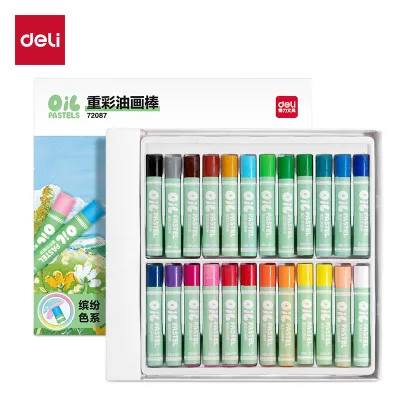
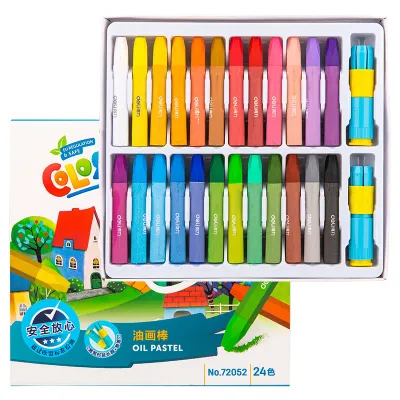
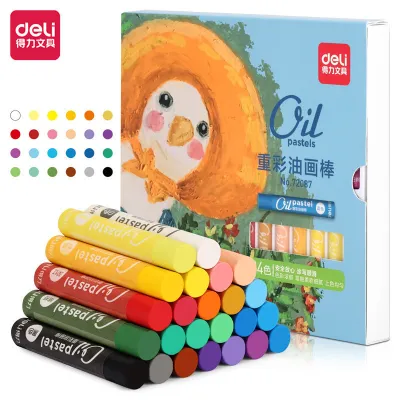
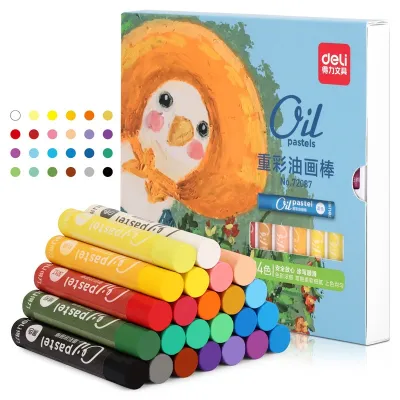
Prices are valid at publication and may change. Please refer to the product page for the latest price.
Artist-grade formulations, by contrast, feature a much higher concentration of pigment and a softer, more buttery binder. This allows the pastels to glide effortlessly across textured surfaces and blend smoothly with a finger, blending stump, or solvent. When browsing product descriptions, look for terms like “soft oil pastels” or “creamy texture” if your DIY projects require seamless color transitions, heavy layering, or scraping techniques like sgraffito.
Beyond formulation, the physical shape of the pastel stick influences your control and application style. Standard cylindrical sticks are the most common format, offering a comfortable, familiar grip for broad strokes and general coloring. They can be used on their sides for quick background coverage or sharpened slightly for finer details. However, they may require frequent rotating to maintain a usable edge.
Square or hexagonal formats provide distinct structural advantages for detailed DIY work. The flat edges and sharp corners of a square stick allow you to execute precise borders, fine lines, and geometric patterns without needing to shave down the pastel. This format is particularly useful for card making, journaling, and intricate stenciling where color bleed must be kept to a minimum.
Matching Piece Counts to Your Skill Level and Project Scope
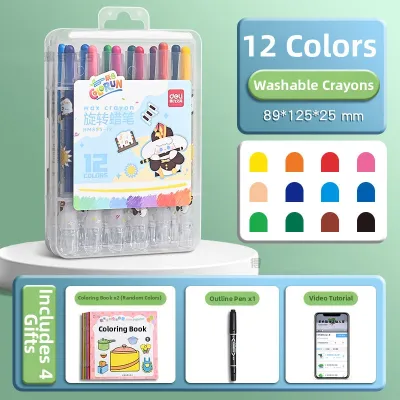
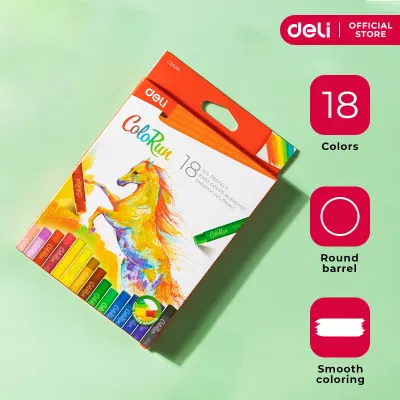
Choosing the right size of an oil pastel set is a balance between color variety, storage space, and your specific crafting needs. Small sets, typically containing 12 to 24 colors, are highly practical for beginners, casual hobbyists, and those with limited workspace. These compact sets force you to focus on basic color theory and manual blending to achieve intermediate shades. They are also highly portable, making them ideal for quick weekend crafts, bullet journaling, or small-scale decorative projects.

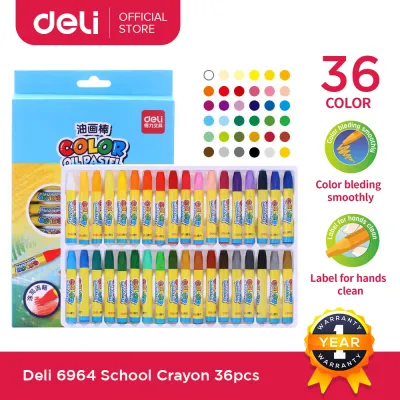
Medium-sized sets, ranging from 36 to 48 colors, represent the sweet spot for most intermediate crafters. This range provides a broader spectrum of secondary and tertiary colors, including multiple shades of blues, greens, and earth tones. Having these pre-mixed colors on hand reduces the need for heavy blending, which can sometimes lead to muddy tones if overworked on delicate paper. A medium set is highly versatile, supporting detailed illustrations, scrapbooking, and multi-colored DIY gifts.
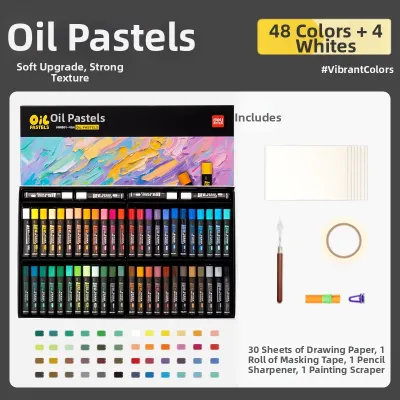
Large sets containing 60 or more colors are designed for advanced users and expansive, detailed projects. These comprehensive collections often include specialty colors such as metallics, fluorescents, and a wide array of skin tones or subtle grays. If your DIY projects involve large-scale canvases, complex landscape drawings, or professional-grade mixed-media art, a larger set provides the necessary tonal gradations to create realistic depth and smooth transitions without exhausting your primary colors.
When deciding on a piece count, consider your storage environment and how often you plan to transport your supplies. Larger sets require sturdy, flat storage to prevent the sticks from rolling or breaking, whereas smaller sets often come in compact, slide-out boxes that fit easily into a drawer or backpack. Assess your typical project size to avoid purchasing a massive set that may sit unused and degrade over time in warm, humid conditions.
Checking Compatibility with Your DIY Craft Materials
Oil pastels do not dry like paint; instead, they remain workable and semi-solid indefinitely. Because of this unique characteristic, the surface you choose for your DIY project is critical to the artwork’s longevity and appearance. The ideal surface must have sufficient “tooth” or texture to scrape the pigment off the stick and hold it in place. Smooth, non-porous materials like plastic, glass, or glossy laminated cardstock will not allow the pastel to adhere properly, resulting in sliding, smearing, and uneven coverage.
Paper weight is another vital specification to verify before beginning your project. Heavyweight paper, typically 200 gsm (grams per square meter) or higher, is highly recommended. Watercolor paper, mixed-media paper, and heavy kraft cardstock are excellent choices because they can withstand the physical pressure of blending and layering without tearing or buckling. If you plan to use solvents like baby oil or mineral spirits to blend your pastels into a paint-like wash, ensure your paper is rated for wet media to prevent liquid bleed-through.
For mixed-media DIY crafts, oil pastels can be combined with other mediums, but the order of application matters. Because oil repels water, you can apply watercolor or acrylic washes first, let them dry completely, and then layer oil pastels on top. Attempting to apply water-based paints over oil pastels will result in the paint pooling and sliding off the waxy surface. Always conduct a small test on a scrap piece of your chosen material to observe how the mediums interact before committing to your final piece.
If you must work on a smooth or unconventional surface, such as wood or canvas, proper preparation is essential. Applying a thin coat of clear or white gesso can provide the necessary texture for the oil pastels to grip. Additionally, keep in mind that standard office paper or thin sketchbooks will quickly saturate with the oil binder, causing unsightly grease halos around your drawings and weakening the paper fibers over time.
A Conditional Shortlist for Common DIY Scenarios
To simplify your decision-making process, match your specific crafting context to one of the following scenarios. This structured approach ensures you select a Deli set that aligns with your practical needs, budget, and skill level.
- Scenario A: Quick Weekend Crafts and Family Activities
If your primary goal is casual crafting, quick DIY decorations, or working on art projects with children, prioritize durability and ease of use. A smaller, student-grade Deli set of 12 to 24 colors is highly suitable here. These pastels are firmer, making them less messy to handle and less likely to break under enthusiastic hands. Look for sets labeled as non-toxic and easy-to-clean to simplify post-crafting cleanup. - Scenario B: Detailed Journaling, Card Making, and Scrapbooking
For projects that require precision, clean borders, and minimal bulk, a medium-sized set of 36 to 48 colors is ideal. Opt for sets that feature square or hexagonal sticks, as the sharp edges allow you to write, draw fine details, and color within tight stencils. A medium set provides enough color variety to match specific party themes or seasonal palettes without requiring heavy, thick layers that might transfer to opposing pages when a journal is closed. - Scenario C: Large-Scale Canvas, Mixed-Media Art, and Professional DIYs
If you are creating statement wall art, working on stretched canvas, or executing complex blending techniques, invest in a large, artist-grade set of 60 or more colors. Look for soft-formulation pastels that offer high pigment density and excellent blendability. These sets allow you to build up thick, expressive textures (impasto) and blend colors seamlessly across large areas. Ensure the set comes in a sturdy, protective case to keep the soft sticks organized and safe from physical damage.
Always cross-reference these scenarios with the current product specifications provided by the seller. Manufacturers occasionally update their packaging, color assortments, and formulations, so verifying the exact details of the listing before finalizing your purchase is a reliable way to ensure the product matches your expectations.
What to Verify Before Buying Online
Purchasing art supplies from online marketplaces requires careful verification to ensure you receive authentic, high-quality products. Start by checking the seller’s profile for official store badges, high positive feedback ratings, and authorized distributor credentials. Authentic Deli products are packaged securely and feature clear, professional labeling. Buying from reputable storefronts minimizes the risk of receiving counterfeit items or old stock that may have dried out.
Because the Philippines experiences high temperatures and humidity, transit conditions can pose a risk to soft art mediums. Excessive heat during shipping can cause oil pastels to soften, melt, or leak oil into their packaging. Before purchasing, read through recent customer reviews and look specifically at buyer-uploaded photos. Check if previous buyers reported melted sticks, broken tips, or oily residue inside the box, and observe how well the seller packages the items with bubble wrap or sturdy cardboard.
Finally, verify the exact contents of the product listing to confirm what accessories are included. Some Deli oil pastel sets are sold as bundles that include helpful crafting tools such as plastic scrapers, blending stumps, paper stumps, or custom carrying cases. Other listings may be for the pastel sticks alone. Carefully reading the product description and selecting the correct variation ensures you have all the necessary tools on hand when your package arrives.
Frequently Asked Questions (FAQ)
Can I use Deli oil pastels on regular printer paper?
Standard printer paper, which typically ranges from 70 to 80 gsm, is generally not recommended for oil pastel projects. This paper is too thin and smooth, meaning it lacks the texture required to hold multiple layers of pigment, and it will easily buckle or tear under the pressure of blending. Furthermore, the oil binders in the pastels will seep through the thin paper, creating greasy stains on the back and surrounding areas. If you must use printer paper, perform a small patch test in the corner first to observe how the paper handles light pressure and to check for immediate oil bleeding.
How do I prevent my oil pastel DIY projects from smudging?
Because oil pastels never fully dry, finished projects remain vulnerable to smudging and dust accumulation. To protect your work, you can apply a specialized oil pastel fixative. Always test the fixative on a scrap piece of paper with the same pastels first, as some sprays can slightly darken or alter your colors. Apply the spray in thin, even coats in a well-ventilated area. For physical protection, place a sheet of non-stick glassine paper over the artwork before storing it flat, or frame the finished piece behind glass using a mat board spacer to prevent the pastel surface from touching the glass directly.
What is the best way to store oil pastels in a warm climate?
In warm and humid environments, oil pastels can soften, become sticky, or experience binder separation. To maintain their structural integrity, store your pastel sets in a cool, dry place away from direct sunlight, windows, and heat sources like appliances. Keep the sticks organized flat in their original molded plastic trays rather than loose in a jar, which prevents them from rubbing against each other and sticking together. If you notice the pastels softening during a particularly hot day, placing them in an airtight container in a cool room or briefly near an air conditioner can help restore their firmness before use.
Community discussion
Share your experience or ask a question. Comments are reviewed before publication.