
Quick Answer: Which Envelope Fits Your Filing System?
Choosing the right envelope for documents depends entirely on your primary organizational goal, whether that is rapid daily sorting, long-term moisture protection, or secure physical transit. For high-volume internal archiving where cost-efficiency and easy labeling are paramount, classic manila envelopes remain the industry standard. If your workspace is prone to spills, high humidity, or requires color-coded categorization, durable plastic envelopes offer the best defense and visibility. When your documents must travel externally or contain fragile, non-flat items like USB drives or bound booklets, padded envelopes provide the necessary physical cushioning.
Most efficient office setups do not rely on a single style. Instead, they implement a hybrid system that utilizes each material for its specific strength. By matching the envelope type to the lifecycle of your documents, you can protect your records while keeping your filing cabinets orderly and accessible.
Assessing Your Document Organization Needs
Before purchasing filing supplies, you must evaluate your specific workspace environment, storage hardware, and the physical nature of your records. Document organization is rarely a one-size-fits-all task, and choosing the wrong storage medium can lead to damaged papers or cluttered drawers. Start by identifying how often the documents will be accessed, who will handle them, and where they will be stored.
Products mentioned in this guide
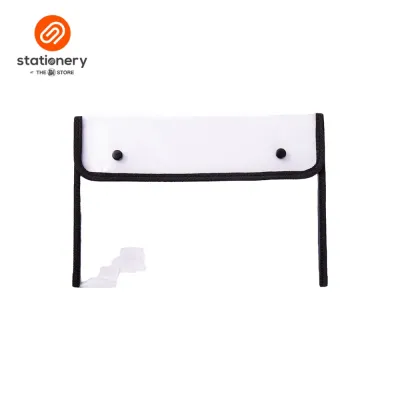
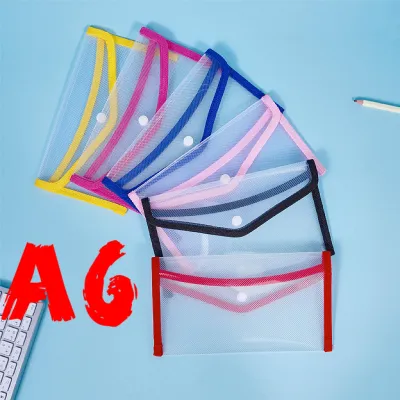
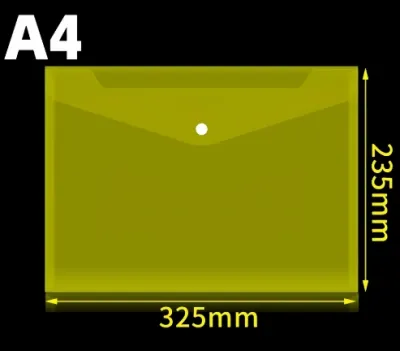
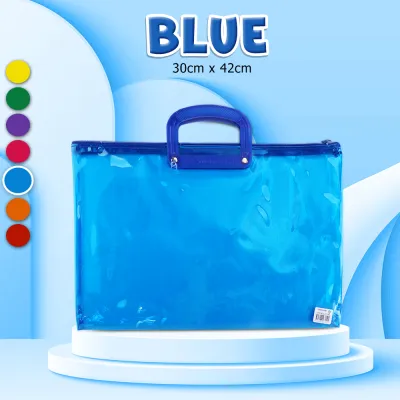
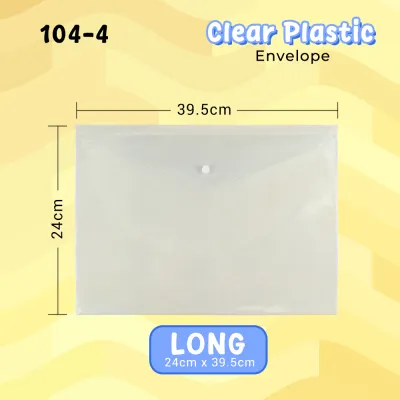
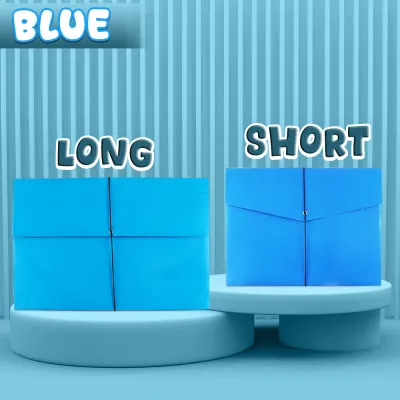
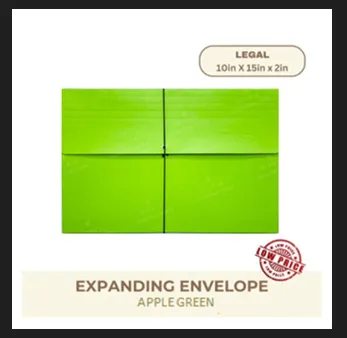
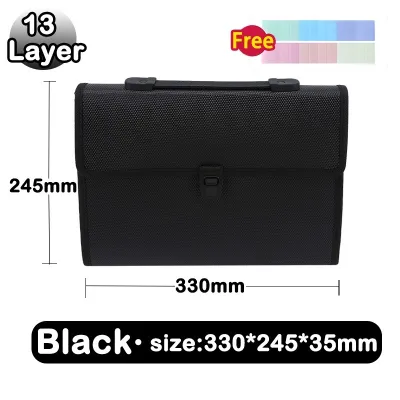
Prices are valid at publication and may change. Please refer to the product page for the latest price.

Analyzing the Storage Environment
Environmental factors play a massive role in document preservation. In tropical climates like the Philippines, high ambient humidity can cause standard paper products to absorb moisture, leading to limp folders, mold growth, or musty odors. If your filing cabinets are located in a non-air-conditioned room or near windows exposed to seasonal rain, moisture resistance becomes a critical requirement. Conversely, in climate-controlled offices, dust and physical wear from frequent handling may be your primary concerns.
Evaluating Document Characteristics and Hardware
Consider the physical dimensions and volume of the papers you need to organize. Standard flat sheets, such as contracts, invoices, or certificates, fit comfortably in flat envelopes. However, thick manuscripts, bound catalogs, or files accompanied by small physical objects require envelopes with expanding gussets or protective padding.
Additionally, check your existing filing hardware. Measure the width and depth of your filing cabinet drawers, desk trays, or hanging folders. Some envelopes, particularly padded or expanding plastic varieties, have outer dimensions that exceed standard paper sizes, which can prevent drawer slides from closing smoothly or cause hanging folders to sag.
Manila Envelopes for High-Volume Paper Sorting
Manila envelopes are a staple of traditional office filing systems, valued for their simplicity, lightweight profile, and exceptional cost-efficiency. Made from semi-refined wood fibers, these paper-based envelopes are highly economical, often costing only a few pesos (₱) per piece when purchased in bulk boxes. This makes them the ideal choice for high-volume archiving where hundreds of individual files must be categorized and stored.
Key Advantages of Manila Paper
One of the greatest operational benefits of manila envelopes is their ease of labeling. The matte paper surface accepts almost any writing instrument, including ballpoint pens, pencils, gel pens, and permanent markers, without smudging or bleeding through. You can write detailed file indexes, dates, and tracking numbers directly onto the paper surface. Furthermore, manila paper is highly breathable, which prevents condensation from becoming trapped inside the envelope in dry, stable environments.
Limitations and Environmental Vulnerabilities
Despite their utility, manila envelopes offer virtually no protection against liquids. A single spilled cup of coffee or exposure to a leaky ceiling can ruin the contents of a paper envelope instantly. Over time, exposure to high humidity can weaken the paper fibers, making them susceptible to tearing along the seams. They are also prone to dog-eared corners and physical wear if pulled in and out of tight filing cabinets daily.
Selecting the Right Specifications
When sourcing manila envelopes, pay close attention to the paper weight, which is typically measured in grams per square meter (gsm) or pounds (lbs). Standard utility envelopes often range from 70 gsm to 100 gsm, while heavy-duty archiving options can exceed 150 gsm.
Additionally, consider the closure mechanism:
- Gummed Flaps: These require moisture to activate the adhesive, creating a permanent seal. They are excellent for dead archiving where the contents will rarely, if ever, be accessed again.
- Metal Clasps: These feature a reusable metal prong that inserts through a reinforced eyelet. They are perfect for active files that must be opened and closed multiple times a day, though the metal clasp adds physical bulk to your filing folders.
- String and Button: This classic closure uses a tension string wrapped around two cardboard buttons. It offers a secure, vintage aesthetic and lies flatter than metal clasps, making it easier to stack envelopes.
Plastic Envelopes for Moisture Protection and Color Coding
Plastic envelopes, typically constructed from polypropylene or polyvinyl chloride (PVC), have revolutionized modern document storage. They are designed for active workspaces where durability, visibility, and protection from environmental hazards are top priorities.
Visual Organization and Color Coding
Plastic envelopes are available in a wide array of transparent, translucent, and opaque colors. This variety allows you to establish a highly intuitive, color-coded filing system at a glance. For example, you can assign blue envelopes to financial records, red to urgent contracts, and green to client profiles. Because many plastic envelopes are semi-transparent, you can quickly identify the contents of the file without having to open the envelope or read a label, saving valuable time during busy workdays.
Superior Barrier Properties
In humid regions or active office environments, the water-resistant nature of plastic is a major asset. Polypropylene envelopes act as a barrier against spills, dust, and atmospheric moisture. If you must transport documents between office buildings during a sudden downpour, a plastic envelope ensures your papers arrive dry. However, keep in mind that these envelopes are not completely submersible; water can still penetrate through needle-stitched seams, snap closures, or open tops during heavy exposure.
Handling and Closure Considerations
While plastic is highly durable, it presents unique labeling challenges. Standard ballpoint pens and gel pens will smudge on the glossy surface. To label plastic envelopes, you must use permanent markers, adhesive paper labels, or insert a printed index card into a dedicated clear pocket on the front of the envelope.
When selecting plastic envelopes, verify the closure type to ensure it matches your workflow:
- Snap Buttons: A plastic press-stud closure that is quick to open and close. It provides moderate security but can wear out or crack if subjected to excessive force.
- Slide Zippers: A plastic track zipper that seals the top of the envelope. This offers excellent dust protection and is highly secure, though it adds slight bulk to the top edge.
- Hook-and-Loop Fasteners: These fabric patches allow for rapid access and tolerate expanding contents well, but they can collect lint and dust over time.
To protect your documents from chemical degradation, always verify that the plastic is acid-free and archival-safe. Low-quality plastics can transfer their plasticizers to your documents, causing printed ink or photocopies to stick to the inside of the envelope over time.
Padded Envelopes for Transit and Fragile Contents
Padded envelopes, often referred to as cushioned mailers, serve a highly specialized role in a document management system. Unlike manila and plastic envelopes, which are designed to lie flat in drawers, padded envelopes are engineered to absorb physical impacts and protect their contents from structural damage.
When to Use Cushioned Protection
Standard paper documents rarely require padding, but modern business files often include supplementary materials that do. If your filing system contains bound books, thick legal briefs, certificates with raised wax seals, or digital media such as USB flash drives, CDs, and memory cards, a padded envelope is essential. The cushioning prevents these thicker, rigid items from puncturing the envelope walls and protects delicate electronic components from crushing forces during handling.
The Space Trade-Off in Filing Cabinets
Because padded envelopes contain an internal layer of bubble wrap or shredded paper fibers, they are significantly thicker than paper or plastic alternatives. This bulkiness makes them highly inefficient for standard filing cabinets. Storing a dozen padded envelopes can take up the same drawer space as fifty standard manila envelopes. Therefore, padded envelopes should be reserved for external distribution, courier transit, or dedicated storage boxes rather than active, high-density filing drawers.
Material Variations and Selection
When choosing padded envelopes, you will generally encounter two main exterior materials:
- Kraft Paper Exteriors: These offer a traditional look and are easy to write on with standard markers. However, they are vulnerable to tearing and moisture if exposed to rain during transit.
- Poly Mailer Exteriors: These combine the cushioning of bubble wrap with a tough, water-resistant plastic outer shell. They provide excellent tear resistance and moisture protection, making them the preferred choice for shipping valuable documents through local courier services.
Always check the interior dimensions of padded envelopes before purchasing. The thick padding reduces the usable internal space, meaning an envelope labeled as “A4 size” may actually only accommodate standard Letter-sized documents once the thickness of the contents is factored in.
Feature Comparison and Verification Checklist
To help you determine the best envelope type for your specific office setup, use the comparison table below to evaluate their physical properties and compatibility.
| Feature / Attribute | Manila Envelopes | Plastic Envelopes | Padded Envelopes |
|---|---|---|---|
| Primary Material | Semi-refined wood paper | Polypropylene or PVC | Kraft paper or poly with bubble lining |
| Best Use Case | High-volume archiving & sorting | Color-coded active filing | External transit & fragile items |
| Moisture Resistance | Low (absorbs water/humidity) | High (water-resistant surface) | Moderate to High (poly exterior only) |
| Cabinet Compatibility | Excellent (thin, flat profile) | Excellent (flexible, standard sizes) | Poor (bulky, reduces drawer capacity) |
| Common Closures | Metal clasp, gummed, string | Snap button, zipper, hook-and-loop | Self-adhesive peel-and-seal strip |
| Labeling Method | Direct writing (pen, pencil, marker) | Permanent marker or adhesive labels | Direct writing or adhesive shipping labels |
Pre-Purchase Verification Checklist
Before committing to a bulk purchase of document envelopes, perform these quick physical checks in your workspace:
- Measure Your Filing Hardware: Use a ruler to measure the interior width of your filing cabinet drawers or hanging folders. Ensure the outer dimensions of the envelopes (including closures and seams) will fit without bending.
- Verify Document Sizes: Confirm whether your documents are standard A4 (210 x 297 mm), Letter (8.5 x 11 inches), or Legal (8.5 x 13 or 14 inches). Ensure the envelope is rated for your specific paper standard.
- Test Ink Compatibility: If choosing plastic envelopes, test your office pens on a sample piece to check for drying speed and smudge resistance. If the ink wipes off easily, plan to purchase adhesive paper labels.
- Check Manufacturer Specifications: Read the packaging details to verify paper weight (for manila), acid-free certification (for plastic), and usable interior dimensions (for padded envelopes).
Decision Framework: Building Your Filing Setup
To finalize your document organization strategy, apply this simple, conditional decision framework based on your daily operational needs:
- Choose Manila Envelopes if you are managing a dry, climate-controlled archive, need to write detailed notes directly on the file covers, and require a highly economical solution for thousands of flat paper documents.
- Choose Plastic Envelopes if your office is located in a humid environment, if you want to implement a color-coded system for rapid visual retrieval, or if your files are handled frequently and require protection from spills and tears.
- Choose Padded Envelopes if you are preparing documents for courier delivery, moving files between physical office branches, or storing non-flat media like USB drives alongside your paper records.
Standardizing and Implementing Your System
To maintain a clean and professional filing system, standardize your envelope sizes across your entire office. Mixing A4, Letter, and Legal sizes in the same drawer can create visual clutter and make it difficult to locate specific files. If your office handles multiple paper sizes, standardizing on Legal-sized envelopes ensures that all smaller documents will fit comfortably without folding.
When implementing a new filing system, avoid buying hundreds of envelopes at once. Start by purchasing a small retail pack of your chosen envelope type. Test the durability of the closures, the ease of labeling, and how well they fit into your existing drawers under real working conditions. Once you have verified that the material and style integrate seamlessly into your daily workflow, you can confidently proceed with a bulk purchase to complete your organizational setup.
Community discussion
Share your experience or ask a question. Comments are reviewed before publication.