
To choose the right fabric paint set, you must match the paint’s viscosity and flexibility to your specific textile’s weight, weave, and expected wear conditions. There is no single universal paint for all fabrics; a formulation that works perfectly on a rigid canvas tote may crack on a stretched cotton t-shirt or fade on a sunlit curtain. In tropical climates like the Philippines, where high humidity can influence drying times and moisture absorption, selecting the correct formulation is even more critical to ensure a long-lasting finish. By evaluating label specifications, viscosity requirements, and testing steps, you can confidently select a fabric paint set that matches your exact project needs.
Core Fabric Paint Properties to Check Before Buying
When browsing for a fabric paint set, the first detail to check on the packaging is the paint’s body or viscosity. Soft-body fabric paints are formulated to be thin and highly flexible, allowing them to sink deep into the fibers of lightweight textiles without leaving a stiff, plastic-like residue. In contrast, heavy-body paints are thicker and designed to sit on top of coarser fabrics, providing excellent opacity and textured finishes.
Labels also indicate the opacity level, which is crucial if you plan to paint on dark-colored fabrics. Look for terms like “opaque” or “high-coverage” on the set’s packaging, as standard fabric paints can appear translucent on black or navy textiles. The desired finish—whether matte, satin, metallic, or glitter—should be clearly specified on the individual bottles within the set, allowing you to match the aesthetic to your project’s theme.
Products mentioned in this guide
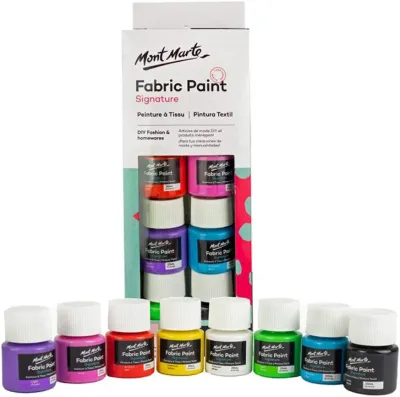
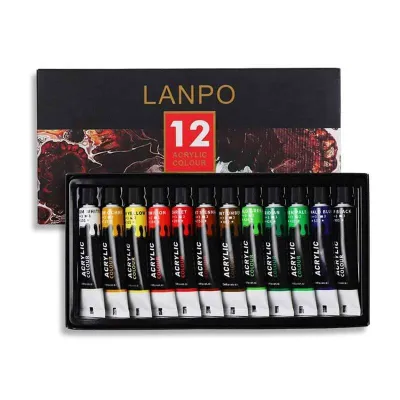
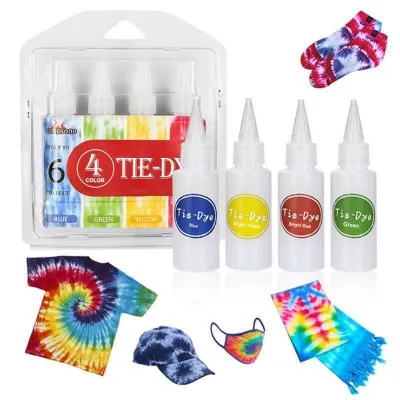
Prices are valid at publication and may change. Please refer to the product page for the latest price.
Another critical component to look for is a fabric medium, which is sometimes included in comprehensive sets or sold separately. A fabric medium is an acrylic polymer liquid that you mix with standard paints to improve their flexibility and adhesion on textiles. Checking the label instructions for the correct mixing ratio ensures you can adjust the paint’s consistency without diluting the pigment or compromising its washability.
Additionally, pay close attention to the cleanup instructions on the label. Water-based fabric paint sets are highly popular for beginners and professionals alike because they allow for easy cleanup of brushes and stencils using only soap and water before the paint cures. Solvent-based alternatives may offer specialized finishes but require specific chemical cleaners, which can complicate your workspace setup.
Choosing Paint for T-Shirts and Wearable Apparel
For wearable apparel like cotton t-shirts or synthetic blends, maintaining the natural drape of the fabric is essential for comfort. Selecting a fabric paint set labeled specifically as “soft-body” or “ultra-soft” ensures that the painted design stretches and moves with your body rather than cracking or peeling. These formulations penetrate deep into the knit fibers, preserving the soft feel of the garment against your skin.

Durability is a major factor for clothing that undergoes frequent laundering. Before purchasing, examine the manufacturer’s label for washability ratings and specific care instructions. Most high-quality wearable fabric paints require a heat-setting process—typically using a household iron or a clothes dryer—to permanently bond the pigment to the fabric, so verify that you have the necessary equipment to complete this step.
When working with synthetic fabrics like polyester or nylon blends, standard fabric paints may struggle to adhere properly. Check the product label to ensure the set is rated for synthetic fibers, as some formulations are strictly designed for 100% natural cotton. Choosing a set compatible with your specific fiber blend prevents the design from peeling off during the very first wash cycle.
Consider the variety of applicator tips and bottle sizes included in the set based on your design goals. If your t-shirt project involves intricate line work, lettering, or fine details, look for sets that feature fine-tip squeeze bottles or precision nozzles. For large-scale color blocking or stencil work, larger jars paired with soft-bristle brushes are more practical and cost-effective, allowing you to cover broad areas smoothly.
Choosing Paint for Tote Bags and Heavy Canvas
Tote bags and heavy canvas items feature a coarse, highly absorbent weave that can quickly drink up thin paints, leading to blurred edges and dull colors. To achieve vibrant designs on these heavy textiles, select a fabric paint set with opaque, heavy-body formulations. These thicker paints sit cleanly on the surface of the canvas, providing rich color payoff with minimal bleeding into adjacent fibers.
Because tote bags are subject to constant folding, friction, and carrying heavy loads, the paint must possess excellent abrasion resistance. Check the product specifications on the packaging for durability claims related to high-wear items. The paint should remain flexible enough to resist cracking when the bag is folded, yet tough enough to withstand rubbing against clothing during daily use.
The choice of applicator for canvas depends heavily on your artistic style. Brush-on paints allow you to work the pigment deep into the textured grooves of the canvas weave using stiff synthetic brushes, which is ideal for solid fills. Squeeze-bottle applicators with dimensional paint are excellent for creating raised, tactile outlines that stand out against the rugged background of the tote.
Choosing Paint for Home Decor and Upholstery
Home decor projects, such as curtains, throw pillows, and table runners, require a different set of considerations, particularly regarding environmental exposure. Items placed near windows are highly susceptible to fading from sunlight, making lightfastness a priority. Look for fabric paint sets that explicitly state UV resistance or high lightfastness ratings on their labels to ensure your designs remain vibrant over time.
Matching the paint’s viscosity to the specific home textile is crucial for a professional finish. For tightly woven, smooth fabrics like linen or cotton-blend curtains, a thinner, flowable fabric paint ensures even coverage without altering the fabric’s natural movement. For heavily textured upholstery fabrics, a thicker paint formulation is necessary to prevent the medium from sinking unevenly into the deep crevices of the weave.
Because home decor projects often involve painting large surface areas, safety and comfort during application are paramount. Always review the product labels for safety certifications, low-VOC (volatile organic compounds) indicators, and odor levels. When working on large indoor items, ensure your workspace is well-ventilated, and follow the manufacturer’s guidelines regarding drying times and ventilation to maintain a safe home environment.
How to Test Compatibility and Washability Before Painting
Before applying paint to your final project, conducting a hidden swatch test is a vital step to ensure compatibility. Apply a small amount of paint from your chosen set onto an inconspicuous area of the fabric, such as an inside seam or a scrap piece of the same material. Observe how the paint behaves as it dries, checking for excessive bleeding, unwanted stiffness, or changes in color accuracy against the fabric’s base tone.
Proper curing and heat-setting are essential to lock in the pigment before the item is subjected to its first wash. Each manufacturer specifies a precise timeline for air-drying—often ranging from 24 to 72 hours—followed by a specific heat-setting method. In humid environments like the Philippines, allowing extra air-drying time before applying heat helps ensure that all moisture has evaporated from the paint layers.
If you encounter a conflict between the fabric’s care label and the paint’s heat-setting instructions, stop immediately. For instance, if your delicate synthetic fabric cannot tolerate the high heat of an iron required to set the paint, do not proceed. In such cases, consult the paint manufacturer’s guide for alternative curing methods, or select a different paint set formulated for low-temperature or air-cure settings to avoid damaging your textile.
Frequently Asked Questions (FAQ)
Can I use regular acrylic paint instead of a dedicated fabric paint set?
Standard craft acrylic paint dries into a rigid, plastic-like layer that easily cracks and peels when applied to flexible textiles. Dedicated fabric paint sets are formulated with special acrylic polymers that remain highly flexible and wash-resistant after curing. If you must use standard acrylics, you must mix them with a dedicated fabric medium according to the manufacturer’s specified ratios to improve flexibility and adhesion.
How do I prevent fabric paint from bleeding through to the other side?
To prevent paint from seeping through to the back of a t-shirt or tote bag, always place a protective barrier inside the item before painting. A piece of thick cardboard, wax paper, or a plastic sheet works perfectly to block pigment transfer. Additionally, avoid overloading your brush or applicator; applying thin, controlled layers of paint minimizes fabric saturation and keeps your design edges clean.

Community discussion
Share your experience or ask a question. Comments are reviewed before publication.