
Selecting the right art supplies for classroom activities requires balancing creativity, durability, and safety. In the Philippines, fuzzy wire—commonly known as chenille stems—has become a staple in school art projects, ranging from simple preschool shape-building to complex high school science models and festive decorations. Because these pliable, plush stems are handled extensively by children, choosing the right variety involves looking closely at their physical construction, material safety, and how well they withstand the local tropical climate.
To find the most suitable fuzzy wire for school projects, parents and educators must evaluate key physical characteristics rather than relying solely on vibrant colors. The ideal craft wire features a dense, non-shedding pile that protects young fingers from the metal core, a highly flexible inner wire that resists snapping under repeated bending, and clean, manageable ends. By understanding these specifications and matching them to specific classroom activities, you can ensure a smooth, mess-free, and safe crafting experience for students of all ages.
Key Features to Check Before Buying Fuzzy Wire
Thickness and length
Fuzzy wires come in several standard thicknesses, usually measured in millimeters, which directly influence their usability for different age groups. The most common size found in school supply stores is the 6mm diameter stem, typically measuring 30 centimeters in length. This standard size is highly versatile, fitting comfortably in the hands of elementary students and offering enough length for most basic folding and wrapping tasks. For younger children in kindergarten or preschool, jumbo fuzzy wires—ranging from 10mm to 20mm in thickness—are often more appropriate. These thicker stems provide a larger surface area that is easier for developing motor skills to grip, and their sturdier cores offer the structural stability needed for larger, self-standing creations.
Products mentioned in this guide
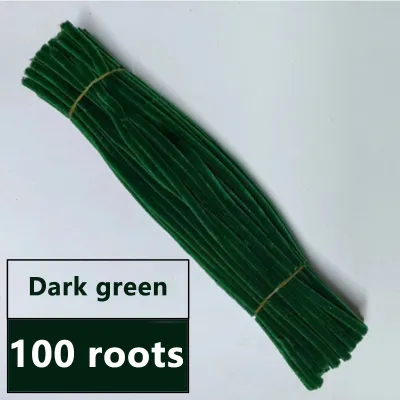

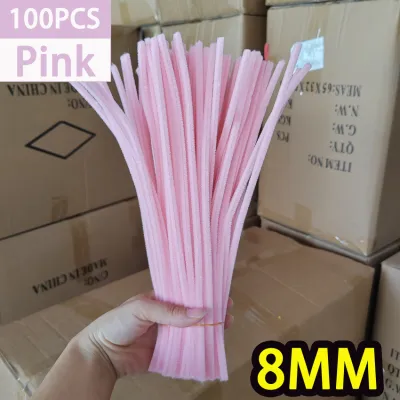
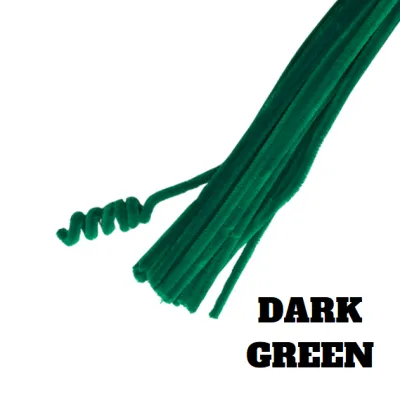
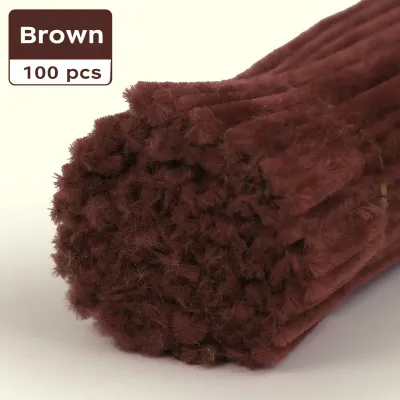
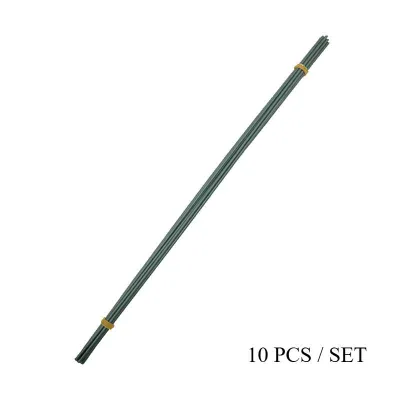
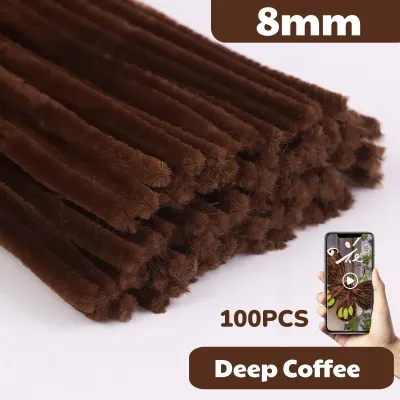
Prices are valid at publication and may change. Please refer to the product page for the latest price.
Pile density and shedding
The quality of the plush coating, or pile, determines both the tactile experience and the neatness of the art session. High-quality fuzzy wire features a dense, tightly wound fiber distribution, usually made from polyester or nylon, which completely covers the inner metal core. Low-grade alternatives often have sparse fibers that shed easily when bent or cut, leaving a messy residue on classroom desks and exposing the sharp wire underneath. To verify pile density before committing to a large purchase, perform a simple pinch test: gently squeeze the stem and slide your fingers along a small section. The fibers should feel full and spring back immediately, without sliding off the central wire or leaving bare patches.
Core flexibility
The structural integrity of any chenille stem relies on its inner metal core, which is typically made of thin, galvanized iron wire. This core must strike a careful balance between pliability and strength. It should bend smoothly under light finger pressure, allowing children to form loops, spirals, and sharp angles without straining. At the same time, the wire must hold its shape reliably once bent and withstand repeated adjustments without fatigue or snapping. Brittle wire cores pose a safety risk, as a sudden break can expose sharp, jagged metal points that can scratch sensitive skin. Opting for wires with a resilient, medium-gauge core ensures that projects can be adjusted multiple times during the creative process.
Matching Fuzzy Wire Specifications to Art Activities
Basic sculptures and animals
For classic school projects such as crafting insects, flowers, or miniature animals, standard 6mm fuzzy wires are the most practical option. Their moderate thickness allows them to be easily twisted together to form legs, antennae, and petals. These standard stems also wrap effortlessly around other common classroom materials, such as wooden popsicle sticks, cardboard toilet paper rolls, or plastic bottles, providing a colorful exterior layer without adding excessive weight. When students build multi-legged creatures like spiders, the standard wire provides just enough structural support to hold up the body of the craft without sagging.

Fine details and wearable crafts
When the lesson plan calls for more intricate designs, such as handmade jewelry, tiaras, glasses, or detailed puppet accessories, thinner and highly flexible fuzzy wires are preferred. These variants allow students to execute tight wraps and precise, small-scale twists that are difficult to achieve with thicker stems. For wearable crafts, the softness of the pile is especially important, as the wire will be in direct contact with the skin on wrists, fingers, or heads. Selecting stems with a soft, non-abrasive polyester pile prevents irritation, while metallic or glitter-infused wires can add a festive touch to crowns and holiday ornaments, provided the metallic tinsel fibers are securely bound to the core.
Large classroom collaborations
For collaborative group projects, such as large-scale murals, holiday classroom decorations, or science fair displays, purchasing in bulk is the most economical approach. Bulk assortments typically contain 50 to 100 pieces per pack and offer a wide range of colors, including primary shades, pastels, and neon options. When planning these purchases, calculating the cost-efficiency in terms of ₱ per piece helps teachers maximize their classroom budgets. Multi-color bulk packs ensure that every student has access to the colors they need for their individual contributions to the larger group display, reducing waste and ensuring a cohesive look for the final collaborative piece.
Safety Checks and Handling Guidelines for Kids
Inspecting wire ends
Because fuzzy wire is manufactured by cutting long, continuous strands of twisted wire and fiber, the ends of each individual stem are often left with exposed, sharp metal tips. Before handing these materials over to younger children, teachers and parents should conduct a quick safety inspection. A simple and effective preventive measure is to use a small pair of pliers to fold the sharp metal tips backward, tucking them securely into the plush pile of the stem. This quick adjustment eliminates the risk of accidental finger pricks and ensures that the ends are smooth and safe to touch during active crafting.
Tool supervision
Although fuzzy wire is easily bent by hand, cutting it to custom lengths requires cutting through the inner metal core. Standard school scissors designed for paper can quickly become dull or damaged if used to cut metal wire. To prevent this, adults should supervise the cutting process closely. For younger classrooms, it is highly recommended that teachers pre-cut the wires to the required lengths before the lesson begins. For older students who are capable of cutting their own materials, provide designated craft scissors or small wire cutters, and demonstrate how to cut at a safe distance from the face to prevent flying wire fragments.
Manufacturer labels
Before purchasing any craft supplies for school use, always review the manufacturer labels on the packaging for age recommendations and safety certifications. Look for clear indications that the materials are non-toxic and safe for children’s use. Because young children frequently touch their faces, eyes, or mouths during art class, ensuring that the dyes used in the fuzzy wire are colorfast and non-toxic is essential. Avoid products that lack clear labeling or those that emit a strong chemical odor, as these can be indicators of low-quality dyes or adhesives that may cause skin irritation or allergic reactions.
Purchasing Tips and Delivery Verification
Evaluating seller descriptions
When sourcing fuzzy wire from online marketplaces or local stationery suppliers, pay close attention to the product descriptions. Reliable listings should clearly state the exact dimensions, including the length and diameter of the stems, as well as the precise number of pieces included in each pack. Be cautious of vague listings that use generic terms without specifying quantities or materials. Reading customer reviews and looking at uploaded photos can provide valuable insights into the actual color accuracy and pile density of the product, helping you avoid thin, poorly made wires that do not match the promotional images.
Unboxing inspection
Once your order arrives, it is important to perform a prompt unboxing inspection to verify the quality of the batch. Check that the colors match your project requirements and that the pack contains the correct number of pieces. Gently shake a few stems over a clean surface to observe if there is any excessive shedding of loose fibers. A small amount of loose fiber is normal due to the cutting process during manufacturing, but a continuous loss of pile indicates a poorly bound core. Additionally, inspect the shipment for any signs of dampness or water damage that may have occurred during transit, especially during the rainy season in the Philippines.
Storage planning
The tropical climate and high humidity levels in the Philippines can pose a challenge for storing craft supplies that contain metal components. If left exposed to moist air, the iron core of fuzzy wire can begin to rust, which weakens the wire and causes unsightly brown stains on the colorful plush fibers. To prevent this, store all unused fuzzy wire in airtight plastic containers or heavy-duty zip-top bags. Placing a few food-safe silica gel packets inside the storage container will help absorb any trapped moisture, keeping the wires dry, flexible, and dust-free until they are needed for the next school art project.
Frequently Asked Questions (FAQ)
Can fuzzy wire be washed if it gets dirty during a project?
Washing fuzzy wire is generally not recommended because submerging the inner metal core in water can quickly lead to rust, which weakens the structure and stains the plush fibers. If a craft project gets slightly dirty, try spot-cleaning the affected area with a damp cloth and a tiny drop of mild soap, then dry it immediately with a hairdryer on a cool setting. If the piece becomes heavily soiled with glue or paint, it is best to discard and replace it.
What is the difference between fuzzy wire and standard pipe cleaners?
While the terms are often used interchangeably, craft-focused fuzzy wire (or chenille stems) is specifically designed for art projects, featuring soft, dense synthetic fibers and a highly flexible core safe for bending. Standard utility pipe cleaners, originally made for cleaning smoking pipes, typically have stiffer, more abrasive cotton or nylon bristles and a sharper, more rigid wire core that is less comfortable for children to handle during prolonged crafting sessions.
How should leftover fuzzy wire be stored for future school projects?
To keep leftover fuzzy wire in pristine condition, store the strands flat or loosely coiled in a sealed plastic container or heavy-duty zip-top bag. Avoid bending or folding them tightly for storage, as this can create permanent kinks in the metal core. Keeping them sealed protects the fibers from dust, pests, and tropical humidity, ensuring they remain vibrant and easy to bend for the next school activity.
Community discussion
Share your experience or ask a question. Comments are reviewed before publication.