
Creating stunning resin art requires a delicate balance of chemistry and creativity. For DIY enthusiasts in the Philippines, selecting the right glitter powder set is crucial to achieving vibrant, eye-catching designs that do not fade, bleed, or sink to the bottom of the mold. The tropical climate, characterized by high humidity and warm ambient temperatures, directly influences how resin cures and how dry additives behave during the mixing process.
Whether you are crafting custom jewelry, pouring geode coasters, or designing decorative trays, the quality of your glitter determines the clarity and depth of the finished piece. Standard craft glitters often fall short when exposed to the intense chemical reactions of curing epoxy or UV resin. Understanding the physical properties, compatibility factors, and handling techniques of specialized glitter powders will elevate your DIY craft kits from simple hobbies to professional-grade art.
Understanding Glitter Types and Resin Compatibility
To select the ideal glitter powder set, you must first understand the distinct categories of dry additives available and how they interact with liquid resin. The three primary types used in resin art are fine mica powders, standard polyester glitters, and chunky or holographic variants. Each type offers a unique visual finish and behaves differently when suspended in a liquid medium.
Products mentioned in this guide
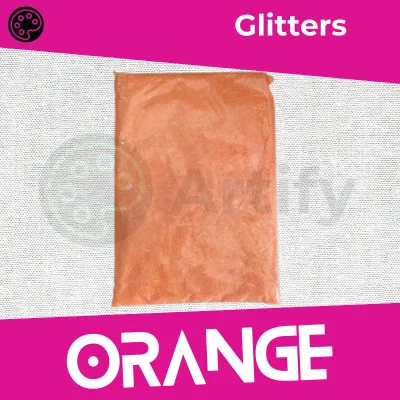
![Arts and Crafrs Glitter Powder 250 grams / 1/4 KILO Glitters [ UNO ]](https://img.lazcdn.com/g/p/8a975dca36d82c3d34b9deb5b737a111.jpg_400x400q80.jpg_.webp)
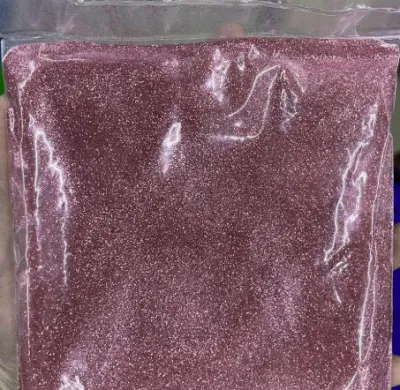
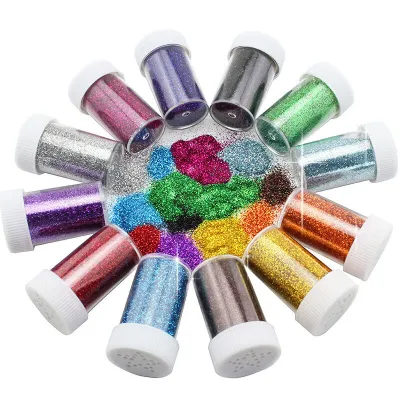
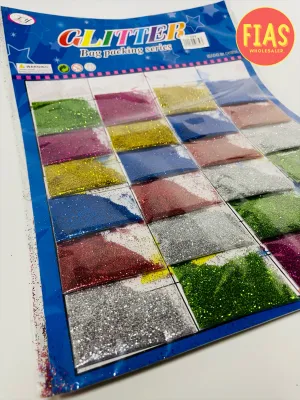
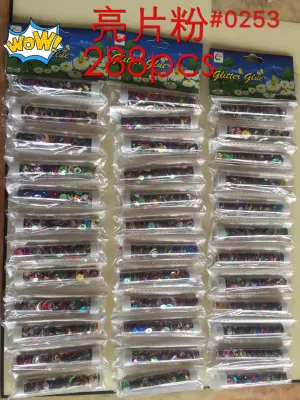
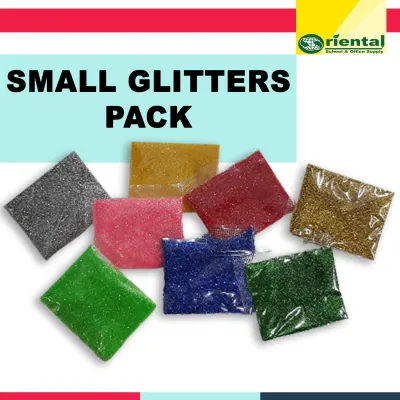
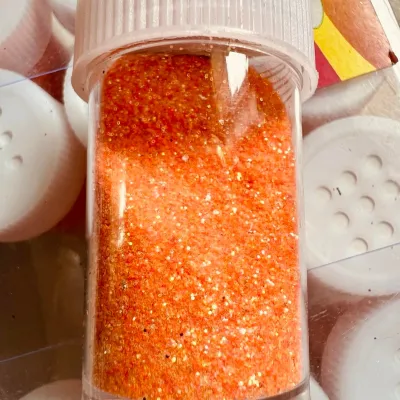
Prices are valid at publication and may change. Please refer to the product page for the latest price.
Mica powder consists of natural or synthetic silicate minerals ground into an ultra-fine, silky dust. Unlike plastic-based glitters, mica powder provides a pearlescent, metallic, or satin shimmer that disperses completely throughout the resin, turning the clear liquid into an opaque, swirling color. Because the particles are incredibly small and lightweight, they have excellent suspension properties, meaning they rarely sink to the bottom of your mold, making them ideal for creating realistic stone veins in geode art.
Standard polyester glitters are synthetic, plastic-based flakes cut into precise geometric shapes, such as hexagons or squares. These glitters are highly reflective and retain their individual shapes within the cured resin, offering a classic, sparkling effect. Polyester is the preferred material for resin art because it is significantly more durable and heat-resistant than cheap PVC-based glitters, ensuring the flakes do not warp or lose their shine during the exothermic curing process.
Chunky and holographic glitters feature larger particle sizes, often mixed with multi-dimensional foils that reflect a rainbow spectrum of light. These variants add dramatic texture and visual interest to resin pieces, but their larger size and higher density make them prone to sinking. When using chunky glitters, the viscosity of your resin and the timing of your pour become critical factors in achieving an even distribution of sparkle throughout the piece.
Compatibility is not just about visual appeal; it is also about chemical stability. Resin curing is an exothermic reaction that generates heat, sometimes reaching high temperatures depending on the volume of the pour. Cheap, non-solvent-resistant glitters can melt, release color dyes into the clear resin, or even inhibit the curing process entirely, leaving your project sticky or cloudy. Always verify that a glitter set is explicitly labeled as solvent-resistant or resin-safe before mixing it into your epoxy.
Core Criteria for Vibrant Colors and Even Dispersion
When evaluating glitter powder sets for your DIY kits, colorfastness and opacity are the primary indicators of quality. High-quality glitter powders utilize advanced pigment coatings that resist fading when exposed to ultraviolet (UV) light and chemical solvents. You can assess this by examining the dry powder in its container; premium glitters display intense, saturated colors that do not look dull or translucent. If the dry glitter appears washed out, it will likely lose its visual impact once encapsulated in clear resin.

Another critical consideration is the choice between dry powders and pre-mixed liquid or paste dispersions. Dry glitter powders offer the highest level of creative control, allowing you to customize the concentration and mix different colors or particle sizes to suit your specific design. However, dry powders require careful, manual mixing to prevent clumping and ensure even dispersion. Pre-mixed liquid glitters blend effortlessly into resin without creating airborne dust, but they can introduce moisture or solvents that alter the resin’s delicate mixing ratio, potentially compromising the final cure.
For crafters in the Philippines, packaging is a vital but often overlooked criterion. High relative humidity can introduce moisture to dry glitter powders, causing them to clump together and lose their free-flowing quality. When moisture-laden glitter is mixed into resin, it can introduce microscopic water droplets, leading to unsightly micro-bubbles, localized cloudiness, or soft spots in the cured art.
To safeguard your materials against tropical humidity, prioritize glitter sets packaged in airtight, screw-top plastic jars rather than thin, resealable plastic bags. Jars equipped with inner pressure seals or shaker lids provide an extra layer of protection against moisture ingress. These secure packaging designs not only extend the shelf life of your glitter powder but also make dispensing and measuring much cleaner, reducing waste and preventing accidental spills on your workspace.
Matching Glitter Sets to Specific Resin Art Projects
Different resin art projects demand different glitter characteristics to achieve the best aesthetic results. For geode art, deep pours, and smooth gradient effects, fine and highly concentrated powders are indispensable. Ultra-fine glitters, ranging from 0.1mm to 0.2mm in size, along with metallic mica powders, allow you to paint delicate, shimmering veins and seamless color transitions. When poured into deep molds, these fine particles remain suspended longer, creating a consistent, three-dimensional shimmer rather than settling into a single, flat layer at the bottom of the piece.
Conversely, if you are focusing on resin jewelry, keychains, or high-impact decorative accents, chunky or mixed-size holographic sets are the superior choice. Small jewelry molds have limited depth, meaning chunky glitters can sit near the surface and catch maximum light without sinking out of sight. Mixed-size glitter sets, which combine fine dust with medium and large hexagonal flakes in a single jar, are particularly effective for creating a “floating” dimensional look that gives small resin pieces a professional, multi-layered appearance.
When building your DIY craft kit, you must also decide between multi-color palette sets and single-jar bulk options. Multi-color sets, often containing 12 to 24 small jars of varying shades, are highly recommended for beginners and general crafters. These assortments allow you to experiment with a wide range of color combinations and techniques without committing to a large volume of a single color. A starter set priced between ₱300 and ₱800 offers excellent variety and value for those exploring different resin art styles.
On the other hand, if you are undertaking large-scale projects such as resin trays, coasters, or tabletop coatings, single-jar bulk options are more practical. Purchasing your primary colors in larger quantities (such as 50g or 100g jars) ensures color consistency across multiple batches. It also prevents the frustration of running out of a specific shade mid-project, which can result in mismatched layers and ruined pieces.
Safe Handling, Storage, and Workspace Preparation
Working with fine glitter powders and resin requires a proactive approach to safety and workspace organization. Fine mica powders and ultra-fine glitters are incredibly lightweight and can easily become airborne with the slightest draft. Inhaling these microscopic particles can cause respiratory irritation and long-term discomfort. Therefore, always wear a well-fitting particulate mask, such as an N95 respirator, whenever you are handling, measuring, or mixing dry powders.
In addition to respiratory protection, wear protective gloves and safety goggles to prevent skin contact and eye irritation. Static electricity can cause fine glitter to cling to your skin and clothes, making it difficult to wash off. Wearing a dedicated crafting apron and working in a well-ventilated space free from strong drafts or fans will help keep the glitter contained to your immediate working area.
Proper storage is essential for maintaining the quality of your glitter sets over time, especially in warm, humid climates. Store your jars in a cool, dry cabinet away from direct sunlight, which can degrade the pigments and cause the colors to fade. To combat high humidity, consider placing your glitter jars inside a secondary airtight plastic container alongside several silica gel packets. This simple step absorbs any residual moisture in the air, ensuring your powders remain dry, loose, and ready for your next project.
Workspace cleanup is the final step in a successful resin art session. Because dry glitter is highly prone to static cling, sweeping or blowing dry spills will only scatter the particles further into the air and onto surrounding surfaces. Instead, use a lint roller, painter’s tape, or a damp microfiber cloth to pick up spilled glitter efficiently. For resin-contaminated glitter waste, allow the mixture to cure completely in your mixing cup before peeling it out and disposing of it in accordance with local waste regulations. Never wash liquid resin or loose glitter down the household sink, as this can lead to clogged pipes and introduce microplastics into local water systems.
Frequently Asked Questions (FAQ)
Can I use regular craft glitter instead of specialized resin glitter?
Regular craft glitter is typically manufactured for paper crafts and school projects, meaning it is often made from low-grade PVC or color-coated paper. These materials are not designed to withstand the harsh chemical solvents and high temperatures generated during the resin curing process. If you use standard craft glitter in resin, you will likely observe color bleeding, where the dye dissolves into the clear resin and turns your project muddy. Additionally, the heat can cause cheap glitter to curl, melt, or warp, which can disrupt the chemical reaction and leave your finished piece sticky, soft, or structurally compromised.
How much glitter powder should I add to my resin mixture?
To maintain the structural integrity and ensure a complete cure, the total volume of all additives—including glitter, mica powder, and liquid pigments—should not exceed 5% to 10% of your total resin mixture. Adding too much powder can overwhelm the liquid polymer, preventing the resin and hardener from cross-linking properly, which results in brittle, bendy, or permanently sticky art. To find the perfect balance, use an incremental mixing approach: start by adding a tiny, toothpick-sized pinch of glitter to your mixed resin, stir gently, and observe the density before adding more until you reach your desired opacity.
Why did my glitter sink to the bottom of the resin mold?
Glitter sinks when its physical density is greater than the viscosity of the liquid resin, especially during the extended working time before the curing process begins. In the warm Philippine climate, resin initially thins out and becomes less viscous when mixed, making it easier for heavier polyester or chunky glitters to fall to the bottom of the mold. To prevent this, let your mixed resin sit in the mixing cup for a few minutes to allow it to thicken slightly to a honey-like consistency before stirring in the glitter and pouring. Alternatively, you can pour your resin in thin, multiple layers, allowing each layer to partially cure to trap the glitter in place.
Community discussion
Share your experience or ask a question. Comments are reviewed before publication.