
Selecting the ideal gold paint for metal surfaces depends heavily on your specific craft project’s environment, handling requirements, and desired finish. Because metal is a non-porous and sometimes reactive substrate, the binder type—acrylic, oil-based, or enamel—dictates how well the paint adheres and how long the metallic finish lasts. This guide provides a framework to evaluate these paint types, verify manufacturer specifications, and prepare your metal surfaces for a durable, professional-looking result.
To achieve a lasting gold finish, you must match the paint’s chemical binder to the physical demands of the object. A decorative picture frame that sits undisturbed on a shelf requires a very different paint formulation than a metal garden stake exposed to tropical rains, or a frequently handled jewelry box. By understanding how these binders interact with metal, you can avoid common pitfalls like peeling, flaking, or premature tarnishing.
Understanding Acrylic, Oil-Based, and Enamel Gold Paints
Acrylic gold paints are water-based formulations favored by crafters for their fast drying times, low odor, and easy cleanup with soap and water. The acrylic binder remains relatively flexible when dry, which helps prevent cracking if the underlying metal undergoes minor thermal expansion or contraction. However, because water-based paints do not naturally wet or cling to slick, non-porous surfaces, acrylics generally exhibit poor direct adhesion to bare metal. Without a dedicated primer to bridge the gap, acrylic gold paint can easily peel off in sheets or scratch away with minimal friction.
Products mentioned in this guide
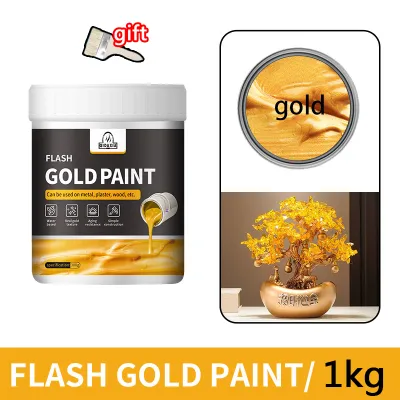
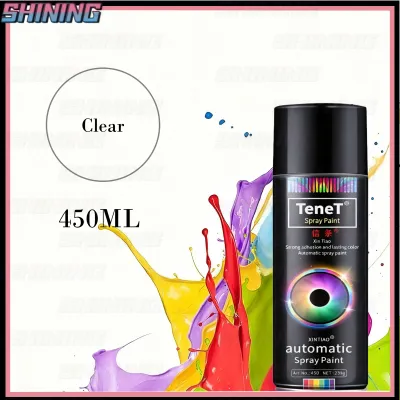
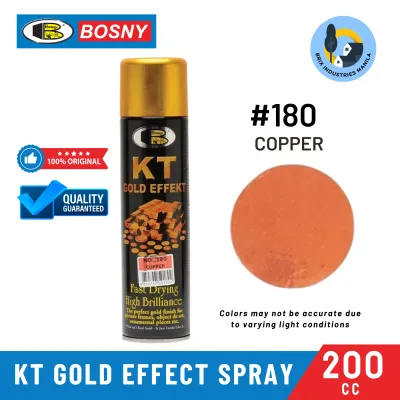
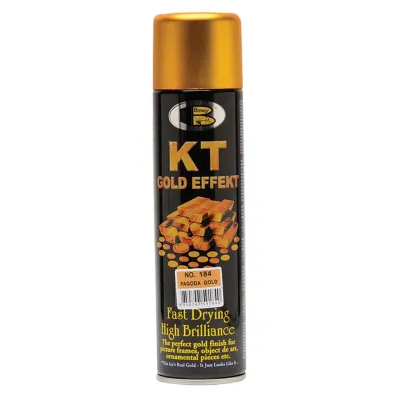
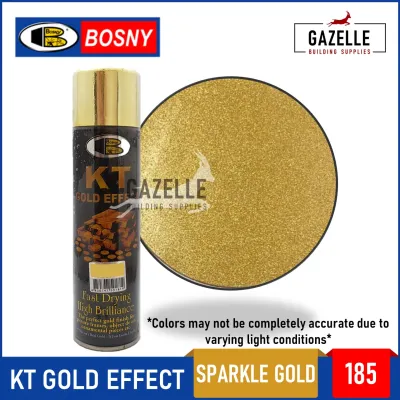
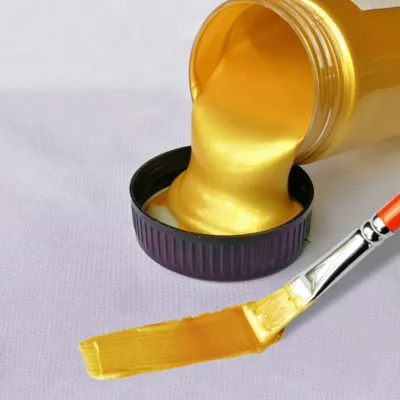
Prices are valid at publication and may change. Please refer to the product page for the latest price.
Oil-based gold paints utilize traditional organic binders, such as alkyds or drying oils, dissolved in mineral solvents. These paints dry much more slowly than acrylics, which allows the metallic pigments—often fine bronze or copper-zinc alloy powders—to settle and align flat along the surface. This process, known as leafing, creates a exceptionally rich, deep, and highly reflective gold luster that closely mimics real gilding. The trade-off is that oil-based paints require mineral spirits or turpentine for cleanup, emit strong volatile organic compounds (VOCs) that demand excellent workspace ventilation, and take significantly longer to dry.
Enamel gold paints are formulated to cure into an exceptionally hard, glass-like shell. Most craft enamels are solvent-based, though water-borne enamels are increasingly common. The primary advantage of enamel is its superior impact and scratch resistance, making it highly durable under heavy handling. Many enamel formulations are engineered with direct-to-metal (DTM) properties and rust-inhibitive additives, allowing them to bond directly to certain metal surfaces without a separate primer. However, their rigid cured state means they can be more prone to chipping if the metal substrate is subjected to sharp impacts or bending.
It is important to note that actual performance, durability, and metallic brilliance vary widely across different brands and product lines. A premium artist-grade acrylic may contain a much higher pigment load and better binders than a budget utility enamel. Always treat these general binder characteristics as a starting point, and verify the specific performance claims of the individual product you select.
Matching Paint Properties to Your Craft Project
When deciding on a gold paint, first assess where the finished item will live and how it will be used. Indoor decorative pieces, such as metal filigree, ornamental bowls, or holiday decorations, face minimal physical wear. For these projects, the convenience, rapid drying, and low odor of acrylic gold paint make it highly practical. Conversely, outdoor items like wind chimes, garden planters, or patio hardware must withstand moisture, UV radiation, and temperature swings. For these demanding environments, solvent-based enamels or high-quality oil-based paints provide the necessary barrier protection to shield the metal from moisture and prevent rust.

Physical handling is another critical factor. Objects that are touched frequently, such as drawer pulls, metal jewelry, or hand-held tools, are subjected to skin oils, friction, and sweat. Skin acidity can rapidly tarnish unprotected metallic pigments, while constant friction will wear away soft paint films. Enamel paints are highly suited for these high-touch items due to their superior hardness and chemical resistance. If you choose to use an acrylic or oil-based paint for a high-handling item, you will almost certainly need to apply a compatible protective clear topcoat to preserve the gold finish.
Your workspace setup and project timeline will also dictate your choice. In warm, highly humid tropical climates, the moisture in the air can drastically extend the drying and curing times of oil-based and enamel paints. If you do not have a dedicated, dust-free drying area where an object can sit undisturbed for several days, the fast-drying nature of acrylics becomes a major advantage. Acrylics dry to the touch in minutes, allowing you to apply multiple coats or handle the project within a single afternoon, whereas solvent-based paints may remain tacky for hours, attracting airborne dust and insects.
The desired visual effect should also guide your selection. Gold paints achieve their metallic sheen through suspended reflective particles. Oil-based paints generally offer the highest reflectivity because the slow drying time allows these particles to float to the surface and form a continuous, mirror-like layer. Acrylics, because they dry so rapidly, lock the metallic particles in place in a random orientation, which often results in a softer, more satin or pearlescent gold appearance.
To help guide your selection, consider this general comparison of how each paint type behaves on metal surfaces:
| Paint Type | Adhesion to Bare Metal | Scratch & Wear Resistance | Drying & Curing Speed | Ideal Project Types |
|---|---|---|---|---|
| Acrylic | Low (requires primer) | Moderate (prone to scratching) | Very Fast (minutes to dry) | Indoor decor, low-touch crafts, quick-turnaround projects |
| Oil-Based | Moderate | High (flexible, weather-resistant) | Slow (hours to dry, weeks to cure) | Detailed art, outdoor accents, high-luster decorative pieces |
| Enamel | High (often direct-to-metal) | Very High (hard, impact-resistant) | Moderate to Slow | High-touch hardware, outdoor metal crafts, utility items |
How to Read Labels and Verify Metal Compatibility
Before purchasing any gold paint, look past the marketing imagery on the front of the container and carefully read the technical specifications on the back label. Manufacturers use specific terminology to describe a paint’s capabilities. A label claiming “multi-surface” compatibility indicates the paint can adhere to a variety of materials, but this often assumes ideal conditions and meticulous surface preparation. “Direct-to-metal” (DTM) indicates the paint contains specific adhesion promoters designed to grip metal without a primer, while “rust-preventative” or “anti-corrosive” labels mean the formulation contains active chemicals designed to inhibit oxidation on ferrous metals.
Pay close attention to the manufacturer’s instructions regarding mandatory primers, base coats, or topcoats. Many high-brilliance gold paints explicitly state that they require a specific primer to prevent the paint film from peeling or flaking over time. Additionally, some metallic paints require a dark base coat—such as a flat black or dark brown primer—to achieve their full visual depth and brilliance. Skipping these recommended base layers can result in a dull, patchy, or transparent gold finish that fails to meet your expectations.
Always verify the cleanup and safety requirements detailed on the label. Solvent-based paints and enamels require specific thinners or mineral spirits for cleanup, which must be handled and disposed of in accordance with local environmental guidelines. These products also carry explicit warnings regarding flammability and inhalation hazards. Ensure you have the recommended personal protective equipment, such as solvent-resistant gloves and a well-fitting respirator mask, especially if you are working indoors or using spray application methods.
Never assume a paint is suitable for metal simply because the container features a shiny gold cap or is labeled “metallic gold.” These design elements refer strictly to the color and optical effect of the paint, not its adhesive properties. A metallic gold paint formulated for paper, canvas, or wood will quickly bubble, crack, and peel if applied directly to a slick metal surface. Always locate the list of approved substrates on the technical label to confirm that “metal” is explicitly listed.
Preparing Metal Surfaces for Maximum Adhesion
No matter which gold paint type you select, the longevity of the finish depends entirely on surface preparation. Metal surfaces are frequently coated with invisible barriers, such as manufacturing oils, rust-preventative greases, or simple oils from your fingerprints. Begin by washing the metal thoroughly with a degreasing dish soap and warm water, or wipe it down with a clean cloth saturated with isopropyl alcohol or mineral spirits. This step ensures the paint or primer can make direct contact with the metal substrate rather than sitting on top of a layer of grease.
Once the metal is clean and dry, you must create a mechanical profile to help the paint grip the surface. Because metal is naturally non-porous and slick, paint has no physical texture to hold onto. Use a fine-grit sandpaper, such as 320-grit or 400-grit, or a fine steel wool pad to gently scuff the entire surface. You do not need to grind away the metal; the goal is simply to dull any existing factory shine and create microscopic scratches that act as physical anchors for the paint. After sanding, wipe the surface with a tack cloth or a damp microfiber towel to remove every trace of metal dust.
Applying a metal-specific primer is the single most effective way to guarantee long-term paint adhesion and prevent rust. For ferrous metals like iron or steel, choose a rust-inhibiting primer to block moisture from reaching the metal. For non-ferrous metals like aluminum, copper, or brass, use a specialized etching primer or a high-adhesion multi-surface primer, as these metals form slick oxide layers that reject standard paints. Apply the primer in thin, even coats, allowing it to dry completely according to the manufacturer’s instructions before applying your gold topcoat.
Finally, understand the critical difference between “dry to the touch” and “fully cured.” A gold paint may feel dry and non-sticky within an hour of application, but the chemical cross-linking process that gives the paint its ultimate hardness and durability can take days or even weeks to complete. This is especially true for solvent-based enamels and oil paints in humid environments. Avoid subjecting your painted metal craft to heavy handling, assembly, or outdoor exposure until the full curing window specified by the manufacturer has passed. Premature use can cause the soft, uncured paint to scratch, dent, or peel away down to the primer.
Frequently Asked Questions (FAQ)
Can I mix gold mica powder into regular craft paint for metal?
Mixing gold mica powder into standard, non-metallic craft paint is generally not recommended for metal surfaces. Standard craft acrylics are formulated with a specific binder-to-pigment ratio designed to adhere to porous surfaces like wood or paper. Adding a heavy load of dry mica powder can overload the binder, making the paint brittle and significantly reducing its ability to adhere to a non-porous metal substrate. Furthermore, because standard craft paints lack the suspension agents found in dedicated metallic paints, the heavy mica particles may settle unevenly, resulting in a patchy, dull finish rather than a smooth, reflective gold surface.
Do I need a clear topcoat over gold enamel or acrylic on metal?
Whether you need a clear topcoat depends on the paint type and how the object will be used. For high-wear, high-handling, or outdoor items painted with acrylic gold, a clear protective topcoat is highly recommended to prevent scratches and protect the paint from moisture. However, you must exercise caution when applying clear coats over metallic gold finishes. Many standard clear acrylic or polyurethane topcoats can react with the metallic pigments, causing them to shift, dull, or lose their reflective luster. Always check the paint manufacturer’s recommendations and perform a small test on a scrap piece of metal to ensure the topcoat does not ruin the gold shine.

Community discussion
Share your experience or ask a question. Comments are reviewed before publication.