
Finding the right greeting card in the Philippines requires balancing visual appeal with the cultural significance of the occasion. A well-chosen card does more than carry a message; it reflects your relationship with the recipient and respects the level of formality the milestone demands. By matching the card’s design, paper quality, and structural features to the event, you ensure your sentiments are received with the warmth and respect they deserve.
Matching Card Formality to Filipino Occasions
Filipino celebrations are deeply social events where the relationship between the giver and the recipient dictates the appropriate tone of communication. Before selecting a card, consider where you stand in the recipient’s social or family circle. A card intended for a close family member or a lifelong friend allows for highly personalized, warm, and even humorous designs. Conversely, milestones involving godparents, elders, or professional colleagues require a more respectful and refined approach.
Formal gatherings, such as milestone anniversaries or corporate achievements, call for elegant, minimalist card designs with clean typography and muted color palettes. These choices convey sophistication and respect. On the other hand, casual gatherings like housewarmings or informal birthdays are excellent opportunities for vibrant illustrations, playful graphics, and lighthearted messages.
Products mentioned in this guide
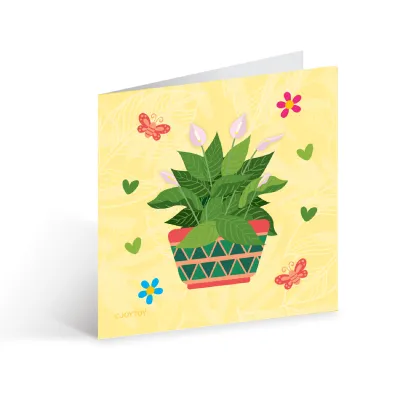
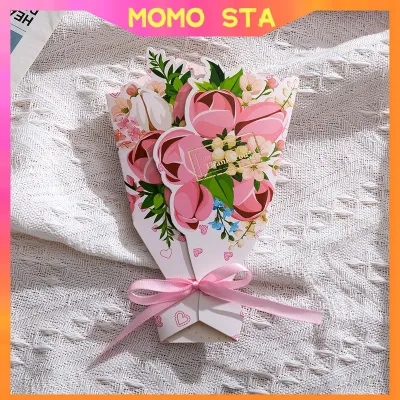
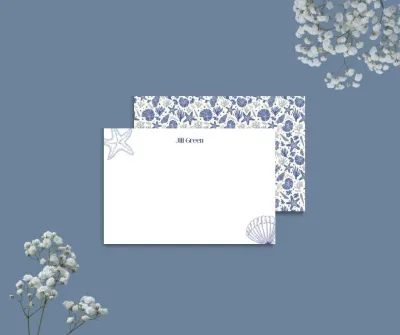
Prices are valid at publication and may change. Please refer to the product page for the latest price.
Cultural nuances also play a significant role in your choice. In the Philippines, there is a strong emphasis on close-knit family ties and deep respect for elders. Cards for older relatives or respected mentors should lean toward classic, sentimental designs that leave ample room for a handwritten message of gratitude. Balancing these social dynamics helps you select a card that feels thoughtful rather than generic.
Greeting Card Styles for Life Milestones
Major life transitions represent key moments of shared joy and community support. Choosing a card style that aligns with the specific milestone elevates the presentation of your gift and honors the recipient’s journey.

Weddings, Anniversaries, and Debuts
Weddings and significant wedding anniversaries are highly formal, traditional affairs that demand sophisticated stationery. Look for cards featuring elegant serif or calligraphy-style typography, delicate floral motifs, or subtle metallic foil accents in gold, silver, or rose gold. These design elements mirror the celebratory yet solemn nature of the vows being honored.
For a debut—the traditional coming-of-age celebration for young women—the card design should strike a balance between formal elegance and youthful energy. Pastel color schemes, watercolor illustrations, and modern geometric patterns with metallic highlights work exceptionally well.
Because these milestones often involve extended family members who wish to write collective blessings, prioritize cards that feature a clean, blank interior. Having ample writing space allows multiple family members to pen their individual wishes without crowding the page or compromising the card’s visual presentation.
Birthdays and Graduations
Birthdays offer the widest creative freedom, allowing you to match the card directly to the recipient’s personality. For casual celebrations, bright color palettes, playful hand-drawn graphics, or cards with photo-insert slots are highly engaging. These cheerful designs set a festive tone and complement a variety of gifts.
Graduations and professional board exam achievements call for a different aesthetic. Opt for inspiring, clean, or school-color-themed designs that reflect the hard work and dedication of the achiever. Academic motifs, such as minimalist mortarboards or elegant laurel wreaths, paired with motivational typography, are excellent choices.
When preparing a card for an office colleague or a classmate, verify that the card layout supports group gifting. A larger, bi-fold or tri-fold card format provides the necessary surface area for multiple signatures and short notes from the entire team, ensuring everyone can participate in the congratulations.
Holiday and Seasonal Card Designs
The holiday calendar brings unique opportunities to connect with loved ones near and far. Selecting designs that resonate with seasonal traditions adds a personal touch to your annual greetings.
Christmas and New Year Traditions
The Christmas season in the Philippines is famously long and deeply family-oriented. While classic winter imagery like snow-covered pines and holly berries remains popular, cards featuring local festive elements—such as the iconic star-shaped lantern or tropical holiday motifs—offer a highly resonant touch. These designs capture the warmth of a local Christmas.
Because holiday card lists often extend to numerous relatives, neighbors, and professional contacts, purchasing multi-pack or boxed card sets is a practical approach. This ensures you have a cohesive set of high-quality cards ready for distribution throughout the festive season.
Before finalizing your purchase, verify that the card dimensions fit standard mailing envelopes. If you plan to send your holiday wishes through local postal services or courier networks, standard-sized cards prevent shipping delays and ensure the envelopes fit within standard sorting guidelines.
Family Appreciation Days
Occasions like Mother’s Day, Father’s Day, and Grandparents’ Day are highly valued opportunities to express deep gratitude. For these celebrations, prioritize warm, sentimental illustrations or high-quality photo-print cards that visually emphasize family bonds. Soft color palettes, hand-painted floral designs, or classic, comforting imagery work best.
The internal message space is critical for these cards. Expressing gratitude is a core cultural value, and you will want enough blank space to write a detailed, heartfelt message detailing specific memories or expressions of thanks.
To make the gesture truly memorable, avoid overly generic, pre-printed templates that leave little room for personal touch. Look for designs that allow you to write your own narrative, or choose cards with minimal pre-written text so your personal voice remains the focal point of the greeting.
Selecting Cards for Cash and Gift Cards
Giving monetary gifts or a versatile gift card is a highly popular and practical choice for many local celebrations. However, presenting these gifts securely requires a card designed specifically to handle the physical weight and dimensions of cash or plastic cards.
When shopping, look for cards that feature built-in diagonal slits, secure interior pockets, or attached mini-envelopes. These structural elements are designed to hold a standard-sized gift card or folded bills firmly in place, preventing them from shifting or sliding out when the recipient opens the card.
The structural rigidity of the card stock is another critical factor. Lightweight paper can easily bend, crease, or tear under the weight of a plastic card. Opt for heavy-duty card stock, typically 300 GSM (grams per square meter) or higher, to ensure the card maintains its shape and protects the valuable contents inside during transit or handling.
For formal events like weddings or baptismal celebrations, traditional money cards or modern envelope-style holders are highly appropriate. These designs combine the elegance of a formal greeting card with the functionality of a secure cash envelope, allowing you to present your gift with grace and discretion.
Stationery Checks: Paper Weight, Size, and Finishes
The tactile experience of receiving a card is determined by its physical construction. Conducting a few quick stationery checks before purchasing ensures your card looks professional and stands up to the writing process.
First, examine the paper weight and thickness, which is often indicated on the packaging in GSM. A high-quality card should feel substantial in the hand; look for options between 250 GSM and 350 GSM. This thickness not only feels premium but also provides excellent bleed resistance, preventing heavy ink from soaking through to the back of the card.
Next, verify the exact dimensions of both the card and its accompanying envelope. If you are inserting a standard gift card or a printed voucher, ensure there is at least a few millimeters of clearance on all sides to prevent the card from bulging or tearing the envelope seams.
Finally, inspect the surface finish of the card’s interior. While glossy finishes look vibrant on the outside, they can be highly challenging to write on. If you prefer using standard gel pens or fountain pens, look for cards with a matte, uncoated, or slightly textured interior. These surfaces allow ink to dry quickly, preventing smudges and ensuring your handwriting remains clean and legible.
Frequently Asked Questions (FAQ)
What is the best pen to use on glossy greeting cards?
Standard ballpoint pens or water-based gel pens often struggle on glossy surfaces, leading to smearing, slow drying times, or ink pooling. If you must write on a glossy interior, check the pen manufacturer’s specifications for quick-dry, permanent, or pigment-based ink options, such as fine-tip permanent markers. To ensure compatibility, always perform a quick test by writing a small stroke on an inconspicuous area, such as the back flap of the card or the inside fold, and let it sit for a few seconds to verify the drying speed and smudge resistance.
Can I use the same greeting card design for a godparent and a close friend?
It is generally best to use different card styles due to the differing levels of formality and respect associated with these relationships. A card for a godparent should reflect a respectful, appreciative tone, utilizing elegant, classic designs and traditional layouts. In contrast, a card for a close friend can be highly casual, humorous, or modern. If you must use a single card design for multiple recipients, select a versatile, elegant, and neutral style—such as a minimalist gold-foil design on high-quality cream paper—which carries a universal appeal suitable for any recipient.
Community discussion
Share your experience or ask a question. Comments are reviewed before publication.