
Selecting a paint for leather projects requires understanding how different chemical formulations interact with organic and synthetic skins. Whether you are restoring a cherished handbag, customizing a pair of sneakers, or updating leather furniture, paint compatibility depends on the specific leather finish, project flexibility needs, and the paint’s chemical formulation, rather than a single universal winner. Applying the wrong paint can lead to sticky surfaces, rapid cracking, or permanent damage to the material. To avoid these issues, always check manufacturer labels for “leather-safe,” “flexible,” or “multi-surface” claims before purchasing.
Before selecting any paint, you must identify the type of leather you are working with. Finished leather, which is common in commercial goods, features a protective factory topcoat that repels liquids and prevents paint from adhering unless properly prepared. Unfinished leather, such as suede or nubuck, is highly porous and absorbs liquids rapidly, which can cause paints to stiffen the texture. Synthetic or faux leather, often made from polyurethane or polyvinyl chloride, behaves like plastic and requires paints with exceptional surface adhesion. In tropical climates like the Philippines, high humidity and ambient heat can significantly alter how paint cures, making proper material identification and paint selection even more critical to prevent a tacky, ruined finish.
Evaluating Acrylic Paints for Leather Projects
Standard craft acrylic paints are widely available in stationery and art supply stores, but using them directly on leather presents distinct challenges. Acrylic paints are water-based polymer emulsions that dry to a plastic-like film. While this film is relatively durable on rigid surfaces like wood or canvas, it lacks the elasticity required for flexible leather items. When applied to a leather wallet, belt, or shoe that bends during daily use, standard craft acrylics are highly prone to stiffness, cracking, and eventual peeling. The paint film simply cannot stretch in tandem with the underlying leather fibers.
Products mentioned in this guide

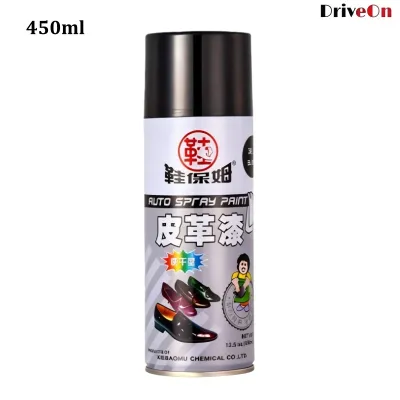
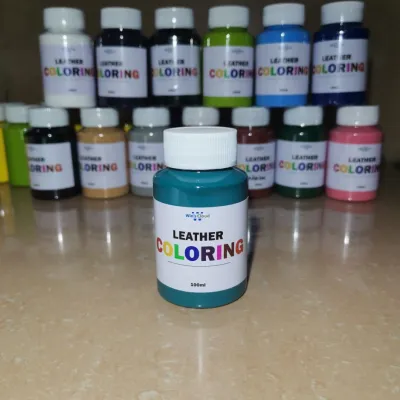
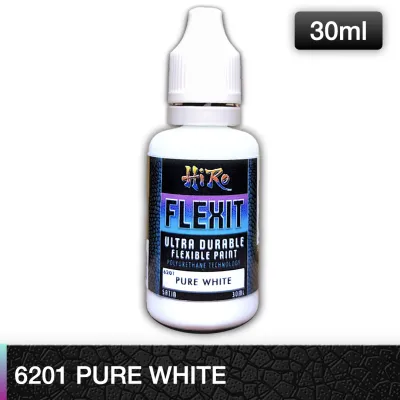
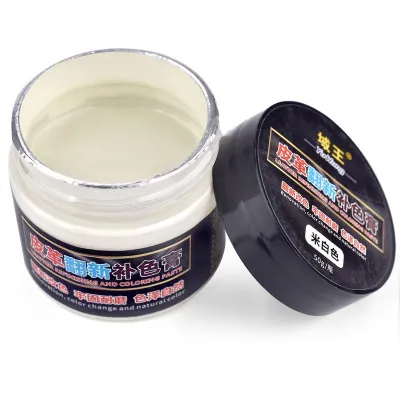
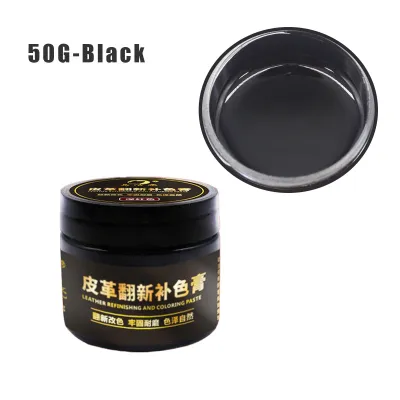
Prices are valid at publication and may change. Please refer to the product page for the latest price.
To overcome these limitations, you can modify standard acrylic paints using specialized acrylic mediums or fabric additives. According to product instructions, mixing a flexible medium into your acrylic paint alters its chemical structure, increasing its elasticity and improving its bond with flexible substrates. These mediums dilute the pigment concentration slightly but allow the cured paint layer to bend without fracturing. When using modified acrylics, it is essential to apply the mixture in multiple paper-thin layers rather than one thick coat, allowing each layer to dry completely to build a resilient, flexible finish.
Before committing to a full application of modified acrylics, verify the product labels for compatibility with flexible surfaces. Look for terms like “flexible medium,” “fabric modifier,” or “multi-surface acrylic.” Always conduct a hidden spot test on your specific item to observe how the modified paint behaves on that particular leather finish.
Assessing Oil-Based Paints and Their Limitations
Oil-based paints and traditional artist oils are generally problematic for leather projects and are rarely recommended for functional items. The primary risk associated with oil-based formulations is the chemical interaction between the paint’s solvents and the leather’s natural fibers. The oils can seep deep into the leather, degrading the collagen structure over time and causing the material to become brittle or rot. Additionally, oil paints cure through a slow process of oxidation rather than simple evaporation. In warm, humid environments, this curing process can be severely delayed, leaving the leather surface sticky, tacky, and prone to collecting dust for weeks or even months.

Flexibility is another major limitation of oil-based paints. As oil paint cures, it forms a hard, rigid, and brittle crystalline structure. While this rigidity is excellent for preserving fine details on a stretched canvas, it is highly unsuitable for moving or bending leather surfaces. Any flexing, folding, or stretching of the leather will cause the cured oil paint to fracture and flake off in large pieces.
Because of these chemical and physical limitations, you should consult leather care manufacturers or product warnings before attempting any oil-based application. If an oil-based paint must be used for a purely decorative, non-flexing leather display piece, it requires specialized primers and barrier coats to protect the leather fibers from direct contact with the oil.
Selecting Specialized Leather Paints and Dyes
For durable and flexible results, dedicated leather coloring products are the primary option. These products are formulated specifically to bond with leather fibers while maintaining the material’s natural pliability. When shopping, it is important to differentiate between leather paints and leather dyes based on manufacturer descriptions. Leather paints are highly elasticized, acrylic-based surface coatings that sit on top of the leather, allowing you to apply opaque colors, light over dark, or intricate designs. Leather dyes, conversely, are translucent, penetrating liquids (either alcohol- or water-based) that sink deep into the pores to color the leather from within, preserving the natural texture without adding a surface layer.
When selecting a specialized leather paint, perform key label checks to ensure the product matches your project needs. Look for indications of built-in flexibility, adhesion promoters, and the specific finish type, such as matte, satin, or high-gloss. Some formulations are designed specifically for athletic footwear, while others are tailored for softer upholstery or garment leather.
Regardless of the specialized product you choose, successful application depends heavily on surface preparation. You must clean and prepare the surface strictly as specified by the product manufacturer. This process typically involves using a leather preparer or deglazer to strip away the factory finish, oils, and waxes. Skipping this step prevents the specialized paint from bonding directly to the leather, leading to premature peeling despite the paint’s high quality.
How to Test and Verify Your Chosen Paint
Before applying any paint to the visible areas of your leather item, establish a practical testing framework to verify compatibility and performance. Begin by selecting an inconspicuous area on the item, such as an inside seam, the underside of a strap, or a hidden fold near the bottom. Clean this small test patch thoroughly using the manufacturer’s recommended preparation method to ensure no surface oils interfere with the test.
Apply a thin, even coat of your chosen paint to the test area and allow it to dry completely. In humid tropical conditions, drying may take longer than the manufacturer’s standard estimate, so allow at least 24 hours for the paint to cure fully. Once dry, evaluate the test patch using observable success criteria. Flex and bend the leather back and forth repeatedly to simulate daily wear. Check for any signs of peeling, cracking, or flaking. Next, gently rub the painted area with a dry white cloth, and then with a damp white cloth, to verify that there is no color transfer or bleeding.
If the paint passes these checks, you can proceed with your project. However, establish clear stop conditions: if the paint remains sticky or tacky after 48 hours, cracks immediately upon flexing, or transfers color onto the cloth, abandon the paint choice. In such cases, do not attempt to cover the issue with more paint; instead, seek professional leather restoration advice or switch to an alternative product specifically formulated for your leather type.
Frequently Asked Questions (FAQ)
Can I use regular wall paint on leather furniture?
Standard architectural wall paints are formulated for rigid, stationary surfaces like drywall, concrete, or wood. They lack the extreme flexibility and specialized adhesion promoters required to bond with pliable leather upholstery. Applying wall paint to a leather sofa or chair will result in rapid cracking, peeling, and a rough, uncomfortable texture. Before applying any coating to leather furniture, always check the furniture manufacturer’s warranties and care instructions, as unauthorized paint applications typically void all service agreements.
Do I need a sealant after painting leather?
Whether you need a sealant depends on the specific paint formulation you use. Some specialized leather paints are formulated with built-in sealers and do not require an additional topcoat for light-use items. However, for high-wear items like shoes, bags, or furniture, applying a separate, flexible acrylic finisher or sealant provides essential protection against moisture, friction, and dirt. Always verify the chemical compatibility between your chosen paint and sealant by consulting the manufacturer’s guidelines to prevent cloudiness or peeling.

Community discussion
Share your experience or ask a question. Comments are reviewed before publication.