
Selecting the right leather spray paint formula depends entirely on the physical demands of the item you plan to restore. Shoes require maximum flexibility to handle constant creasing, bags need fold resistance and friction protection to prevent color transfer, and furniture demands high abrasion resistance and large-area coverage. Because there is no single universal formula that excels at all three without trade-offs, understanding how to read product labels and verify paint performance is essential for a successful DIY project.
In tropical environments where high humidity and warm temperatures are common, paint curing times and adhesion can be significantly affected. Moisture in the air can trap solvents, leading to a tacky finish or premature peeling if the wrong formula is applied. By matching the specific demands of your leather item to the correct paint characteristics and performing simple compatibility tests, you can achieve a durable, professional-looking finish that lasts.
Understanding Leather Spray Paint Formulas
To choose the right leather spray paint, you must first understand the key performance traits indicated on product labels. Leather is a unique, porous, and highly flexible medium, meaning standard multi-purpose spray paints will quickly crack and flake off. Dedicated leather spray paints are formulated with specialized acrylic or polyurethane binders that bond with the leather fibers while remaining pliable after drying.
Products mentioned in this guide
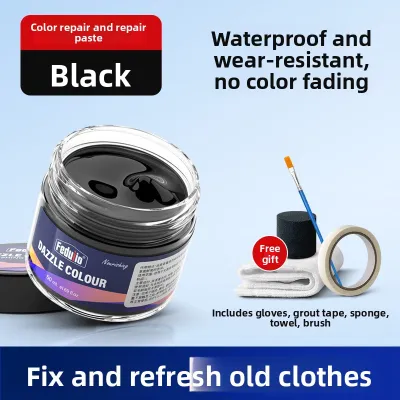
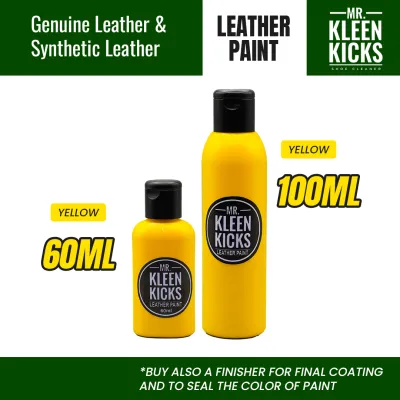
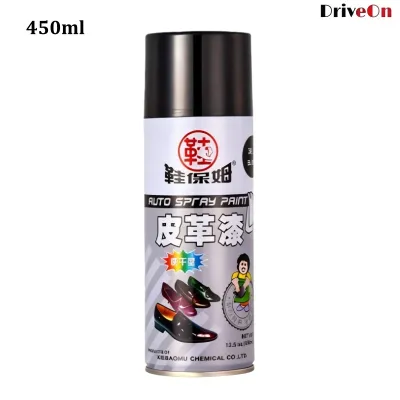
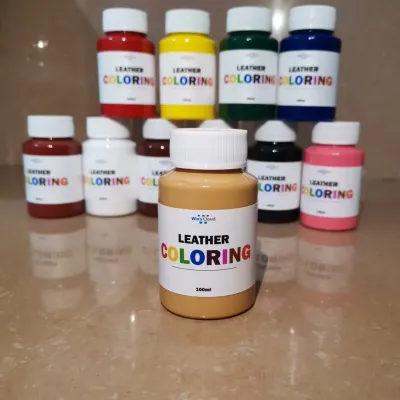
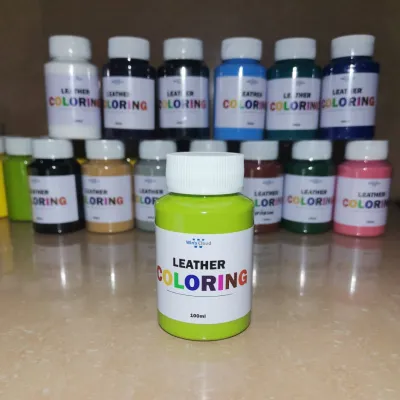
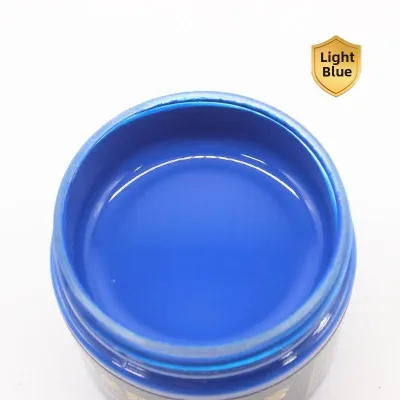
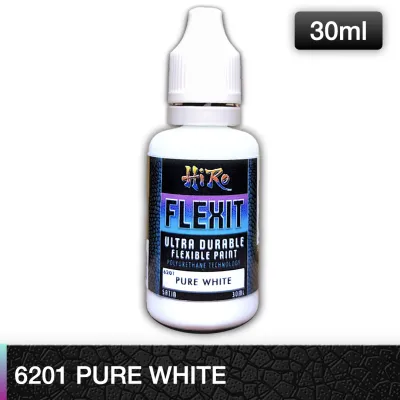
Prices are valid at publication and may change. Please refer to the product page for the latest price.
When evaluating different formulas, pay close attention to the finish type, which typically ranges from matte to satin and high gloss. The finish not only dictates the final look of your item but also influences how the surface reflects light and hides imperfections. Always check the manufacturer’s label for explicit compatibility with your specific leather type, whether it is genuine top-grain leather, bonded leather, or synthetic alternatives like polyurethane (PU) leather.
Additionally, different formulations have varying drying times, curing windows, and ventilation requirements. Solvent-based spray paints often dry faster but emit strong fumes, requiring a well-ventilated outdoor workspace. Water-based acrylic sprays are more forgiving and have lower odor levels, but they may require longer curing times in humid conditions. Always verify these environmental requirements on the can before beginning your project.
Matching Paint Properties to Shoes, Bags, and Furniture
Every leather item experiences a distinct set of physical stresses during daily use. A pair of boots undergoes sharp, localized bending with every step, while a handbag is subjected to constant folding, compression, and contact with skin oils. Furniture, on the other hand, must withstand sustained body weight, friction, and heat over large surface areas without becoming sticky.

To ensure your paint job survives these daily challenges, you must align the paint’s physical properties with the item’s specific stress factors. Looking for targeted keywords on the product packaging is the most reliable way to identify a compatible formula. Use this quick checklist of label specifications when shopping for your project:
- For Shoes: Look for "maximum flexibility," "crack-resistant," "footwear-compatible," and "elastic formula."
- For Bags: Look for "transfer-resistant," "colorfast," "friction-safe," and "flexible finish."
- For Furniture: Look for "high-coverage," "abrasion-resistant," "upholstery-safe," and "non-tacky formula."
Shoes: High Flexibility and Scuff Resistance
Footwear presents the most demanding environment for any leather paint due to the constant mechanical movement of walking. The leather at the toe box and heel creases repeatedly, meaning any paint that dries to a rigid finish will crack and peel within hours of wear. For shoes, you must select a highly elastic acrylic formula designed specifically to stretch and compress alongside the leather.
In addition to flexibility, shoes face constant exposure to ground moisture, dirt, and physical impacts. To protect your painted surface, verify that the spray paint is compatible with a protective, water-resistant topcoat or scuff-resistant sealer. Applying a compatible sealer helps shield the pigment from puddles and accidental kicks.
Avoid using standard craft spray paints or rigid plastic paints on footwear. These products lack the necessary elastic binders and will quickly separate from the leather surface under the physical stress of foot movement. Investing in a dedicated footwear-grade spray paint ensures the color remains locked into the fibers even at major flex points.
Bags: Fold Resistance and Finish Durability
Handbags, backpacks, and wallets require a paint formula that can handle frequent folding, squeezing, and overstuffing without losing its structural integrity. When a bag is compressed or set down, the painted surface must bend smoothly without developing micro-fissures. A highly pliable acrylic-polyurethane hybrid spray paint is often ideal for these items.
Because bags are held constantly and rest against your body, the painted finish must be exceptionally durable and resistant to friction. Daily contact with clothing, natural hand oils, cosmetics, and sweat can easily degrade a weak paint film. Without a durable barrier, the paint can soften, leading to unsightly smudges and wear spots around handles and straps.
To prevent the paint from rubbing off onto your clothes, always check the manufacturer’s instructions to see if a dedicated leather sealer is required. A sealer acts as a protective lock, ensuring the pigment remains colorfast and transfer-resistant. This step is especially critical for dark paint colors applied to bags that will be worn against light-colored clothing.
Furniture: Large Coverage and Abrasion Resistance
Painting leather sofas, armchairs, or office chairs requires a formula designed specifically for large surface areas. Standard small-can spray paints often produce a narrow spray pattern that can lead to uneven lines and visible lap marks on wide cushions. Look for furniture-specific leather sprays that feature adjustable fan nozzles, which allow for a wider, more uniform mist.
Furniture must also withstand significant abrasion and body heat without becoming tacky. When you sit on a leather sofa, your body heat can soften low-quality paint formulas, causing them to stick to your skin or clothing. A high-grade upholstery spray paint is formulated to resist this thermal softening, maintaining a smooth, dry-to-the-touch feel even after hours of use.
Before purchasing, always calculate the required quantity by checking the recommended coverage area per can listed on the label. A standard three-seater sofa will require multiple cans to achieve full, even coverage. Buying all your cans from the same production batch ensures color consistency across the entire piece of furniture.
How to Verify Adhesion and Flexibility Before Painting
Because leather finishes vary wildly based on how they were tanned and treated at the factory, you must always verify paint compatibility before spraying the entire item. Performing a simple, structured test on a hidden area will save you from ruined items and costly mistakes. Follow these steps to conduct a reliable compatibility and flexibility test:
- Select a Hidden Test Spot: Choose an inconspicuous area on your item, such as the inner tongue of a shoe, the inside seam of a bag, or the underside of a furniture cushion.
- Apply a Test Coat: Clean the test area thoroughly, then spray a single, thin coat of the leather paint. Allow it to dry completely according to the manufacturer's recommended drying time.
- Perform the Tactile and Visual Check: Inspect the dried area under bright light. Look for any immediate bubbling, discoloration, or chemical reactions with the original leather finish. Touch the surface to ensure it is dry and not sticky.
- Conduct the Bend Test: Firmly bend, twist, and crease the painted test area several times to simulate daily wear. Examine the creased paint closely for any signs of micro-cracking, flaking, or lifting.
If the test area remains sticky, cracks, or lifts away from the leather, do not proceed with the project. These signs indicate that the paint formula is incompatible with the leather’s existing finish or treatment. In such cases, stop the application and consult the paint manufacturer or a professional leather restoration specialist for guidance.
Preparation and Application Tips for Different Leather Items
Proper surface preparation is the single most important factor in ensuring your leather spray paint adheres correctly and lasts for years. Paint cannot bond to leather that is coated in factory sealers, dirt, or body oils. Begin by cleaning the surface thoroughly with a dedicated leather prep cleaner or deglazer, which strips away old waxes and protective finishes to expose the raw leather fibers.
Once the surface is clean and completely dry, use high-quality painter’s tape to mask off any non-leather components. Carefully cover shoe soles, metal buckles, zippers, and stitching that you want to keep paint-free. Press the edges of the tape down firmly with your fingernail to prevent the fine mist of the spray paint from seeping underneath.
When you are ready to paint, remember that multiple thin coats are always superior to one thick layer. Spraying too heavily traps solvents beneath the surface, leading to a sticky finish, bubbles, and reduced flexibility. Hold the can at the manufacturer’s recommended distance—usually 20 to 30 centimeters—and apply light, sweeping passes, allowing each coat to dry fully before applying the next. This technique preserves the natural grain texture of the leather while building a strong, flexible color barrier.
Frequently Asked Questions (FAQ)
Can I use the same leather spray paint for both shoes and furniture?
While some multi-surface leather spray paints are marketed for general use, using a single formula for both shoes and furniture carries risks. Shoes require extreme elasticity to survive constant creasing, whereas furniture requires high abrasion resistance and large-area coverage to prevent tackiness from body heat. A general-purpose paint may compromise on these specialized needs, leading to cracking on shoes or stickiness on a sofa. Always check the manufacturer’s label to ensure both footwear and upholstery are explicitly listed before attempting cross-application.
Do I need a clear topcoat after spray painting leather bags?
Applying a compatible clear topcoat after painting a leather bag is highly recommended to protect your work from daily wear. A topcoat acts as a sacrificial barrier, absorbing the friction from your clothes and hands while preventing the underlying paint from rubbing off or transferring color. Before applying a topcoat, verify its compatibility on the paint manufacturer’s label. Using incompatible brands or formulas can trigger an adverse chemical reaction, resulting in a cloudy, sticky, or peeling finish that ruins your bag.
Community discussion
Share your experience or ask a question. Comments are reviewed before publication.