
Choosing the best loop bag for a birthday gift depends on matching the bag’s physical dimensions and material strength to the gift’s weight, while selecting a design that aligns with the recipient’s personal style. The ideal presentation balances structural integrity—ensuring the handles and base can support the item—with aesthetic details like vibrant colors, coordinated tissue paper, and secure closures. By focusing on precise measurements and durable handle styles, you can elevate a simple gift into a memorable, beautifully wrapped surprise that survives transit in humid tropical climates.
Sizing Your Loop Bag for Different Birthday Gifts
To achieve a flawless presentation, you must first determine the exact physical dimensions of your gift. Relying on generic size labels like “small” or “large” often leads to disappointment, as sizing standards vary wildly between manufacturers. Instead, look for the exact measurements printed on the packaging or listed on online marketplace product descriptions, focusing on height, width, and gusset depth (the expandable side or bottom panel of the bag).
For standard rectangular items like book boxes, board games, or framed pictures, measure the longest side, the shortest side, and the thickness of the box. Your chosen loop bag should have a width and height that exceed the box’s dimensions by at least two to three centimeters on each side. The gusset depth is particularly crucial; if the bag’s bottom is narrower than the thickness of your gift box, the paper or fabric will stretch, warp, or tear along the seams, ruining the clean lines of your presentation.
Products mentioned in this guide
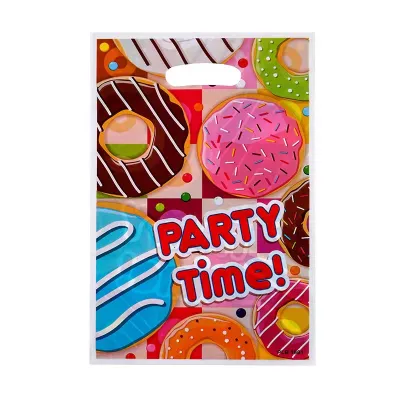
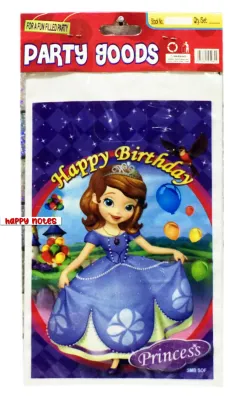
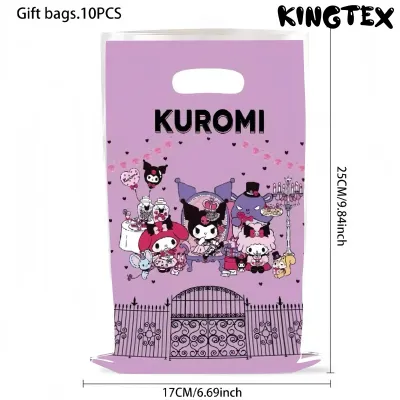
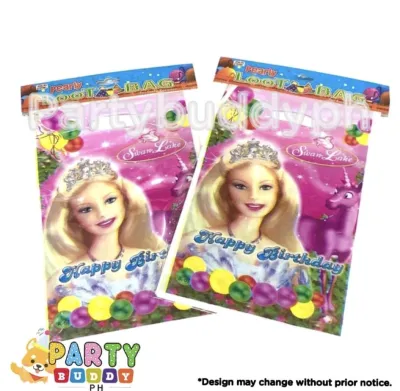
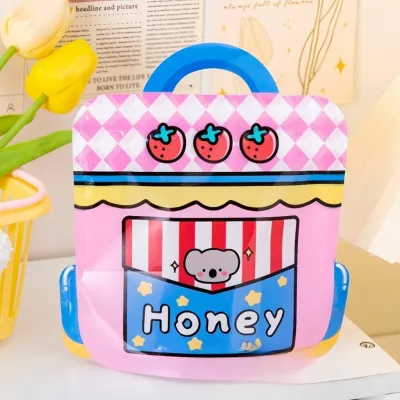
Prices are valid at publication and may change. Please refer to the product page for the latest price.
For irregularly shaped items like plush toys or cylindrical bottles, treat them as if they were enclosed in a virtual rectangular box, measuring the maximum width, height, and depth at their widest points. Selecting a bag with a slightly wider gusset and a sturdy, flat bottom helps maintain stability and prevents the bag from tipping over on the gift table. Always factor in an extra three to five centimeters of clearance at the top and sides for decorative elements like tissue paper or bubble wrap, ensuring the bag does not bulge awkwardly or split under pressure.
Selecting Handle Styles and Design Themes
The handles of a loop bag serve both a functional and an aesthetic purpose, acting as the primary carrying mechanism while framing the top of your presentation. Ribbon loops, often made of satin or grosgrain, offer a soft, luxurious feel that is perfect for milestone birthdays, romantic gifts, or elegant celebrations. However, because ribbon is smooth and flexible, it is best suited for lightweight to medium-weight gifts, as heavy items can cause the ribbon to pull through the eyelets or strain the user’s hands.

For heavier presents like books, gourmet food jars, or small home decor items, twisted paper ropes or thick cotton cords provide superior grip and structural support. Twisted paper handles, commonly found on high-quality kraft paper bags, are stiff and resilient, distributing weight evenly across the top fold of the bag. If you prefer a minimalist or modern look, die-cut handles—where the carrying holes are punched directly into the reinforced upper collar of the bag—offer excellent stability and a clean silhouette, though they limit the amount of tissue paper that can rise above the rim.
Before purchasing, inspect the reinforcement at the handle attachment points; high-quality bags feature a glued cardboard patch along the inside collar to prevent tearing under tension. The visual design of the bag should also resonate with the birthday celebrant’s age and the party’s overall theme. For children’s birthdays, bright primary colors or playful illustrations create instant excitement, while adult celebrations benefit from sophisticated geometric patterns, metallic foil accents, or muted pastel tones that match the party decorations.
Evaluating Materials for Presentation and Reusability
The material of your loop bag dictates not only its visual appeal but also its durability and potential for reusability. In warm, humid environments like the Philippines, paper bags can lose their stiffness if exposed to moisture or high humidity for extended periods. Checking the paper weight—measured in grams per square meter (GSM) on the product label—is an excellent way to gauge durability; look for bags made from at least 120 GSM paper to ensure they maintain their shape and do not sag on a humid afternoon.
Kraft paper bags offer a rustic, organic charm that is highly customizable and environmentally friendly, while glossy coated paper bags provide a vibrant, high-contrast canvas for printed graphics. For a premium gift or a presentation that doubles as a secondary keepsake, non-woven fabric loop bags are an outstanding alternative. These fabric bags are highly resistant to tearing, completely unaffected by humidity, and can be reused by the recipient for shopping or daily errands long after the birthday celebration has ended.
When planning a large birthday gathering, such as a child’s party or a major family reunion, balancing the cost per bag in ₱ is essential. Purchasing simple kraft or lightweight glossy bags in bulk packs from online marketplaces or local stationery wholesalers keeps your budget manageable, allowing you to spend more on the gifts themselves. Conversely, for single, high-value milestone celebrations like a debut or a golden wedding anniversary, investing in a single premium, heavy-duty bag with foil stamping and fabric handles is well worth the extra expense.
Assembling and Securing the Birthday Gift Presentation
A beautifully selected loop bag is only as good as the presentation inside. To begin assembling your gift, place a layer of crumpled tissue paper or colorful crinkle-cut paper filler at the very bottom of the bag. This bottom layer acts as a shock-absorbing cushion, protecting fragile items from impact when the bag is set down on hard surfaces, while also elevating shorter items so they sit prominently within the bag.
Once the gift is centered inside, gently tuck sheets of tissue paper around the sides to fill any empty space and prevent the item from shifting during transport. To create the classic “blooming” effect at the top, grab a sheet of tissue paper by the center, give it a quick flick to form a cone shape, and tuck the pointed end into the bag, allowing the flared edges to rise elegantly above the rim. This technique completely conceals the gift from curious eyes while adding a festive burst of color.
Personalization adds a heartwarming touch to any birthday gift presentation. Attach a customized gift tag, a handwritten card, or a small decorative charm directly to one of the loop handles using a piece of twine or a thin ribbon, ensuring it remains highly visible on a crowded gift table. Finally, secure the opening of the bag to protect the contents during travel by tying built-in ribbon ties into a neat bow or using a small piece of decorative washi tape to seal the top folds together.
Frequently Asked Questions (FAQ)
How do I prevent heavy gifts from tearing the loop handles?
To protect heavy birthday gifts like books, heavy glassware, or electronics, always verify the manufacturer’s weight guidelines on the packaging before packing. If the gift is near the limit, reinforce the bottom of the bag internally with a custom-cut piece of thick cardboard to distribute the weight evenly across the base. When carrying the gift, make it a habit to support the bottom of the bag with one hand while holding the loop handles with the other, which significantly reduces the upward tension on the handle joints. If the gift is exceptionally heavy, bypass paper bags entirely and opt for a heavy-duty non-woven fabric bag with stitched handles.
What is the best way to wrap irregularly shaped items in a loop bag?
Irregularly shaped items can cause loop bags to bulge, tilt, or tear if not packed correctly. The most effective solution is to place the odd-shaped item inside a rigid, plain inner box before sliding it into the loop bag, which provides a clean, uniform shape and protects the bag’s seams. If a box is not available, wrap the item securely in several layers of bubble wrap or thick packing paper to smooth out sharp edges. Fill the bottom and sides of the loop bag with plenty of dense crinkle-cut paper filler to cradle the item, preventing it from shifting or poking through the delicate paper walls during transit.

Community discussion
Share your experience or ask a question. Comments are reviewed before publication.