
Selecting the ideal memo pad for daily office use in the Philippines requires balancing your specific writing workflow with the physical demands of your workspace. Because office tasks range from taking quick phone messages to documenting lengthy board meetings, a single pad format rarely fits every situation. The best choice is one that matches your daily tasks, accommodates your preferred writing instruments, and withstands local environmental factors like high humidity.
By understanding how different sizes, bindings, and paper styles interact with your daily routine, you can build a more organized and efficient desk setup. Rather than grabbing the nearest generic pad, taking a systematic approach to your stationery selection will prevent lost notes, reduce desk clutter, and improve your overall writing comfort.
Key Factors for Choosing an Office Memo Pad
To find the right memo pad, you must first evaluate the physical and functional dimensions that impact how you write and how you store your notes. The physical footprint of your stationery determines how much desk space remains for your keyboard, mouse, and other essential office tools.
Products mentioned in this guide
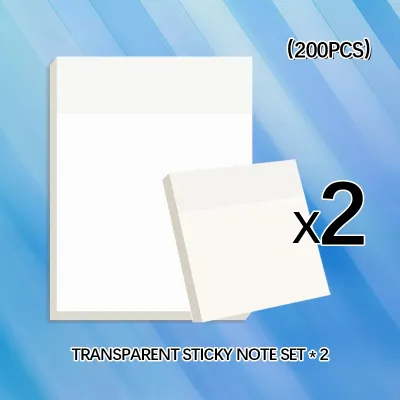
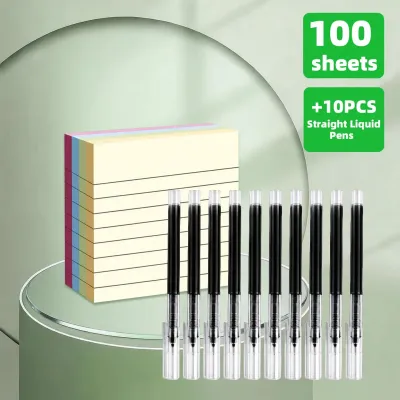
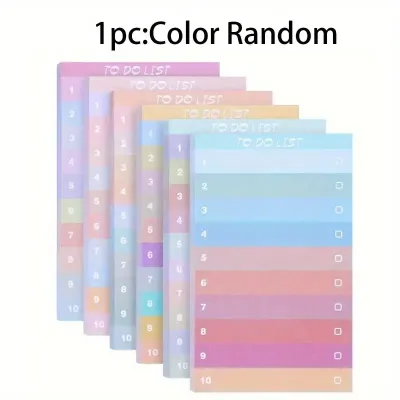
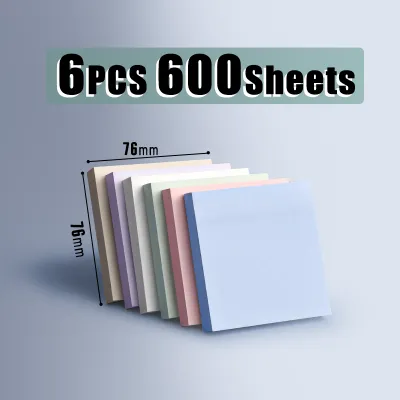
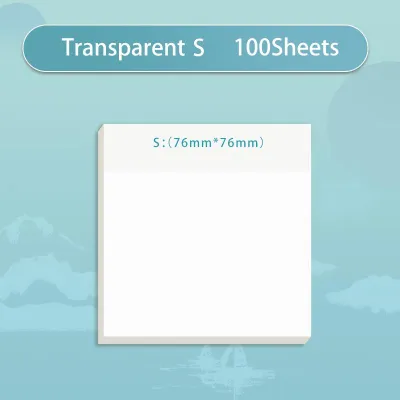
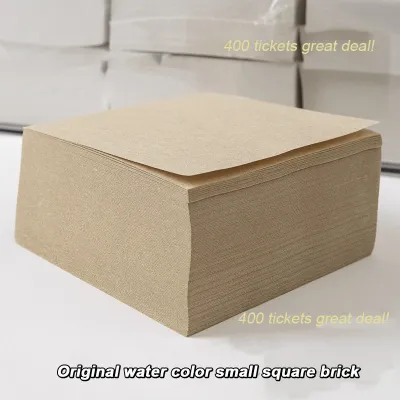
Prices are valid at publication and may change. Please refer to the product page for the latest price.
Size standards play a critical role in desk organization and portability. Standard A4 pads (210 x 297 mm) offer a generous writing area but require a significant amount of clear desk space, making them best suited for dedicated drafting zones. B5 pads (176 x 250 mm) serve as an excellent middle ground, popular in professional settings for providing ample writing room without overwhelming a compact workstation. A5 pads (148 x 210 mm) are highly versatile, fitting neatly alongside a laptop or keyboard, while A6 pads (105 x 148 mm) and smaller pocket formats are designed for rapid, short-form note-taking and maximum portability.
Binding styles directly affect how easily you can turn pages, how flat the pad lies on your desk, and how cleanly sheets can be removed. Top-bound pads are highly favored by both left-handed and right-handed writers because the binding stays completely out of the way of the writing hand. Glue-bound pads allow for seamless, residue-free sheet removal, turning your pad into a source of individual, shareable notes. Side-bound and wire-o (spiral) bindings keep pages securely attached, making them ideal for chronological record-keeping, though the physical spiral can sometimes obstruct your hand when writing near the margins.
Paper ruling options dictate the visual structure of your notes and should align with your specific writing or sketching habits. Ruled or lined paper is the traditional choice for text-heavy notes, keeping your handwriting straight and legible. Grid or graph paper provides precise horizontal and vertical guides, making it excellent for structuring tables, tracking data, or drawing quick diagrams. Dotted paper offers a subtle compromise, providing faint alignment guides for both writing and sketching without the visual clutter of solid lines. Blank paper offers complete creative freedom, though it requires more control to keep your writing neat and aligned.
Matching Memo Pad Formats to Your Daily Workflow
An office worker’s day is rarely uniform, often transitioning from rapid phone calls to structured meetings and long-term project planning. Using a single type of pad for all these tasks often leads to cluttered desks or lost information. By categorizing your daily tasks, you can select a targeted format that streamlines your specific workflow.

Quick Notes and Task Tracking
During a busy workday, you often need to jot down a quick phone number, a delivery tracking code, or a sudden task from a colleague. For these fleeting moments, a small to medium-sized memo pad, such as an A6 or a specialized pocket pad, is highly efficient. These compact sizes occupy minimal space on your desk, allowing them to sit right next to your telephone or keyboard for instant access.
These pads should feature top-bound or glue-bound construction with clean perforations. This design allows you to tear off a completed task list or a message slip easily, passing it to a coworker or discarding it once the task is resolved. The ability to quickly remove sheets keeps your active workspace free of outdated information.
Ruled or checklist-style layouts are particularly effective for this workflow. They provide immediate visual structure, allowing you to scan your active tasks at a glance and cross them off systematically throughout the day. This setup ensures that urgent reminders remain highly visible and organized.
Meeting Minutes and Document Drafting
When capturing detailed discussions during a board meeting or drafting the initial outline of a project proposal, small pads quickly become frustrating. Larger formats like B5 or A4 are essential to accommodate paragraphs of text and complex diagrams. These sizes provide the physical space needed to organize thoughts without constantly flipping pages.
For these longer sessions, side-bound or wire-o bindings are preferred. They allow you to flip pages back and forth easily to reference earlier points without tearing the sheets out. The pages remain secure, creating a reliable chronological archive of your meetings that you can refer back to weeks later.
High-quality ruled paper with clear margins is ideal for this workflow. The margins provide space for adding follow-up actions, dates, or highlight markers later, ensuring your drafted documents remain highly readable and professional. This structure helps you transition raw meeting notes into actionable office tasks.
Desk Reference and Project Planning
Some tasks require a broader canvas that stays visible on your desk throughout the week. Oversized desk-mat style memo pads, which sit directly under your keyboard or mouse, serve as an excellent visual dashboard for weekly goals and project timelines. They keep your high-level priorities constantly within your line of sight.
Grid or dotted paper patterns are highly beneficial for this style of planning. They allow you to draw flowcharts, map out website wireframes, or create custom tracking columns without needing a ruler. The structured background supports both creative brainstorming and precise spatial organization.
Additionally, choosing a pad with a thick, rigid cardboard backing or a sturdy hardcover is crucial if you frequently take notes away from your desk. Whether you are conducting inventory in a storage room or standing during a quick huddle, a stiff backing ensures a stable writing surface anywhere. This portability ensures you do not need a desk to capture important ideas.
Essential Features to Check Before Buying
Before purchasing a new memo pad for your office, it is important to verify its physical specifications to ensure compatibility with your writing tools and storage setup. Paper weight, measured in grams per square meter (GSM), is the most critical factor determining how your paper handles ink. Standard office copy paper is typically 70 to 80 GSM, which can easily bleed or feather when using liquid gel pens or fountain pens. For a clean writing experience, look for memo pads with 80 to 100 GSM paper.
In the humid tropical climate of the Philippines, paper naturally absorbs ambient moisture over time, making it more prone to ink bleeding and feathering. Choosing a slightly heavier, high-quality paper helps mitigate this environmental factor, ensuring your notes remain sharp and legible. To verify performance, perform a simple ink test on a new pad by writing a few test lines with your standard office gel, ballpoint, and fountain pens. Observe the drying speed, check the reverse side for bleed-through, and look closely at the edges of the letters to see if the ink spreads out.
Perforation and binding quality should also be inspected closely. High-quality perforations should be deep and consistent, allowing you to tear sheets cleanly without ripping the page itself. The binding should hold the remaining pages securely, preventing the pad from falling apart prematurely during daily handling. If you prefer to keep your notes intact, a sturdy wire-o binding is often more durable than standard glue bindings.
Consider the cover material and backing rigidity based on where you plan to use the pad. A durable plastic or heavy cardstock cover protects your notes from accidental spills, dust, and wear during transit. The backing board should be thick enough to resist bending, providing a reliable writing platform even when resting on your lap or a soft surface.
Finally, ensure the selected dimensions fit your physical storage solutions. Standard office drawers, desk organizers, and filing trays in the Philippines are often designed around standard paper sizes like A4, Letter, or Legal. Checking these measurements beforehand ensures your new memo pad can be stored neatly, keeping your workstation organized and professional.
Frequently Asked Questions (FAQ)
Can I use a standard memo pad for formal office correspondence? (FAQ)
Standard memo pads are designed for internal drafting, personal task tracking, and quick brainstorming sessions. They lack the official branding and structured layout required for formal external communication. For official correspondence with clients, partners, or external organizations, you should always use your company’s official letterhead or printed memo templates to maintain professional standards and brand consistency.
How do I prevent ink from bleeding through thin memo pad paper? (FAQ)
To prevent ink bleed-through on lightweight paper, first check the paper weight on the packaging and opt for 80 GSM or higher whenever possible. If you must use a thinner pad, place a thick blotter sheet or a piece of scrap cardboard directly underneath the active page to protect the sheets below. Additionally, switching your writing instrument from wet gel pens or fountain pens to quick-drying ballpoint pens or low-flow gel pens will significantly reduce ink absorption and bleed-through.

Community discussion
Share your experience or ask a question. Comments are reviewed before publication.