
Selecting the right metal marker pen in the Philippines requires matching the ink chemistry and delivery system to your specific working environment. Whether you are labeling structural steel in a humid fabrication yard, customizing a bicycle frame in a home workshop, or marking engine components in an automotive garage, a standard office marker will not suffice. The ideal choice depends on surface conditions—such as whether the metal is oily, rusty, smooth, or hot—as well as environmental exposure and the required durability of the mark. By understanding how different marker designs interact with metallic surfaces, you can select a tool that ensures legible, long-lasting results rather than dealing with smudged, faded, or chipped markings. This guide establishes a practical framework for evaluating ink types, mechanical designs, and application-specific demands to help you make an informed decision.
Understanding Metal Marker Pen Mechanisms and Ink Types
Valve-action markers are the industry standard for applying liquid paint to non-porous surfaces. These pens feature an internal reservoir of liquid paint and a spring-loaded valve mechanism. When you press down on the nib, the valve opens, allowing a controlled amount of paint to saturate the tip. This design is highly effective at keeping the paint fresh and preventing it from drying out in hot, tropical climates. However, over-pumping can lead to pooling or dripping, which requires a steady hand and proper technique.
In contrast, solid paint sticks offer a completely different approach. These markers consist of solidified paint formulated into a crayon-like stick, often housed in a twist-up plastic or cardboard sleeve. Because they do not rely on a fiber nib or a liquid flow mechanism, solid paint sticks excel on extremely rough, rusty, wet, or oily metals. They leave a thick, highly visible layer of paint that can withstand abrasive environments, though they lack the precision required for fine lettering or detailed designs.
Products mentioned in this guide
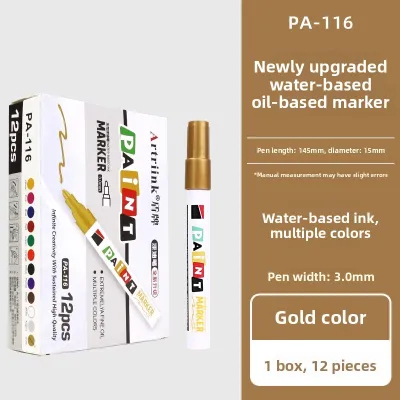
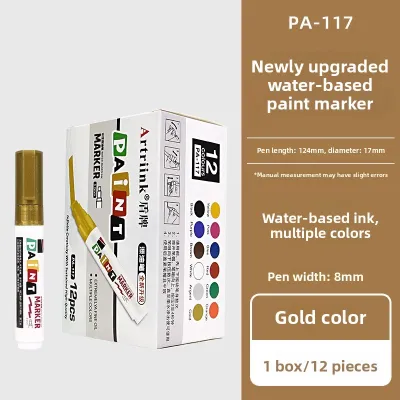
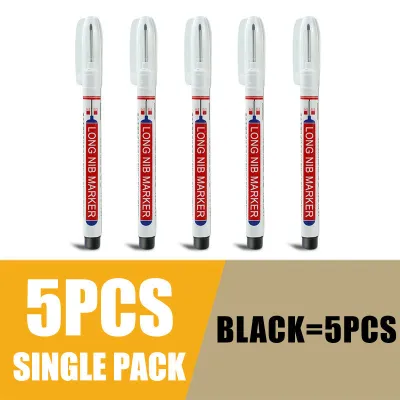
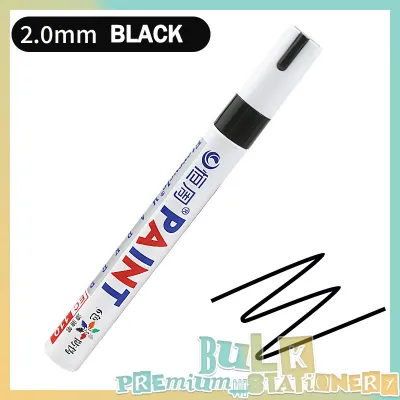
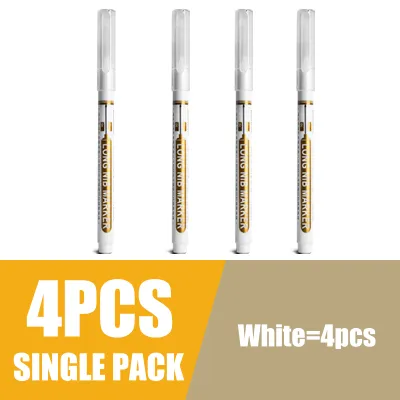
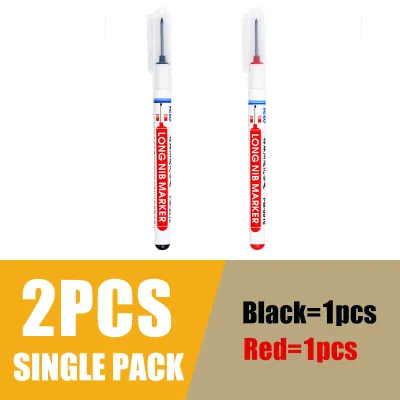
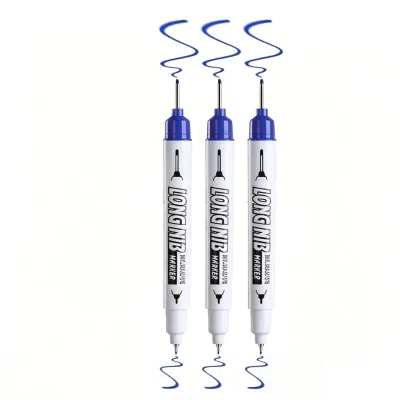
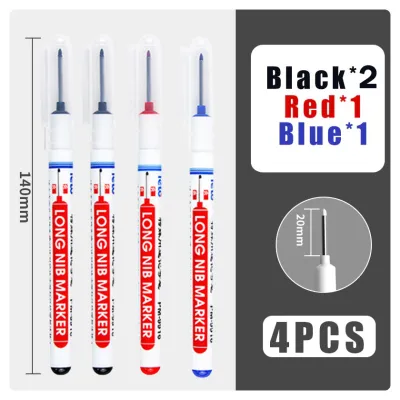
Prices are valid at publication and may change. Please refer to the product page for the latest price.
The choice of ink formulation further dictates performance. Solvent-based inks, often containing alcohol or other fast-evaporating solvents, bite deeply into metal surfaces and dry rapidly, making them highly resistant to water and rubbing. Water-based acrylic formulations are much lower in odor and offer excellent color vibrancy, making them popular for indoor projects, though they may require a clear protective topcoat to survive prolonged outdoor exposure.
Finally, the tip material plays a crucial role in line consistency. Acrylic and polyester fiber nibs are durable and hold their shape well on smooth or moderately rough metals. For highly abrasive surfaces like cast iron or rusted steel, these fiber tips can fray quickly, making solid paint sticks or markers with replaceable nibs a more practical choice. Bullet tips provide a consistent line width for general labeling, while chisel tips allow users to vary the stroke width for high-visibility lettering.
Matching Marker Features to Your Specific Application
Industrial Labeling and Metal Fabrication
In steel fabrication shops, shipyards, and manufacturing plants across the Philippines, metal markers must perform under demanding conditions. Raw metals are frequently coated with protective oils to prevent rust in high-humidity environments, and markers must be able to cut through these oily films to leave a permanent mark. High-visibility, highly opaque inks—such as bright white, yellow, or red—are essential for legibility in dimly lit warehouses or busy fabrication yards.

Furthermore, industrial applications often involve high-heat processes like welding, cutting, or heat treatment. Standard inks will vaporize or char under these conditions, so specialized heat-resistant markers are required for layout lines that must remain visible during fabrication. When selecting an industrial marker, always verify the manufacturer’s specifications regarding temperature limits, chemical resistance, and abrasion resistance to ensure the markings survive the entire production cycle.
DIY Projects and Home Crafting
For hobbyists, home crafters, and DIY enthusiasts, the priorities shift toward versatility, ease of use, and safety. Common projects include labeling hand tools, customizing metal garden planters, or painting decorative metal art. For these applications, fine-tip acrylic paint markers are highly suitable because they offer the precision needed for detailed work and come in a wide variety of vibrant colors.
Since DIY projects are often completed in home workshops, garages, or indoor spaces, verifying that the marker uses a non-toxic, low-odor formulation is essential. Water-based acrylic markers are ideal for this purpose as they do not emit the strong, headache-inducing fumes associated with heavy-duty solvent-based industrial markers. While these water-based options dry quickly and offer great convenience, users should note the trade-off in long-term outdoor durability and consider applying a clear, weather-resistant sealer if the finished item will be exposed to rain and sun.
Automotive and Heavy-Duty Outdoor Marking
Automotive marking presents a unique set of challenges, combining the oily conditions of industrial environments with the harsh exposure of outdoor machinery. Mechanics and auto-parts salvagers require markers that can write legibly on greasy engine blocks, dusty suspension components, or wet tires. The ink must adhere immediately without smearing, even when exposed to motor oil, brake fluid, or gasoline.
In the tropical climate of the Philippines, automotive and outdoor markings are subjected to intense UV radiation and heavy monsoon rains. Standard inks can fade to illegibility within a few weeks of sun exposure. Therefore, verifying that a marker is rated for UV resistance and waterproofing is critical for any automotive or outdoor structural application. Look for products explicitly labeled as weather-resistant or automotive-grade to ensure the markings remain legible for years.
Essential Specifications to Verify Before Purchase
Before purchasing metal markers from local hardware stores or online marketplaces, evaluating key specifications on the product packaging or listing is essential to avoid costly mistakes. First, consider the nib size relative to your project. A fine tip is necessary for marking small parts or writing detailed notes, while a medium bullet tip is the most versatile for general labeling. For large structural steel beams or outdoor signage, a broad chisel tip ensures the markings can be read from a distance.
Drying time and curing requirements are also critical, especially in humid conditions where moisture in the air can slow down solvent evaporation. Some fast-drying markers dry to the touch in under a minute, which is vital for preventing smudges in fast-paced work environments. Additionally, understand the surface preparation required; while some heavy-duty markers claim to write through grease, most standard paint markers require the metal to be degreased with isopropyl alcohol or a dedicated cleaner beforehand to achieve optimal adhesion.
Finally, consider the long-term value in ₱ by checking the marker’s shelf life, storage requirements, and whether it features a refillable reservoir or replaceable nibs. High-volume users, such as fabrication shops or automotive garages, can significantly reduce their consumable costs over time by investing in refillable marker systems rather than continuously purchasing single-use disposable pens.
Safe Usage, Priming, and Storage Guidelines
To get the longest lifespan and best performance from your metal marker pens, proper priming and handling are essential. For valve-action paint markers, start by shaking the pen vigorously with the cap securely on; you should hear the internal metal mixing ball rattling, which helps redistribute the settled paint pigments. To prime the nib, press it straight down onto a piece of scrap cardboard or wood, hold it for a second, and release. Repeat this pumping action gently until the paint begins to saturate the fiber tip. Avoid rapid, aggressive pumping, as this can overwhelm the valve and cause a large puddle of paint to spill, ruining your workpiece and wasting ink.
Safety should always be a priority when working with solvent-based markers. These formulas often contain volatile organic compounds that can cause dizziness or irritation in enclosed spaces. Always work in a well-ventilated area, preferably outdoors or near an open window with a fan running. If you are using heavy-duty industrial markers for extended periods, wearing nitrile gloves can protect your skin from absorbing harsh solvents and pigments.
When you are finished marking, replace the cap immediately and press it firmly until it clicks to prevent the solvent from evaporating and drying out the nib. Store your paint markers horizontally whenever possible. Storing them vertically can cause the heavy pigments to settle at the bottom of the reservoir, clogging the valve, or cause the solvent to pool at the tip, resulting in watery, translucent marks when you next use the pen.
Frequently Asked Questions (FAQ)
Can I use a standard paint marker on metal surfaces?
While general-purpose craft paint markers can write on smooth, clean metal, they often lack the specialized binders required for long-term adhesion on industrial or outdoor metal surfaces. Standard craft markers are highly prone to scratching, chipping, or washing away when exposed to moisture, friction, or outdoor weathering. For industrial, automotive, or outdoor applications, it is highly recommended to use markers specifically formulated for metal, which contain robust resins designed to bite into metallic substrates and resist oils, solvents, and UV exposure.
How do I remove mistakes made with a metal marker pen?
The method for removing a mark depends entirely on the ink formulation and the finish of the underlying metal. For alcohol-based or standard acrylic paint markers, wiping the surface with isopropyl alcohol or rubbing alcohol is usually sufficient to dissolve the mark. For heavy-duty, solvent-based industrial paint markers, you will likely need a stronger solvent such as acetone, mineral spirits, or a dedicated paint thinner. Always test the solvent on an inconspicuous area first, especially if the metal has a painted, powder-coated, or polished finish, to ensure you do not damage the surface treatment.
Why is my metal marker pen skipping or not writing?
Skipping or failing to write is usually caused by a dried-out nib or settled pigment blocking the internal valve. If the marker has been left uncapped, the paint on the fiber tip can harden, preventing fresh ink from flowing. To resolve this, you can often remove the nib and soak it in a compatible solvent (such as rubbing alcohol for acrylics or mineral spirits for solvent paint) to dissolve the dried paint. If the pigment has settled inside the barrel, shaking the marker vigorously for a full minute with the cap on can help redistribute the paint and restore smooth ink flow.
Community discussion
Share your experience or ask a question. Comments are reviewed before publication.