
Choosing the right acrylic paint line requires matching your current skill level and project goals with the paint’s formulation. Mont Marte offers several tiers of acrylic paints, ranging from budget-friendly student options to high-viscosity artist-grade formulas. Selecting the correct line involves evaluating pigment density, drying behavior under local tropical conditions, and the specific demands of your canvas or mixed-media surface. By understanding how different grades perform, you can avoid the frustration of muddy color mixes or poor coverage, ensuring your art supplies support your creative growth.
Understanding Acrylic Paint Grades for Different Skill Levels
Acrylic paint consists of pigment particles suspended in an acrylic polymer emulsion. The primary differentiator between student-grade and artist-grade paint is the ratio of these ingredients, along with the presence of fillers. Student-grade paints typically contain lower pigment concentrations and higher amounts of fillers, such as calcium carbonate or barium sulfate. These fillers make the paint more affordable but can reduce the overall vibrancy and tinting strength of the colors.
When you mix student-grade paints, the high filler content and the use of multi-pigment mixtures can quickly lead to muddy, desaturated colors. In contrast, artist-grade paints feature a much higher concentration of pure, finely ground pigments with minimal fillers. This high pigment load allows for clean, predictable color mixing, enabling you to create subtle gradients and bright, saturated secondary and tertiary hues without losing clarity.
Products mentioned in this guide
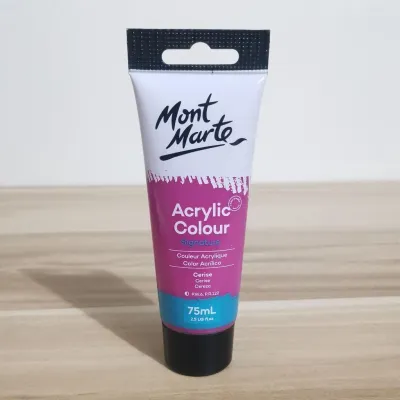
![Mont Marte Signature Acrylic Paint [75ml]](https://img.lazcdn.com/g/p/3c7ddfa772b597fd8fe40756cd5f3ce3.jpg_400x400q80.jpg_.webp)
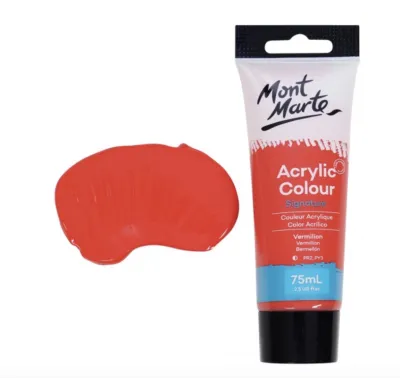
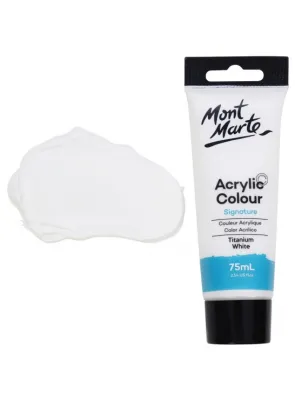
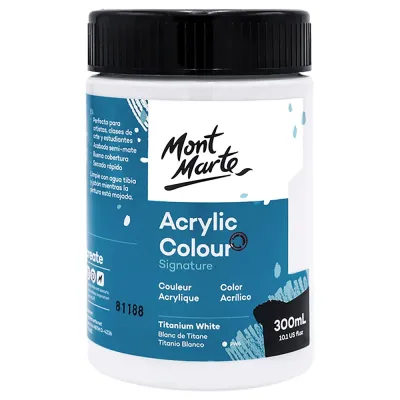
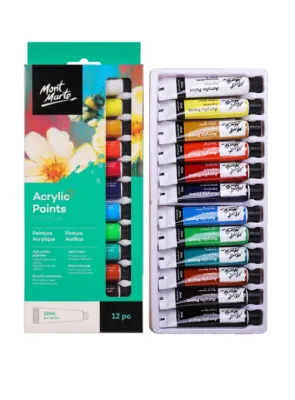
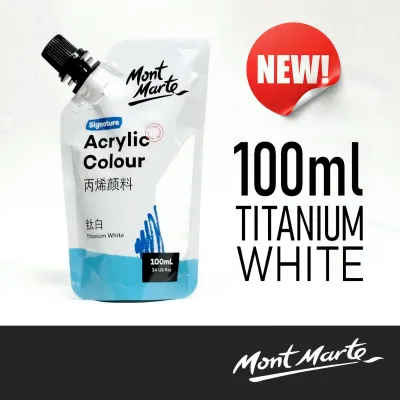
![[100ML] Mont Marte Acrylic Paint](https://img.lazcdn.com/g/p/6393dcb3e5e91089df53f09e892c6948.jpg_400x400q80.jpg_.webp)
Prices are valid at publication and may change. Please refer to the product page for the latest price.
The binder-to-pigment ratio also dictates how the paint behaves as it dries. Acrylic binder is naturally milky when wet but dries completely clear. Because student-grade paints have a higher proportion of binder and fillers relative to pigment, they often undergo a noticeable color shift, darkening significantly as they dry. Artist-grade paints, with their dense pigment loading, experience a much less pronounced color shift, allowing you to paint with confidence that the wet color on your palette will closely match the final dried result on your canvas.
Another critical factor is lightfastness, which measures a pigment’s resistance to fading when exposed to light over time. Artist-grade paints are formulated with highly stable pigments that carry standardized lightfastness ratings, often printed directly on the tube. These ratings typically follow the ASTM (American Society for Testing and Materials) standard, where ASTM I represents excellent lightfastness and ASTM II indicates very good lightfastness. Student-grade paints may not feature these ratings, or they may use less stable synthetic dyes that can fade or shift color over several years, especially when exposed to the bright, indirect sunlight common in tropical environments.
Matching Paint Characteristics to Your Artistic Needs
For beginners, hobbyists, and students, the primary goal is often experimentation, color theory practice, and developing brush control. During this stage, you will likely consume a large volume of paint, making cost-effectiveness a top priority. Selecting an introductory or student-grade line allows you to practice freely without the anxiety of wasting expensive materials. These paints are highly suitable for classroom settings, quick sketches, color wheels, and blocking in the initial underpainting layers of larger canvases.

Intermediate painters who have mastered basic color mixing and brush techniques often find themselves outgrowing student-grade paints. If you are starting to create finished pieces for display, gifts, or local exhibitions, you require a paint that offers better coverage, richer colors, and a more consistent texture. Intermediate-tier paints, often labeled as “Signature” or “Premium” by manufacturers, strike a balance by increasing the pigment load while keeping the price point accessible for regular studio use.
Advanced artists and professionals require paints that offer maximum archival permanence, high viscosity, and predictable mixing behavior. If you sell your artwork or exhibit in galleries, using professional-grade paints is essential to ensure your work remains vibrant for decades. These high-end lines feature single-pigment formulations, exceptional lightfastness, and specialized viscosities that allow for advanced techniques like heavy impasto palette knife work or delicate, transparent glazing.
To identify where a specific tube falls within these tiers, you must carefully examine the manufacturer’s labeling. Mont Marte categorizes its products into distinct ranges, such as “Kids,” “Student,” “Signature,” and “Premium.” By checking the front and back of the packaging, you can locate these designations. For instance, the “Signature” range is generally tailored for students and hobbyists seeking reliable daily performance, while the “Premium” range is formulated with higher-quality pigments and binders to satisfy intermediate and advanced artistic requirements.
Essential Specifications to Verify Before Checkout
Before purchasing any acrylic paint, check the label for pigment codes rather than relying solely on the marketing name of the color. Genuine artist-grade paints print the Color Index Generic Name (CIGN) on the tube, such as PW6 for Titanium White, PB29 for Ultramarine Blue, or PY42 for Yellow Ochre. If a tube lists multiple pigment codes for a single color, it is a “hue” or a convenience mix. While convenient, these mixed-pigment tubes are more likely to produce muddy results when blended with other colors, so prioritizing single-pigment tubes is advisable for precise color control.
Viscosity is another essential specification that dictates your painting style. Heavy body acrylics have a thick, buttery consistency similar to oil paint, making them ideal for retaining brushstrokes and palette knife textures. Soft body acrylics are creamier and flow more easily, which is excellent for smooth, flat color application, detailed linework, and decorative crafts. Fluid or pouring acrylics have a water-like consistency designed for paint pouring, dripping, and glazing techniques without sacrificing color strength.
Surface compatibility must also be verified, especially when working in warm, humid climates like the Philippines. While acrylic paint is highly versatile and adheres to canvas, wood, paper, leather, and fabric, porous surfaces require proper preparation. In high-humidity environments, raw canvas or wood can absorb moisture from the air, leading to support-induced discoloration (SID) or mold growth beneath the paint layer. Applying a high-quality acrylic gesso primer seals the substrate, provides a stable tooth for the paint to grip, and prevents moisture-related damage.
Finally, inspect the physical condition of the paint tubes or jars before finalizing your purchase. Ensure that the safety seals under the caps are intact, as exposure to air inside the store or warehouse can cause the paint to skin over or dry out prematurely. Check for non-toxic certifications, such as the AP (Approved Product) seal from the Art and Creative Materials Institute (ACMI), which verifies that the formulation is safe for artists of all ages and does not contain harmful levels of solvents or heavy metals.
Navigating Purchases and Avoiding Counterfeits
To ensure you are receiving genuine art supplies, always purchase from authorized art retailers, well-established local stationery shops, or official brand stores on reputable online marketplaces. Avoid buying from unverified third-party sellers who offer deals that seem too good to be true. Purchasing from official channels guarantees that the paint has been stored and handled correctly before reaching your hands.
Counterfeit art supplies can be difficult to spot online, but several red flags can help you identify suspicious listings. Be wary of unusually low prices, such as complete professional-grade acrylic sets priced significantly below the standard market rate of ₱1,000 or more. Inspect product photos for poorly printed labels, spelling errors, or missing batch codes and manufacturing dates on the crimp of the tube. Genuine products will always feature clear, legible branding and standardized safety labeling.
Shipping conditions are particularly important in tropical regions where outdoor temperatures can rise significantly. Acrylic paint is a delicate emulsion of water and polymer; exposure to extreme heat during transit in delivery vehicles can cause the emulsion to break down. This damage often manifests as paint that has permanently separated into a watery liquid and a rubber rubbery clump, or paint that has developed a sour, spoiled odor due to bacterial growth. To minimize this risk, read seller reviews regarding packaging quality, choose sellers who use insulated wrapping or sturdy cardboard boxes, and opt for expedited shipping methods to reduce transit time in hot environments.
Frequently Asked Questions (FAQ)
Can I mix student-grade and artist-grade acrylics in the same painting?
Yes, you can mix student-grade and artist-grade acrylics because they share a compatible acrylic polymer binder. However, blending them will dilute the high pigment concentration of the artist-grade paint and alter its viscosity. For the best results, use student-grade paints for the initial underpainting and blocking-in stages where large areas of color are needed, and save your high-quality artist-grade paints for the final, highly visible top layers to ensure maximum color vibrancy and lightfastness.
How should I store acrylic paints to prevent them from drying out?
To prevent acrylic paints from drying out, especially in warm climates, always wipe the threads of the tube or jar clean before screwing the cap back on. This prevents dried paint buildup from breaking the airtight seal. Store your paints in a cool, dry place away from direct sunlight and heat sources. During active painting sessions, consider using a wet palette or lightly misting your palette with water and covering it with an airtight lid to keep the acrylics workable for several days.

Community discussion
Share your experience or ask a question. Comments are reviewed before publication.