
Selecting the right writing tool for a child entering Grade 1 is far more important than simply picking a box of school supplies from a shelf. At approximately six years old, children are undergoing a critical phase of physical development, particularly in the small muscles of their hands and wrists. The transition from the broad, sweeping motions of drawing to the precise, controlled strokes required for forming letters can be physically taxing. If a child is given a pencil that is too thin, too slippery, or requires too much downward pressure, they may develop compensatory habits—such as a tight, white-knuckled grip—that lead to hand fatigue, frustration, and a dislike of writing.
To set a young writer up for success, the ideal pencil must act as an intuitive guide for their hands. It should encourage a natural tripod grip, provide enough surface area for comfortable finger placement, and lay down a dark, legible line with minimal physical effort. By understanding how physical design elements like barrel diameter, shape, and lead composition interact with a child’s developing motor skills, parents and educators can make informed choices that foster confidence and neat handwriting from day one.
Key Features to Look for in a First-Grade Pencil
When evaluating pencils for early writers, several physical characteristics dictate how comfortable and effective the tool will be in a child’s hand. Understanding these features allows you to look past colorful cartoon designs and focus on ergonomic utility.
Products mentioned in this guide
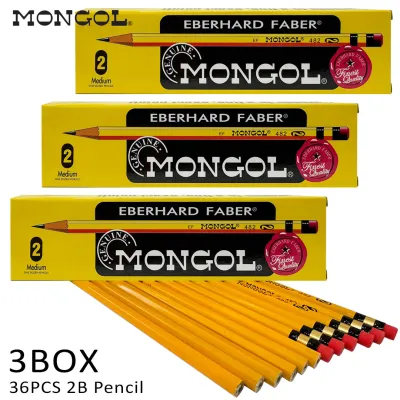
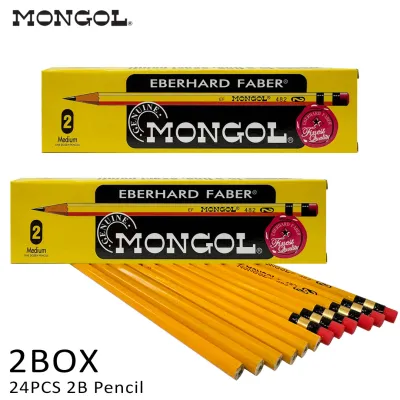
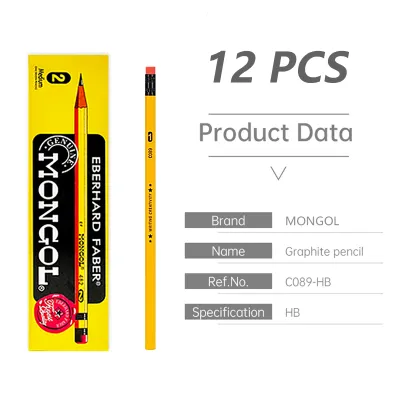
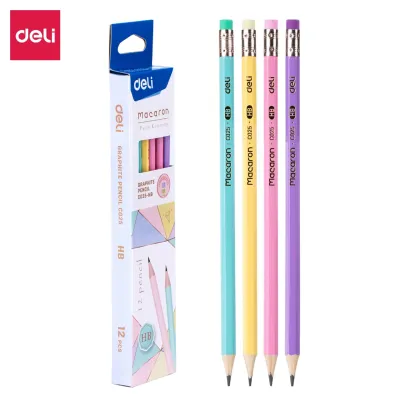
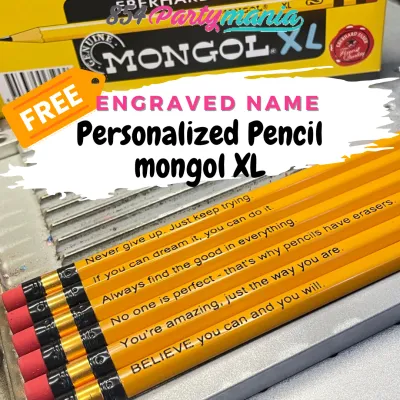
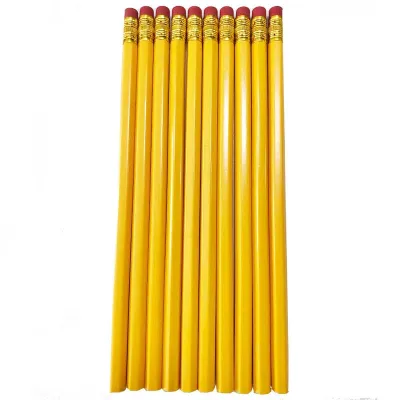
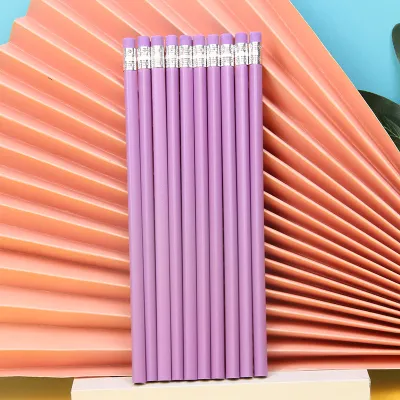
Prices are valid at publication and may change. Please refer to the product page for the latest price.
Jumbo vs. Standard Diameter
The thickness of the pencil barrel is the first major consideration. Standard pencils, which typically measure around 7 to 8 millimeters in diameter, are designed for mature hands with fully developed fine motor control. For a Grade 1 student, grasping such a thin cylinder often forces them to clench their fingers tightly to maintain control, leading to rapid muscle fatigue. Jumbo pencils, measuring between 9 and 10 millimeters in diameter, are much easier for small hands to grasp. The larger surface area allows the child to hold the pencil securely with less muscle tension, reducing hand strain during long writing sessions. This extra thickness also provides a more tactile experience, helping the child feel the position of the pencil in their hand.
Triangular vs. Hexagonal Barrel Shapes
Traditional pencils are hexagonal, a shape designed primarily to prevent them from rolling off flat surfaces. However, a hexagonal barrel does not offer much guidance for finger placement. Triangular barrels, on the other hand, feature three flat sides that naturally correspond to the three fingers involved in a proper tripod grip: the thumb, the index finger, and the middle finger. When a child holds a triangular pencil, their fingers naturally rest on the flat surfaces, discouraging the crossed-finger or fist grips that are difficult to correct later. As an added benefit, triangular pencils are exceptionally stable on school desks, preventing them from rolling onto the floor and causing classroom distractions.
Lead Hardness and Writing Pressure
Pencil lead is graded on a scale of hardness and blackness, typically ranging from H (hard) to B (black/soft), with HB representing the standard middle ground. While HB pencils are common, they often require a level of downward pressure that young children struggle to maintain consistently. This can result in faint, barely legible writing. Softer leads, such as B or 2B, contain more graphite and less clay binder. They glide more smoothly across the paper and produce dark, clear lines with very little pressure. This is particularly beneficial for children who are still building hand strength. However, softer leads do wear down more quickly and are more prone to smudging, especially in warm, humid tropical environments where hands can become sweaty. Choosing a high-quality 2B lead that balances softness with structural integrity is often the best compromise.
Casing Quality and Core Centering
The wood casing of a pencil plays a vital role in its durability and ease of use. High-quality pencils are typically made from straight-grained woods like incense cedar or basswood. These materials sharpen smoothly without splintering, ensuring that the child is not exposed to sharp wooden edges. Furthermore, the graphite core must be perfectly centered within the wooden casing. If the core is off-center, one side of the wood will always be thicker than the other when sharpened, leaving the lead unsupported and prone to snapping the moment it touches paper.
Evaluating Grip Accessories and Ergonomic Designs
As children learn to write, they often need extra support to maintain the correct hand posture. Parents and teachers frequently debate whether to use pencils with built-in ergonomic features or to rely on separate, slide-on grip accessories.

Molded Ergonomic Barrels vs. Add-on Silicone Grips
Pencils with built-in ergonomic features, such as pre-carved grip zones, non-slip rubber dots, or molded indentations, offer a seamless writing experience. Because these features are integrated directly into the barrel, the pencil remains lightweight and perfectly balanced. However, these specialized pencils can be more expensive and must be replaced entirely once the pencil is worn down. Slide-on silicone or rubber grips offer a highly customizable alternative. They can be slipped onto any standard pencil, providing a soft, cushioned surface that reduces finger pressure. While add-on grips are cost-effective and reusable, they can sometimes make the pencil top-heavy or slide out of place during active writing, requiring frequent adjustments.
Tactile and Visual Cues
Many modern educational pencils incorporate subtle visual or tactile cues to guide finger placement. For example, some barrels feature alternating colored bands or recessed circular grooves where the thumb and index finger should rest. These cues are incredibly helpful because they allow children to self-correct their grip without constant verbal reminders from a teacher or parent. Over time, the physical sensation of resting their fingers in these designated zones becomes second nature, reinforcing muscle memory.
Transitioning to Standard Barrels
Jumbo and heavily gripped pencils are developmental scaffolding, not permanent fixtures. The transition to standard-sized pencils should be based on observable milestones rather than age alone. Look for signs that the child has developed sufficient fine motor control, such as maintaining a relaxed tripod grip consistently, writing for fifteen to twenty minutes without complaining of hand pain, and demonstrating precise control over letter size and spacing on lined paper. When these milestones are met, you can gradually introduce standard hexagonal or round pencils, starting with short writing tasks and slowly increasing their use.
Left-Handed vs. Right-Handed Considerations
Left-handed writers face unique challenges when learning to write. Because they push the pencil across the page from left to right rather than pulling it, they are more prone to smudging their work and blocking their own view of what they have written. When selecting ergonomic pencils, avoid asymmetrical designs molded specifically for right-handed grips, as these will force a left-handed child’s hand into an uncomfortable, unnatural position. Instead, opt for symmetrical triangular pencils or specialized left-handed grips that allow for a clear view of the paper and a comfortable, relaxed hold.
How to Build a Condition-Based Pencil Shortlist
When shopping for school supplies in local stationery stores or online marketplaces, the sheer volume of options can be overwhelming. Building a systematic checklist helps ensure you select safe, durable, and effective tools.
Safety Labels and Non-Toxic Materials
Safety should always be the primary filter when choosing children’s stationery. Young children frequently chew on the ends of their pencils, especially when concentrating or feeling anxious. Always check the packaging for clear safety certifications, such as the “AP Non-Toxic” seal or compliance with international safety standards like EN71. These labels guarantee that the paint, wood, and graphite core are free from harmful heavy metals and toxins.
Verifying Lead Thickness and Core Quality
A common issue with cheap jumbo pencils is that the graphite core is the same thickness as a standard pencil, leaving a massive, unsupported wooden border. For a jumbo pencil to be durable, the lead core itself must be proportionately thick—ideally between 3.15 millimeters and 4 millimeters. This thick core is highly resistant to snapping under the heavy, uneven pressure that first graders typically apply.
Purchasing Strategies: Trial Packs vs. Bulk Buying
It is highly recommended to avoid buying large bulk boxes of a single pencil model before your child has had a chance to try them. Children’s hand sizes and preferences vary significantly. Instead, purchase a few individual pencils or small trial packs of different shapes and sizes. Let your child test them at home on standard school paper. Observe their grip, check for signs of hand fatigue, and ask them which one feels most comfortable. Once you have identified the perfect match, you can confidently invest in bulk boxes for the school year, which typically range from ₱150 to ₱350, ensuring they always have a reliable tool on hand.
Physical Inspection Checklist
When evaluating physical samples in a store, perform a quick quality check:
- Straightness: Roll the pencil across a flat glass counter or table. If it wobbles or shows a visible gap beneath the barrel, the wood is warped, which will cause the lead to break during sharpening.
- Finish Quality: Run your fingers along the barrel. The paint should be smooth, even, and free of cracks or rough spots that could cause splinters.
- Secure Ferrules: If the pencil has an attached eraser, give the metal band (the ferrule) a gentle tug. It should be tightly crimped to the wood. Loose ferrules can slip off easily, presenting a choking hazard or scratching the child's paper.
Practical Tips for Pencil Maintenance and School Use
Even the highest-quality pencil will perform poorly if it is not maintained correctly. Implementing a few simple routines can extend the life of your child’s writing tools and prevent daily frustrations.
Choosing the Right Sharpener
Standard pencil sharpeners are designed for 7-millimeter barrels and will not accommodate jumbo or triangular pencils. Attempting to force a larger pencil into a standard sharpener will damage the wood and break the lead. Invest in a high-quality, dual-hole manual sharpener that features a larger opening (around 10 to 11 millimeters) specifically designed for jumbo and triangular shapes. Look for sharpeners with sharp, replaceable steel blades; dull blades will tear the wood fibers and twist the lead core, causing it to break internally before the pencil is even used.
Protective Storage
Graphite is a brittle material that can easily fracture inside the wooden casing if the pencil is dropped onto hard school floors. To protect the lead cores, teach your child to store their pencils in a padded pencil case or a sturdy plastic utility box. Avoid letting pencils roll loosely in the bottom of a school backpack, where they are subjected to constant impacts and pressure from heavy books.
Durable Labeling Methods
In a busy Grade 1 classroom, school supplies are frequently misplaced, swapped, or lost. To prevent your investment from disappearing, establish a clear labeling system. Standard adhesive paper labels often peel off quickly due to humidity and sweaty hands. Instead, use thin, waterproof vinyl name stickers wrapped tightly around the top of the pencil barrel, just below the eraser. Alternatively, you can use a permanent marker to write your child’s initials directly onto the painted wood, then cover the writing with a small strip of clear adhesive tape to protect it from wear.
Monitoring Pencil Length
As pencils are sharpened repeatedly, they naturally become shorter. A pencil that has been worn down to less than 8 to 10 centimeters is too short for a child to hold comfortably. When a pencil becomes too short, it no longer rests in the fleshy web between the thumb and index finger, forcing the child to grip it with their fingertips alone. This leads to severe hand cramping and ruins their writing posture. Make it a habit to check your child’s pencil case every weekend, retiring any “stubby” pencils and replacing them with fresh, full-length ones.
Frequently Asked Questions (FAQ)
Should Grade 1 students use mechanical pencils? (FAQ)
Generally, mechanical pencils are not recommended for Grade 1 students who are just learning to write. Mechanical pencils utilize very thin graphite leads (typically 0.5mm to 0.7mm) that require a highly refined sense of pressure control. Young children, who are still developing their fine motor skills, tend to press down heavily, which causes the thin lead to snap repeatedly. This constant breakage leads to distraction and frustration during lessons. Furthermore, the thin, lightweight barrels of standard mechanical pencils do not provide the physical feedback and grip support that a thick, wood-cased pencil offers. It is best to wait until around Grade 3 or 4, when a child’s grip is fully matured and their writing pressure is consistent, before introducing mechanical alternatives.
How can I prevent my child's pencil lead from breaking constantly? (FAQ)
Frequent lead breakage is usually caused by a combination of excessive writing pressure, a dull sharpener, or internal fractures from dropping the pencil. If your child is a heavy-handed writer, try switching to a softer lead grade like 2B, which leaves a dark mark with minimal pressure, naturally encouraging them to press lighter. Next, inspect your pencil sharpener. If the blade is dull, it will pinch and twist the lead rather than cutting the wood cleanly, causing the core to snap during sharpening. Finally, teach your child to hold the sharpener firmly in one hand and turn the pencil slowly and steadily with the other, keeping the pencil perfectly straight to avoid putting lateral stress on the lead core.

Community discussion
Share your experience or ask a question. Comments are reviewed before publication.