
Selecting the right writing tool for a child entering Grade 1 is a foundational step in their academic journey. At this stage, young learners are transitioning from large, playful coloring activities to structured letter formation and line-following exercises. The physical design of a pencil directly influences how quickly a child tires, how comfortably they hold the tool, and how easily they can control their strokes. By focusing on ergonomic shapes, appropriate barrel thicknesses, reliable lead hardness, and verified safety standards, you can set your child up for writing confidence while minimizing frustration during long school days.
Essential Pencil Features for Beginner Writers
The physical structure of a pencil determines how a child’s hand interacts with it, making the barrel shape one of the most critical factors to evaluate. Triangular barrels are highly recommended for beginners because their three flat sides naturally guide fingers into the recommended tripod grip. This shape prevents the fingers from crossing over or slipping, which is particularly helpful in warm, humid classrooms where hands can easily become sweaty. In contrast, traditional hexagonal barrels offer standard control and prevent the pencil from rolling off slanted school desks, but they do not provide the same intuitive finger placement guidance as triangular designs. Round barrels should generally be avoided for early writers, as they offer no grip guidance and easily roll away, causing frequent classroom disruptions.
Barrel thickness is another key dimension that directly impacts hand fatigue. Standard pencils can be difficult for small hands to grasp securely, often leading to a tight, cramped grip that tires out developing hand muscles. Jumbo or thick-barreled pencils are specifically designed to reduce this strain. The larger diameter allows children to maintain a secure hold with less finger pressure, making early writing practice much more comfortable. As a child’s fine motor skills and hand strength mature throughout the school year, they can gradually transition from these thicker tools to standard-sized pencils.
Products mentioned in this guide
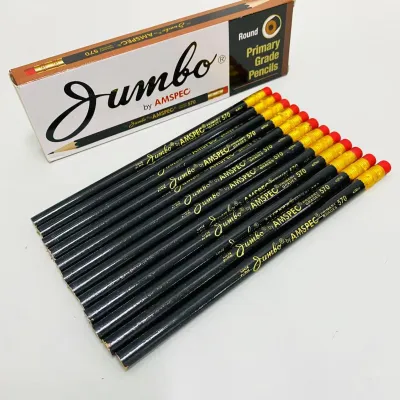
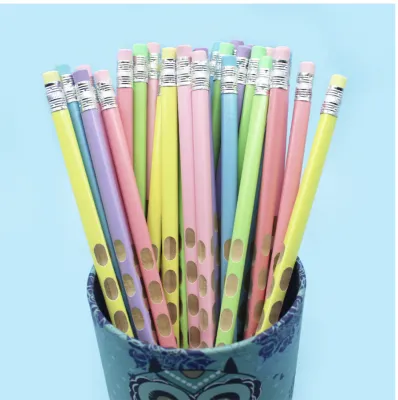
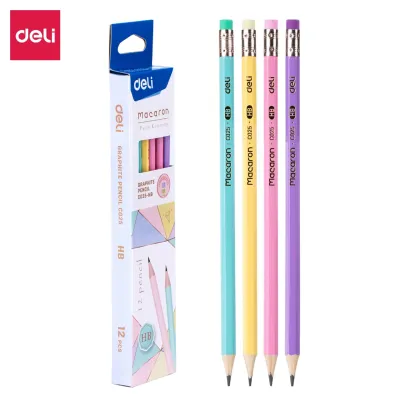
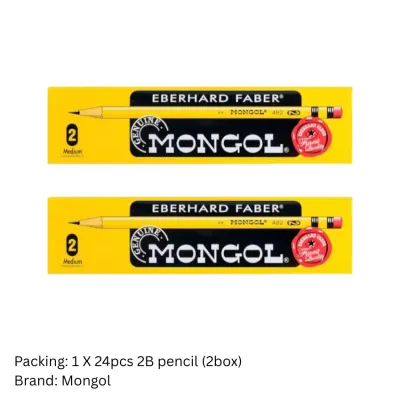
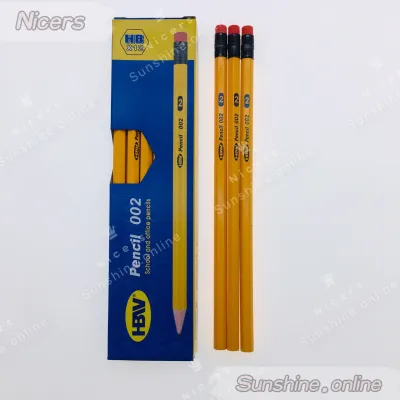
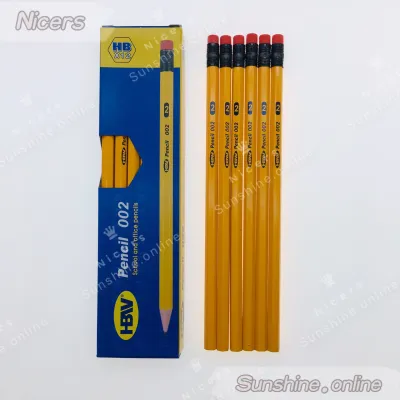
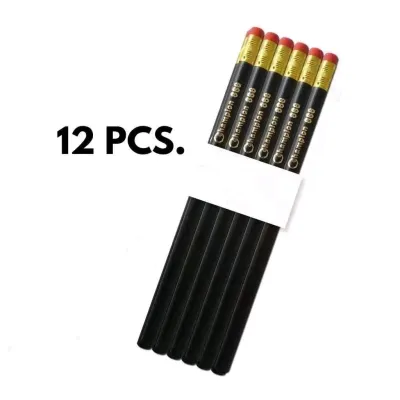
Prices are valid at publication and may change. Please refer to the product page for the latest price.
Lead hardness is standardized using the graphite scale, and for Grade 1 students, HB or #2 lead is the universal standard. This specific hardness level strikes the ideal balance between darkness and durability. It produces clear, highly legible dark lines on standard workbook paper without requiring the child to press down excessively hard. Softer leads, such as 2B, write very smoothly but smudge easily under sweaty hands and wear down quickly, requiring constant sharpening. Harder leads, like H or 2H, produce faint lines that are difficult for teachers to read and can easily tear thin school paper when a child applies typical beginner pressure.
Safety must always be a priority when selecting school supplies, especially since young children frequently chew on the ends of their pencils while concentrating. Before making any purchase, inspect the packaging for recognized non-toxic certifications, such as the AP (Approved Product) seal or compliance with EN71 safety standards. These labels verify that the materials, including the paint on the barrel and the core itself, do not contain harmful levels of heavy metals or toxins. Choosing certified non-toxic options provides peace of mind, ensuring that accidental chewing or prolonged skin contact remains completely safe.
Grip Comfort and Ergonomics
Developing a proper tripod grip requires consistent practice, and the tactile feel of the pencil plays a major role in this process. Molded soft grips, often made of rubber or textured elastomer, provide a cushioned surface that reduces finger pressure and prevents slipping. This is especially beneficial in tropical climates where high humidity can make smooth wooden barrels slick and difficult to hold. On the other hand, traditional smooth wood finishes offer excellent tactile feedback, allowing the child to feel the paper’s texture, but they require more finger strength to hold steady when hands get warm.

If you find that standard wooden pencils are too slippery or thin for your child, aftermarket silicone pencil grips offer an excellent, cost-effective solution. These slide-on accessories can be positioned exactly where the child’s fingers rest, transforming a standard hexagonal pencil into an ergonomic writing tool. When choosing aftermarket grips, look for designs that feature molded finger pockets or physical barriers that prevent the thumb and index finger from crossing over. This allows you to customize standard pencils to match your child’s specific developmental needs without buying specialized writing instruments.
Weight distribution is a frequently overlooked aspect of pencil ergonomics that heavily influences fine motor control. A pencil should feel balanced and lightweight in a child’s hand. Overly heavy pencils, or those featuring large, top-heavy decorative erasers and plastic toppers, shift the center of gravity upward. This imbalance forces the small muscles in the hand and wrist to work harder to keep the pencil upright, leading to rapid fatigue and sloppy handwriting. For daily writing tasks, stick to simple, lightweight wooden pencils that allow the child’s hand to move naturally and fluidly across the page.
Lead Quality and Eraser Performance
Frequent lead breakage is one of the most common sources of frustration for first graders and a major distraction in the classroom. When shopping for pencils, look for packaging that explicitly mentions “bonded lead” or “break-resistant” cores. This manufacturing process glues the graphite lead securely to the wooden casing along its entire length, preventing the lead from shattering inside the pencil when it is dropped or subjected to heavy writing pressure. Pencils without this bonding often suffer from internal fractures, causing the tip to fall out repeatedly during sharpening.
The eraser attached to the end of the pencil is just as important as the lead itself. Grade 1 students make frequent mistakes as they learn to write, and a poor-quality eraser can ruin their work. Look for pencils equipped with latex-free, smudge-free erasers. Low-quality pink erasers often dry out quickly in warm climates, becoming hard and abrasive; instead of removing graphite, they smudge it across the page or tear through delicate school paper. A high-quality, flexible eraser should cleanly lift the graphite from the page with minimal pressure, keeping schoolwork neat and intact.
Because paper quality and writing pressure vary, it is highly recommended to conduct a practical trial before purchasing school supplies in bulk. Instead of buying a large box of pencils immediately, purchase a single unit or a small multi-pack to test at home. Have your child write several sentences on standard school pad paper to observe how smoothly the lead glides, how easily it erases, and how quickly the tip wears down. This simple test ensures that the pencils perform well under real-world conditions before you commit your budget to a full year’s supply.
Pencil Types to Consider for Grade 1
Not all first graders develop fine motor skills at the exact same pace, meaning a single pencil type may not suit every child. Matching the pencil’s physical design to your child’s current grip maturity and hand strength is key to supporting their writing development.
Triangular Jumbo Pencils
Triangular jumbo pencils are the ideal starting point for children who are still developing finger strength or those who tend to grip writing tools with a tight, fist-like hold. The thick, three-sided barrel naturally encourages the fingers to spread out into a relaxed tripod position, preventing hand cramping during early tracing and large letter formation exercises. However, a practical limitation to keep in mind is their size; standard pencil sharpeners cannot accommodate these thick barrels. Before purchasing jumbo pencils, ensure you have a specialized dual-hole sharpener with a larger opening to keep these tools ready for use.
Standard HB Pencils with Molded Grips
Once a student has mastered the basic tripod grip and transitioned to writing smaller letters on lined paper, standard-sized HB pencils with molded grips become highly suitable. These pencils offer the familiar dimensions required for standard schoolwork while providing a designated, textured zone that keeps fingers from slipping down toward the tip. When selecting these pencils, perform a quick physical check to ensure the molded grip material is securely bonded to the barrel and does not feel overly sticky, as low-quality rubber grips can degrade and peel off after exposure to warm classroom temperatures.
Mechanical Pencils (and Why to Delay Them)
While mechanical pencils are popular among older students, they are generally unsuitable for Grade 1 classrooms and can hinder early writing development. First graders are still learning to regulate their hand pressure, and the thin, fragile lead of a mechanical pencil breaks easily under their typically heavy strokes. Additionally, the clicking mechanisms and lead refill tubes often become major distractions during lessons, and the tiny lead pieces and small eraser caps can pose choking hazards. Delaying the transition to mechanical pencils allows children to focus entirely on mastering their grip and writing control using stable, reliable wooden pencils.
Buying Checklist and Safety Checks
Before finalizing your school supply purchases, cross-reference your choices with the official supply list provided by your child’s teacher. Many schools in the Philippines have specific guidelines regarding pencil size, barrel color, or even brand restrictions to maintain uniformity in the classroom. Ensuring your purchases align with these rules prevents you from buying supplies that your child cannot use at school.
When your order arrives or when shopping in a local bookstore, carefully inspect the physical packaging. Verify that all safety seals are intact and that the non-toxic certification logos are clearly printed on the box. Avoid buying loose, unbranded pencils that lack packaging, as these items rarely display safety certifications or manufacturing details, leaving you uncertain about the safety of the materials used.
To keep your school supply budget balanced, avoid buying bulk boxes of a single pencil type right away. Instead, allocate a small trial budget of approximately ₱50 to ₱100 to purchase a sample pack containing a few different shapes and thicknesses. Let your child try them out during the weeks leading up to the school year to identify which design they find most comfortable. Once you have identified the perfect fit, you can confidently purchase bulk boxes for the rest of the school year, saving money and preventing waste.
Frequently Asked Questions (FAQ)
Should I buy pre-sharpened or unsharpened pencils?
Buying pre-sharpened pencils offers incredible convenience, allowing your child to use them immediately on the first day of school without any preparation. However, factory-sharpened tips are often blunt or unevenly cut, which can lead to quick breakage during initial use. Unsharpened pencils allow you to create a precise, durable point using a high-quality manual or rotary sharpener at home, ensuring the wood casing perfectly supports the graphite core from the very first stroke.
How many pencils should I buy for the whole school year?
For a typical Grade 1 student, preparing a supply of 20 to 30 pencils for the entire school year is a realistic estimate. First graders frequently misplace their writing tools, drop them, or share them with classmates, leading to a high rate of loss. It is best to keep a bulk stock at home and send only two or three sharpened pencils to school in their pencil case each day, replenishing them as needed based on the teacher’s feedback.
Are colored pencils used for writing practice in Grade 1?
No, colored pencils are not suitable for daily handwriting practice and should be reserved strictly for art projects and color-coding activities. The colored cores of these pencils are made of wax or oil mixed with pigment, which behaves very differently from graphite. They do not glide as smoothly on standard writing paper, wear down much faster, and are notoriously difficult to erase cleanly, which can lead to messy, frustrating handwriting practice for a young learner.

Community discussion
Share your experience or ask a question. Comments are reviewed before publication.