
Selecting the perfect post card is more than just picking a pretty picture; it is about matching the visual tone of the card to the emotional weight of your message while ensuring the physical card can withstand transit. In the Philippines, where high humidity can affect paper fibers and ink drying times, choosing the right material is just as important as selecting the design. Whether you are celebrating a milestone, expressing professional gratitude, or sending warm holiday wishes, the ideal card balances aesthetic appeal with practical durability.
To make a lasting impression, you must consider how the card’s weight, texture, and layout interact with your chosen writing instruments. A thoughtful card acts as a tangible keepsake that the recipient can display on their desk or keep in a memory box. By understanding how different styles, paper weights, and finishes suit specific occasions, you can ensure your handwritten sentiments arrive looking pristine and polished.
Matching Postcard Styles to Specific Occasions
Every occasion carries a distinct emotional tone, and the visual design of your post card should reflect that mood before the recipient reads a single word. Aligning the color palette, typography, and imagery with the event’s formality helps set the right expectations. For instance, bright and whimsical designs evoke joy, while muted tones and clean lines convey respect and sincerity.
Products mentioned in this guide

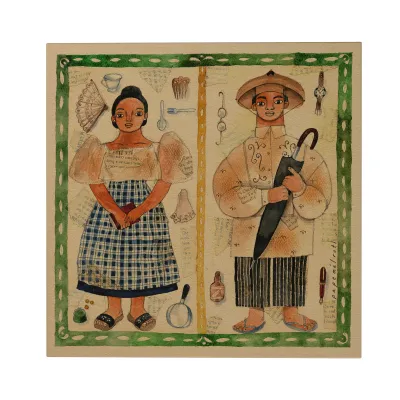
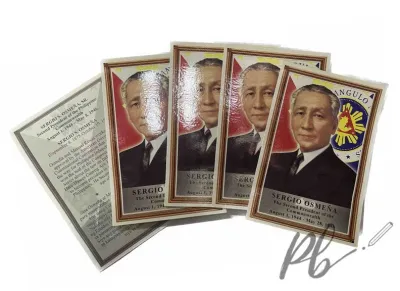
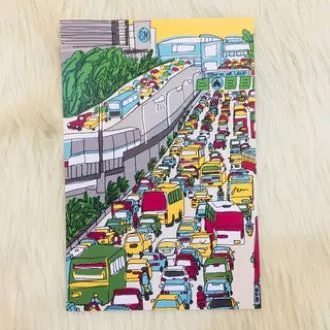
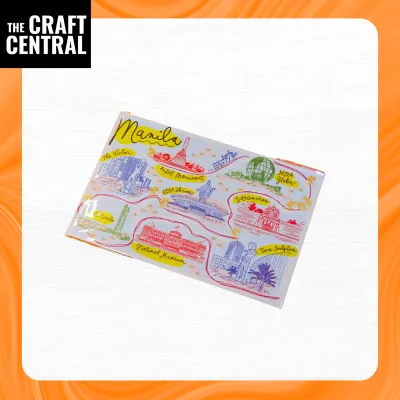


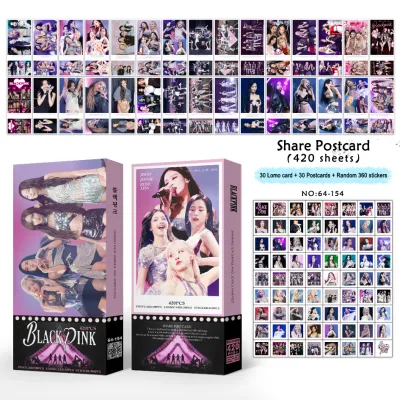
Prices are valid at publication and may change. Please refer to the product page for the latest price.
When sending cards to a diverse group, such as during major holidays, balancing personalized elements with universally appealing designs is key. You want a design that feels intentional and warm without being overly specific to one household’s lifestyle. By selecting styles that harmonize with the recipient’s relationship to you, your message feels naturally integrated into the card’s overall presentation.
Birthdays and Personal Milestones
Birthdays and personal milestones are times for celebration, meaning your design choices can be bold, colorful, and highly personalized. For younger recipients or close friends, playful illustrations, humorous captions, and vibrant color schemes work wonderfully to convey excitement. If you are celebrating a more formal milestone, such as a graduation or a major career promotion, elegant typography and minimalist geometric patterns offer a sophisticated touch.
Because milestone messages often require more than a simple greeting, look for cards that maximize writing space on the back. Some designs feature a clean, split-back layout that leaves ample room for a heartfelt paragraph alongside the address. For an extra personal touch, custom photo cards featuring shared memories make excellent keepsakes, provided the paper quality is sturdy enough to protect the image.
Thank-You Notes and Professional Appreciation
Expressing gratitude, especially in a professional or formal context, requires a more restrained and polished aesthetic. Opt for minimalist designs, subtle patterns, or high-quality solid colors that emphasize sincerity over novelty. Loud colors, cartoonish illustrations, or humorous slogans can detract from the genuine nature of your appreciation and may feel out of place in a business relationship.
The back of a thank-you card should offer a clean, unlined, or lightly lined canvas that allows your handwriting to take center stage. A cluttered back design can make a thoughtful note look cramped and difficult to read. Keeping the visual elements simple ensures that your words of appreciation remain the focal point of the card.
Holidays and Seasonal Greetings
Holiday cards are a beloved tradition, and selecting the right style depends heavily on your recipient list. For close family and friends, traditional festive motifs like warm tropical holiday scenes, local lanterns, or classic winter imagery bring a sense of nostalgia and warmth. If you are sending bulk greetings to clients, colleagues, or a diverse group of acquaintances, versatile and inclusive designs with neutral seasonal greetings are highly effective.
To elevate your seasonal mail, look for cards that feature premium finishes such as subtle foil stamping or textured paper. These tactile details make the card feel like a special gift in itself. Given the festive spirit, choosing a card with a slightly heavier weight can make it easier for recipients to display your greeting on their shelves or holiday boards throughout the season.
Key Design and Material Considerations
The physical characteristics of a post card dictate how well it survives the postal system and how easy it is to write on. Paper weight is measured in grams per square meter (GSM), and for a card to travel safely without bending, you should look for cardstock that is at least 250 GSM, though 300 GSM or higher is ideal. Thicker paper also prevents ink from bleeding through to the other side, preserving the clean look of your design.

The finish of the paper significantly impacts your writing experience and the card’s visual appeal. Matte and uncoated finishes are highly receptive to most inks, allowing for smooth writing without the risk of smudging. Glossy finishes, while excellent for making photographs and vibrant colors pop, have a slick surface that repels water-based inks, requiring specialized quick-drying markers. In the humid climate of the Philippines, uncoated or matte cardstock is often the most reliable choice to prevent ink from running or smearing.
Additionally, you must verify standard size dimensions to ensure your card complies with local postal regulations. Standard cards typically measure around 105 mm by 148 mm (A6 size). Sending oversized or unusually shaped cards may require additional postage or special handling, so checking these dimensions before purchasing can save you unexpected trips to the post office.
Tips for Writing and Sending Thoughtful Postcards
Writing on a limited canvas requires careful planning to ensure your message fits beautifully without crowding the address and stamp areas. Before putting pen to paper, draft your message on a scrap piece of paper to gauge the spacing. Keep your greeting and sign-off concise, leaving the center of the left-hand side for your main message, while keeping the right-hand side completely clear for the recipient’s address and the postage stamp.
Choosing the right writing instrument is crucial for a clean presentation. Fine-liner pens, ballpoint pens, and quick-drying gel pens are excellent choices for matte or uncoated cards. If you are using a fountain pen, perform a small scratch test on a corner of the card to check for feathering or bleed-through before writing the full message. In humid conditions, water-resistant inks are highly recommended to protect your words from accidental moisture during transit.
Before sending your card, verify the current domestic or international postage rates at your local post office. Domestic stamps in the Philippines generally start around ₱15 to ₱20, but rates can vary based on the destination and card size. Ensure the recipient’s address is written clearly in block letters, including the ZIP code, and leave a clear margin around the stamp so the postal cancellation mark does not obscure your writing.
Frequently Asked Questions (FAQ)
Can I use a standard photo postcard for a formal thank-you note?
While photo cards are wonderful for casual updates or vacation greetings, they are generally not recommended for formal or professional thank-you notes. The glossy finish and casual imagery of a standard photo card can clash with the respectful, sincere tone required for professional appreciation. Instead, opt for minimalist art, elegant typography, or high-quality textured cardstock, which conveys a higher level of professionalism and keeps the focus entirely on your written gratitude.
What paper finish is best for writing with fountain pens or gel pens?
Uncoated or matte finishes are the best options for writing with fountain pens, gel pens, and other wet-ink instruments. These surfaces feature open paper fibers that quickly absorb ink, promoting fast drying times and preventing smudges. Glossy surfaces lack this absorbency, causing wet inks to pool on the surface and smear easily. If you must write on a glossy card, use a permanent fine-tip marker or a specialized quick-drying ballpoint pen, and allow it to dry completely before handling.
How do I ensure my postcard survives the mail system without bending?
To protect your card from bending or tearing during transit, always check the paper thickness before purchasing, aiming for a sturdy cardstock of at least 300 GSM. If you are sending a delicate, premium card with foil accents, embossing, or unique textures, consider placing it inside a rigid paper envelope or a protective sleeve. While this technically turns your post card into a letter, it ensures that the pristine design and your heartfelt message arrive completely undamaged by sorting machines.
Community discussion
Share your experience or ask a question. Comments are reviewed before publication.