
Selecting the right ribbon roll wholesale inventory for a gift wrapping business requires a strategic balance between aesthetic appeal, material durability, and cost efficiency. For commercial operations, ribbon is not merely a decorative afterthought; it is a structural component of the packaging that must withstand handling, transport, and environmental conditions. In tropical climates like the Philippines, where high humidity can affect fabric stiffness and wire integrity, choosing the correct materials is crucial to maintaining a professional presentation. By aligning your wholesale purchases with your specific business model—whether you run a high-volume retail gift shop, a boutique florist, or a large-scale event planning agency—you can optimize your inventory, minimize waste, and ensure that every bow remains crisp and secure.
Identifying Your Business Model and Wrapping Scenarios
Every wrapping business operates under distinct operational constraints and customer expectations, which directly dictate the types of ribbon rolls you should stock in bulk. A retail gift shop, for instance, typically prioritizes high-volume throughput and rapid application. In these fast-paced environments, staff need ribbons that are easy to cut, knot, and style quickly without excessive fraying or slipping. The focus here is on versatile, cost-effective options that can accommodate a wide variety of box sizes and gift shapes throughout the year, from small jewelry boxes to large toy packaging.
Florists, on the other hand, require ribbons that can survive wet environments and provide structural support for heavy, moisture-laden bouquets. Standard fabric ribbons can quickly become limp, waterlogged, or discolored when exposed to water from flower stems or condensation in cold storage. Therefore, floral wrapping demands specialized materials with high moisture resistance and structural rigidity, ensuring that bows maintain their shape from the design bench to the recipient’s hands.
Products mentioned in this guide
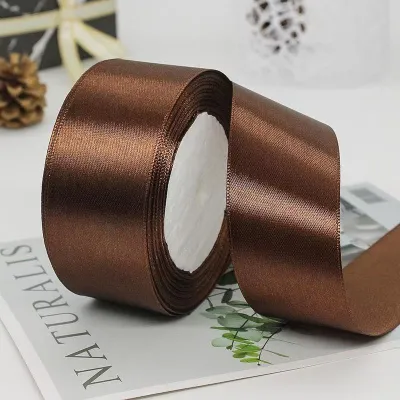
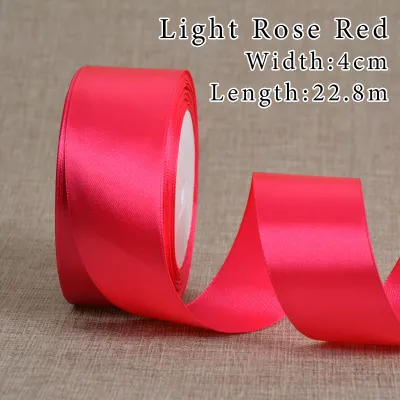
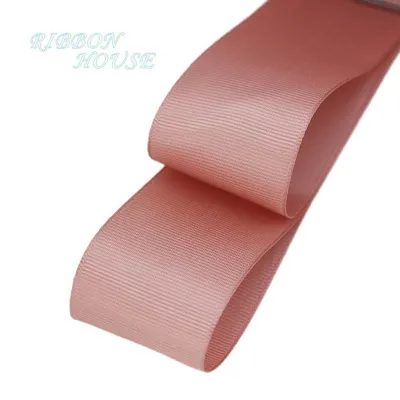
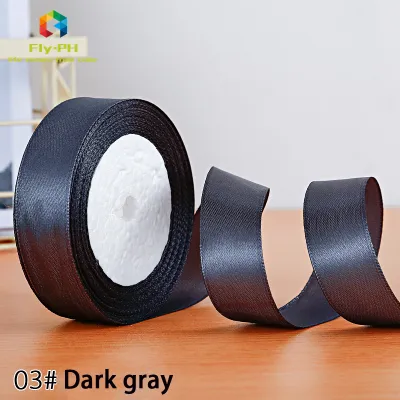
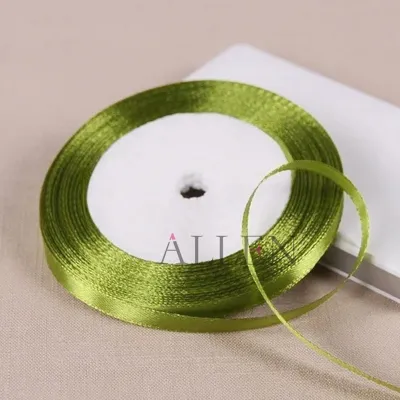
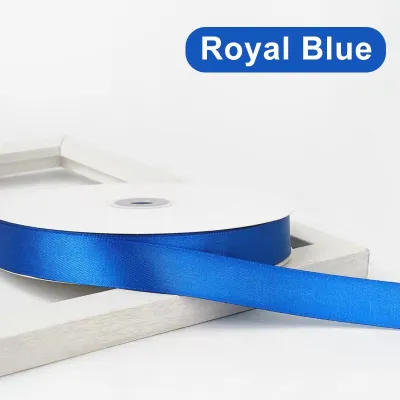
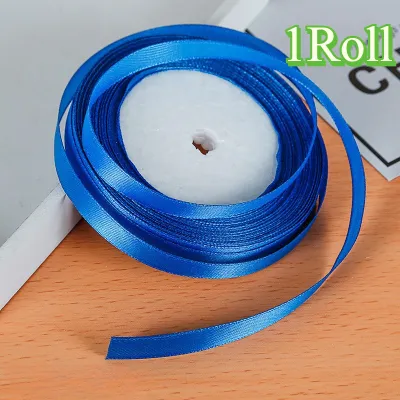
Prices are valid at publication and may change. Please refer to the product page for the latest price.
Event planners and corporate gifting specialists face a different set of challenges, focusing heavily on large-scale decor, precise color matching, and premium presentation. For these businesses, a slight variation in color shade can disrupt an entire event theme, making dye-lot consistency across bulk orders a critical requirement. Event decor also utilizes much larger quantities of ribbon for table runners, chair sashes, and grand entrance displays, requiring wider formats and continuous roll lengths to avoid unsightly seams.
Seasonal demand patterns in the Philippines also play a major role in inventory planning. Peak periods such as the Christmas season, Valentine’s Day, Mother’s Day, and the graduation months of May and June require temporary scaling of specific colors and materials. For example, deep reds, forest greens, and metallic gold ribbons dominate the year-end holidays, while soft pastels and sheers peak during graduation and wedding seasons. Tracking these recurring cycles allows wholesale buyers to adjust their order volumes well in advance, preventing stockouts during high-profit seasons.
Finally, gathering regular customer feedback and observing local wrapping trends can guide your material selection. If clients frequently request rustic, eco-friendly packaging, stocking natural jute, cotton, or biodegradable paper ribbons alongside traditional synthetics becomes necessary. Conversely, if your clientele leans toward luxury corporate hampers, investing in premium double-sided satin or custom-printed ribbons will yield better returns than stocking basic single-sided options.
Evaluating Common Ribbon Materials for Commercial Use
The physical characteristics of a ribbon material dictate both the visual outcome of the wrap and its physical durability during transport. While the market offers a vast array of textile options, commercial buyers must focus on how different fibers behave under tension, exposure to moisture, and cutting. The following categories represent the most common and reliable options available for wholesale procurement, each serving distinct functional roles in a professional wrapping toolkit.

Satin and Smooth-Finish Ribbons
Satin ribbons are the cornerstone of premium packaging, prized for their glossy, reflective surface and silky drape. They are highly favored for luxury retail, bridal applications, and high-end corporate gifting where an elegant, sophisticated aesthetic is paramount. Double-sided satin, which features a polished finish on both sides, is particularly valued in professional wrapping because it eliminates the need to carefully twist the ribbon during bow-making to hide a dull underside, thereby speeding up the wrapping process.
Despite their visual appeal, smooth-finish ribbons present specific handling challenges that wholesale buyers must prepare for. The fine, woven threads of satin are highly prone to fraying at the cut ends, which can quickly make a beautifully wrapped gift look untidy. To mitigate this, wrapping stations must be equipped with ultra-sharp, dedicated fabric shears, or staff must utilize heat-sealing tools to melt the synthetic edges cleanly. Additionally, the slick texture of satin reduces friction, meaning that knots can easily slip or loosen over time if not tied with sufficient tension or secured with a double knot.
Grosgrain and Textured Ribbons
Grosgrain ribbon is easily identified by its ribbed, matte texture, created by heavy weft yarns that run across the width of the fabric. This unique structure gives grosgrain exceptional tensile strength and durability, making it the ideal choice for securing heavy boxes, rigid hampers, and bulky retail packages. Unlike satin, grosgrain does not stretch or deform easily under tension, ensuring that large packages remain tightly bound during transit and delivery.
The ribbed texture of grosgrain also provides superior slip resistance, allowing wrapping staff to tie tight, secure knots and crisp, upright bows that hold their shape indefinitely. This high friction makes it an excellent starter ribbon for training new staff, as it is far more forgiving to work with than slippery alternatives. Furthermore, the flat, textured surface of grosgrain is highly receptive to custom printing, allowing businesses to easily stamp or screen-print their brand logos, slogans, or seasonal greetings directly onto the ribbon roll for a personalized touch.
Organza and Sheer Ribbons
Organza is a lightweight, translucent ribbon made from tightly twisted fibers, offering a delicate, airy appearance that diffuses light beautifully. Its primary commercial applications lie in floral arrangements, wedding favors, cosmetics packaging, and multi-layered gift presentations where a touch of softness is desired without overpowering the primary wrapping paper. Because of its sheer nature, organza is frequently layered over wider, solid-colored ribbons to create a sophisticated, multi-dimensional depth.
However, organza offers virtually no structural support, making it entirely unsuitable for securing heavy items, binding large boxes, or serving as load-bearing handles on gift bags. Its delicate, open-weave structure also makes it highly susceptible to snagging on rough packaging materials, sharp box corners, or natural elements like woody stems and dried flowers. When stocking organza in bulk, buyers must ensure that the edges are securely woven or wired to prevent the delicate fabric from unraveling during handling.
Wired and Edge-Wired Ribbons
Wired ribbons feature thin, flexible metal wires embedded along both outer edges, hidden within a stitched or woven border. This structural addition allows the ribbon to be bent, twisted, and sculpted into elaborate, three-dimensional shapes that retain their form until manually adjusted. For florists, event planners, and visual merchandisers, wired ribbon is indispensable for creating massive, dramatic bows for wreaths, grand floral stands, and architectural venue displays that would otherwise sag under their own weight.
While highly versatile, wired ribbon rolls require careful storage and handling to maintain their commercial value. If a roll is dropped, compressed, or stacked carelessly under heavy items, the internal wires can become permanently kinked or deformed, rendering the entire spool difficult to use for clean, professional work. Additionally, quality checks are essential when sourcing wired ribbons in bulk; poorly manufactured options may have sharp, exposed wire ends that can scratch customers, snag delicate wrapping papers, or rust when exposed to the high humidity typical of tropical climates.
Choosing the Right Widths, Lengths, and Bulk Formats
Optimizing your wholesale ribbon inventory requires a precise understanding of ribbon dimensions and packaging formats to minimize material waste and control operational costs. Ribbon widths are typically measured in millimeters or inches, and stocking a balanced range of sizes ensures you can handle any packaging task efficiently. Narrow widths, ranging from 3mm to 10mm, are ideal for tying small gift tags, securing delicate jewelry boxes, or binding individual floral stems. Medium widths, between 15mm and 25mm, serve as the workhorses of most retail gift shops, fitting standard shirt boxes and medium-sized gift bags perfectly. Wide ribbons, measuring 38mm to 50mm or more, are reserved for large hampers, corporate gift towers, and dramatic floral arrangements where visual impact is key.
When purchasing wholesale, buyers must choose between standard retail spools (typically 10 to 25 meters) and large, continuous bulk rolls (often 50 to 100 meters or more). While smaller spools are easier to handle and fit standard desktop dispensers, they result in a higher frequency of roll changes and a larger percentage of end-of-roll waste. Continuous bulk rolls are far more cost-effective for high-volume environments, as they reduce the unit cost per meter and allow wrapping staff to cut long, uninterrupted lengths for oversized packages.
To determine the true financial impact of your ribbon choices, it is essential to calculate the estimated yield per roll rather than relying solely on the upfront purchase price. You can establish a basic cost-per-wrap formula to guide your purchasing decisions:
Cost per wrap = (Total cost of the wholesale roll in ₱) / (Total length of the roll / Average length used per package)
For example, if a standard medium gift box requires approximately 1.5 meters of ribbon (including the wrap and a basic bow), a 100-meter bulk roll will yield roughly 66 wraps. By calculating this yield across different material options and roll lengths, you can make objective, data-driven purchasing decisions that protect your business margins.
Verifying Supplier Quality and Bulk Order Standards
Committing to a large wholesale ribbon order without verifying quality can lead to costly mistakes, inconsistent packaging, and dissatisfied clients. Before finalizing a contract with a wholesale supplier, always request physical samples of the exact materials and colors you intend to purchase. When evaluating these samples, perform a simple colorfastness test by rubbing a damp white cloth vigorously against the ribbon surface; if the dye transfers to the cloth, the ribbon is highly likely to bleed and ruin expensive wrapping paper or stain a customer’s hands when exposed to moisture or sweat.
Edge finishing is another critical quality marker to inspect on your samples. Run your fingers along the edges of the ribbon to check for loose threads, uneven weaving, or rough stitching that could cause premature fraying. For wired ribbons, verify that the wire is completely encased within the border and that the metal used is resistant to oxidation, as cheap iron wires can quickly rust and discolor the fabric in humid tropical environments.
Dye lot consistency is a major concern for businesses that handle large events or ongoing corporate contracts. Because textile dyeing is a chemical process influenced by temperature and humidity, different production batches (or dye lots) of the same color code can vary slightly in shade. Ensure your supplier has a clear policy regarding dye lot matching for bulk orders, guaranteeing that all rolls delivered for a specific project originate from the same production run. Finally, clarify the supplier’s minimum order quantities (MOQs), estimated lead times for restocking, and return policies for any rolls that arrive with manufacturing defects, ensuring a reliable and transparent supply chain.
Structuring Your Initial Wholesale Inventory Mix
Building a balanced starter inventory requires a disciplined approach to budget allocation, ensuring you do not tie up valuable capital in slow-moving novelty items. A practical rule of thumb for new wrapping businesses is to allocate approximately 70% of your wholesale ribbon budget to core, year-round staple colors and materials. These staples include high-quality satin and grosgrain ribbons in neutral tones such as cream, white, gray, and kraft brown, alongside classic primary colors like deep red, navy blue, and forest green. These versatile options can be adapted to almost any occasion, from corporate events to birthdays, by simply pairing them with different wrapping papers.
The remaining 30% of your budget can then be allocated to seasonal colors, trendy patterns, and specialty materials like organza or wired ribbons. This portion of your inventory should scale up or down based on the upcoming calendar; for instance, you might increase your stock of metallic gold and silver ribbons ahead of the year-end holidays, or invest in soft pastels and floral prints as the spring and graduation seasons approach. By keeping your specialty inventory lean, you minimize the risk of holding dead stock that occupies valuable storage space for months on end.
To maintain a smooth operational flow, establish clear reorder triggers based on your average daily usage rates and your supplier’s delivery lead times. For example, if you use an average of two rolls of 25mm red satin ribbon per week, and your supplier takes two weeks to deliver a new wholesale order, your reorder trigger should be set when your inventory drops to four rolls. Factoring in a safety buffer of one or two extra rolls will protect your business from unexpected shipping delays or sudden spikes in customer demand, ensuring your wrapping stations are always fully operational.
Frequently Asked Questions (FAQ)
How should I store bulk ribbon rolls to prevent damage?
Proper storage is essential to preserve the physical integrity and appearance of your wholesale ribbon inventory. Ribbon rolls should always be stored upright on flat shelves or mounted horizontally on dedicated dowel racks or ribbon dispensers. Stacking rolls flat on top of one another can crush the edges of the lower spools, causing permanent creases in the fabric and deforming wired edges. Additionally, keeping ribbons on elevated racks protects them from dust, dirt, and accidental spills in a busy workspace.
In humid tropical environments, climate control is a critical factor in inventory preservation. High humidity can cause natural fibers to sag, promote mold growth on organic materials, and accelerate the oxidation of metal wires in edge-wired ribbons. Store your bulk inventory in a cool, dry room away from direct sunlight, which can rapidly fade vibrant dyes. Utilizing silica gel packets in your storage bins or running a dehumidifier in your primary inventory space will help maintain the crispness and color brilliance of your ribbons until they are ready for use.
Can I mix different ribbon materials on a single gift wrap?
Mixing different ribbon materials on a single package is an excellent way to add visual texture, depth, and structural integrity to your commercial gift wrapping. A common professional technique involves layering a delicate, translucent ribbon, such as organza, directly over a wider, sturdy base ribbon like grosgrain or satin. This combination allows you to leverage the high tensile strength and knot security of the base ribbon to keep the package tightly bound, while the sheer top layer adds a soft, luxurious finish that catches the light.
When combining different materials, however, you must ensure that their physical properties and care requirements are compatible. For example, if you use heat-sealing tools to prevent fraying, be aware that synthetic ribbons like polyester satin melt cleanly, while natural fibers like cotton or jute will char or burn. Additionally, ensure that the colors do not bleed into one another if the package is exposed to moisture. By testing your material combinations beforehand, you can create unique, multi-textured designs that elevate your brand’s presentation without compromising the structural security of the wrap.
Community discussion
Share your experience or ask a question. Comments are reviewed before publication.