
Finding the right bookmark for heavy textbooks and busy planners requires looking beyond aesthetics to the physical mechanics of the bookmark itself. Silicone has become a popular material for stationery because of its flexibility, durability, and natural grip, but not every design suits every book. For thick, heavy-bound textbooks, a stretchy silicone band or a deep-jawed silicone clip provides the tension needed to stay secure. For planners, especially those with spiral bindings or delicate dividers, a thin silicone marker or a lightweight clip is often more practical to avoid tearing pages or damaging the coils.
To make the right choice, you must match the bookmark’s physical grip mechanism to the specific binding and paper type of your reading material. A mismatch can lead to slipping bookmarks, torn pages, or stretched-out bands that lose their utility. Understanding how these designs interact with different book structures ensures your place is kept secure without causing wear and tear to your valuable books.
Understanding the Main Silicone Bookmark Designs
Silicone bookmarks generally fall into three distinct categories, each utilizing a different mechanical method to hold your place. Stretchy bands are continuous loops of elastic silicone designed to wrap vertically or horizontally around an entire book, including the front cover, back cover, and spine. This design relies entirely on the elastic tension of the silicone to stay in place, hugging the book tightly so it cannot slip out even when tossed into a bag.
Products mentioned in this guide
165 Lazada user ratings
The design is really exquisite, and the attention to detail is on point.
The color matches the picture perfectly, and it flips pages nicely.
The design is really refined, and the details are well handled.
The material is really good; it's very reassuring to use.
It looks really beautiful after receiving it.
Prices are valid at publication and may change. Please refer to the product page for the latest price.
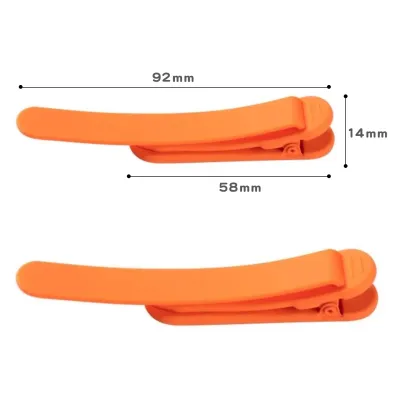
Silicone clips, on the other hand, use a pinch mechanism. These are typically smaller, molded pieces of silicone that slide over the edge of a page, a group of pages, or the book cover itself. They rely on the friction of the silicone material and the physical clamping force of the clip’s design to grip the paper tightly without slipping off.
Thin markers are flat, slip-in sheets or strips of silicone that resemble traditional paper or plastic bookmarks but leverage the unique properties of the material. They do not clip or stretch; instead, they lie flat between pages, relying on the weight of the book’s pages and the natural high-friction surface of silicone to resist sliding out.
Across all three styles, silicone offers distinct material advantages over paper, metal, or leather. It is highly flexible, water-resistant, and resistant to tearing. However, thickness variations among these designs significantly impact how they perform under different levels of pressure and page density.
Securing Thick Textbooks: Hardcovers and Heavy Page Counts
Thick academic textbooks present unique challenges due to their sheer weight, high page counts, and often glossy, low-friction paper. Traditional thin markers, even those made of silicone, frequently slip out of these heavy volumes. When a heavy textbook shifts inside a backpack, the slick surface of glossy pages offers very little resistance, allowing a loose, flat marker to slide out easily and lose your place.

For thick hardcovers, stretchy silicone bands are highly effective, but you must evaluate their physical limits before purchasing. A band must have enough circumference and elasticity to stretch around the entire book without placing excessive pressure on the spine. If a band is too tight, the constant tension can warp the hardcover boards, crush the edges of the pages, or cause the silicone itself to snap over time. Always check the manufacturer’s specified maximum stretch limit against the total perimeter of your closed textbook.
Silicone clips offer an alternative for textbooks, but they require careful placement. If you attempt to clip a standard silicone marker over too many pages at once, the jaw of the clip may stretch beyond its structural limit, permanently deforming the silicone or causing it to slide off. To use a clip securely on a thick textbook, attach it to a small section of pages near the edge, or clip it directly to the rigid hardcover itself, ensuring the jaw depth is sufficient to hold without putting strain on the binding.
Before buying any silicone bookmark for a heavy textbook, verify the physical dimensions. Look for manufacturer specifications detailing the unstretched length of bands or the maximum opening width of clips. Measuring your textbook’s thickness and cover dimensions beforehand prevents the frustration of using a bookmark that is either too loose to stay put or too tight to use safely.
Navigating Planners: Spiral Bindings and Frequent Flipping
Planners and journals require a different approach because they are handled frequently throughout the day and often feature spiral or wire-o bindings. Stretchy silicone bands are generally poorly suited for spiral-bound planners. The elastic tension of the band can pull against the metal or plastic coils, causing the pages to bunch up, or worse, snagging on the wire loops and bending them out of alignment. Additionally, if the planner has a flexible or soft cover, a tight band will bend the cover inward, ruining the planner’s structure.
Thin silicone markers excel in this scenario. Because planners typically use standard, non-glossy paper, the natural friction of a flat silicone strip is more than enough to keep it in place without needing elastic tension. These flat markers lie completely flush between the pages, allowing you to flip quickly to your daily or weekly spread without any bulk obstructing your writing surface.
If you prefer a more secure attachment, silicone clips can be used on planners, provided they are placed strategically. Instead of clipping them to thin, individual paper pages—which can easily tear under the weight of the clip during frequent flipping—attach them to thick cardstock dividers, laminated tabs, or the planner’s back cover. This provides a sturdy anchor point that can withstand constant handling without damaging the planner’s interior.
When choosing a bookmark for your planner, always assess the cover stiffness, the binding clearance, and the overall page density. A planner with a rigid cover and wide spiral coils can handle different bookmark styles than a slim, softcover journal with tight wire binding. Matching the bookmark to these structural details ensures smooth daily navigation.
Cross-Scenario Compatibility and Silicone Care
For students and professionals who carry both heavy textbooks and daily planners, finding a single bookmark style that works for both can simplify your stationery setup. A medium-sized silicone clip often serves as a versatile hybrid option. It can grip the thick cover of a textbook when reading, and then easily transfer to a planner’s cardstock divider or cover pocket when it is time to organize your schedule.
To keep your silicone bookmarks functioning well over time, regular maintenance is necessary. Because silicone has a naturally high-friction, slightly grippy surface, it tends to attract dust, lint, pocket grime, and even stray ink from your pens. When a bookmark accumulates dust, it loses its grip and begins to slip. To clean it, simply wash the bookmark with mild dish soap and warm water, rinse it thoroughly, and let it air dry completely before placing it back inside a book.
Proper storage is also key to preserving the shape and elasticity of your bookmarks. Avoid leaving stretchy bands wrapped tightly around large books for months on end, as this can permanently stretch the polymer chains, causing the band to sag and lose its tension. When carrying thin silicone markers in a crowded bag, store them flat inside a notebook or pocket to prevent them from warping or bending permanently, which can make them difficult to lie flat.
In humid climates, such as in the Philippines, extra care should be taken when using silicone stationery. High humidity can cause moisture to become trapped between the non-porous silicone surface and the paper pages, potentially leading to page warping or ink transfer. Ensure both your books and your silicone bookmarks are kept dry, and avoid leaving silicone clips clamped tightly in one spot for extended periods in damp environments to protect your pages from moisture damage.
Frequently Asked Questions (FAQ)
Will silicone bookmarks leave marks or residue on book pages?
Pure, high-quality silicone is chemically inert and non-acidic, meaning it will not naturally degrade, leach oils, or leave sticky residues on your book pages over time. However, lower-grade silicone products may contain added dyes, plasticizers, or surface coatings that can react to heat or pressure. To protect valuable or antique books, it is always wise to perform a quick test by placing the bookmark on a less visible back page for a few days to check for any ink transfer or discoloration before regular use.
How do I measure my book for a stretchy silicone band?
To find a stretchy band that fits comfortably without overstretching, you need to measure your book’s closed perimeter. Use a flexible measuring tape to measure the width of the front cover, add the thickness of the spine, and add the width of the back cover. Compare this total measurement to the manufacturer’s stated unstretched length; ideally, the band’s unstretched length should be slightly shorter than your book’s perimeter to provide a secure, gentle hold without requiring maximum stretch.
Community discussion
Share your experience or ask a question. Comments are reviewed before publication.