
Selecting the right silk screen paint depends on your fabric choice, available curing equipment, and the desired texture of the finished print. While water-based inks sink into fibers for a soft feel, plastisol inks sit on top of the fabric for vibrant opacity, and discharge inks chemically strip dark dyes to leave a weightless design. Matching these ink characteristics to your workshop setup ensures clean prints that withstand repeated washing.
Understanding How Each Silk Screen Paint Works
Water-based inks consist of pigments suspended in a water solvent. When printed, the water evaporates, allowing the pigment to bind directly within the fabric fibers. This penetration creates a soft, breathable finish that is highly comfortable to wear, making it a common choice for light-colored cotton garments. Because they rely on evaporation, these inks can dry naturally over time or be cured with low-heat equipment, though local humidity levels can significantly influence drying speeds.
Plastisol inks are formulated with PVC resin suspended in a plasticizer liquid. Unlike water-based options, plastisol does not contain solvent and will not dry or evaporate at room temperature, meaning it can sit on the screen indefinitely without clogging the mesh. When printed, it rests on top of the fabric fibers rather than sinking in, creating a raised, highly opaque layer. To cure and become wash-fast, plastisol must be exposed to specific high-temperature thresholds, typically requiring a dedicated flash cure unit or conveyor dryer.
Products mentioned in this guide
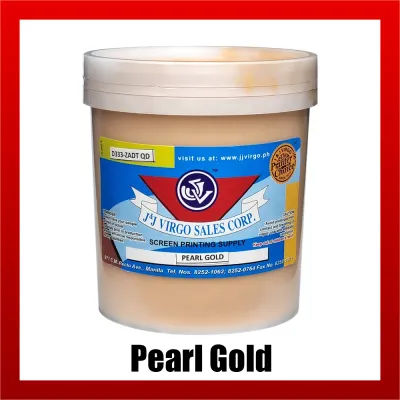
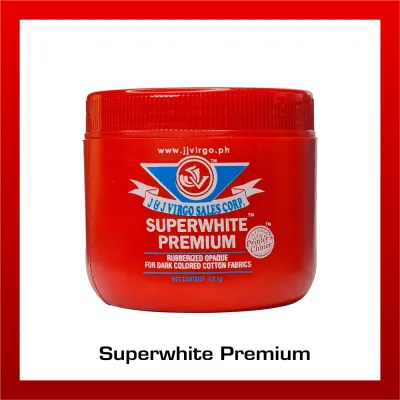
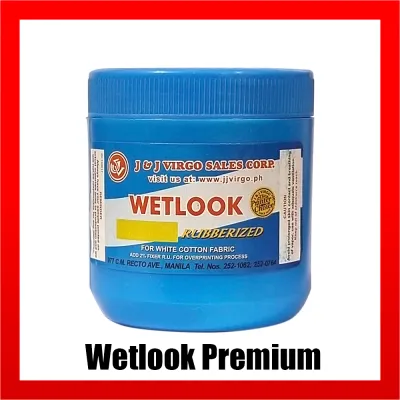
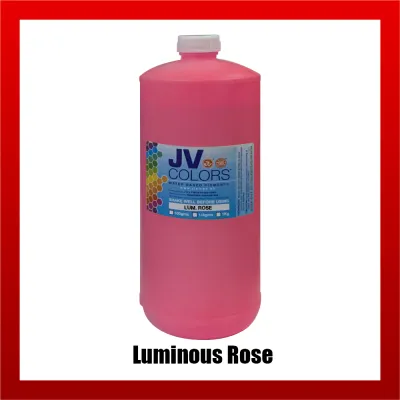
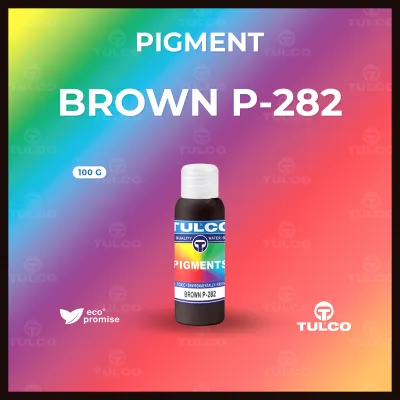
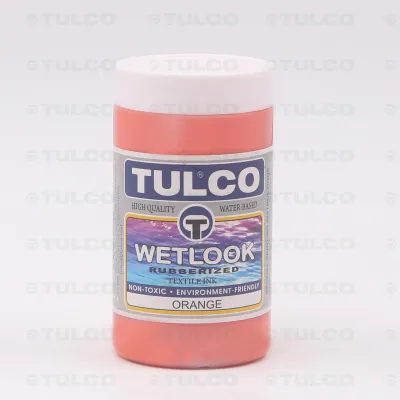
Prices are valid at publication and may change. Please refer to the product page for the latest price.
Discharge inks function through a chemical reaction rather than simple coating. They utilize an active discharge agent mixed into a water-based ink carrier to strip the original dye out of dark, reactive-dyed cotton fibers. As the heat-activated agent bleaches the fabric’s original color, the ink’s pigment simultaneously dyes the cleared fibers. This dual action results in a vibrant, colorful print on dark garments that retains the soft, unprinted texture of the raw fabric.
Key Factors to Compare Before Buying
Fabric compatibility and color limitations represent the first major decision point. Discharge inks are highly specialized, performing reliably only on 100% natural fibers like cotton that have been dyed with dischargeable reactive dyes. Plastisol inks offer much broader versatility, adhering well to cotton, polyester, and various synthetic blends, though printing on dark synthetics may require a specialized underbase to prevent dye migration. Water-based inks work beautifully on light-colored natural fabrics but struggle to show vibrant colors on dark materials without a thick, opaque white undercoat.

Curing requirements dictate the type of workshop equipment you must have on hand. Water-based inks are the most forgiving for home crafters and small studios, as many formulations can air-dry or cure with a standard heat gun or household iron. Plastisol and discharge inks, however, demand precise, consistent heat exposure to fuse the plastic resins or activate the chemical bleaching agents. Without a reliable flash cure unit, heat press, or conveyor dryer capable of reaching and maintaining the manufacturer’s specified temperatures, these inks will wash out of the garment.
The trade-off between print feel, breathability, and washability is central to garment design. Plastisol prints are exceptionally durable and retain their vibrant colors through many wash cycles, but they create a heavy, solid plastic barrier that restricts airflow through the fabric. Water-based and discharge prints offer excellent breathability and a “no-hand” feel where the design cannot be felt on the fabric, but they may experience slight fading over time if the curing process was not properly executed.
Skill level and cleanup processes also vary widely across these ink systems. Plastisol is highly beginner-friendly because it does not dry in the screen, allowing printers to work at a relaxed pace without worrying about ruined stencils. However, cleaning up plastisol requires specialized mineral spirits or screen washes to break down the plasticized ink. Water-based and discharge inks require a faster, more disciplined printing rhythm to prevent the ink from drying and clogging the screen mesh, but they offer the convenience of simple water cleanup before the ink cures.
Which Silk Screen Paint Should You Choose?
Choose water-based silk screen paint if you are printing primarily on light-colored natural fabrics, prioritize a soft and breathable hand feel, and are working in a home studio without heavy-duty curing equipment. This option is highly accessible for beginners and hobbyists who want an easy cleanup process using water.
Choose plastisol silk screen paint if you need to print vibrant, highly opaque designs on dark garments, synthetic blends, or polyester athletic wear. It is a practical choice if you have access to a flash cure unit or heat press and want an ink that remains wet on the screen, allowing for long, uninterrupted printing sessions without the risk of clogging.
Choose discharge silk screen paint if you are printing on dark, 100% cotton garments and want to achieve a soft, premium finish without the heavy, rubbery texture of plastisol. This system is well suited for intermediate to advanced printers who possess proper ventilation setups and reliable heat-curing equipment to activate the discharge agent.
Verify first if you are working with synthetic blends, performance fabrics, or specialty textiles. Discharge inks will not bleach polyester fibers, and standard water-based inks may appear dull or bleed on synthetic blends. In these cases, you must check manufacturer specifications to determine if you need specialized low-bleed plastisol inks, synthetic-compatible water-based formulations, or specific blocking additives to prevent dye migration.
Equipment and Setup Requirements for Each Type
Screen mesh counts and emulsion selection must be carefully matched to your chosen ink. Water-based and discharge inks have a lower viscosity and flow easily, requiring higher mesh counts (typically 156 to 230 threads per inch) to control ink deposit. Because these inks contain water, you must use a water-resistant or dual-cure emulsion; standard solvent-resistant emulsions will quickly dissolve and ruin your stencil during a print run. Plastisol, being much thicker, can be printed through lower mesh counts (86 to 110 threads per inch) for heavy ink deposits, and works well with standard, easy-to-reclaim emulsions.
Curing tools must be capable of reaching the specific temperature thresholds required to fuse the ink chemistry. Plastisol typically requires the entire ink layer to reach approximately 160°C to cure completely. Discharge ink requires even more heat energy, as the fabric must reach a high temperature to evaporate the water carrier and fully activate the discharge agent. A reliable infrared thermometer is an essential tool to monitor the surface temperature of the garment during the curing process.
Cleanup supplies and ventilation requirements vary based on the chemical makeup of the ink. Plastisol cleanup requires specialized solvents, screen degraders, and lint-free rags to completely remove the plastic residue from screens and squeegees. Water-based inks can be cleaned with water and a mild screen wash, but the process must be done immediately before the ink dries in the mesh. Because discharge printing releases chemical vapors during the heating process, a well-ventilated workspace with active exhaust fans or a dedicated fume extraction system is absolutely necessary.
Testing and Troubleshooting Your Prints
Conducting wash and stretch tests is the most reliable way to verify proper curing and ink adhesion before starting a full production run. After curing a test print, allow it to cool completely, then firmly stretch the printed design; if the ink cracks or splits excessively, it indicates an incomplete cure. Additionally, running the test garment through a standard washing machine cycle will quickly reveal if the ink was not fully fused, as under-cured ink will fade, flake, or wash away.
Managing drying time in the screen is a critical skill when working with water-based formulations, especially in warm, tropical climates where high ambient temperatures can accelerate evaporation. To prevent the ink from drying in the mesh, keep a spray bottle of water or a specialized retarder additive nearby to mist the screen periodically, and always keep the screen flooded with a thick layer of ink between print strokes. For plastisol and discharge, focus your monitoring on curing temperature thresholds rather than screen drying, ensuring your heat source provides even coverage across the entire design area.
Checking manufacturer garment labels for exact fabric composition is essential before applying discharge inks. Because the discharge process relies on a chemical reaction with reactive dyes on natural fibers, garments containing polyester, nylon, or non-dischargeable dyes will not bleach properly, resulting in dull, muddy, or completely failed prints. Always perform a small spot test with activated discharge ink on an inconspicuous area of the garment to verify how the fabric reacts to the bleaching agent before proceeding with the full design.
Frequently Asked Questions (FAQ)
Can I mix water-based and plastisol inks together?
No, you should not mix water-based and plastisol inks directly. Because water-based inks rely on solvent evaporation and plastisol is a PVC-based plasticizer system, their chemical bases are completely incompatible. Mixing them will result in an unstable, clumpy mixture that will neither print smoothly nor cure properly. If you want to combine the benefits of both, look for specialized hybrid ink systems or use a plastisol underbase with water-based top colors, following the manufacturer’s specific system guidelines.
Why is my discharge ink not bleaching the dark fabric?
If your discharge ink is failing to bleach the fabric, first verify that the garment is made of 100% natural cotton and has been dyed with discharge-friendly reactive dyes. Synthetic fibers like polyester will not react to the discharge agent. Next, check the age of your mixed ink; once the discharge activator powder is mixed into the ink base, it typically remains active for only eight to twelve hours. Finally, ensure your curing equipment is reaching the necessary temperature to fully activate the chemical reaction and drive off the moisture.
Do I need a special emulsion for water-based silk screen paint?
Yes, printing with water-based or discharge silk screen paint requires a water-resistant or dual-cure emulsion. Standard photopolymer emulsions designed for plastisol inks are highly sensitive to water and will quickly soften, break down, and wash away during a print run. Using a dual-cure emulsion or applying an emulsion hardener to your exposed screen ensures the stencil remains durable and intact throughout the entire printing and cleanup process.
Community discussion
Share your experience or ask a question. Comments are reviewed before publication.