
Selecting the right art supplies for school is more than just buying the largest box of colors available. In the Philippines, where school curriculums place a high value on creative projects—from poster-making contests during Buwan ng Wika to detailed science diagrams—having the correct tools is essential. Skylar art sets offer a wide range of configurations, but choosing the one that matches your child’s specific grade level ensures they have the right mediums without carrying unnecessary weight in their schoolbags. By aligning the set’s contents with classroom requirements, parents can save money, reduce waste, and support their child’s artistic development.
To make the best choice, parents must evaluate how different art tools perform on various paper types and how well they suit a student’s daily routine. From washability for younger kids to pigment quality and tool durability for older students, understanding these factors will help you select a set that inspires creativity while remaining highly practical for classroom use.
Understanding School Art Requirements by Grade Level
Early childhood and kindergarten art activities focus heavily on physical development, sensory exploration, and basic motor skills. For children aged three to five, art is a tactile experience where they learn to grip tools and control their hand movements. At this stage, the school curriculum requires simple, safe, and highly washable materials. Young learners do not need precise tools; instead, they benefit from chunky crayons, jumbo colored pencils, and thick markers that are easy for small hands to grasp. Washability is the most critical feature for parents, as pigments frequently end up on skin, desks, and school uniforms. Non-toxic certifications are non-negotiable, as children in this age group often put tools in their mouths.
Products mentioned in this guide
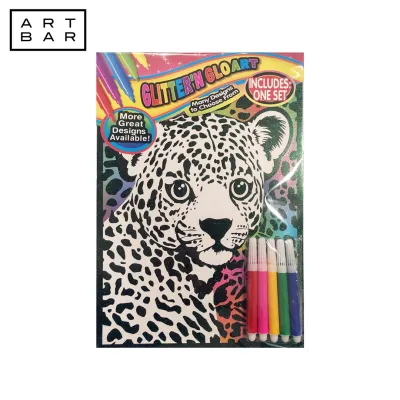
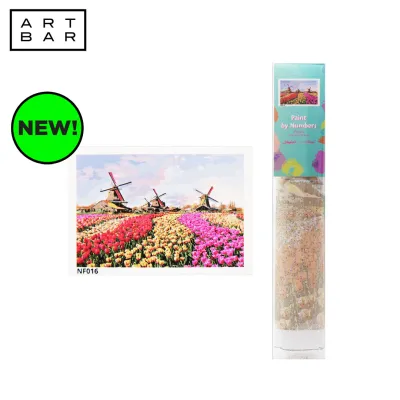
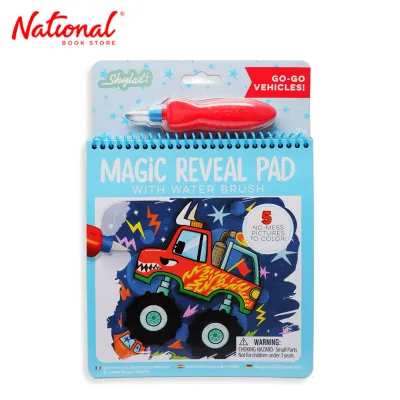
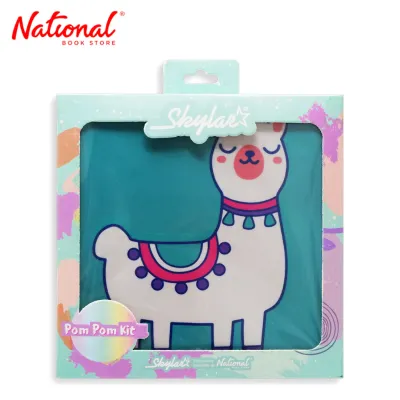
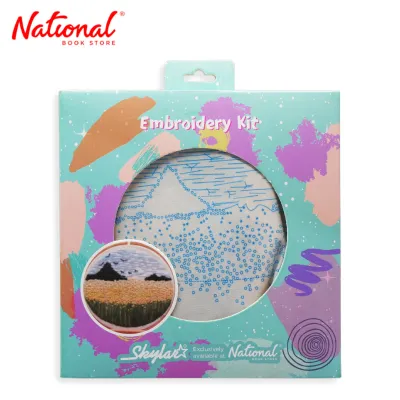
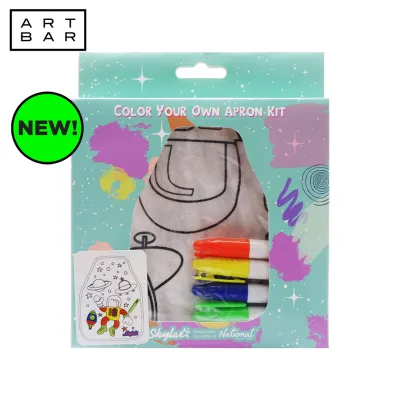
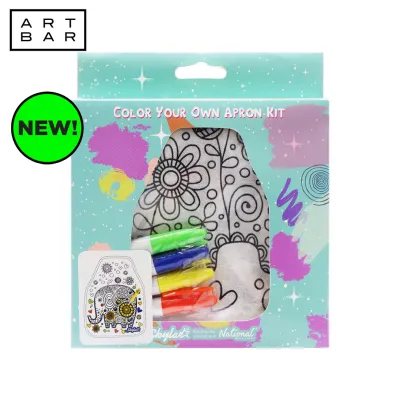
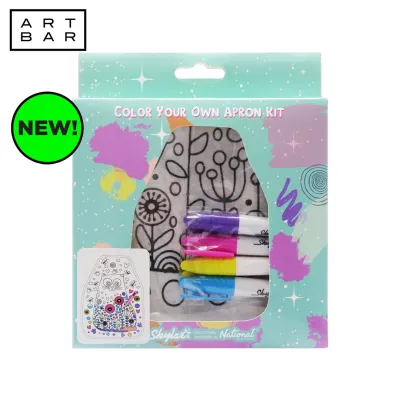
Prices are valid at publication and may change. Please refer to the product page for the latest price.
As students transition into elementary school (Grades 1 to 6), their art curriculum becomes more structured and introduces basic color theory, shading, and diverse mediums. Elementary students begin working on projects that require more precision, such as poster-making contests, holiday cards, and science diagrams. Their art sets should include a wider variety of tools, such as standard-diameter colored pencils, oil pastels, and watercolor cakes. At this stage, students learn how to mix colors and layer different mediums. The tools must offer a balance between ease of use and creative flexibility, allowing students to develop fine motor skills without getting frustrated by brittle pencil leads or dry, low-pigment paints.
In middle and high school (Grades 7 to 12), art classes demand technical precision, specialized tools, and higher-quality pigments. Students tackle advanced techniques like perspective drawing, detailed sketching, and mixed-media painting. High school students often require specific grades of graphite pencils (such as 2B, 4B, and 6B) for shading, fine-tip drawing pens for ink work, and high-pigment watercolor pans or acrylic tubes. If your teenager is pursuing an arts track in senior high school or preparing a portfolio for college applications, they will need archival-quality materials that do not fade easily over time. For these older students, student-grade sets must offer reliable performance, smooth color laydown, and compatibility with professional-grade drawing papers.
Key Features to Evaluate in Skylar Art Sets
When browsing Skylar art sets, look beyond the total piece count. A 150-piece set might seem like an excellent value, but if it consists mostly of plastic paper clips, glue bottles, and low-quality crayons, it won’t serve your child’s classroom needs. Check the packaging or product description for the exact breakdown of core mediums. Ensure the set contains a balanced mix of colored pencils, watercolors, markers, and pastels that match the school’s syllabus. For example, if the curriculum emphasizes watercolor painting, a set with a robust 24-color watercolor pan is far more valuable than one with only six basic colors and dozens of unused crayons.

Always verify the safety labels printed on the art set’s packaging. Look for recognized international standards such as the AP (Approved Product) non-toxic seal or the EN71 certification for toy safety. In the tropical climate of the Philippines, high heat and humidity can cause low-quality plastics and cheap wax crayons to melt, warp, or emit strong chemical odors. Choosing certified non-toxic sets ensures that the materials remain safe to handle even during hot summer days in classrooms without air conditioning. Additionally, check if the markers are water-based, which makes them much easier to wash out of school uniforms compared to alcohol-based alternatives.
The physical design of the tools directly affects how comfortably your child can work. For younger students, triangular-shaped colored pencils and markers are ideal because they promote a proper grip and prevent the tools from rolling off slanted school desks. For older students, the durability of the pencil leads is a major factor. In humid environments, wood casings can absorb moisture, making them prone to splitting during sharpening. High-quality sets feature break-resistant leads that are securely bonded to the wooden casing, reducing frustration and extending the life of each pencil. Test the smoothness of the colored pencils on a scrap piece of paper; they should glide easily without scratching the surface.
Consider how your child will transport the art set to and from school. Philippine classrooms can be crowded, and students often share small desks. A massive, multi-tier wooden art case is beautiful for a home studio but highly impractical for daily school use. It adds significant weight to an already heavy backpack and is difficult to open on a cramped desk. For school, look for compact, lightweight cases made of durable plastic or zippered nylon. These cases should have secure slots for each tool, helping your child keep their supplies organized and preventing lost items at the end of the school day.
Matching Set Configurations to Student Needs
A smart strategy is to separate your child’s art supplies into a portable school kit and a comprehensive home studio set. For daily school use, a compact 24-piece to 36-piece Skylar set containing the absolute essentials is ideal. It fits easily into a backpack, keeps the weight manageable, and minimizes the financial loss if a tool is misplaced. At home, you can keep a larger, multi-tier art set with a wider array of colors and mediums. This allows your child to work on major weekend projects, school posters, or personal crafts with a full palette of tools without the risk of damaging or losing them at school.
Evaluate the ratio of consumable items to reusable tools within the set. Consumables are items that get used up, such as crayons, oil pastels, watercolors, and markers. Reusable tools include paintbrushes, rulers, pencil sharpeners, and the carrying case itself. A high-quality art set should feature durable reusable tools that can survive multiple school terms. For instance, a sturdy plastic case and a well-made sharpener can be used for years, even after the original colored pencils and paints have been completely used up and replaced. This approach is both environmentally friendly and cost-effective for parents.
Before investing in a large, premium art set, check if the brand offers individual refills for its core components. It can be highly frustrating to buy an entire new multi-color set just because the black marker has dried out or the blue colored pencil has been sharpened down to a stub. Knowing that you can purchase individual replacement pencils, watercolor pans, or markers allows you to extend the lifespan of the main carrying case and maintain a complete, functional set at a fraction of the cost. This is especially important for high-use colors like black, white, and primary blue.
Pre-Purchase Checklist for Parents and Guardians
Before making a purchase, carefully review the official supply list provided by your child’s teacher. Teachers often have highly specific requirements, such as “12-color watercolor cake set” or “dual-tip markers.” Buying a massive, all-in-one art set that contains the wrong type of paint or lacks the required pencil grades will result in unnecessary expenses. Match the set’s contents directly to the syllabus to ensure your child has exactly what they need for their lessons.
Always check the manufacturer’s age guidelines printed on the box. These recommendations are not just about safety; they also reflect the developmental stage the tools are designed for. A set designed for teenagers may contain sharp utility knives, solvent-based markers with strong odors, or highly concentrated pigments that are difficult for a younger child to wash off. Conversely, a set designed for toddlers will lack the precision and color range required for high school art projects.
When shopping on online marketplaces in the Philippines, be cautious of counterfeit art supplies. Fake products often use substandard pigments that are dull, brittle pencil leads that break constantly, or non-compliant chemicals that pose safety risks. To ensure you are buying an authentic Skylar art set, purchase directly from official brand stores, authorized stationery distributors, or reputable local department stores. Read recent buyer reviews, pay close attention to photos of the actual packaging, and avoid listings with suspiciously low prices, such as a massive set listed for under ₱100.
Art supplies can sometimes be damaged during transit, especially when shipped in hot delivery trucks. Watercolor cakes can crack, marker caps can pop off and cause the ink to dry out, or plastic cases can crack under pressure. Before finalizing your order, verify the store’s return and exchange policy. Ensure they offer a straightforward process for replacing damaged or defective items so you can secure a pristine, fully functional set for your child’s school year.
Frequently Asked Questions (FAQ)
How do I remove washable marker stains from school uniforms? (FAQ)
To remove washable marker stains from school uniforms, act as quickly as possible before the ink has a chance to dry completely. Begin by rinsing the stained area from the back of the fabric under cold, running water. This flushes the ink out of the fibers instead of pushing it deeper into the cloth. Next, apply a small amount of mild liquid laundry detergent or a dedicated stain remover directly to the spot. Gently blot the stain with a clean, white cloth or paper towel; avoid rubbing or scrubbing vigorously, as this can spread the pigment and damage the fabric fibers. Once the stain has faded, wash the uniform in the washing machine according to the garment’s care label. Always air-dry the uniform and check it thoroughly before exposing it to heat, as using a hot dryer or iron will permanently set any remaining ink.
Can different mediums from the same brand be mixed in one project? (FAQ)
Yes, mixing different mediums can create beautiful, textured effects, but success depends on the chemical properties of the materials. Water-based mediums, such as watercolors and water-based markers, blend together naturally and can be layered easily. However, wax-based colored pencils and oil pastels will naturally resist water-based paints. To avoid ruining a school project, always perform a trial on a scrap piece of the same paper type. This allows you to observe how the mediums interact, check the drying times, and verify if the paper can handle the moisture without warping or pilling. As a general rule for mixed-media projects, apply your lighter, water-based washes first. Once the paper is completely dry, layer the heavier, opaque, or wax-based mediums on top to add fine details, highlights, and rich textures.
What should I do if a watercolor pan dries out completely? (FAQ)
It is completely normal for watercolor pans (also known as cakes) to be dry, as they are designed to be solid until activated with water. To revive a dry watercolor pan, place a few drops of clean water directly onto the surface of the paint and let it sit undisturbed for two to three minutes. This allows the water to penetrate the binder and soften the pigment. Afterward, gently swirl a clean, damp paintbrush over the surface to mix the water and paint into a smooth, usable consistency. Avoid digging into the pan with the brush, which can damage the paint’s structure. If the watercolor has become extremely crumbly, has developed mold due to high tropical humidity, or fails to dissolve into a smooth liquid after several minutes of soaking, the paint has degraded and the pan or the entire set should be replaced.
Community discussion
Share your experience or ask a question. Comments are reviewed before publication.