
Selecting the right stationery paper size is essential for ensuring your documents look professional, fit standard binders, and print without formatting errors. In the Philippines, schools, universities, and offices navigate a unique mix of paper standards, utilizing both the international ISO A-series and North American formats. Choosing between A4, Letter, Legal, and A5 depends on your specific task, whether you are compiling a corporate report, drafting a legal affidavit, or organizing student lecture notes. Using the wrong size can lead to cut-off text, jammed printers, or rejected submissions, making it crucial to understand how these formats differ and where they are best applied.
Understanding Standard Paper Dimensions and Formats
To make informed purchasing and printing decisions, you must first understand the physical dimensions of standard paper formats. The global standard is the ISO 216 system, which uses a consistent aspect ratio of 1:1.414. This mathematical relationship means that folding an A4 sheet in half yields two A5 sheets, preserving the exact proportions of the original layout. In contrast, North American standards like Letter and Legal do not share this scaling ratio, meaning resizing documents between these formats often requires manual margin adjustments.
In the Philippines, a unique local variation exists regarding “Legal” paper. While standard US Legal paper measures 8.5 by 14 inches, many local schools, offices, and stationery stores use “Folio” size, often referred to locally as “Long Bond Paper,” which measures 8.5 by 13 inches. This distinction is critical because selecting the wrong “long” setting in your word processor can result in text being cut off at the bottom of the page during printing.
Products mentioned in this guide

Prices are valid at publication and may change. Please refer to the product page for the latest price.
The following table provides a quick reference for comparing these common paper sizes, their dimensions, and their primary applications:
| Format | Dimensions (mm) | Dimensions (inches) | Common Use Cases |
|---|---|---|---|
| A4 | 210 x 297 | 8.27 x 11.69 | Corporate reports, academic papers, standard forms |
| Letter | 215.9 x 279.4 | 8.5 x 11 | School assignments, personal letters, legacy systems |
| Legal (US) | 215.9 x 355.6 | 8.5 x 14 | Contracts, legal briefs, government filings |
| Folio (Long) | 215.9 x 330.2 | 8.5 x 13 | Local administrative forms, school exams |
| A5 | 148 x 210 | 5.83 x 8.27 | Notebooks, journals, planners, flashcards |
Choosing Paper Sizes for Student Assignments and Notes
For students, selecting the right paper size is a balance between portability and writing space. A5 paper is highly practical for daily note-taking, flashcards, and portable study journals. Because A5 notebooks are compact, they fit easily into small bags or crowded desks, making them ideal for writing down quick formulas, vocabulary words, or lecture summaries on the go. Many students prefer A5 binders because they can easily rearrange pages without carrying bulky, full-sized binders to campus.

When it comes to formal submissions, essays, and laboratory reports, A4 and Letter sizes are the standard. Most high schools and universities in the Philippines specify one of these two sizes for printed assignments. Letter size is frequently used for standard essays and creative projects, while A4 is often preferred for technical reports, research papers, and science lab sheets due to its slightly longer layout, which accommodates charts and data tables more comfortably.
Before committing to a bulk purchase of stationery paper, always check your course syllabus or ask your instructor for their specific formatting guidelines. Printing an A4-formatted document on Letter paper can cause margins to shift, potentially cutting off page numbers, headers, or footnotes. Keeping a ream of both A4 and Letter paper at home ensures you are prepared for any academic requirement without last-minute trips to a local copy center.
Selecting Paper Sizes for Teaching and Classroom Materials
Educators must choose paper sizes that optimize readability, distribution, and storage for their students. For standard worksheets, syllabi, and examination papers, A4 or Letter size is highly recommended. These sizes fit perfectly into standard student binders, clear books, and plastic envelopes, helping students keep their classroom materials organized throughout the school year. Using standard sizes also ensures that handouts can be photocopied or scanned easily using standard school equipment.
For specialized classroom materials, larger formats are often more practical. Legal or Folio (long bond) paper is excellent for wide-format documents such as classroom seating charts, detailed grading rubrics, or landscape-oriented weekly schedules. The extra length allows teachers to present complex grids and multi-column tables clearly without reducing the font size to an unreadable level.
Maintaining consistency across all distributed materials is key to effective classroom organization. When handouts, quizzes, and project guidelines are printed on a uniform paper size, students are less likely to lose individual sheets. It also simplifies grading, as a stack of uniform exam papers is much easier to align, staple, and carry than a mixed pile of varying paper dimensions.
Navigating Office and Administrative Paper Requirements
In professional environments, paper choice is dictated by corporate standards and local administrative norms. A4 has become the general standard for corporate reports, internal memos, and standard business correspondence in the Philippines. Most modern office printers and copiers are optimized for A4 by default, and using this size ensures that documents shared digitally can be printed globally without formatting issues.
However, Letter size remains prevalent in many offices, particularly those utilizing legacy database systems, specialized accounting software, or communicating with international partners based in North America. Some older billing systems and invoice templates are hardcoded to Letter dimensions, making it necessary to keep a stock of Letter-sized paper on hand to avoid alignment errors during automated print runs.
For legal and government transactions, the requirements become more specific. Legal size (8.5 by 14 inches) or Folio size (8.5 by 13 inches) is typically requested for contracts, affidavits, lease agreements, and official government submissions. Because the exact size requirements vary significantly between different government agencies, courts, and financial institutions, it is critical to verify the specific guidelines before printing. Using the wrong “long” format can result in documents being rejected, causing unnecessary delays in administrative processing.
Verifying Printer Compatibility and Paper Weight
Before printing your documents, you must ensure your hardware is compatible with your chosen paper size. Most modern office and home printers feature adjustable paper trays with sliding guides that lock into place for A4, Letter, or Legal sizes. Always adjust these physical guides snugly against the paper stack to prevent the sheets from feeding at an angle, which can cause paper jams or crooked prints. Additionally, remember to update the paper size settings in both your word processor and your printer driver properties before sending the job to print.
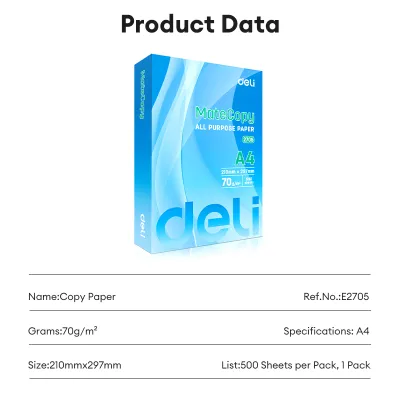
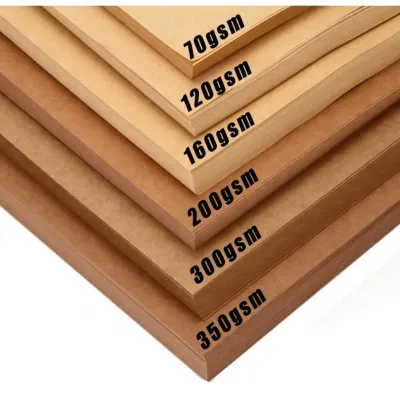
Paper weight, measured in grams per square meter (GSM), also plays a significant role in print quality and durability. For standard daily printing and copying, 70 GSM to 80 GSM paper is highly suitable. In the humid tropical climate of the Philippines, paper can absorb ambient moisture, making lighter 70 GSM sheets more prone to curling or jamming in high-speed laser printers. Upgrading to 80 GSM or 100 GSM provides better stiffness, higher opacity, and improved resistance to ink bleed-through, which is especially important if you are using gel pens, highlighters, or double-sided printing.
Because smoothness, bleed resistance, and drying speed depend on the specific combination of your paper’s coating and the ink type you use, it is wise to run a quick test. Before purchasing a large volume of paper for a major project or school year, buy a small trial pack or test a few sheets with your preferred pens and printer. This simple check helps you verify that the ink dries quickly without smudging or feathering, ensuring your final documents are clean, legible, and professional.
Frequently Asked Questions (FAQ)
Is A4 the same as Letter size?
No, A4 and Letter are different sizes. A4 measures 210 mm by 297 mm (8.27 by 11.69 inches), making it narrower and longer than Letter size, which measures 215.9 mm by 279.4 mm (8.5 by 11 inches). Printing an A4 document on Letter paper without adjusting the scale can cut off the top and bottom margins, while printing a Letter document on A4 can leave excessive empty space at the bottom.
What paper size should I use for official documents in the Philippines?
The required paper size for official documents in the Philippines depends entirely on the specific agency, court, or institution you are dealing with. While many corporate offices and modern government portals prefer A4, legal documents like contracts and affidavits often require Folio (8.5 by 13 inches) or US Legal (8.5 by 14 inches). Always verify the exact formatting guidelines with the receiving office or your legal counsel before printing.
Community discussion
Share your experience or ask a question. Comments are reviewed before publication.