
Selecting the ideal stickers for children requires balancing their physical coordination, safety requirements, and creative interests. While a toddler thrives with thick, raised shapes that are easy to grab, an older child seeks durable, water-resistant vinyl designs to personalize school gear. Matching the sticker’s material and design to a child’s developmental stage prevents frustration, supports fine motor growth, and ensures a safe play environment.
By understanding how sticker physical properties align with age-specific abilities, you can curate a collection that engages your child constructively. This guide breaks down the most suitable sticker types for different age groups, helping you match materials, sizes, and adhesive properties to your child’s current abilities and interests for a safe, frustration-free crafting experience.
Why Age Matters When Choosing Stickers for Kids
Children undergo rapid physical and cognitive changes during their early years, and their play materials should reflect these shifts. In early childhood, hand anatomy is still developing, transitioning from a whole-hand palmar grasp to a refined finger-and-thumb pincer grasp. Peeling a sticker is actually a complex bilateral coordination task that requires a child to stabilize a sheet with one hand while using the other hand’s fingers to locate, lift, and pull the sticker away without tearing it. If the sticker is too thin or the backing is too tight, the child experiences immediate frustration, which can stall their interest in creative play.
Products mentioned in this guide
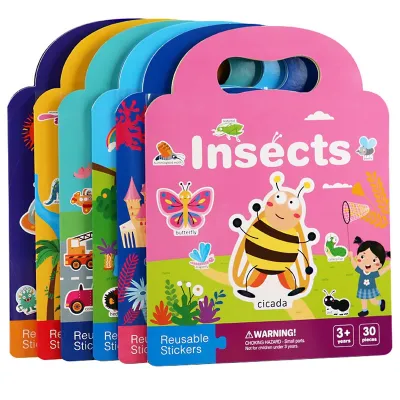
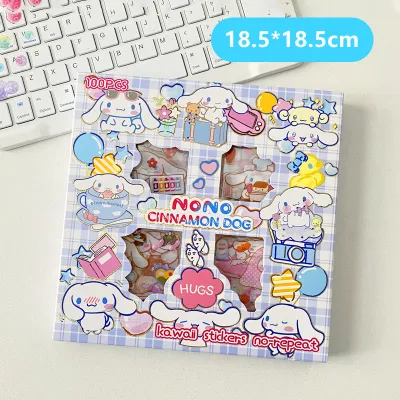
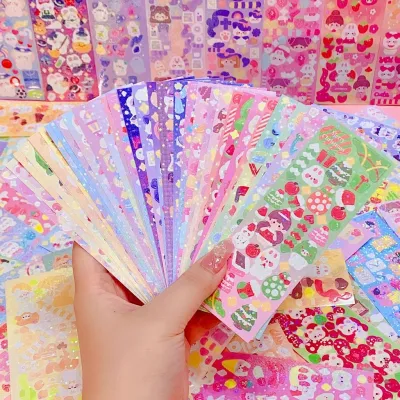
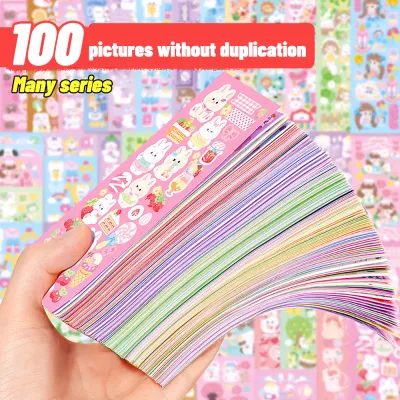
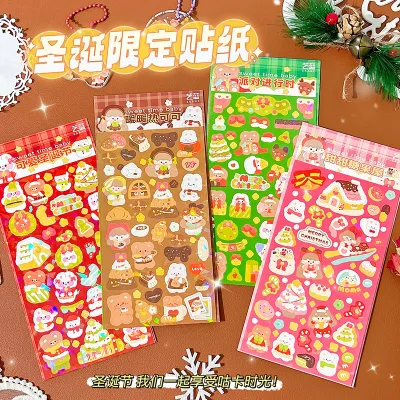
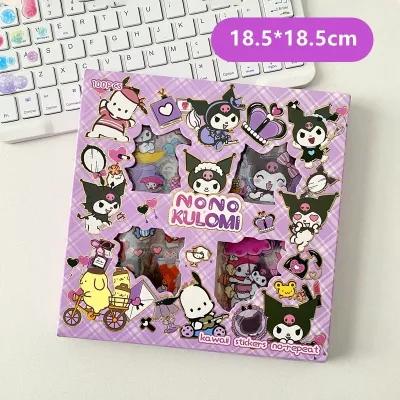
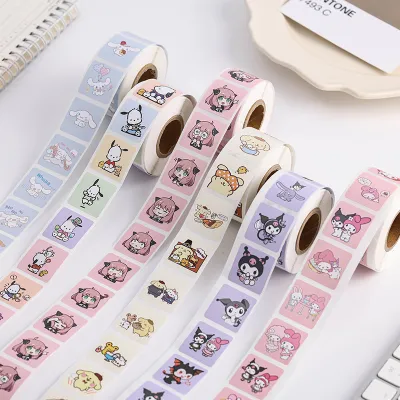
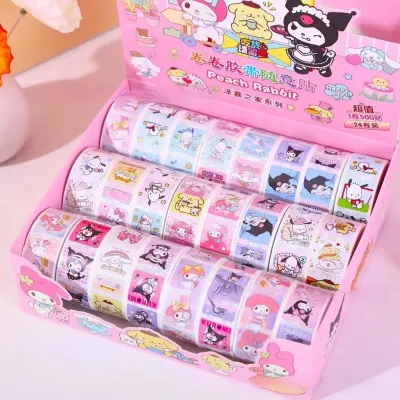
Prices are valid at publication and may change. Please refer to the product page for the latest price.
Safety thresholds also dictate which stickers are appropriate for specific age groups. Young children naturally explore their environment by putting objects in their mouths, making small stickers or those that tear easily into tiny pieces a significant choking hazard. Standard safety guidelines identify any object smaller than a certain diameter as a potential risk for children under three years old. Consequently, the physical size of the sticker and the durability of its material are critical safety factors that must be evaluated before purchase.
Cognitive engagement styles change dramatically as children grow. Toddlers are primarily interested in the sensory cause-and-effect of sticking an object down and peeling it back up. As children reach preschool age, they begin to use stickers symbolically, placing them to represent characters in a story or to complete educational tasks. By school age, stickers become tools for self-expression, social connection, and organization, requiring materials that can withstand daily use on personal belongings.
Best Sticker Types for Toddlers (Ages 1–3)
For toddlers, the best stickers are those that offer high tactile feedback and are exceptionally easy to manipulate. Puffy and foam stickers are outstanding choices for this age group because their three-dimensional, raised profiles provide a physical edge that small fingers can easily pinch and lift. The soft, squishy texture of foam stickers also offers valuable sensory input, helping toddlers develop spatial awareness and hand strength as they press the shapes onto paper.

Another excellent option for toddlers is the reusable static cling. These stickers do not use chemical adhesives; instead, they rely on static electricity to adhere to smooth surfaces like glass windows, mirrors, or laminated boards. In warm, humid tropical climates, static clings are particularly advantageous because they do not melt, leave gooey residue, or degrade when exposed to ambient moisture. They allow toddlers to enjoy endless, repeatable play without the risk of damaging household surfaces.
When choosing traditional adhesive stickers for toddlers, look for large-format designs with pre-cut borders or easy-peel backing. Some manufacturers produce sticker sheets where the background waste paper (the matrix around the stickers) has been pre-removed, leaving only the prominent shapes raised on the backing sheet. This design element makes it incredibly simple for a toddler to slide a finger under the edge of the sticker and peel it off independently, building confidence and coordination.
Parents of toddlers should actively avoid tightly packed sticker sheets, miniature designs, and thin paper stickers. These formats require a level of fine motor control that toddlers have not yet developed, leading to torn paper and frustration. Additionally, thin paper stickers can easily be chewed and swallowed, presenting a safety hazard that is easily avoided by sticking to large, durable, and non-toxic foam or vinyl-based formats.
Best Sticker Types for Preschoolers (Ages 3–5)
As children enter the preschool years, their dexterity improves, allowing them to handle more detailed sticker formats. Themed scene stickers and interactive playsets are highly beneficial for this age group. These sets typically feature a laminated background board depicting a specific environment—such as a farm, a coral reef, or a construction site—along with a variety of matching character stickers. Preschoolers use these sets to build narratives, which supports language development, vocabulary acquisition, and imaginative storytelling.
Educational stickers also become highly relevant during this stage. Simple reward charts featuring colorful stars, smiley faces, or encouraging words help reinforce positive behaviors, household routines, and early learning milestones. Stickers featuring letters, numbers, and basic geometric shapes allow preschoolers to practice sorting, spelling, and counting in a hands-on, tactile way that keeps them engaged longer than traditional worksheets.
Sensory engagement can be enhanced further through specialty stickers, such as scratch-and-sniff or color-changing designs. Scratch-and-sniff stickers use microencapsulation technology to release pleasant scents when rubbed, adding an olfactory dimension to craft projects. Color-changing stickers, which react to body heat or sunlight, introduce basic scientific concepts of temperature and light in a playful, observable format that captivates young minds.
Preschoolers are also ready to transition to standard paper stickers, provided the cut lines are clean and distinct. Their improved pincer grasp allows them to peel flat stickers from a sheet, but they still benefit from designs that have a clear separation from the backing. Introducing paper stickers at this stage helps refine their finger isolation and prepares them for more complex school activities, such as holding pencils and using safety scissors.
Best Sticker Types for School-Age Kids (Ages 6+)
School-age children use stickers as a primary medium for personal expression, social sharing, and organization. At this stage, durability and aesthetic appeal are paramount. Waterproof vinyl stickers are incredibly popular among older kids, who use them to decorate insulated water bottles, lunchboxes, laptops, and bicycle helmets. These stickers are designed to withstand daily handling, washing, and exposure to outdoor elements without peeling, fading, or losing their adhesive grip.
For creative hobbies like scrapbooking, journaling, and diary decoration, school-age kids prefer intricate die-cut, holographic, and glitter stickers. These designs feature complex shapes, metallic finishes, and light-reflecting properties that allow children to create visually stunning layouts. The process of selecting, arranging, and pasting these stickers helps develop design thinking, color theory appreciation, and spatial planning skills.
Functional planner stickers and washi tape are also highly useful for older children as they begin to manage their own school schedules and homework assignments. Washi tape, made from natural fibers, features a low-tack adhesive that makes it highly repositionable. Kids can use it to create custom borders, color-code study notes, or hang school projects on walls without damaging the paint. Planner stickers help them track exams, sports practices, and social events, fostering early organizational habits.
Collectible sticker books with detailed, high-quality artwork offer a structured hobby for school-age children. These books often feature specific themes, such as wildlife, space exploration, or historical eras, and require kids to match numbered stickers to corresponding spaces on the pages. This activity encourages patience, attention to detail, and categorization skills, while also providing a sense of accomplishment as the collection grows.
Safety and Material Checks Before You Buy
Before purchasing stickers for your child, it is essential to conduct a thorough safety and material check. Always examine the product packaging for clear age grading and safety certifications. Look for indications that the materials are non-toxic, such as the ASTM D-4236 standard for art materials, which ensures the product has been evaluated by a toxicologist. Avoid purchasing unbranded stickers that lack clear manufacturer information or safety labels, as they may contain harmful chemicals or heavy metals in the inks and adhesives.
Verify the adhesive type by reading the manufacturer’s specifications to ensure it matches your intended use. Adhesives generally fall into two categories: removable (low-tack) and permanent (high-tack). Removable adhesives are ideal for younger children who may accidentally place stickers on walls, furniture, or windows, as they can be peeled off easily without leaving residue. Permanent adhesives are designed for long-term bonding and are best reserved for older children decorating personal gear like water bottles or notebooks.
Evaluate potential choking hazards by inspecting the physical size of the stickers and the design of the sheet. If a sticker sheet contains tiny accent pieces—such as small stars, dots, or thin borders—ensure these are kept out of reach of children under three years old. Even if the main stickers are large, these small decorative elements can easily be peeled off and swallowed by curious toddlers.
In humid tropical environments, adhesives can behave differently, sometimes bonding more aggressively to surfaces over time or turning into a sticky residue. Before allowing your child to apply stickers to painted walls, finished wood, or plastic storage bins, test a single sticker on a small, hidden area of the surface. Leave it in place for a few days, then peel it off to observe how the adhesive reacts with the finish, ensuring it does not cause permanent damage or leave a stubborn residue.
How to Build a Shortlist for Your Next Purchase
To build a practical shortlist for your next sticker purchase, start by matching your child’s current fine motor skills to the sticker’s physical design. If your child is still developing finger strength, prioritize puffy foam stickers or static clings with easy-release backing. For older children with refined coordination, you can expand your search to include detailed vinyl die-cuts, washi tapes, and intricate paper sticker sheets.
Next, consider your budget and compare the value of different packaging formats. Bulk paper sticker packs are highly cost-effective, often ranging from ₱50 to ₱150 for hundreds of stickers, making them perfect for daily crafting, party favors, or classroom activities. On the other hand, premium waterproof vinyl sheets or specialized die-cut packs may cost between ₱100 and ₱300 for a smaller quantity, but they offer the durability required for personalizing high-use items like water bottles and school gear.
Finally, align the sticker material with the intended application surface and verify the reliability of your source. If the stickers are meant for outdoor gear or items that require frequent washing, ensure you select high-grade vinyl specified as waterproof. When ordering craft supplies from online marketplaces, take a moment to review seller ratings and customer feedback, paying close attention to comments regarding adhesive quality, print clarity, and how securely the sheets are packaged for shipping to prevent creasing.
Frequently Asked Questions (FAQ)
Are vinyl stickers safe for young children's skin?
Standard vinyl stickers are not designed for direct or prolonged contact with human skin. The adhesives used on commercial vinyl stickers are formulated for high durability on hard, non-porous surfaces and can contain chemical compounds that may cause redness, irritation, or allergic contact dermatitis on sensitive young skin. If your child enjoys wearing stickers as temporary body art, always look for products specifically labeled as skin-safe, hypoallergenic, or dermatologically tested temporary tattoos, and avoid applying standard craft vinyl to the skin.
How do I remove stubborn sticker residue from wooden furniture?
To remove stubborn adhesive residue from wooden furniture without damaging the finish, start with the gentlest method possible. Dampen a soft microfiber cloth with warm, slightly soapy water and gently rub the area in a circular motion to soften the glue. Avoid using harsh chemical solvents, acetone, or heavy oils, as these substances can strip away varnishes, stains, or protective wood coatings. Always check your furniture manufacturer’s care instructions first; if the finish is highly delicate or begins to react to mild cleaning, stop immediately and consult a professional furniture restorer.
Community discussion
Share your experience or ask a question. Comments are reviewed before publication.