
Restoring or changing the color of suede shoes requires specialized formulations because suede has a unique open-fiber texture that easily stiffens or mats if coated with standard paints. In the tropical climate of the Philippines, high humidity and sudden downpours present unique challenges for paint adhesion, drying times, and long-term flexibility. To achieve a professional-looking, durable finish that resists cracking and color bleeding, buyers must evaluate paint formulations, verify compatibility with their specific footwear material, and follow precise preparation and application steps.
Choosing the wrong product can permanently ruin the soft, velvety nap of your shoes, turning a premium pair of sneakers or boots into stiff, uncomfortable footwear. By understanding how different colorants interact with leather fibers and learning how to navigate online marketplaces, you can confidently select a product that delivers lasting results. This guide outlines the essential technical criteria, marketplace evaluation strategies, and practical application techniques needed to successfully paint suede shoes.
Understanding Suede Paint Formulations and Compatibility
Suede colorants generally fall into two primary categories: water-based acrylic suede paints and alcohol-based suede dyes. Water-based acrylics designed specifically for suede contain highly flexible binders that coat the individual fibers without gluing them together. In contrast, alcohol-based liquid dyes penetrate deep into the leather pores, chemically bonding with the fibers to alter the color from within rather than sitting on the surface.
Products mentioned in this guide

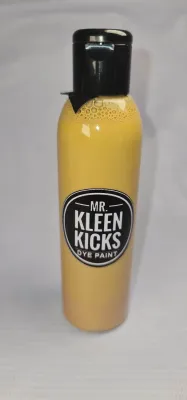
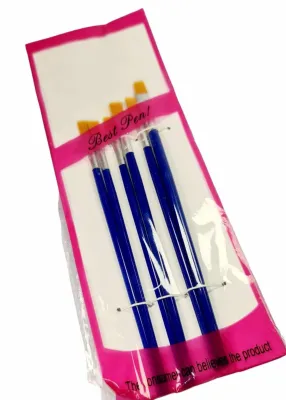
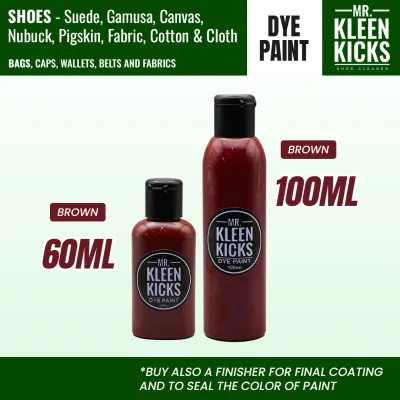
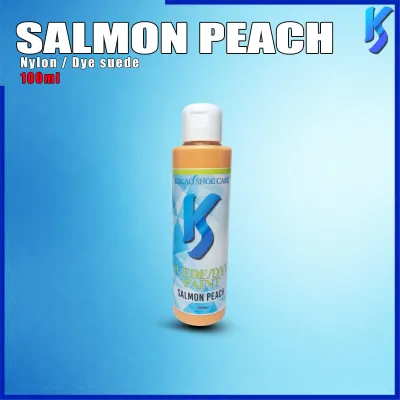
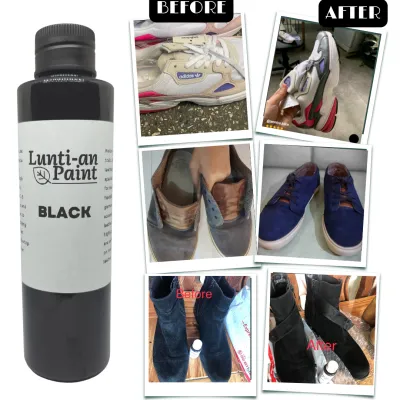
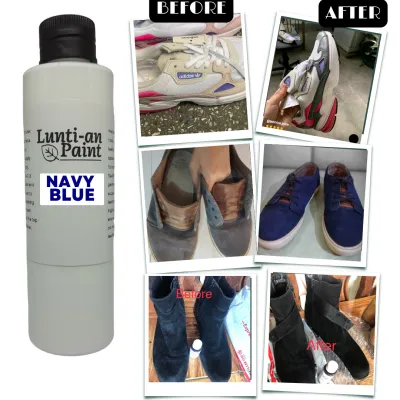
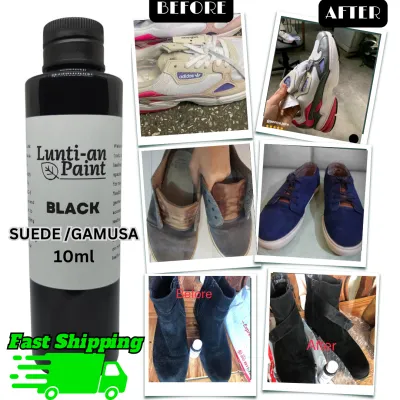
Prices are valid at publication and may change. Please refer to the product page for the latest price.
How a product interacts with the suede determines whether the shoe retains its natural texture, nap, and breathability. Penetrating dyes are highly effective for darkening shoes or restoring faded colors because they leave the physical structure of the nap completely unaltered. Acrylic-based suede paints, while offering excellent opacity for lighter-to-darker color transitions, create a micro-thin surface coating. If the paint is too viscous or applied too thickly, it will clog the pores, flattening the nap into a hard, plastic-like shell that destroys the material’s natural breathability.
Before purchasing any product, it is critical to check the manufacturer’s material compatibility labels rather than relying on generic online descriptions. Suede can be made from genuine animal hides or synthetic alternatives like microsuede, faux suede, and Alcantara. Synthetic fibers do not absorb liquid dyes the same way natural protein fibers do, which can lead to severe color bleeding, uneven patches, or complete adhesion failure. Always verify whether the paint formulation is rated for natural suede, synthetic textiles, or both to ensure a successful bond.
Key Selection Criteria for Footwear Applications
Footwear undergoes constant flexing at the vamp and heel during walking, meaning any applied paint film must possess exceptional flexibility and crack resistance. Standard craft paints dry to a rigid structure that will quickly fracture under this mechanical stress. When evaluating suede paints, look for formulations that specify high elasticity or are specifically engineered for athletic and casual footwear, ensuring the cured layer can bend repeatedly without peeling or flaking.

Color adhesion and water resistance are equally vital, especially in wet or humid environments. Once fully cured, the paint must establish a stable bond that resists bleeding when exposed to moisture. Look for technical specifications indicating high wet-rub fastness, which measures how well the color remains bound to the suede fibers under friction and damp conditions. This prevents the pigment from transferring onto your socks, trousers, or adjacent panels of the shoe during a sudden rain shower.
Suede is defined by its soft, non-reflective matte finish, so selecting the correct gloss level is essential to preserving its aesthetic. Most specialized suede paints dry to a natural matte or satin look that mimics the original appearance of the leather. Avoid gloss or semi-gloss finishes unless you are intentionally aiming for a modified, semi-patent leather appearance, as shiny coatings will completely alter the traditional texture and character of suede.
Finally, consider how the paint cures under tropical conditions. High ambient humidity can significantly prolong drying times, keeping the paint film vulnerable to dust contamination and smudging for longer periods. Selecting formulas that cure reliably in humid climates, or planning to dry your shoes in a temperature-controlled indoor space with a dehumidifier, will help ensure the binders set correctly and achieve their maximum rated durability.
Evaluating Suede Paints on Online Marketplaces
When browsing local e-commerce platforms in the Philippines, look past generic five-star ratings and focus on buyer reviews that include detailed before-and-after photos of actual footwear projects. Pay close attention to feedback written after several weeks of wear, as these long-term reviews provide the most reliable indicators of real-world durability, flexibility, and colorfastness under daily foot traffic.
Listing descriptions on online marketplaces can sometimes be confusing or incomplete, making it necessary to verify the exact product specifications. Check the volume of the container, which is typically listed in milliliters (ml) or fluid ounces (oz). A standard pair of low-top shoes generally requires at least 50 ml to 100 ml of paint for complete coverage, depending on the number of coats needed. Compare the unit price across different sellers—such as calculating the cost per 10 ml (e.g., ₱50 vs ₱80 per 10 ml)—to ensure you are purchasing genuine, undiluted product rather than overpriced or watered-down decants.
Suede paints can dry out, separate, or spoil if stored incorrectly or kept past their shelf life. Look for listings that display original, sealed packaging with clear batch numbers or manufacturing dates. If the seller does not provide this information in the listing, send a direct inquiry to confirm that the stock is fresh, as older acrylic-based paints may suffer from compromised binder performance and reduced adhesion.
Essential Preparation and Application Steps
Proper surface preparation is the most critical factor in determining whether your paint job succeeds or fails. Before applying any colorant, the suede must be entirely free of dust, mud, oils, and factory protective coatings. Use a specialized stiff-bristled suede brush to lift the nap and sweep away loose dirt. For deeper cleaning, apply a dedicated suede cleaner or a mild solvent, then allow the shoe to dry completely in a well-ventilated area away from direct sunlight.
To ensure clean lines and prevent accidental staining, use high-quality crepe paper masking tape to cover the outsoles, midsoles, stitching, eyelets, and any non-suede panels. Press the edges of the tape down firmly with a plastic tool or your fingernail to prevent the liquid paint from seeping underneath. Taking the time to mask carefully prevents tedious cleanup work later and ensures a sharp, professional finish.
When applying the paint, always work in multiple thin, even coats rather than one thick layer. Thick coats will clog the nap, leading to a stiff, plastic texture and eventual cracking. Use a soft-bristled brush or an airbrush for application, allowing the paint to dry according to the manufacturer’s recommended drying times between layers. Applying thin coats ensures the pigment bonds evenly with the fibers while maintaining the shoe’s flexibility.
While the paint is drying, gently brush the suede with a clean nylon or brass-bristled suede brush between each coat. This mechanical agitation prevents the fibers from sticking together as the binders cure, ensuring the shoe retains its characteristic soft, velvety texture once the process is complete. Never skip this step, as letting the paint dry completely undisturbed will almost certainly result in a matted, rough surface.
Caring for Painted Suede Footwear
Even high-quality painted suede requires gentle handling to prolong the lifespan of the finish. Painted surfaces are more susceptible to scuffing from heavy friction and should not be subjected to harsh scrubbing or prolonged soaking in water. Avoid wearing your customized shoes during heavy downpours, in muddy environments, or during active sports where high-impact scuffing is likely to occur.
For routine maintenance, use a soft-bristled brush to gently sweep away surface dust and keep the nap looking clean. If the shoes get dirty, wipe them carefully with a slightly damp, clean microfiber cloth without applying excessive pressure. Avoid harsh chemical detergents, bleach, or abrasive cleaning pads, as these can strip the paint layer or damage the underlying suede fibers.
Over time, high-wear areas such as the toe crease and heel counter may show signs of fading or minor cracking. Inspect your shoes regularly for these observable signals. Performing minor touch-ups early with a small detail brush and matching paint will prevent the wear from spreading, keeping your customized footwear looking fresh and well-maintained for years to come.
Frequently Asked Questions (FAQ)
Can I use regular acrylic paint on suede shoes?
Regular acrylic paints designed for canvas, paper, or wood are generally not suitable for suede shoes. These standard formulas lack the highly flexible binders required to withstand the constant bending of footwear, which often leads to stiffening, cracking, and peeling. Additionally, their thick consistency will clog the delicate nap of the suede, permanently ruining its soft texture. If you must use an alternative paint, prioritize specialized fabric or leather acrylics, and always perform a small, hidden patch test on the tongue or heel to verify the flexibility and texture before painting the entire shoe.
Do I need a finisher or sealant after painting suede?
Applying a protective finisher or sealant is highly recommended to enhance the water resistance and scuff resistance of your painted suede shoes. However, you must select a sealant specifically formulated for suede or a highly flexible matte finisher. Standard leather sealants often dry to a glossy, hard film that will ruin the natural, velvety texture of the suede. A proper suede-compatible protector will help lock in the color and shield the shoes from light moisture and dirt without compromising the soft feel of the nap.
Community discussion
Share your experience or ask a question. Comments are reviewed before publication.