
Selecting the ideal Telado art tool set for your child in the Philippines requires balancing creative appeal with the practical demands of the local school curriculum. Known for their whimsical characters, vibrant colors, and engaging packaging, these stationery kits have become highly popular among Filipino students. However, finding the right set goes beyond choosing the cutest design. To ensure your investment supports your child’s education, you must match the set’s contents to their specific grade level, fine motor skill development, and the unique environmental conditions of a tropical classroom.
Art classes in Philippine schools often demand a wide variety of mediums, from simple coloring tools to complex paints. Because classroom desks can be crowded and art periods are relatively short, the usability, portability, and safety of these kits are just as important as the variety of colors they contain. By understanding what each school stage requires and how to evaluate the durability and safety of these art tools, you can select a kit that inspires creativity while standing up to daily classroom use.
Understanding Art Curriculum Needs by Grade Level
Art education in the Philippines is structured to support a child’s developmental milestones, meaning that the required tools change significantly as they progress through school. In early childhood and lower primary levels—spanning Kindergarten to Grade 3—the curriculum focuses heavily on sensory exploration, basic color recognition, and the development of fine motor skills. At this stage, children are learning how to control their hand movements, regulate writing pressure, and coordinate their fingers. Art projects are highly tactile and experimental, requiring tools that are easy to hold, safe to handle, and simple to clean up. Classroom environments for these younger students are often bustling and active, making quick-drying, non-messy mediums highly preferable.
Products mentioned in this guide
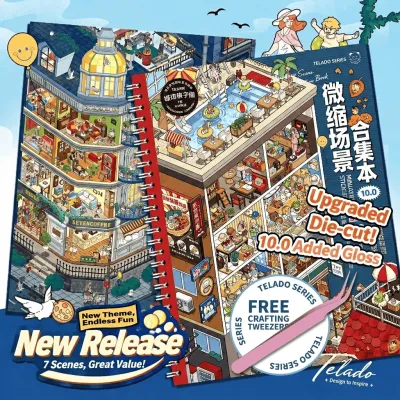


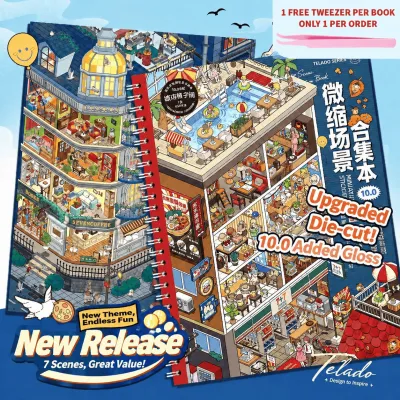
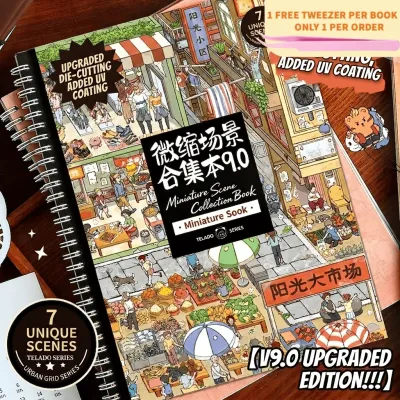
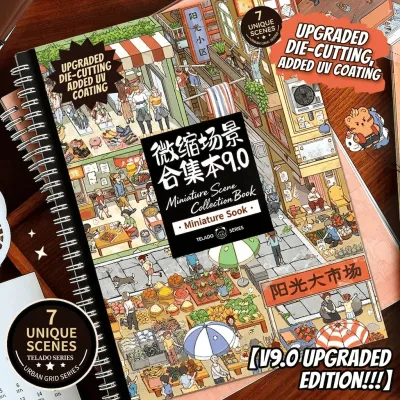
Prices are valid at publication and may change. Please refer to the product page for the latest price.
As students transition to upper primary and middle school, covering Grades 4 to 6, the curriculum shifts toward more structured art concepts. Under the Music, Arts, Physical Education, and Health (MAPEH) curriculum, students begin exploring local cultural designs, basic color theory, shading techniques, and introductory printmaking. This stage requires a broader palette of colors and more precise tools. Students are introduced to mixed media, where they might combine colored pencils, markers, and watercolors in a single project. The focus shifts from simple coloring to creating depth, texture, and clean outlines, which demands tools with finer tips and more consistent pigment flow.
By the time students enter Junior High School and higher grade levels, their artistic tasks become far more technical and specialized. Whether they are participating in standard MAPEH classes, specialized elective arts programs, or school-wide poster-making contests like those held during Buwan ng Wika, older students require professional-grade characteristics. They need tools that allow for advanced sketching, smooth color blending, and precise linework. At this level, the quality of the pigments and the versatility of the mediums are critical, as projects are often graded on technical execution, shading, and composition.
Because curriculum requirements can vary widely between public schools, private institutions, and individual teachers, parents should never rely solely on age recommendations printed on product packaging. Before making any purchase, always review the official school supply list and syllabus provided by the teacher. This ensures that you do not buy a comprehensive art set that lacks a mandatory medium, or conversely, spend money on an advanced kit containing specialized tools your child is not yet permitted to use in class.
What to Look for When Choosing a Telado Art Set
Safety must always be the primary consideration when selecting any art set for school use, especially since children will have prolonged skin contact with these materials. When browsing Telado sets, look closely at the packaging for recognized safety certifications and non-toxic labels, such as the AP Non-Toxic seal or compliance with international standards like EN71. These labels verify that the inks, pigments, binders, and plastics used in the set are free from harmful chemicals, heavy metals, and toxic solvents. This is particularly important for younger children who may occasionally bite their pen caps, get ink on their hands, or wipe their faces while working on an art project.

Ergonomics and physical design are equally vital to ensure comfortable use and prevent hand fatigue during long art sessions. For younger children with smaller hands, look for tools with chunky, triangular, or hexagonal barrels. These shapes naturally encourage a proper tripod grip, helping children develop correct writing habits while preventing the pens and crayons from rolling off slanted school desks. For older students who have fully developed their fine motor skills, slimmer, standard-sized barrels are more appropriate, as they allow for the delicate finger movements required for detailed sketching and precise outlining.
Another practical factor to consider is the availability of consumables and replacement parts. Art projects occur regularly throughout the school year, and certain popular colors—such as black, blue, or favorite pastel shades—will inevitably run out long before the rest of the set is exhausted. Before committing to a large, multi-piece art set, verify if individual replacement markers, pens, or paint pans can be purchased separately from local stationery retailers or online marketplaces. Choosing a set that uses standard sizes or offers open-stock replacements prevents the need to purchase an entirely new kit just to replace a few dried-out or empty colors.
Finally, you must evaluate how the art tools perform on standard school paper under local climate conditions. In the Philippines, students commonly use Oslo paper, intermediate pads, and standard drawing books, which can vary greatly in thickness and absorbency. High humidity levels, typical of the local tropical climate, can significantly affect how paper fibers behave, making them more prone to absorbing moisture and causing ink to feather or bleed through the page. When selecting a set, look for markers with water-resistant or quick-drying inks that minimize bleeding on standard paper. If your child will be using watercolors or liquid paints, ensure the set’s pigments are formulated to dry evenly without warping thin school paper, or consider supplementing the kit with a dedicated, heavier-weight sketchbook.
Matching Telado Set Types to Your Child's Grade
For students in the lower grades, from Kindergarten to Grade 3, the ideal Telado set should prioritize washability, safety, and physical durability. Look for kits that feature washable markers, wax crayons, and blunt-tipped safety scissors. The markers in these sets should have broad, sturdy bullet tips or conical tips that do not sink into the barrel when subjected to heavy-handed pressure. Washability is a crucial feature at this stage, as younger children frequently get ink on their hands, desks, and school uniforms. Sturdy plastic carrying cases with large, simple latches are highly recommended, as they allow young children to open, organize, and pack away their supplies independently without losing individual pieces.
For middle-grade students in Grades 4 to 6, intermediate kits that offer a wider variety of mediums are the most suitable choice. These sets typically include a broader color range of colored pencils, dual-tip markers, and introductory watercolor cakes. Dual-tip markers—featuring a fine bullet tip on one end for detailed drawing and a broad chisel tip on the other for coloring large areas—are highly versatile for classroom projects. The tools in these kits feature standard-sized handles, helping students transition to adult-style writing instruments. Look for sets that encourage the exploration of color mixing and simple shading, providing the necessary variety for MAPEH art assignments without overwhelming the student with overly complex professional tools.
For higher grades, including Junior High School and above, the focus shifts to advanced sketching, specialized media, and high pigment quality. Students at this level benefit from sets that include fine liners, brush pens, and acrylic paint markers. These tools allow for advanced techniques such as hand lettering, detailed illustration, and mixed-media layering. The pigments should be rich, lightfast, and capable of smooth blending on heavier paper surfaces. At this stage, the organization of the set is also important; look for compact, professional-looking cases or roll-up pouches that fit easily into crowded high school backpacks and allow for quick access during fast-paced class schedules.
To help visualize these recommendations, the following table outlines the key features to prioritize based on your child’s educational stage:
| Grade Level | Recommended Mediums | Key Tool Features | Case & Portability Needs |
|---|---|---|---|
| Lower Grades<br>(Kindergarten to Grade 3) | Washable markers, thick wax crayons, blunt safety scissors | Chunky triangular barrels, crush-resistant tips, non-toxic formulas | Durable plastic case, large simple latches, molded slots |
| Middle Grades<br>(Grades 4 to 6) | Dual-tip markers, colored pencils, watercolor cakes, drawing pencils | Standard-sized handles, dual-tip options, basic blending capabilities | Medium-sized folding case, secure closures, clear organization |
| Higher Grades<br>(Junior High & Above) | Fine liners, brush pens, acrylic markers, sketching pencils | High pigment quality, flexible brush tips, smooth blending | Compact zippered pouches, roll-up cases, lightweight designs |
Always remember to cross-reference the specific contents of any pre-packaged set with the teacher’s syllabus. A set labeled for intermediate students might still lack a specific type of paint or brush required for a particular term’s project, while an advanced set might contain sharp tools or permanent inks that are restricted in younger classrooms.
Final Checklist Before Buying and Packing for School
Before purchasing a Telado art set and sending it to school with your child, it is highly beneficial to perform a final verification to ensure the kit is fully prepared for the academic year. Start by opening the set and counting the items against your school’s official supply list. Check that all required colors, particularly the primary colors (red, blue, and yellow) and essential neutrals (black and white), are present and clearly functional. Testing each marker and pen on a scrap piece of paper before the first day of school ensures that no dried-out or defective tools are sent to class, saving your child from frustration during their first art lesson.
Next, carefully evaluate the durability and design of the packaging. School backpacks in the Philippines are often packed tightly with heavy textbooks, notebooks, water bottles, and umbrellas, subjecting art cases to significant pressure and impact. A flimsy plastic case can easily crack or pop open inside a bag, leading to damaged tips, lost pens, and ink stains on schoolbooks. Look for cases made of impact-resistant plastic or heavy-duty canvas with secure, reinforced latches or zippers. The interior should feature tight, molded slots or elastic bands that keep each tool firmly in place, preventing them from rattling around and breaking during a bumpy commute on a jeepney, tricycle, or school bus.
Finally, take the time to establish basic storage and maintenance habits with your child to prolong the lifespan of their art supplies. In the hot, humid climate of the Philippines, markers left uncapped even for a short duration can dry out rapidly, rendering them useless. Teach your child to listen for the distinct “click” when capping their markers to ensure an airtight seal. For watercolor or paint sets, instruct your child to let the paints air-dry briefly or blot excess water with a tissue before closing the case. Trapping moisture inside a sealed plastic box in a warm classroom creates an ideal environment for mold and mildew to grow, which can ruin the paints, degrade the brushes, and create unpleasant odors.
Frequently Asked Questions (FAQ)
What should I do if the school supply list asks for a specific Telado item not in the set?
If your child’s school art list requires a specific tool, brush size, or color that is not included in your chosen Telado set, you do not need to purchase an entirely new kit. Many stationery retailers and online marketplaces sell individual open-stock markers, pens, and brushes. You can easily purchase the missing item separately to supplement the main set. If a specific Telado-branded item is unavailable or out of stock locally, consult the art teacher for acceptable alternatives. Most teachers are highly accommodating and will readily approve any standard, non-toxic brand of a similar color, tip style, or medium, ensuring your child has the necessary tools without causing unnecessary expense.
Are washable Telado markers and paints completely stain-free on school uniforms?
While washable formulas are specifically designed to dissolve easily in water, their effectiveness depends heavily on the fabric composition and how quickly the stain is treated. On skin and smooth classroom surfaces, these inks can usually be wiped away with a damp cloth. However, school uniforms in the Philippines are commonly made of cotton-polyester blends, which can trap pigments if the ink is allowed to dry and set into the fibers. For the best results, treat any stains immediately. Blot the area with a damp cloth to remove excess ink, then pre-treat the stain with mild dish soap or a traditional laundry bar before washing. Avoid using hot water or placing the garment in a dryer before the stain is completely removed, as heat can permanently set the pigment into the fabric.
Community discussion
Share your experience or ask a question. Comments are reviewed before publication.