
Selecting the ideal thank you sticker depends entirely on where you plan to stick it, the environmental conditions it will face, and the visual message you want to send. For small business packaging, durability and application speed are paramount, making vinyl or glossy paper rolls the standard choice. If you are wrapping gifts, aesthetic texture and visual impact take priority, which points toward elegant matte, rustic kraft, or eye-catching holographic sheets. For journal decoration and scrapbooking, paper-friendliness and repositionability are key, making acid-free matte paper or delicate washi-style stickers the most suitable options. By matching the sticker’s material, finish, and format to your specific project, you ensure a secure bond and a polished presentation that lasts.
A thank you sticker is often the final touchpoint a customer or recipient interacts with, making it a powerful tool for branding and personal expression. However, a sticker that peels off prematurely, smudges upon contact, or bubbles up due to humidity can quickly undermine an otherwise beautiful presentation. Understanding the technical differences between materials, adhesives, and formats allows you to make an informed purchase that balances cost, aesthetics, and performance.
Match the Sticker Material to Your Surface and Environment
The base material of your sticker determines how well it holds up against physical handling, moisture, and temperature fluctuations. Choosing the wrong material can lead to peeling corners, faded ink, or complete adhesive failure, especially when items are shipped or stored in challenging environments.
Products mentioned in this guide
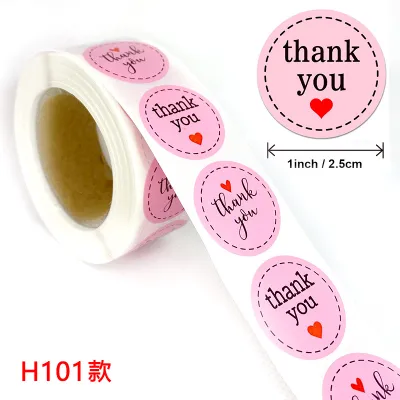
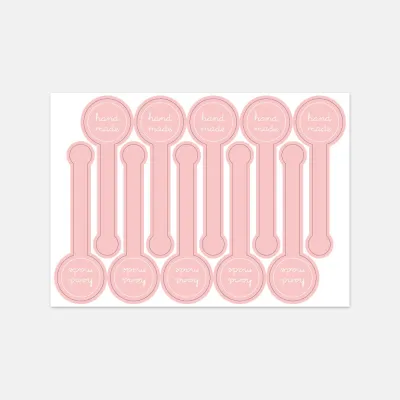
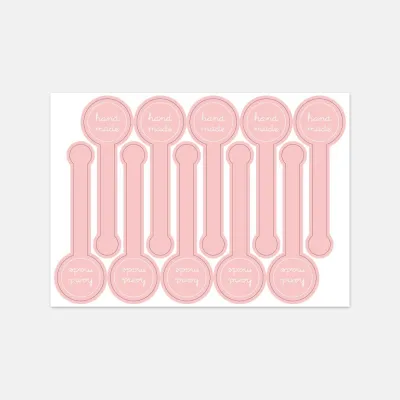
Prices are valid at publication and may change. Please refer to the product page for the latest price.
Paper stickers are the most common and cost-effective option available. They are best suited for dry, indoor surfaces such as cardboard shipping boxes, paper shopping bags, envelope seals, and journal pages. Because they are made from wood fibers, uncoated paper stickers have a natural, tactile feel that many find appealing for artisanal or handmade goods. However, paper is inherently vulnerable to moisture, oils, and high friction. In tropical climates with high relative humidity, standard paper stickers can absorb moisture from the air, causing them to soften, warp, or lose their adhesive grip over time. If your packaging is likely to encounter rain during transit or condensation from refrigerated contents, paper stickers are generally not recommended.
Vinyl stickers offer superior durability and resistance to environmental factors. Made from synthetic plastic polymers, vinyl is completely waterproof, tear-resistant, and highly flexible. This makes vinyl thank you stickers the ideal choice for shipping mailers, glass jars, plastic bottles, and reusable retail items that will be handled frequently. Vinyl can withstand exposure to water, oils, and mild cleaning agents without tearing or losing its print quality. If you run a small business that ships products over long distances, or if your items are stored in damp environments, investing in vinyl stickers ensures your branding remains intact and legible from the moment it leaves your hands until it reaches the customer.
Clear or transparent stickers provide a unique, minimalist aesthetic by allowing the color and texture of the underlying surface to show through. This creates a seamless, “printed directly on” look that works beautifully on glass jars, clear plastic pouches, and dark-colored packaging. However, clear stickers require careful planning regarding contrast and readability. Because the background is transparent, light-colored text or delicate designs can easily disappear when applied to a light-colored or clear container. To avoid this, you must verify that your design uses high-contrast colors or incorporates a white ink backing layer beneath the colored elements to ensure the text remains sharp and readable against any background.
Choose the Finish and Style for Your Specific Use Case
Once you have selected the appropriate base material, the visual finish of your thank you sticker will define its overall style and aesthetic impact. The right finish should complement your brand identity or the theme of your project while maintaining practical usability.

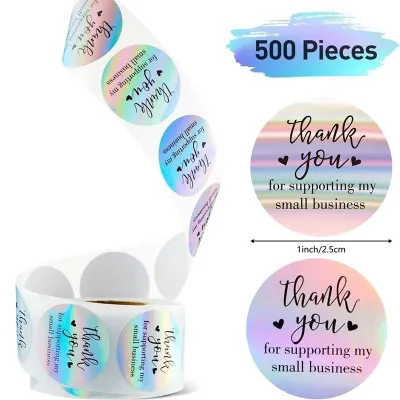
Holographic and metallic foil finishes are designed to capture attention by reflecting light in a spectrum of colors or a brilliant metallic sheen. These finishes are highly effective for premium small business unboxing experiences, holiday gift wrapping, and special event favors. They add an instant sense of luxury and celebration to any package. When selecting holographic or foil stickers, it is important to inspect the design under different lighting conditions. Highly reflective surfaces can sometimes make fine text difficult to read at certain angles, so opting for bold, clean typography is usually the safest approach to ensure your thank you message is clearly communicated.
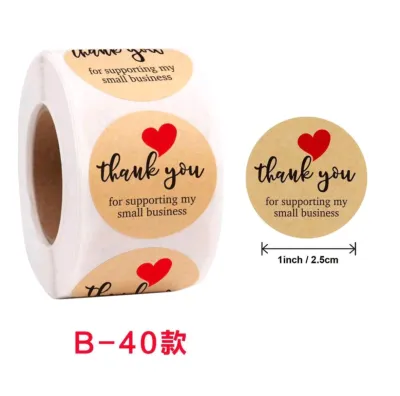
Matte and kraft finishes offer a subdued, elegant, and organic appearance. Matte finishes eliminate glare, providing a smooth, non-reflective surface that looks highly professional and modern. Kraft paper stickers, made from unbleached wood pulp, feature a distinctive light brown color and a slightly textured feel that perfectly suits eco-friendly, rustic, or vintage aesthetics. These finishes are incredibly popular for scrapbooking, journaling, and organic product packaging. If you plan to write a personalized note or sign your name directly on the sticker, matte and kraft surfaces are ideal, though you should always verify that the specific paper grade is resistant to ink smudging before writing.
Glossy finishes are characterized by a high-shine, polished coating that enhances color saturation and contrast. This makes colors appear more vibrant and details look exceptionally sharp, which is why glossy stickers are a staple for retail packaging and promotional materials. The protective gloss layer also adds a minor degree of water resistance to paper stickers. However, glossy surfaces are highly prone to showing fingerprints, smudges, and fine scratches, particularly on dark or black designs. If your packaging requires heavy handling during assembly or shipping, a glossy sticker may require extra care to keep it looking pristine.
Select the Right Format and Size for Your Workflow
The format in which your stickers are supplied directly impacts your application speed, storage convenience, and overall workflow efficiency. Matching the format to your production volume saves time and reduces frustration.
Sticker sheets are flat pages containing multiple pre-cut stickers. This format is highly cost-effective and convenient for low-volume applications, such as personal gift wrapping, occasional shipping, and journal decoration. Sheets are incredibly easy to store flat in folders, drawers, or craft bins without curling. They also allow you to have a variety of different designs on a single sheet, which is perfect for creative projects. The main drawback of sticker sheets is the manual effort required to peel each sticker, which can slow down your workflow if you need to label dozens of packages at once.
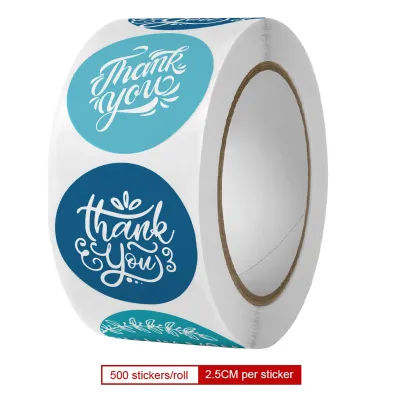
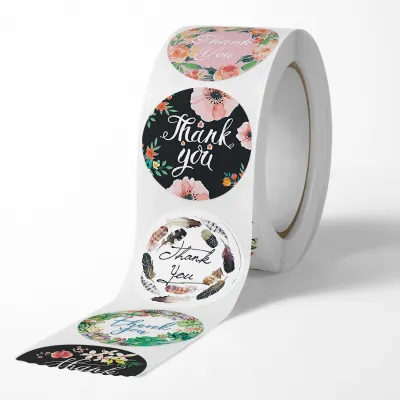
Sticker rolls consist of a continuous strip of backing paper wound around a central cardboard core, with stickers spaced evenly along the length. This format is essential for high-volume small business packaging where speed and efficiency are critical. Rolls are designed to be used with manual label dispensers or automatic labeling machines, allowing you to peel and apply stickers in a single, rapid motion. When purchasing sticker rolls, it is vital to check the inner core size and the maximum outer roll diameter to ensure compatibility with your specific dispensing equipment or desktop holder.
Die-cut individual stickers are cut precisely to the shape of the design through both the sticker material and the backing paper. This results in individual, loose stickers that are highly convenient to handle and distribute. While they carry a higher per-unit cost and generate more individual backing paper waste, they are exceptionally versatile. Die-cut stickers are perfect for slipping into shipping boxes as a surprise freebie for customers, handing out at events, or sharing with friends, as they do not require peeling from a larger sheet or roll before distribution.
Quick Selection Guide by Application
To help you make the right choice quickly, let us look at how material, finish, and format align with the three primary use cases: small business packaging, gift wrapping, and journal decoration.
For small business packaging, your primary goals are durability, brand consistency, and packaging speed. Your stickers must survive the shipping process without peeling or fading. A vinyl or high-quality glossy paper sticker supplied on a roll is the most efficient choice, allowing you to seal boxes and mailers quickly while maintaining a professional look.
Gift wrapping focuses heavily on presentation, texture, and creating a memorable unboxing experience. Here, aesthetics take precedence over extreme durability. Matte paper, rustic kraft, or shimmering holographic sheets allow you to match the sticker to your wrapping paper, adding a personalized and thoughtful touch to gifts for birthdays, holidays, or special occasions.
Journal decoration and scrapbooking require materials that are safe for long-term paper preservation and easy to manipulate. You should prioritize acid-free matte paper or washi-style stickers that will not yellow or degrade over time. Repositionable adhesives are also highly beneficial, allowing you to adjust the placement of the sticker on your journal page without tearing the paper.
| Use Case | Recommended Material | Recommended Finish | Format | Key Benefit |
|---|---|---|---|---|
| Small Business Packaging | Vinyl or Water-Resistant Paper | Glossy or Matte | Rolls | High durability and fast application |
| Gift Wrapping | Standard Paper or Foil | Holographic, Foil, or Kraft | Sheets or Die-Cut | Premium aesthetic and tactile appeal |
| Journal Decoration | Acid-Free Paper or Washi | Matte or Uncoated | Sheets | Repositionable and safe for long-term preservation |
What to Verify Before Placing Your Order
Before finalizing your purchase or submitting a custom design to a printing supplier, running through a quick technical checklist will help you avoid common application issues and printing errors.
First, verify the adhesive type. Adhesives are generally categorized as permanent, removable, or repositionable. Permanent adhesives form a strong, lasting bond that is difficult to remove without tearing the surface or leaving a sticky residue, making them ideal for shipping boxes. Removable and repositionable adhesives are designed to peel off cleanly, which is essential for journal pages, delicate gift wrap, or reusable containers.
Second, if you are ordering custom-printed thank you stickers with your own branding, check the supplier’s file requirements carefully. Most professional printers require designs to be submitted in CMYK color mode rather than RGB to ensure accurate color reproduction. You should also verify the required bleed margins—usually a small safety zone around the edge of the design—to ensure that slight shifts during the mechanical cutting process do not leave unsightly white borders on your finished stickers.
Finally, remember that surface preparation is key to optimal adhesion. No matter how strong the sticker’s adhesive is, it will struggle to bond with surfaces that are dusty, oily, or damp. Before applying your stickers, ensure the application surface is completely clean and dry. For glass, plastic, or metal surfaces, wiping them down with a lint-free cloth can remove invisible manufacturing residues or dust, ensuring a secure and permanent bond.
Frequently Asked Questions (FAQ)
Can I write on thank you stickers with a pen?
Whether you can write on a thank you sticker depends entirely on its surface finish. Matte, kraft, and uncoated paper surfaces have a porous texture that easily absorbs ink, making them compatible with standard ballpoint pens, gel pens, and markers. Glossy, vinyl, and holographic surfaces have a non-porous, protective coating that prevents water-based inks from absorbing, which can lead to immediate smudging. If you need to write on a glossy or vinyl sticker, it is highly recommended to use a permanent, oil-based marker and allow the ink to dry completely for several minutes before handling.
Will thank you stickers leave residue when removed?
The likelihood of a sticker leaving residue depends on the adhesive formulation and the surface material. Stickers with permanent adhesives are designed to stay in place indefinitely; if you attempt to peel them off, they will likely tear and leave behind a sticky layer of acrylic residue, especially on paper, cardboard, or painted surfaces. If clean removal is important to you, look specifically for stickers labeled with removable or repositionable adhesives. These are formulated to release their grip cleanly without damaging the underlying surface, making them much safer for journals, planners, and delicate gift packaging.

Community discussion
Share your experience or ask a question. Comments are reviewed before publication.