
To make a sticki rolls bracelet that lasts through daily wear, the best washi tape is one that balances high-tack, skin-safe adhesion with a water-resistant synthetic base material like PET (polyethylene terephthalate) or a reinforced plastic blend. While traditional paper-based washi tape is beloved for its matte texture and easy tearing, it quickly succumbs to the high humidity, sweat, and frequent handwashing typical of a tropical climate like the Philippines.
Crafting wearable jewelry requires a shift in mindset from page-decorating to structural design. The tape must withstand constant flexing, friction against clothing, and exposure to moisture. By focusing on specific material compositions, adhesive properties, and width dimensions, you can transform a temporary paper craft into a durable, wearable accessory that retains its vibrant colors and secure fit for days or even weeks.
Key Washi Tape Features for Durable Bracelets
Traditional washi is made from natural plant fibers, which are inherently porous and absorbent. For a wearable sticki rolls bracelet, you must look for labels indicating synthetic reinforcement or a laminated top layer. This structural backing prevents the fibers from absorbing moisture and breaking down when exposed to daily environmental elements.
Products mentioned in this guide
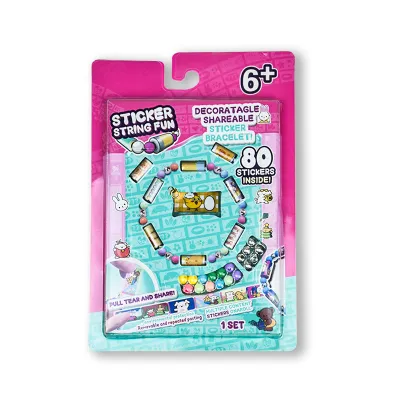
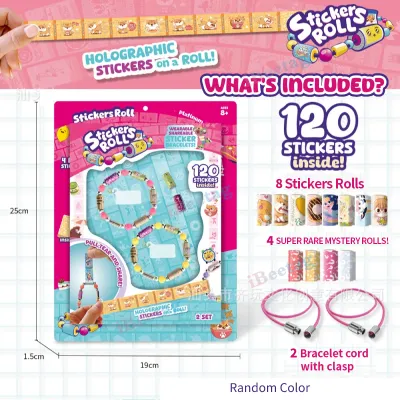
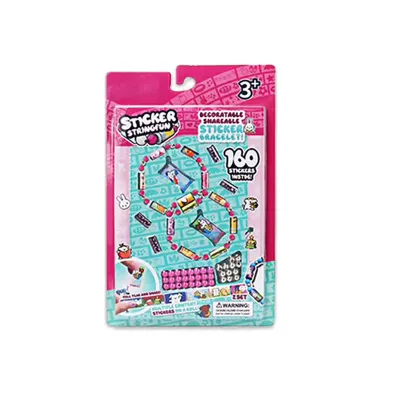
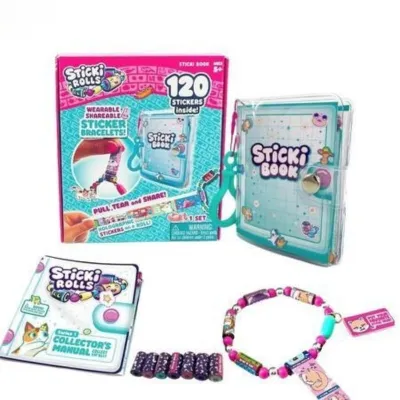
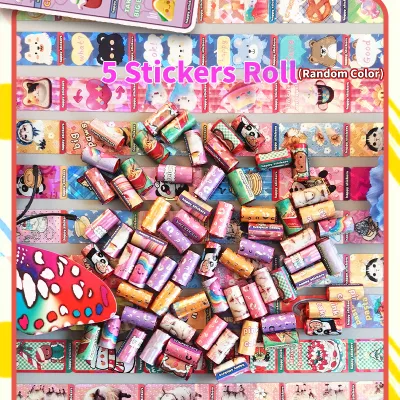
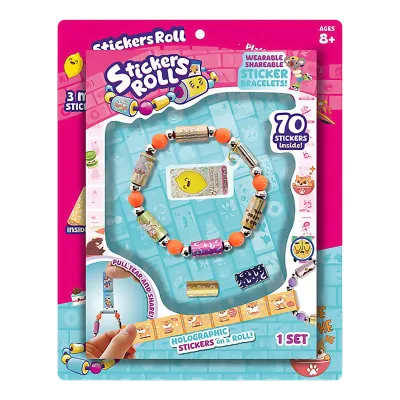
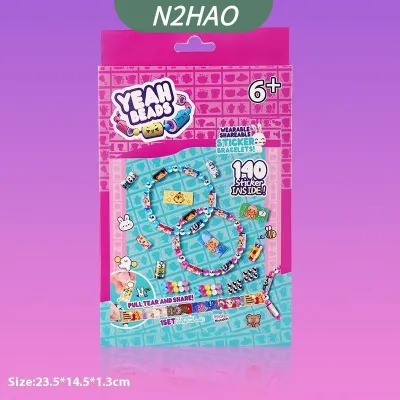
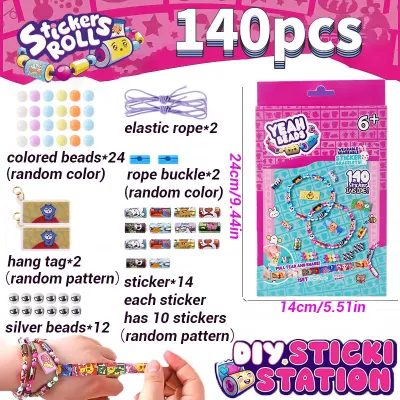
Prices are valid at publication and may change. Please refer to the product page for the latest price.
Adhesive formulation is another critical factor to evaluate before purchasing. Washi tape typically uses a pressure-sensitive adhesive designed for clean, residue-free removal from paper. For wearables, you need a slightly higher tack than standard planner tape, but it must remain flexible enough to bend with your wrist. Check if the manufacturer specifies the adhesive type, as acrylic-based formulas tend to resist moisture and skin oils much better than rubber-based alternatives.
Surface coating plays a major role in protecting the printed design from friction. Without a gloss, matte, or UV-resistant protective layer, the friction of your sleeves or skin will quickly rub off the patterns. Inspect the tape surface under a bright light; a slight sheen or smooth plastic texture often indicates a protective barrier that shields the ink from sweat and oils.
Finally, consider the tensile strength and elasticity of the tape. A bracelet undergoes constant stretching and twisting as you move your hands throughout the day. Standard paper tape has almost zero elasticity and will tear under sudden tension. Synthetic blends or reinforced paper tapes offer a minor degree of stretch, allowing the bracelet to conform to your movements without snapping or warping.
Comparing Paper and Synthetic Tape Materials
Traditional paper washi tape is excellent for journaling because it is repositionable and easy to tear by hand. However, when wrapped around a wrist, the natural fibers absorb sweat and ambient humidity. In warm, humid environments, this absorption causes the paper to swell and contract, rapidly weakening the adhesive bond and leading to frayed, unsightly edges within hours.

Synthetic alternatives, such as PET, vinyl, or polypropylene-based tapes, are highly resilient options for jewelry making. These materials are completely waterproof, meaning they will not degrade when you wash your hands or get caught in a sudden rain shower. They also possess high tear resistance, requiring scissors to cut rather than a simple hand-tear, which translates directly to a longer lifespan on the wrist.
Some manufacturers offer hybrid or reinforced tapes, which feature a paper-based front with a plastic core or a heavy wax coating. These hybrids attempt to preserve the classic matte look of paper while adding a layer of defense against moisture. While more durable than standard paper, they still fall short of the absolute water resistance provided by pure synthetic PET tapes.
To verify material claims without relying solely on packaging buzzwords, perform a simple stretch and tear test on a small sample roll. If the tape stretches slightly before breaking or resists tearing by hand entirely, it contains synthetic polymers suitable for a durable bracelet. If it tears effortlessly with a clean, fibrous edge, it is traditional paper and will require an extra protective sealant layer to survive daily wear.
Choosing the Right Width and Adhesion Level
The width of the tape determines the structural stability of your sticki rolls bracelet. Narrow tapes under 10mm have less surface area, meaning they have less adhesive contact and are highly prone to peeling at the ends. Wider tapes ranging from 15mm to 25mm provide a larger bonding area, making them ideal for the base structure of the bracelet.
While wider tape offers better adhesion, it is less compliant when wrapped around a curved, moving wrist. For optimal results, use a wider, sturdy tape as the structural core or backing of the bracelet, and layer narrower, highly decorative tapes on top. This multi-layered approach distributes the mechanical stress evenly across the band and prevents individual layers from lifting.
Because a bracelet sits directly against your skin for hours, the adhesive must be non-toxic and hypoallergenic. Avoid industrial-grade tapes or heavy-duty mounting tapes, which can cause severe contact dermatitis or leave a sticky, difficult-to-remove residue on your skin. Look for craft tapes that explicitly state they use non-toxic, skin-safe acrylic adhesives.
Before committing to a full bracelet design, perform a simple patch test to ensure skin compatibility. Apply a small strip of the selected tape to the inside of your forearm and leave it for a few hours. Observe the area for any redness, itching, or irritation, while also checking how well the tape holds its grip against the natural oils of your skin during this trial period.
Application Steps to Prevent Peeling and Tearing
The secret to a long-lasting tape bracelet lies in the preparation of the base material and your skin. Clean your wrist thoroughly with mild soap and water to remove excess oils, lotions, or sweat, and dry the skin completely. If you are applying the tape to a plastic or cardboard bracelet base, wipe the base with a dry microfiber cloth to remove dust and static.
When cutting your tape segments, avoid leaving sharp 90-degree corners at the ends. Sharp corners are prime catching points that easily snag on clothing, causing the tape to peel away from the wrist. Use a pair of fine craft scissors to round off the corners of the tape ends, which distributes friction smoothly and keeps the edges flat against the surface.
When wrapping the tape to form the bracelet loop, ensure that the overlapping ends cover each other by at least one to two centimeters. Apply firm, even pressure along the entire length of the tape for several seconds. This pressure-sensitive adhesive requires physical force to activate the bond fully and push out any trapped air bubbles that could harbor moisture.
To dramatically extend the life of a paper-based tape bracelet, consider applying a thin, clear protective sealant or a layer of clear laminating tape over the finished design. Before applying any liquid sealant, test it on a scrap piece of tape to ensure it does not dissolve the ink or degrade the adhesive. A clear PET laminating strip is often the safest and cleanest way to lock in the design without risking chemical damage.
Daily Care and Maintenance for Tape Bracelets
Even the most durable synthetic tape bracelet has its physical limits. Minimize direct exposure to hot water, heavy sweat, and harsh chemicals such as hand sanitizers, perfumes, and body lotions. These substances can quickly seep under the edges of the tape, dissolving the adhesive and causing premature lifting.
Inspect your bracelet daily for early signs of wear, such as lifting corners, fraying paper fibers, or fading colors. If you notice a corner beginning to peel, press it down immediately or trim the loose portion with small scissors to prevent it from snagging further and pulling the entire bracelet apart.
When it is time to take off the bracelet, peel it away slowly and gently in the direction of hair growth to avoid skin irritation. If the adhesive leaves a slight residue, wash the area with warm water and a gentle soap. Store your unused tape rolls in a cool, dry place away from direct sunlight to preserve their adhesive properties for future crafting sessions.
Frequently Asked Questions (FAQ)
Can regular paper washi tape be used for bracelets?
Yes, regular paper washi tape can be used, but it is best suited for temporary, low-stress wear. Because untreated paper fibers easily absorb moisture and sweat, a standard paper tape bracelet will likely begin to peel, fray, or tear within a single day of active use. If you want to use your favorite paper designs for a long-lasting bracelet, you must reinforce them by applying a clear, waterproof laminating tape or a compatible protective sealant over the top to shield the paper from the elements.
How do I stop the edges of my tape bracelet from lifting?
To prevent the edges from lifting, start by ensuring your skin or the bracelet base is completely clean and free of oils before application. When cutting the tape, round the corners with scissors to eliminate sharp edges that snag on clothing. Finally, ensure you overlap the ends of the tape securely and apply firm, steady pressure across the entire surface to fully activate the pressure-sensitive adhesive. If lifting still occurs, a tiny drop of skin-safe craft glue or a clear protective wrap over the seam can lock the edges in place.
Community discussion
Share your experience or ask a question. Comments are reviewed before publication.