
A reliable yellow pad clipboard is more than just a hard surface for writing; it is a foundational tool for keeping loose documents, notes, and receipts organized in any home or office filing system. Selecting the right one requires looking beyond basic aesthetics to evaluate how well its design supports your specific workflow, paper sizes, and storage needs. This guide outlines the critical features, material considerations, and shopping strategies to help you build a shortlist of clipboards that will keep your documents secure and accessible.
In busy Philippine workspaces, where electric fans and open windows often create drafts, a clipboard with a strong grip is essential to prevent papers from scattering. Furthermore, the high humidity of a tropical climate means that choosing the right material is crucial for long-term durability. By understanding the key design elements of organizational clipboards, you can select a tool that not only simplifies your daily writing tasks but also integrates seamlessly into your broader document management system.
Key Features to Look for in an Organizational Clipboard
When evaluating clipboards for document organization, the clip mechanism is your first line of defense. Low-profile clips utilize a flat, spring-loaded metal plate that lies nearly flush with the board, making them exceptionally easy to stack in drawers or slide into tight filing cabinets. In contrast, heavy-duty clips feature a raised metal lever that offers superior leverage, allowing you to open the clip wider to accommodate thick stacks of paper. For yellow pads, look for clips equipped with rubberized corner grips; these provide secure tension without tearing the relatively thin, porous paper typical of local writing pads.
Products mentioned in this guide
Prices are valid at publication and may change. Please refer to the product page for the latest price.
Built-in storage options elevate a simple writing board into a mobile workstation. Storage clipboards feature a hollow internal compartment, usually secured by a latch, which can hold spare yellow pads, pens, calculators, and completed forms. This design protects your documents from dust, bent corners, and sudden tropical downpours. Other models offer external pockets or clear sleeves on the back, allowing you to slide in quick-reference documents like calendars, price lists, or schedules without disturbing your active writing sheet.
Material durability is a critical consideration, especially under humid conditions. Traditional hardboard (MDF) is rigid and highly affordable, but it tends to absorb moisture from the air over time, leading to swelling, warping, and mold. Plastic clipboards, particularly those made of high-impact polypropylene, are lightweight, water-resistant, and easy to clean, though cheaper plastics can become brittle under direct sunlight. Aluminum clipboards offer the highest level of rigidity and durability, resisting rust and physical impact, making them excellent for industrial, outdoor, or heavy-duty office use.
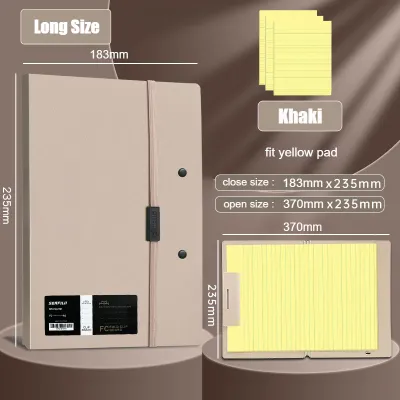
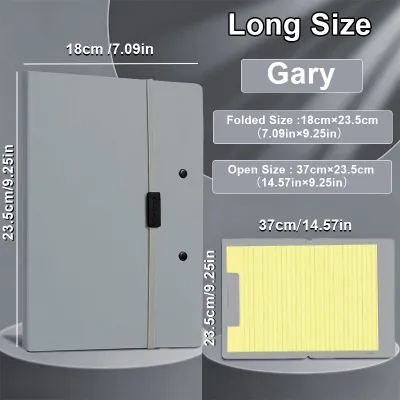
Size compatibility is the final essential feature to verify. Yellow pads in the local market are commonly available in “short” (letter size, 8.5 x 11 inches) and “long” (often corresponding to local legal size, 8.5 x 13 inches) formats. A clipboard that is too small will leave the bottom of your yellow pad hanging off the edge, leading to creased pages and an unstable writing surface. Ensure the board’s physical dimensions are slightly larger than your preferred pad size to provide full edge-to-edge backing support.
Matching Clipboard Types to Your Filing Needs
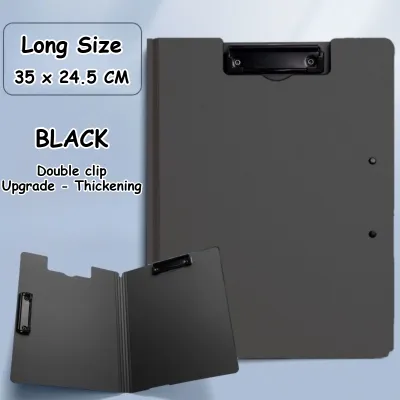
Storage clipboards with deep compartments are highly suited for mobile professionals, field inspectors, and students who must carry their office with them. These boards feature a clamshell design that opens to reveal a spacious interior, keeping extra writing pads, reference manuals, and writing instruments secure and organized. By consolidating your tools into a single, self-contained unit, you minimize the risk of losing loose documents while moving between different work areas or job sites.

Pocket clipboards with front or back sleeves are designed for rapid sorting and quick-access filing. These models allow you to slide incoming invoices, receipts, or quick notes into a dedicated pocket without having to lift the main clip or disturb your active yellow pad. This setup is ideal for administrative clerks, delivery drivers, and busy home managers who need to keep track of small, loose papers throughout the day before filing them away permanently.
Standard heavy-duty clipboards remain the best choice for stationary desk use and high-volume filing tasks. Lacking bulky compartments or pockets, these boards offer a slim, lightweight profile that is easy to handle and store. They are perfect for environments where extra storage is unnecessary, such as reception desks, warehouse inventory stations, or classrooms. Their simple design allows them to be easily slotted into vertical file organizers or hung on wall hooks for quick access.
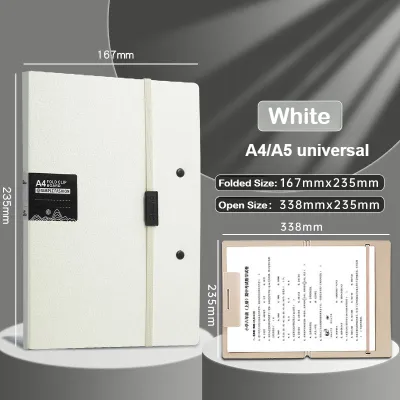
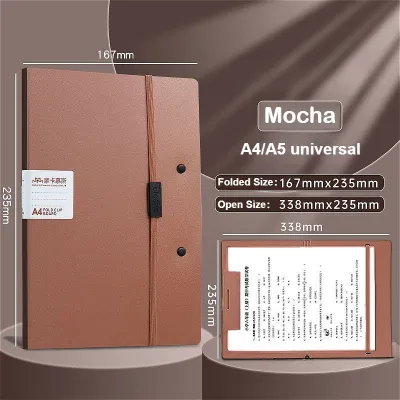
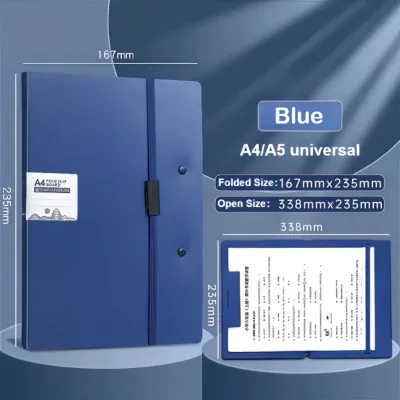
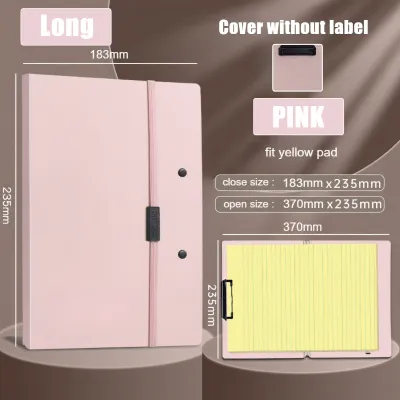
Foldable or multi-panel clipboards feature a protective cover that folds over the writing surface like a book. This design is excellent for maintaining document confidentiality in shared workspaces or protecting your notes from sudden splashes. Many multi-panel clipboards also include interior card slots, pen loops, and secondary clips, allowing you to organize complex projects, multi-page checklists, or presentation materials in a single, professional-looking folder.
How to Evaluate Build Quality and Paper Compatibility
To ensure your clipboard performs reliably over time, you must inspect the clip’s spring tension. A high-quality spring should require a firm squeeze to open but snap back securely. You can verify this by clamping a single sheet of yellow pad paper; if the paper slides out easily when you gently tug it, the tension is too weak to hold documents securely in a breeze. Conversely, the clip should not be so stiff that it requires excessive force to open, which can cause hand fatigue during busy workdays.
Carefully check the edge finishing, binding, and corner guards of the board. High-quality plastic and aluminum boards feature rounded corners and smooth, deburred edges to prevent snagging on your bag, clothing, or other files in a cabinet. Look for clips equipped with rubber or plastic corner guards. These small bumpers cushion the grip, preventing the metal clip from leaving deep creases or tearing the delicate paper of your yellow pad.
Verify the surface texture of the board to ensure adequate friction. A completely smooth, glossy surface can cause your yellow pad to slide or shift while you write, especially in humid conditions where hands can sweat. A board with a matte, slightly textured, or brushed finish provides the necessary friction to keep your pad stable, ensuring a smooth and consistent writing experience.
Always confirm the exact board dimensions against your preferred yellow pad size before purchasing. In the Philippines, “long” yellow pads are typically 13 inches long, whereas international legal size is 14 inches. Ensure the clipboard’s length is sufficient to support the entire length of your specific yellow pad to prevent the bottom corners from bending, curling, or tearing during use.
Building Your Shortlist: Where and How to Shop
When building your shortlist, consider the advantages of different shopping methods. Visiting local stationery stores in major urban centers allows you to physically inspect the build quality, test the clip tension, and feel the weight of different materials. However, online marketplaces offer a much broader selection of specialized organizational clipboards, including heavy-duty aluminum and multi-compartment storage models that may not be readily available in physical retail stores.
When shopping online, look past promotional images and read the product descriptions carefully for exact technical specifications. Verify the precise material composition (such as “high-impact polystyrene” or “anodized aluminum”) and the exact dimensions in centimeters or inches. Avoid listings that lack detailed measurements, as they may not fit your yellow pads correctly.
Check seller ratings, user reviews, and return policies to protect yourself against manufacturing defects. Look for customer feedback specifically mentioning the durability of the clip spring, whether the board arrived warped or cracked, and how well the packaging protected the product during transit. Choosing highly rated sellers with clear return policies ensures you can easily exchange the item if it arrives damaged.
Set a realistic budget in ₱ based on your chosen material and required organizational features. Basic hardboard clipboards are highly affordable, typically costing between ₱50 and ₱100. Durable plastic clipboards with pockets or basic storage compartments generally range from ₱150 to ₱300. For premium, heavy-duty aluminum storage clipboards or multi-panel organizers designed for daily professional use, expect to invest between ₱400 and ₱1,000. Balancing your daily usage needs against these price points will help you find the best value.
Maintaining Your Clipboard for Long-Term Use
Regular maintenance keeps your clipboard looking professional and extends its lifespan. Wipe down plastic and metal surfaces with a damp microfiber cloth to remove dust, sweat, and ink smudges. For hardboard clipboards, use a dry or slightly damp cloth and dry the surface immediately to prevent moisture from soaking into the wood fibers and causing swelling.
Avoid overloading the clip by forcing thick notebooks, heavy catalogs, or excessively large stacks of paper under the arm. Overstretching the spring can permanently weaken its tension, making it unable to hold single sheets of paper securely in the future. If you need to carry large volumes of paper, opt for a storage clipboard with an internal compartment instead.
Store your clipboard flat in a desk drawer or hang it vertically using the retractable hanging loop built into the clip. Avoid leaving your clipboard in high-heat environments, such as inside a parked car under the sun, as extreme heat can warp plastic boards and degrade the adhesives used in laminated hardboards.
Frequently Asked Questions (FAQ)
Can a standard clipboard hold legal-sized yellow pads securely?
Standard clipboards designed for letter-sized paper (8.5 x 11 inches) are usually too short to support legal-sized yellow pads (8.5 x 13 or 14 inches) properly. If you use a standard clipboard, the bottom two to three inches of the legal pad will overhang the edge, causing the paper to bend, crease, and tear when you write near the bottom of the page. To ensure a stable writing surface and keep your documents organized, always check the board’s exact length specifications and choose a clipboard designed specifically for legal-sized documents.
Are plastic or aluminum clipboards better for daily office use?
The choice between plastic and aluminum clipboards depends on your daily work environment and mobility needs. Plastic clipboards are lightweight, cost-effective, water-resistant, and available in various colors, making them excellent for general office tasks, classroom use, or environments where you need to carry the board for long periods. Aluminum clipboards, on the other hand, offer superior rigidity, durability, and a highly professional appearance. They resist heavy impacts and harsh conditions, making them the preferred choice for industrial settings, construction sites, or outdoor field work where maximum durability is required.

Community discussion
Share your experience or ask a question. Comments are reviewed before publication.