
Selecting the right yellowpad paper requires matching the physical dimensions to your workspace, selecting a binding style that supports your writing posture, and choosing a line spacing that fits your handwriting size. While the distinct yellow tint is a staple in many offices and schools, the actual differences that impact your daily workflow lie in the physical dimensions, binding styles, and line spacing. This guide compares the available sizes and formats to help you match the pad to your specific organizational and writing tasks.
In the Philippines, the yellow pad is more than just stationery; it is an essential tool for academic examinations, legal drafting, and daily office brainstorming. The familiar yellow hue provides a high-contrast background that makes handwritten notes stand out clearly under various lighting conditions. However, choosing the wrong size or binding can lead to cluttered notes, torn pages, or a pad that is too bulky to carry comfortably in your bag. By understanding the structural differences between these pads, you can select a tool that enhances your writing comfort and keeps your notes organized.
Comparing Common Yellowpad Paper Sizes
When selecting a yellowpad, the physical dimensions of the paper dictate how much information you can record on a single page and how easily the pad fits into your existing filing systems. Standard desk-sized pads are the most common options found in professional environments. In the Philippines, the term “legal size” often refers to the traditional 8.5 x 13-inch format, sometimes called “long” paper, which differs slightly from the US legal standard of 8.5 x 14 inches. This long format provides ample vertical space, making it highly favored by lawyers, accountants, and students who need to write long formulas, extensive outlines, or detailed legal briefs.
Products mentioned in this guide
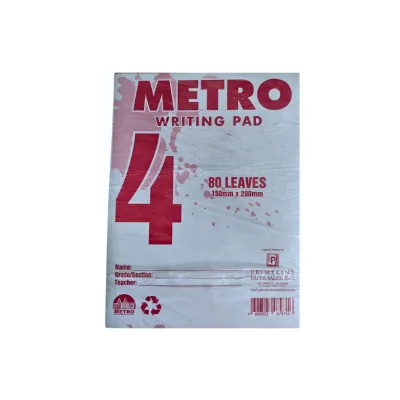
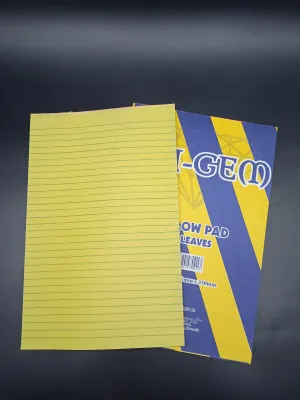
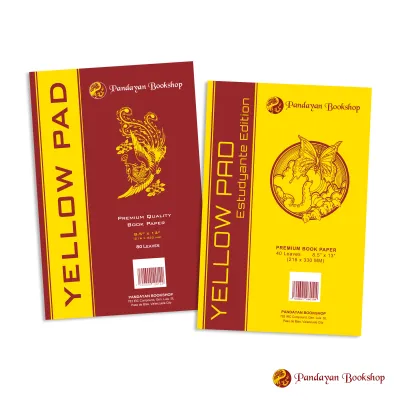
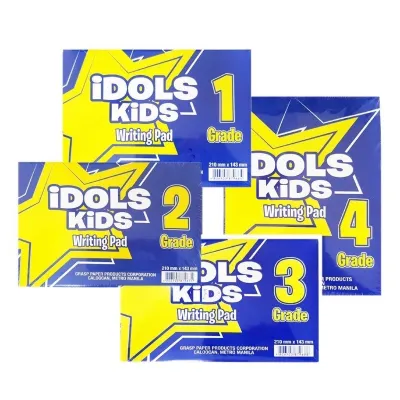
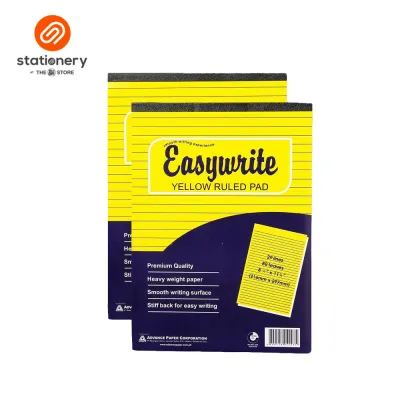
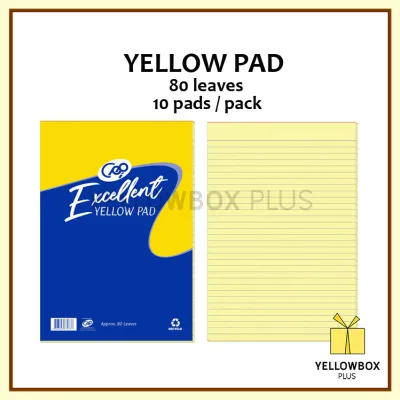
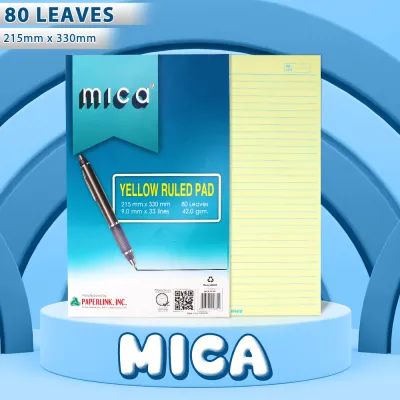
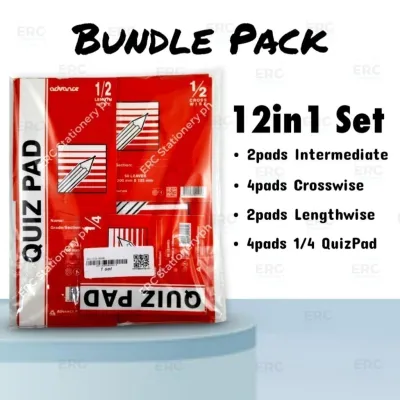
Prices are valid at publication and may change. Please refer to the product page for the latest price.
Another highly popular desk size is the Letter size, measuring 8.5 x 11 inches, often referred to locally as “short” paper. Letter-sized pads are highly compatible with standard office binders, clipboards, and filing folders, making them the practical choice for general office notes that need to be archived alongside printed documents. A4-sized pads (8.27 x 11.69 inches) are also widely available and offer a slightly narrower but taller writing area, aligning perfectly with international document standards. These larger formats maximize your writing canvas, allowing you to map out complex ideas without constantly turning the page.
For writers who are constantly on the move, compact sizes like A5 (5.83 x 8.27 inches) or half-letter formats offer a highly portable alternative. These smaller pads slip easily into backpacks, messenger bags, or even large pockets, making them excellent for field research, quick daily checklists, or taking notes during site visits. The primary trade-off when choosing between large and compact sizes is the balance between writing area and physical bulk. While a large legal pad offers uninterrupted space for deep thought, it can be heavy to carry and awkward to use on small lecture hall desks or public transport. Compact pads, on the other hand, require frequent page turns, which can disrupt the flow of rapid dictation or long-form writing.
Evaluating Binding and Format Options
The binding of a yellowpad determines how the pages are held together, how easily they turn, and how cleanly they can be removed from the pad. Top-bound pads, which feature pages glued or taped together at the upper edge, are designed to lay completely flat on a desk. This flat profile is ideal for left-handed and right-handed writers alike, as there are no side coils or rings to obstruct your hand movement. Glued top-bound pads allow you to write smoothly across the entire width of the page, but they are best suited for single-sided writing, as flipping a page over and keeping it flat without tearing it off can be difficult.

Spiral-bound pads utilize a plastic or metal coil at the top or side, allowing for a full 360-degree page rotation. This means you can fold the front cover and used pages completely behind the pad, effectively cutting the physical footprint of the notebook in half. This feature is incredibly useful when writing without a desk, such as when taking notes while standing, interviewing subjects in the field, or working in tight spaces. However, side-spiral bindings can sometimes interfere with your wrist comfort depending on which hand you write with, so top-spiral formats are often preferred for a more neutral writing posture.
Another critical format feature is the presence of perforated edges. High-quality yellow pads often feature a micro-perforated line just below the top binding, allowing you to tear out pages cleanly and evenly. This is essential if you plan to submit your handwritten notes to an instructor, share them with a colleague, or scan them into a digital document management system. Standard glued pads without perforations rely on the adhesive releasing the page, which can often result in jagged, torn edges that look unprofessional and can jam document scanners.
Finally, the structural integrity of the pad depends heavily on the thickness of its backing. A rigid chipboard backing acts as a built-in clipboard, providing a firm, stable writing surface even when you are holding the pad in your hand or resting it on your lap. Flimsy, thin backings cause the pad to bend under the pressure of your pen, leading to messy handwriting and hand fatigue. When choosing a pad for mobile use, always check the stiffness of the backing board to ensure it can support your writing style on the go.
Understanding Paper Ruling and Line Spacing
The ruling on a yellowpad directly influences how much text you can fit on a single page and how neat your handwriting appears. The two most common ruling formats are wide-ruled and college-ruled (also known as narrow-ruled). Wide-ruled pads typically feature line spacing of around 8 millimeters to 10 millimeters, providing ample room for large, expressive handwriting, bold gel pens, or fountain pens that require more space to prevent ink from feathering or overlapping. This spacing is also highly beneficial for younger students or individuals who prefer a clean, uncluttered visual layout.
College-ruled or narrow-ruled pads feature tighter line spacing, usually between 6 millimeters and 7 millimeters. This format maximizes the usable writing space, allowing you to pack more information onto a single sheet of paper. It is the preferred choice for dense note-taking, detailed lecture outlines, and individuals with small, precise handwriting. Because standards can vary significantly between different manufacturers and regions, it is always wise to check the product packaging or specifications for the exact line spacing measurements before purchasing in bulk, ensuring the ruling matches your personal writing habits.
The visual contrast of the ruling lines against the yellow paper also plays a significant role in readability. Most yellow pads feature dark blue, black, or red ruling lines that stand out clearly against the yellow background. Under bright fluorescent office lights or direct tropical sunlight, this combination reduces glare and helps guide your eyes across the page without causing the visual fatigue often associated with bright white paper. However, the intensity of the printed lines can vary; some budget pads feature very thick, dark lines that can overpower pencil marks or light ink colors. Opting for pads with subtle, finely printed ruling lines ensures your handwriting remains the focal point of the page.
Decision Framework: Which Yellowpad Fits Your Needs?
To select the ideal yellowpad for your specific workflow, consider how and where you will be using the paper most frequently.
- Choose large, top-bound formats if… your work primarily takes place at a dedicated desk, involving tasks like legal drafting, accounting calculations, or extensive brainstorming sessions. Opt for letter or legal-sized pads with clean perforations, as these sheets can be easily torn out, filed in standard folders, or scanned without issues. The flat profile of a top-bound pad ensures maximum comfort during long writing sessions.
- Choose compact, spiral-bound formats if… you are a student moving between classrooms, a field researcher, or a professional who frequently takes notes on the go. An A5 or half-letter pad with a top spiral binding and a thick, rigid chipboard backing will allow you to write comfortably on your lap or while standing, while the spiral design keeps the pad compact and easy to handle in crowded spaces.
- Verify first if… your school, university, or office has strict institutional guidelines regarding paper sizes and formats. In many academic and legal settings in the Philippines, specific sizes like the traditional 8.5 x 13-inch long pad are mandatory for exams or official submissions. Checking these requirements beforehand will prevent you from purchasing incompatible pads and save you ₱ over time by avoiding unnecessary bulk purchases of the wrong format.
Frequently Asked Questions (FAQ)
Why is yellowpad paper typically yellow instead of white?
The primary reason yellowpad paper is yellow is to reduce eye strain and glare. Bright white paper reflects a high percentage of light, which can cause significant visual fatigue when writing for extended periods under harsh overhead office lights or bright natural sunlight. The softer yellow hue absorbs more light, creating a gentler contrast that is easier on the eyes. Additionally, while the original yellow color may have historical roots in manufacturing processes, modern yellow pads are dyed intentionally. The exact tint, brightness, and opacity of the paper depend entirely on the specific manufacturer’s dye and pulp process, resulting in variations from pale cream to vibrant canary yellow.
How can you keep yellowpad pages from curling after tearing them out?
Paper curling is a common issue, especially in tropical climates where high humidity softens the paper fibers and makes them highly sensitive to moisture. To prevent curling, always tear pages slowly and evenly along the perforation line, holding the paper firmly close to the tear point to avoid stretching the cellulose fibers. If your pad does not have perforations, press a metal ruler or a firm straight edge against the binding while pulling the sheet upward. Once the page is removed, store it immediately in a flat plastic folder, a portfolio, or under a heavy clipboard. Keeping the sheets shielded from humid air and pressed flat will prevent them from absorbing moisture and curling at the edges.

Community discussion
Share your experience or ask a question. Comments are reviewed before publication.