
Selecting the ideal upholstery fabric cloth for your home in the Philippines requires balancing comfort, aesthetic appeal, and long-term durability against intense tropical humidity. The combination of high ambient moisture and warm temperatures creates a challenging indoor environment where furniture can easily succumb to mold, mildew, and musty odors. To protect your investment, you must understand how different textiles behave under tropical conditions and how to verify their performance before making a purchase.
The most reliable options for high-humidity environments are synthetic fibers, such as polyester, nylon, and olefin, or high-performance synthetic blends. These materials naturally resist moisture absorption, allowing them to dry quickly and prevent the growth of mold spores on the surface. While natural fibers like cotton and linen offer exceptional breathability and a cool, soft texture, they are highly hydrophilic and require specialized protective treatments or strict climate control to remain pristine in a tropical climate.
How Tropical Humidity Affects Upholstery Fabric
In the Philippines, relative humidity levels can remain consistently high throughout the year, peaking during the wet monsoon season from June to November. When the air is saturated with water vapor, porous materials like furniture upholstery act as natural sponges, absorbing moisture from the surrounding environment. This persistent dampness creates a fertile breeding ground for mold and mildew spores, which are naturally present in the air and thrive in warm, dark, and moist conditions.
Products mentioned in this guide
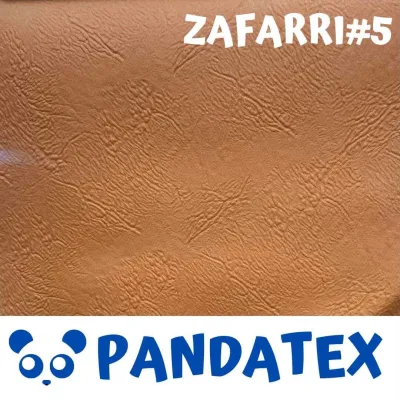
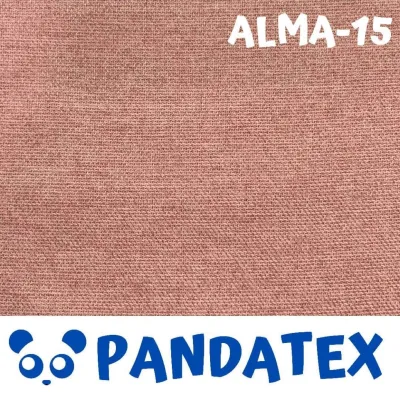
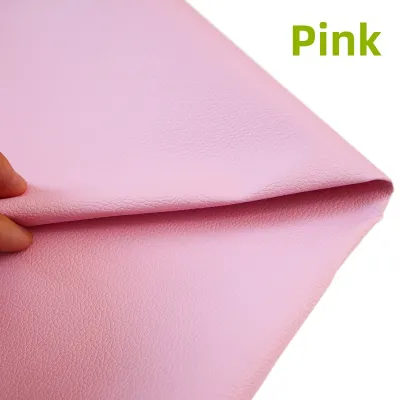
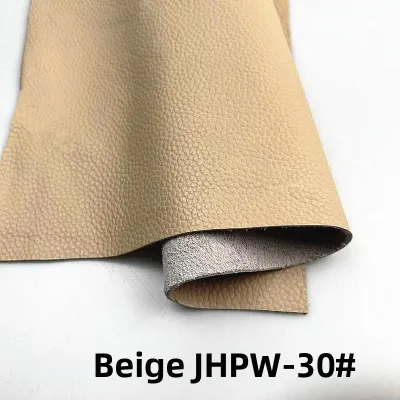
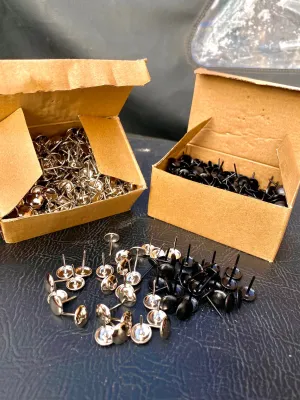
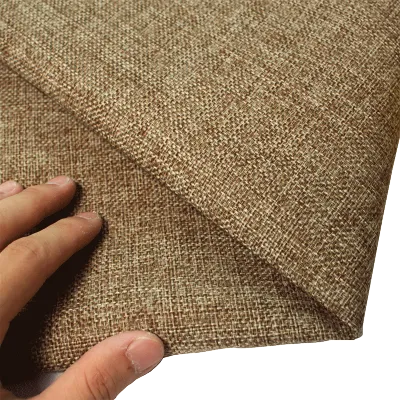
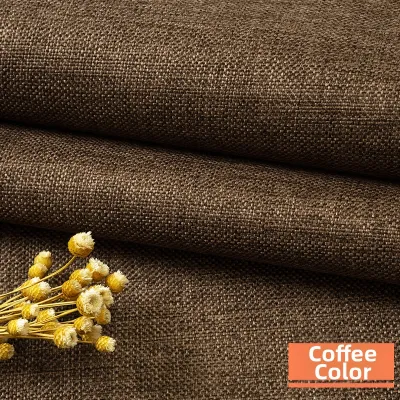
Prices are valid at publication and may change. Please refer to the product page for the latest price.
When upholstery fabric cloth retains moisture, it does not just risk visible mold growth; it also develops a characteristic musty odor. This smell is caused by volatile organic compounds released by active mold and bacteria trapped within the fibers and the underlying cushioning foam. Poor air circulation—common in closed rooms, tight corners, or when a sofa is pushed directly against a concrete wall—compounds this issue by preventing accumulated moisture from evaporating.
Furthermore, prolonged exposure to high humidity combined with indirect tropical heat can accelerate the physical degradation of certain textiles. Natural fibers can lose their tensile strength over time when kept constantly damp, leading to sagging, stretching, or tearing under normal use. Some untreated synthetic fabrics or those with low-quality chemical backings can become sticky, clammy, or uncomfortably warm to sit on, severely reducing the comfort of your living spaces.
Choosing the Right Upholstery Fabric Cloth: Essential Properties for Humid Climates
To find a fabric that can withstand the demands of a tropical climate, you need to look past color and pattern and evaluate specific performance properties. Balancing these features will help ensure your furniture remains comfortable, hygienic, and durable for years to come.

Breathability vs. Moisture Resistance There is an inherent trade-off between a fabric’s breathability and its ability to resist moisture. Highly breathable fabrics allow air to flow freely through the weave, which helps dissipate body heat and prevents you from feeling sweaty while sitting. However, these open structures also allow ambient humidity and liquid spills to penetrate deep into the cushion. On the other hand, highly moisture-resistant or waterproof fabrics repel liquids effectively but can trap heat and perspiration, making them feel hot and sticky in rooms without continuous air conditioning.
Weave Structure The physical structure of the weave plays a critical role in how a fabric handles dust and moisture. Tight, dense weaves—such as canvas, duck, or tight twill—create a physical barrier that prevents dust, pet dander, and skin cells from slipping through the fabric. Because these organic particles serve as food for mold and dust mites, keeping them out of the furniture core is essential. Conversely, loose or highly textured weaves like bouclé or loose-weave linen have larger gaps that easily trap debris and moisture, making them much harder to keep clean in a humid environment.
Treatments and Finishes Many modern upholstery fabrics feature specialized manufacturer treatments designed to enhance their performance. When shopping, look for labels indicating antimicrobial, mold-resistant, or stain-repellent finishes. It is important to treat these claims as conditional benefits rather than permanent guarantees; these finishes can gradually wear off over time due to friction, vacuuming, and spot cleaning. Always consult the manufacturer’s care tag to verify the specific nature of the treatment and the recommended maintenance steps to preserve it.
Colorfastness Tropical homes often feature large windows to maximize natural light, but this exposes indoor furniture to intense ultraviolet (UV) radiation. When high UV exposure is combined with ambient humidity, the chemical bonds in fabric dyes can break down rapidly, leading to uneven fading and fiber weakening. If your sofa will be placed near a window or in a sunlit room, prioritize fabrics with high UV resistance ratings or those made from solution-dyed yarns, where the color is integrated into the fiber itself during production.
Evaluating Common Upholstery Fabric Cloth Materials for Tropical Homes
Different fiber types react uniquely to moisture, heat, and wear. Understanding these characteristics allows you to make an informed choice based on your home’s specific ventilation and usage patterns.
Synthetic and Blended Fabrics
Synthetic fibers are engineered to offer high durability and low maintenance, making them excellent candidates for humid tropical environments.
- Polyester: This is one of the most widely available and practical choices in the Philippine market, with prices typically ranging from ₱150 to ₱500 per yard for standard options. Polyester fibers absorb very little water, meaning they dry quickly and are highly resistant to mold and mildew. To ensure comfort in warm weather, look for polyester fabrics with a breathable weave rather than a solid, heavy backing.
- Nylon: Known for its exceptional strength and resistance to wear, nylon is often blended with other fibers to improve the lifespan of high-traffic furniture. It resists moisture-related rot well but can feel warm if used in non-air-conditioned spaces.
- Olefin (Polypropylene): Highly resistant to moisture, staining, and mildew, olefin is an outstanding choice for tropical homes. It dries incredibly fast and is highly colorfast, which is why it is frequently used for indoor-outdoor furniture in tropical resorts.
- Synthetic Blends: Blended fabrics, such as poly-cotton or poly-linen, offer a practical compromise. The synthetic fibers provide strength, wrinkle resistance, and moisture control, while the natural fibers improve the fabric's breathability and softness, ensuring a comfortable seat even on hot afternoons.
Natural and Treated Fibers
Natural fibers are prized for their luxurious feel and superior breathability, but they require careful consideration when used in high-humidity regions.
- Cotton: Pure cotton is highly breathable and cool to the touch, making it incredibly comfortable in hot weather. However, untreated cotton is highly hydrophilic, meaning it readily absorbs ambient moisture and sweat. This retained dampness can quickly lead to mold growth and musty smells. Cotton is best suited for air-conditioned rooms or when treated with a moisture-resistant finish.
- Linen: Made from flax fibers, linen is naturally cool, highly breathable, and dries faster than cotton. However, it still absorbs moisture from the air, which can cause the fabric to feel damp and lose its crisp shape during the rainy season. If you prefer the look of linen, choose a heavy-duty upholstery grade that has been treated for moisture resistance, and ensure the room has excellent ventilation.
In-Store and Online Verification: What to Check Before Buying
When purchasing upholstery fabric cloth, whether from local textile markets or online marketplaces, you should not rely solely on visual appeal or marketing descriptions. Use these practical, observable checks to verify a fabric’s suitability for a humid climate.
- Label Verification: Carefully inspect the fabric's composition tag. Look for the exact fiber percentages and the manufacturer's care instructions. Check for specific cleaning codes (such as W, S, WS, or X) and any warnings regarding moisture exposure or direct sunlight.
- The Light Test: If you can obtain a fabric swatch, hold it up to a bright light source or a window. Observe how much light passes through the weave. A tight, dense weave will block most of the light, indicating that it will effectively prevent dust, skin cells, and moisture from penetrating into the inner foam of your furniture.
- The Water-Drop Observation: To test the water resistance and drying speed of a fabric swatch, place a single drop of water on its surface. Observe whether the water beads up and sits on top of the fibers (indicating a protective finish or hydrophobic material) or if it absorbs immediately. If it absorbs instantly, the fabric is highly porous and will require diligent environmental control to prevent deep moisture buildup.
- Texture and Weight: Feel both the face and the backing of the fabric. Some heavy upholstery fabrics feature a thick, solid rubberized or acrylic backing designed to block liquid spills. While this protects the inner cushions, in highly humid tropical environments, it can trap condensation and moisture inside the wooden frame of the furniture, leading to internal rot. Opt for fabrics with breathable, woven backings that allow air to circulate through the entire piece of furniture.
Maintenance and Mold Prevention for Upholstered Furniture
Even the most moisture-resistant fabric requires proper care and environmental management to prevent mold and prolong its lifespan in a tropical climate.
- Environmental Control: Air circulation is your primary defense against mold and mildew. Use ceiling fans, standing fans, or open windows on dry days to keep air moving. During the rainy season, consider using a dehumidifier or running your air conditioner on "dry" mode to pull excess moisture from the air. Always position upholstered furniture at least 5 to 10 centimeters away from exterior walls to prevent moisture from transferring from damp concrete to the fabric.
- Routine Cleaning: Vacuum your upholstered furniture at least once a week using a clean upholstery brush attachment. This removes dust, pet dander, and microscopic mold spores before they can settle deep into the weave and begin to colonize.
- Safe Spot-Cleaning Boundaries: When spills occur, blot them immediately with a clean, dry microfiber cloth—never rub, as this pushes the liquid deeper into the fibers. Always check the manufacturer's cleaning code tag before applying any liquid:
- Code W: Safe to clean with water-based cleaning agents.
- Code S: Must be cleaned with water-free solvents or dry-cleaning solvents only.
- Code WS: Can be cleaned with either water-based or solvent-based products.
- Code X: Clean only by vacuuming or light brushing; do not use any liquid cleaners.
- If the cleaning tag is missing, conflicting, or if the fabric is a delicate natural fiber, do not attempt DIY wet cleaning. Stop and consult a professional upholstery cleaning service to avoid permanent water staining or mold development.
- Drying: If you must spot-clean your fabric, ensure the treated area dries completely and as quickly as possible. Use a fan or a hair dryer on a cool setting to accelerate evaporation. Never leave the fabric damp overnight, as this is often when mold spores germinate.
Frequently Asked Questions (FAQ)
Can I use 100% natural linen or cotton in a humid climate?
Yes, you can use 100% natural linen or cotton in a humid climate, but they require stricter environmental management compared to synthetic fabrics. Because natural fibers readily absorb ambient moisture, they carry a much higher baseline risk for mold and mildew. To use them safely, ensure your home has consistent air conditioning or excellent daily airflow, clean up spills immediately, and consider applying a professional moisture-resistant fabric protector.
Does a higher thread count always mean better moisture resistance?
No, a higher thread count or a tighter weave does not automatically make a fabric moisture-resistant. While a dense weave can slow down the physical penetration of liquid spills, it does not change the chemical properties of the fibers. An untreated, high-thread-count cotton fabric will still absorb ambient humidity and hold onto moisture far longer than a looser-weave synthetic fabric made from hydrophobic polyester or olefin. The fiber composition and applied performance finishes are much more important for moisture management than thread count alone.
Community discussion
Share your experience or ask a question. Comments are reviewed before publication.