
Selecting the right wrapping paper and ribbon materials for gift basket packaging depends on balancing structural durability, moisture resistance, and flexibility. For heavy or sharp baskets, thick kraft paper or heavy-duty cellophane provides the necessary puncture resistance, while lightweight, coated papers offer vibrant colors for lighter items. To secure the arrangement, textured ribbons like grosgrain or burlap hold knots firmly under tension, whereas smooth satin or synthetic ribbons require specific tying techniques or wire reinforcement to prevent slipping. Understanding how these materials interact with different basket shapes and environmental conditions ensures your gift remains secure and visually appealing throughout transit.
Choosing Wrapping Paper Based on Basket Weight and Texture
The physical demands of a gift basket require wrapping materials that can stretch, fold, and support weight without tearing.
Kraft paper is highly valued for its exceptional tear resistance and structural strength. Its long fibers allow it to withstand tension when pulled tightly over wide basket rims or sharp wicker corners, though its stiffness makes it less suitable for tight, intricate folds.
Products mentioned in this guide
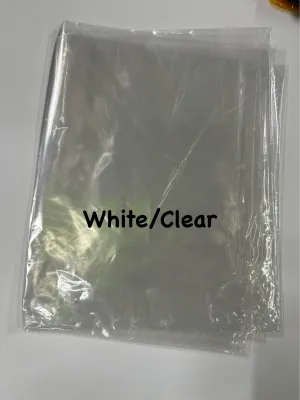
Prices are valid at publication and may change. Please refer to the product page for the latest price.
Cellophane, particularly heavy-duty clear or tinted rolls, provides clear visibility while maintaining high tensile strength. It does not tear easily when punctured, making it a reliable outer barrier for heavy baskets. Check the product label for thickness measurements, often listed in mils or microns, to ensure adequate support.
Coated finishes and standard decorative wrapping papers offer vibrant colors but generally possess lower tear resistance. These flexible papers are excellent for lining the interior of a basket or wrapping individual lightweight items inside, but they can easily puncture if stretched directly over sharp wire or rough wood.
To verify if a paper can handle your basket, check the manufacturer’s specifications for basis weight, typically measured in grams per square meter (gsm). A higher gsm indicates a thicker, more robust paper. For heavy baskets containing jars or canned goods, look for papers rated for heavy-duty packaging.
Environmental conditions, such as high tropical humidity, also influence your choice. In humid climates, standard uncoated papers can absorb moisture from the air, causing them to sag and lose their structural integrity. Under these conditions, moisture-resistant or plastic-coated papers help maintain a crisp appearance.
The contents of your gift basket also dictate specific paper properties. If you are packaging fresh produce, local fruits, or artisanal baked goods, grease-proof or wax-coated papers are essential to prevent oils and moisture from staining the outer packaging. For bath products or soaps that may sweat, a moisture-resistant barrier prevents the paper from degrading.
Selecting Ribbons for Secure Tying and Visual Appeal
Ribbons serve both a structural and an aesthetic purpose in gift basket packaging, acting as the primary anchor that keeps the wrapping material tight and secure. Choosing the right ribbon material involves evaluating knot security, stiffness, and resistance to fraying.

Fabric ribbons offer a wide range of textures. Satin ribbon is smooth and highly flexible, creating elegant bows, but its low-friction surface means knots can easily slip under tension. Grosgrain ribbon features a ribbed texture that provides strong grip, making it highly reliable for holding tight knots on heavy baskets.
Burlap and jute ribbons offer high stiffness and a rustic texture, which is highly effective for securing heavy wraps. However, their loose weave makes them prone to fraying at the cut edges, requiring sharp shears and a small fold or hem to keep the ends neat.
Synthetic ribbons, such as polypropylene or polyester curling ribbons, are highly durable, water-resistant, and widely available on online marketplaces. They hold their shape well and do not fray, but their stiff texture can make it difficult to tie tight knots without them springing open.
Matching the ribbon width to the basket’s handle size is crucial for maintaining proper tension. A ribbon that is too narrow may cut into the wrapping paper or fail to grip a wide handle. Conversely, a ribbon that is too wide can bunch up awkwardly on a small handle, reducing knot security.
Before finalizing your design, check the ribbon’s colorfastness, especially when packaging items in humid environments. Some dyed fabric ribbons can transfer color when damp, potentially staining a light wicker basket or the wrapping paper. You can test this by rubbing a damp white cloth over a small sample.
Surface texture also determines how well a ribbon grips the basket handle. Smooth, polished handles made of plastic, metal, or finished bamboo require ribbons with high surface friction, such as grosgrain or cotton twill, to prevent the bow from sliding down under the weight of the basket.
Adapting Materials to Irregular Shapes and Fragile Contents
Irregularly shaped baskets and fragile contents require specific packaging strategies to ensure the final presentation remains stable. Open-weave baskets, such as those made of thin rattan or wire, often lack a solid surface, which can cause wrapping paper to sag or puncture.
To address this, consider placing a solid base board or a thick cardboard liner at the bottom of the basket before adding your items. This distributes the weight evenly and prevents sharp corners from pressing against the outer wrapping paper. You can wrap the base board in a coordinating colored paper to maintain a cohesive look.
For heavy baskets, reinforcing the base is essential to prevent the wrapping material from bursting when lifted. Double-layering the wrapping paper at the bottom provides extra reinforcement. Alternatively, place a heavy-duty cellophane sheet under the decorative paper to act as a hidden, high-strength support layer.
When wrapping baskets with highly irregular shapes, highly flexible materials like soft cellophane or lightweight crepe paper conform to the contours much better than stiff kraft paper. These flexible materials allow you to gather the wrap neatly at the top without creating bulky, unsightly folds.
Fragile or temperature-sensitive contents, such as fresh tropical fruits, chocolates, or local delicacies, require careful ventilation. Sealing these items completely in airtight plastic wrap can trap heat and humidity, leading to condensation buildup that ruins the presentation.
To prevent condensation, select breathable wrapping materials or intentionally leave small ventilation gaps near the top of the wrap, close to the ribbon tie. This allows air to circulate while keeping the contents secure. If using cellophane, you can use a small hole punch to create discreet ventilation holes in areas not under structural tension.
Testing and Verifying Materials Before Final Wrapping
Before committing your materials to the final assembly, conducting simple, reversible tests on scraps can save time and prevent packaging failures. These trials allow you to observe how the paper and ribbon behave under tension and handling.
To test your wrapping paper, cut a small scrap and perform a manual fold and crease test. Fold the paper sharply, then pull it from both ends to see if it cracks or tears along the crease line. This is especially important for coated or metallic papers, which can split or lose their color coating when folded tightly.
Next, test your ribbon’s knot security by tying a sample piece around a spare section of the basket handle. Pull the ribbon tight and leave it under tension for a few minutes. Observe whether the knot begins to slip, unravel, or slide down the handle, which indicates you may need a more textured ribbon or a different knot style.
Establish clear stop conditions during your testing phase to identify when a material is unsuitable. If the paper tears easily during a gentle tug test, or if it shows severe creasing that cannot be smoothed out, halt the process. Do not attempt to use it for the final wrap, as it will likely fail under the weight of the basket.
Similarly, if the ribbon leaves dye residue on your hands or the basket handle during testing, stop immediately. This indicates poor colorfastness, which could ruin the entire gift presentation. In such cases, switch to a natural, undyed ribbon or a synthetic alternative that does not bleed.
Frequently Asked Questions (FAQ)
Can standard craft paper support heavy gift baskets?
Standard craft paper varies significantly in thickness and may tear under heavy loads or when stretched over sharp edges. To determine if it is suitable, check the paper’s grammage or weight rating on the packaging; papers with a higher gsm are much more resilient. If you must use lighter craft paper for a heavy basket, reinforce the base by double-layering the paper or placing a thick cardboard insert inside the basket to distribute the weight.
How do I keep ribbons from slipping on smooth basket handles?
Surface texture plays a major role in how well a ribbon grips a smooth handle, with textured fabrics like grosgrain or cotton twill providing much better friction than smooth satin or synthetics. To secure a slippery ribbon without damaging the basket, try using a double-knot technique or wrapping a small piece of double-sided floral tape on the underside of the handle before tying. Avoid using permanent glues or harsh adhesives that can strip the basket’s finish or leave a sticky residue.
Community discussion
Share your experience or ask a question. Comments are reviewed before publication.