
A mini drawing pad offers a highly portable, low-pressure canvas that allows you to capture creative ideas, quick gestures, and observational sketches wherever inspiration strikes. For beginners, selecting the right pocket-sized sketchbook is not just about finding a small cover; it requires matching the paper’s weight and texture to your preferred drawing tools, selecting a durable binding method, and choosing a cover that supports your physical drawing environment. By understanding how these technical specifications translate to real-world use, you can avoid common pitfalls like ink bleeding, warped pages, and awkward handling.
Do You Actually Need a Mini Drawing Pad?
Before purchasing your first mini drawing pad, it is essential to evaluate whether a compact format aligns with your artistic goals and daily routine. In the stationery world, “mini” typically refers to sizes ranging from A6 (105 x 148 millimeters) down to pocket-sized dimensions (such as 90 x 140 millimeters), which are significantly smaller than standard A5 or A4 studio sketchbooks. These dimensions make the pad incredibly easy to slip into a backpack, a small sling bag, or even a pocket during a daily commute on the MRT or jeepney. If you find yourself waiting in cafes, parks, or transit stations with brief pockets of free time, a highly portable pad turns idle waiting into productive practice.
However, the physical size of a mini drawing pad directly influences your drawing mechanics and style. Because the drawing surface is restricted, these pads are designed primarily for quick gesture drawings, thumbnail compositions, and small-scale observational sketches. If your drawing style relies on sweeping, expressive strokes that utilize your entire arm, elbow, and shoulder, a mini pad can feel cramped and physically frustrating. Conversely, if you want to focus on wrist-controlled details, quick character doodles, or planning layouts for larger artworks, the limited space is highly efficient. Choosing a mini pad should be viewed as a way to build a low-pressure, daily drawing habit rather than replacing a spacious desk-bound sketchbook.
Products mentioned in this guide
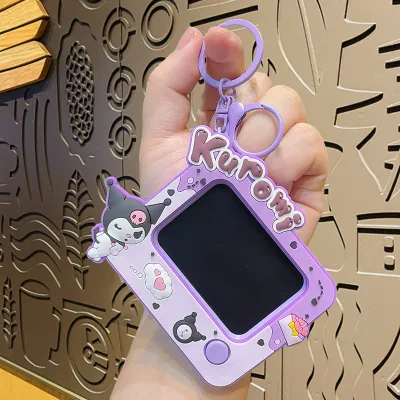
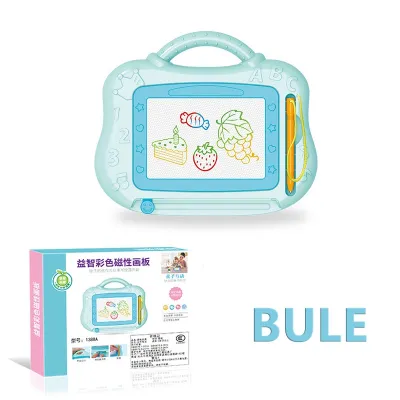
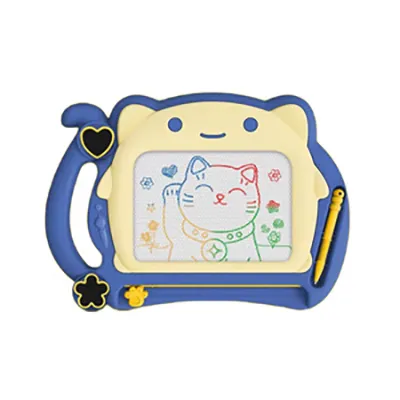
Prices are valid at publication and may change. Please refer to the product page for the latest price.
Matching Paper Weight and Texture to Your Mini Drawing Pad Medium
The paper inside your mini drawing pad is the most critical factor determining how your drawing tools perform. Paper weight is measured in GSM (grams per square meter), which indicates the thickness and density of each sheet. For beginners working strictly with dry media such as graphite pencils, colored pencils, or charcoal, a paper weight of 100 to 120 GSM serves as an excellent, lightweight baseline. This thickness provides enough structural integrity to withstand normal eraser friction without tearing. However, if you plan to use fineliners, light ink washes, or water-based markers, you should look for paper rated at 150 GSM or higher. Thinner papers will suffer from ghosting—where the drawing is visible on the reverse side—or outright bleed-through, which ruins the subsequent pages.

Texture, often referred to as the paper’s “tooth,” is equally important and must match your medium’s physical properties. Smooth paper, such as hot-pressed sheets, has very little tooth, making it the ideal choice for clean ink lines, detailed technical pen work, and ultra-fine pencil shading. The lack of texture prevents pen tips from catching and ensures consistent ink flow. On the other hand, medium to rough paper (cold-pressed) has a noticeable texture that is necessary for grabbing loose pigments. If you use graphite, charcoal, or soft pastels, the tooth of the paper acts like a microscopic grater, scraping the pigment off the pencil core and holding it in place. Without adequate tooth, dry pigments will easily smudge off the page.
To verify these qualities before committing to a purchase, check the product packaging or back cover for the explicit GSM rating. If you are shopping in a physical store, you can perform a simple tactile test: gently rub your fingertip across a sample page to feel the surface friction. To test smoothness, bleed resistance, drying speed, and erasability, perform a small trial in an inconspicuous corner of the page. Apply a light pencil stroke to see how easily it erases without smudging, and draw a quick ink line to observe if the ink feathers or dries slowly.
Additionally, local climate conditions play a significant role in paper performance, especially in highly humid environments like the Philippines. Paper is naturally hygroscopic, meaning it absorbs moisture from the surrounding air. In high humidity, thin or untreated paper can quickly feel damp, limp, and prone to warping or severe ink feathering. When selecting a mini drawing pad, prioritize brands that offer sealed shrink-wrap packaging to ensure the paper remains dry until you open it. Opting for slightly heavier paper (120 to 160 GSM) also provides better resistance against ambient moisture absorption, keeping your pages crisp and responsive to your pencil.
Choosing the Right Binding for Your Sketching Style
How a mini drawing pad is bound together dictates how you physically hold the pad and manage your finished work. Spiral and Wire-O bindings are highly popular among artists who sketch on the go. The primary advantage of a spiral binding is its ability to fold the cover and finished pages a full 360 degrees backward. This creates a compact, rigid bundle that you can easily hold in one hand while drawing with the other, making it perfect for standing in crowded spaces or sketching outdoors without a table. The metal or plastic coils also allow the pad to lie completely flat on any surface.
Stitched and thread-bound formats offer a more traditional, book-like aesthetic and exceptional durability. These pads are constructed with folded sheets sewn into the spine, which prevents pages from falling out over time. While high-quality thread-bound sketchbooks can lay relatively flat when fully opened, the central spine still creates a physical gutter. This slight rise can make it difficult to draw continuous, cross-page panoramic sketches without your pen bumping into the seam. If you prefer keeping all your sketches chronologically organized in a cohesive book format, stitched binding is the most reliable choice.
Glued and tear-out pads are bound with a strip of adhesive along the top or side edge. This design allows you to cleanly peel away finished drawings without leaving messy, jagged edges. It is an ideal option if you frequently scan your artwork, frame your sketches, or share individual drawings with friends. However, the adhesive on these pads can degrade when exposed to heat or repeated bending. If you toss a glued pad loosely into a crowded bag, the constant friction can cause pages to accidentally detach and become crumpled. Match your binding choice to your primary environment: select spiral for maximum mobility, stitched for a permanent journal, and glued for easy sheet removal.
Cover Rigidity and Everyday Portability
The cover of your mini drawing pad serves as both a shield for your artwork and a physical foundation for your hand. Hardbound covers, typically made from thick cardboard, chipboard, or wrapped leatherette, offer maximum protection against bending, folding, and corner damage when packed tightly inside a bag. More importantly, a rigid hardcover acts as a built-in lap desk. This allows you to sketch comfortably on your lap, against a railing, or while standing up, without needing a clipboard or a table for support. The trade-off is that hardcovers add noticeable weight and bulk to your daily carry.
Softbound covers, made from flexible cardstock, kraft paper, or thin plastics, are significantly lighter and more pliable. They easily conform to the shape of your pocket or a packed pouch, making them the ultimate choice for minimalist travel. However, soft covers offer very little structural support. If you attempt to sketch while holding a softbound pad in the air, the paper will flex under the pressure of your pencil, leading to shaky lines and uneven shading. You will almost always need to place a softbound pad on a flat, solid surface to achieve precise control.
When evaluating portability, look for functional details like elastic closure bands and built-in ribbon markers. An elastic band keeps the pad tightly shut, preventing loose items in your bag from sliding between the pages and tearing your artwork. Finally, always measure the specific dimensions of the pad against your intended carrying case. A manufacturer’s “mini” label can range from an ultra-small pocket size to a wider pocket format, so verifying the physical measurements ensures it fits your favorite sling bag or pocket perfectly.
Quick Selection Checklist for Your First Purchase
Use this straightforward checklist to quickly evaluate your options whether you are browsing online marketplaces or shopping at a local stationery store:
- Size Check: Verify the exact dimensions of the pad to ensure it fits comfortably inside your everyday carry bag, pouch, or pocket.
- Paper Check: Confirm the paper weight matches your medium (100–120 GSM for dry pencils; 150+ GSM for fineliners and light ink) and check that the texture (smooth vs. medium tooth) suits your drawing style.
- Binding Check: Select a binding style that supports your physical sketching habits (spiral for easy one-handed holding, stitched for a durable book format, or glued for clean page removal).
- Cover Check: Choose a rigid hardcover if you plan to sketch outdoors without a table, or a lightweight softcover if pocket space and minimal weight are your highest priorities.
- Climate Protection: Look for shrink-wrapped packaging to protect the paper from absorbing ambient humidity before your first use.
Frequently Asked Questions (FAQ)
Can I use markers or watercolors on a standard mini sketch pad?
Standard mini sketch pads, which typically feature paper weights between 100 and 120 GSM, are designed almost exclusively for dry media like graphite, colored pencils, and charcoal. Alcohol-based markers will quickly bleed through these thin sheets, staining the pages underneath and causing your lines to feather outward. Watercolors or heavy ink washes will instantly oversaturate the paper fibers, leading to severe warping, buckling, and surface pilling as you work. If you want to use wet media on a small scale, look specifically for dedicated mixed-media or watercolor mini pads that feature thick, sized paper of at least 200 to 300 GSM.
How do I protect my sketchbook from humidity and moisture?
In tropical climates characterized by high relative humidity, paper can absorb ambient moisture rapidly, leading to a limp texture, page warping, and poor ink performance. To protect your mini drawing pad, store it inside a resealable plastic bag or a dedicated zippered waterproof pouch along with one or two silica gel packets when it is not in use. Avoid leaving your sketchbook open to the air for long periods, and keep it away from direct sunlight or the direct path of air-conditioning vents, as sudden temperature and humidity shifts can accelerate paper warping and adhesive degradation.
Community discussion
Share your experience or ask a question. Comments are reviewed before publication.