
Starting your creative journey with a painting set can feel overwhelming when faced with rows of colorful tubes, varied brush shapes, and unfamiliar terminology. The ideal starter kit is not the most expensive or the largest one available, but rather a curated set that matches your immediate living environment, cleanup preferences, and creative goals. For most beginners, a student-grade acrylic or watercolor set provides the most accessible entry point, offering a balance of manageable drying times, straightforward cleanup, and forgiving techniques. While it can be tempting to buy the cheapest option available, investing in a reliable student-grade starter kit—typically ranging from ₱500 to ₱1,500—will save you from the frustration of poor-quality materials.
By selecting a kit with high-quality essentials rather than a massive collection of cheap fillers, you set yourself up for a rewarding and frustration-free learning experience. Understanding how different mediums interact with your space and climate will help you make an informed decision that keeps you painting regularly.
Choosing the Right Paint Medium for Your Space and Style
Before purchasing any painting set, you must decide which medium aligns with your physical workspace and daily routine. The three primary options—watercolor, acrylic, and oil—each interact differently with air, moisture, and surfaces, making your local climate and home setup critical factors in your decision.
Products mentioned in this guide
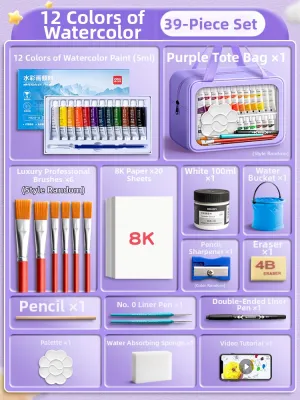
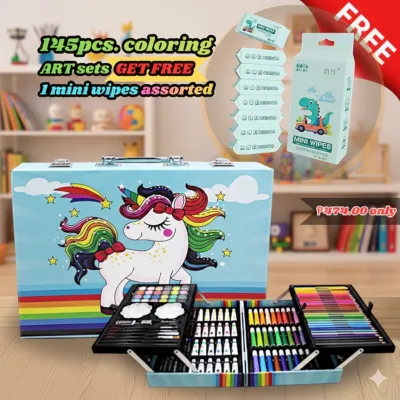
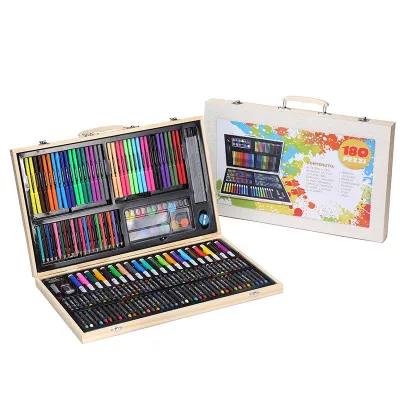
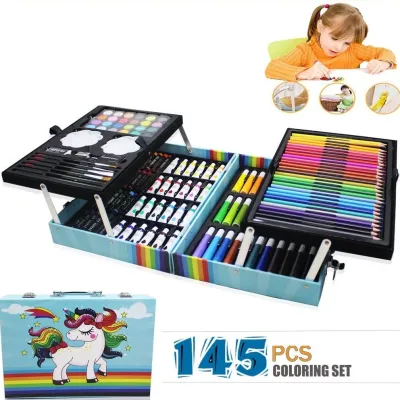
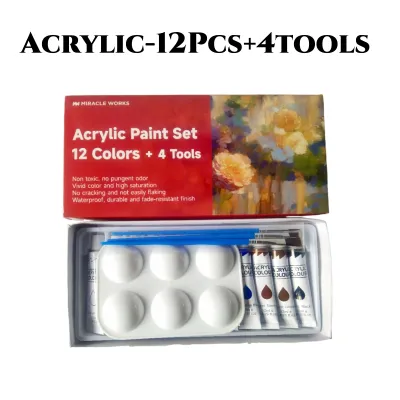
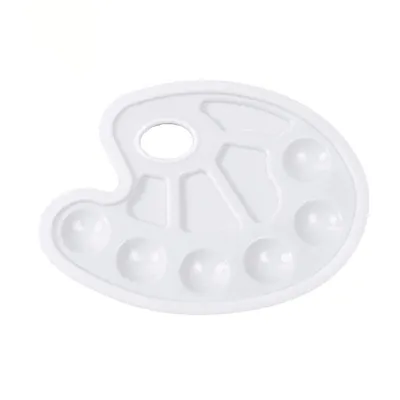
Prices are valid at publication and may change. Please refer to the product page for the latest price.
Watercolor is highly celebrated for its quick drying times and exceptionally easy cleanup, requiring nothing more than clean water to wash away pigment from brushes, hands, and palettes. Because it is highly transparent and relies on the white of the paper to create highlights, watercolor demands specific paper weights and textures to prevent warping. In tropical environments with high humidity, watercolor remains highly manageable, though you may notice paper takes slightly longer to dry completely between layers compared to arid climates. It is an excellent choice if you have limited space, as a complete setup can easily fit on a small desk and be packed away in minutes.
Acrylic paint is incredibly versatile, drying to a permanent, water-resistant finish that can be applied to paper, canvas, wood, or fabric. While wet, acrylics are water-soluble, allowing you to clean your brushes with simple soap and water, but once dry, they become plastic-like and permanent. This fast-drying nature is highly advantageous for beginners who want to layer colors quickly without waiting days, but it also means you must wash your brushes immediately to prevent them from being ruined. In warm, humid conditions, acrylics dry rapidly on the palette, which may require you to mist your paints occasionally or use a DIY wet palette to keep them workable during longer sessions.
Oil paint is the traditional medium of the old masters, prized for its rich, blendable consistency and extremely slow drying time, which allows you to work on a single piece over several days. However, this slow drying process requires patience, as layers can take weeks to cure completely, especially in humid tropical climates where moisture in the air can retard the oxidation process. Furthermore, traditional oil painting requires specific solvents, such as odorless mineral spirits or linseed oil, for thinning the paint and cleaning brushes. Because these solvents release volatile organic compounds, oil painting requires a dedicated, highly ventilated workspace, making it less suitable for small, closed apartments or shared family spaces.
Must-Have Components in a Complete Beginner Painting Set
A truly comprehensive starter painting set should contain everything you need to complete your first few projects without requiring immediate trips back to the stationery store. When evaluating kits on online marketplaces or in local art shops, look for a balanced selection of core tools rather than a high quantity of low-grade items.

The paints themselves should be student-grade pigments that offer a balanced selection of primary and secondary colors. A great starter palette includes a warm and cool version of each primary color (such as a warm cadmium yellow and a cool lemon yellow, a warm ultramarine blue and a cool phalo blue, and a warm cadmium red and a cool alizarin crimson), along with titanium white and a dark earth tone like burnt umber. This “split primary” selection allows you to mix virtually any color you need while teaching you the fundamentals of color theory, far better than a set of pre-mixed, muddy secondary shades.
Brushes are your primary connection to the surface, and a beginner set should include a versatile mix of shapes and sizes. Look for a kit that provides at least one flat brush for broad washes and sharp edges, a round brush for detail work and sketching, and a filbert brush, which has a curved tip ideal for blending and soft shapes. For acrylics and watercolors, synthetic bristles (such as golden synthetic or nylon) are highly recommended because they retain their springiness when wet, resist shedding, and are less prone to rotting or harboring mold in humid climates compared to natural hair brushes.
The painting surface included in the kit must match the medium’s specific physical requirements. Watercolor kits must include heavy paper, ideally with a weight of at least 300 gsm (grams per square meter), to prevent the sheets from buckling, pilling, or tearing when saturated with water. Acrylic and oil kits, on the other hand, require sturdy surfaces like stretched canvas, canvas boards, or heavy-duty acrylic paper that has been properly primed with gesso to prevent the paint binders from seeping into the fibers and degrading the support over time.
Finally, essential accessories round out a functional starter set. A mixing palette is indispensable; look for smooth plastic or ceramic options for watercolors, or flat, non-porous plastic or tear-off paper palettes for acrylics and oils. The kit should also feature a sturdy water cup or brush washer, along with a basic cleaning cloth or sponge to manage moisture levels on your brush tip as you paint.
Red Flags to Avoid When Buying Starter Art Kits
The market is flooded with budget-friendly art kits designed to look appealing on a shelf but containing materials that can actively hinder your progress. Recognizing these red flags before you purchase will save you from the frustration of muddy colors, ruined brushes, and warped surfaces.
One of the most common traps is the massive color count kit, which boasts 50, 80, or even 100 different shades of paint in tiny, unlabeled tubes. These sets almost always use low-quality pigments heavily diluted with chalky fillers and binders, resulting in paints that look vibrant in the tube but dry to a dull, chalky, or semi-transparent finish. When you attempt to mix these paints, they quickly turn into a muddy gray or brown because they lack the pure pigment load required to create clean secondary and tertiary colors.
Flimsy, shedding brushes are another major source of frustration for beginner painters. Cheap kits often include brushes with poorly crimped metal ferrules—the band that connects the bristles to the wooden handle—which loosen quickly, causing the bristles to shed constantly onto your wet paint. Additionally, low-grade synthetic or natural bristles will lose their shape after a single use, splaying outward like a broom and making it impossible to paint clean lines or fine details.
Incompatible or low-quality surfaces are frequently bundled into cheap starter sets to make them look more complete. If you see an acrylic or watercolor kit that includes standard thin sketch paper or unprimed cardboard panels, avoid it. Thin paper will warp instantly under the moisture of watercolor, while unprimed cardboard will absorb the moisture and binders from acrylic or oil paint, leaving your colors looking flat, dry, and prone to peeling.
Lastly, avoid kits containing completely unlabeled tubes that lack basic product information. Reputable art manufacturers print essential details on their tubes, including the pigment index code (such as PW6 for Titanium White), lightfastness ratings (which indicate how well the paint resists fading over time when exposed to light), and non-toxic safety certifications. A lack of these labels usually indicates a generic, mass-produced product with inconsistent quality control and potentially hazardous ingredients.
Step-by-Step Checklist for Evaluating Available Sets
To ensure you are investing in a painting set that will support your learning journey, use this practical step-by-step checklist when browsing online marketplaces or visiting local stationery stores.
First, verify the grade of the paint tubes included in the kit. Look specifically for terms like “student grade,” “studio grade,” or “academic” on the packaging, which indicate a reliable balance of high pigment load and affordable pricing. Avoid kits that rely heavily on vague marketing buzzwords like “professional quality” or “premium artist grade” without providing actual pigment codes or manufacturer details, as these are often used to mask inferior products.
Second, inspect the construction of the brushes. If you are shopping in a physical store, gently tug on the bristles to see if any loose hairs pull out, and check that the metal ferrule is tightly crimped to the handle with no visible gaps or wobbling. If you are shopping online, zoom in on the product photos to examine the ferrule crimping and read user reviews specifically searching for complaints about brush shedding or handles snapping.
Third, check the specifications of the included painting surfaces. Ensure that watercolor paper is clearly labeled as 300 gsm (or 140 lb) and has a cold-press texture, which provides the ideal tooth for holding water and pigment. For acrylic or oil kits, confirm that the canvas boards or stretched canvases are pre-primed with acrylic gesso, which ensures the paint adheres smoothly and does not sink into the fabric.
Fourth, cross-reference the kit’s contents with the manufacturer’s official specifications and independent user reviews. Look for feedback regarding the paint’s consistency—it should be smooth and buttery for acrylics, or easily re-wettable for watercolors—and check if other beginners found the color mixing intuitive. Investing a few minutes in verifying these details will ensure your first painting experience is smooth, encouraging, and highly enjoyable.
Frequently Asked Questions (FAQ)
Should I buy a massive set with 100 colors or a small set with primary colors?
It is highly recommended to start with a smaller set of 6 to 12 high-quality primary and secondary colors rather than a massive set with dozens of pre-mixed shades. Learning to mix your own colors using a limited palette is a fundamental art skill that helps you understand color theory, temperature, and value. Large, inexpensive sets often contain redundant colors filled with white chalk or cheap pigments, which limits your ability to mix clean, vibrant hues and can lead to muddy results. A smaller, well-curated set of student-grade paints will teach you how to control your palette and produce a much wider, more harmonious range of colors.
How do I clean and store my brushes after a painting session?
Proper brush maintenance is essential to prolong the life of your tools, especially in humid tropical climates where damp bristles can easily harbor mold or mildew. For water-based paints like watercolor and acrylic, rinse your brushes thoroughly in lukewarm water immediately after use, using a mild soap or dedicated brush cleaner to remove all pigment from the base of the bristles near the ferrule. Gently reshape the damp bristles into their original form using your fingers, then lay them flat on a clean towel to dry. Never store wet brushes upright in a cup, as water will seep down into the metal ferrule, dissolving the glue that holds the bristles and causing the wooden handle to swell, crack, and rot over time. Once completely dry, you can store them flat or upright with the bristles pointing upward.
Community discussion
Share your experience or ask a question. Comments are reviewed before publication.