
Chunky letter beads are a popular way to personalize jewelry, keychains, and accessories, but their performance depends heavily on what they are made of. Typically crafted from acrylic, wood, or resin, each material brings distinct advantages to your crafting table. Choosing the right one requires balancing the wearer’s lifestyle, the desired aesthetic, and the physical demands of your design.
Comparing Acrylic, Wood, and Resin Bead Characteristics
Acrylic beads are highly common, known for their lightweight feel, vibrant colors, and excellent durability. They are molded under high pressure, which typically results in highly consistent shapes and crisp, legible lettering. However, lower-grade acrylics can sometimes retain sharp mold lines or feel overly light and cheap to the touch.
Wooden beads offer a tactile, organic warmth and a matte finish that synthetic materials cannot replicate. Because they are often carved or turned, they can show natural grain variations, making each bead unique. The letters on wooden beads are usually engraved, stamped, or painted, meaning the clarity of the characters depends heavily on the manufacturer’s finishing process.
Products mentioned in this guide
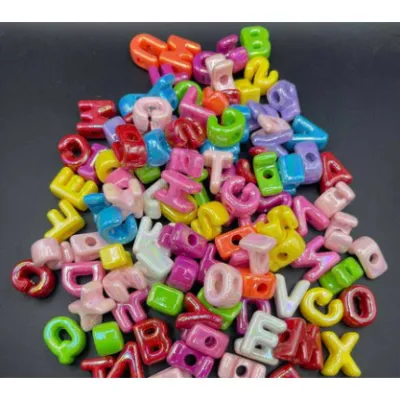
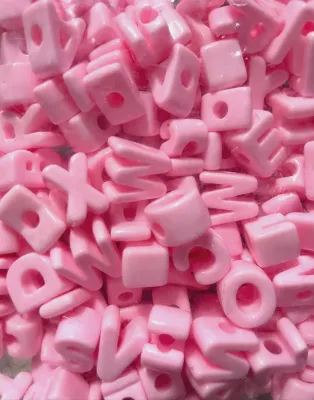
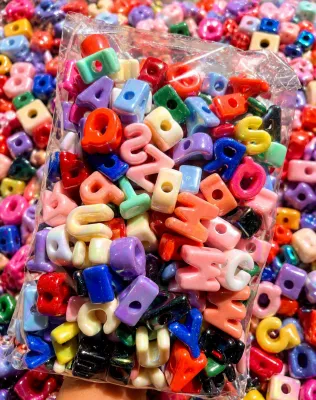
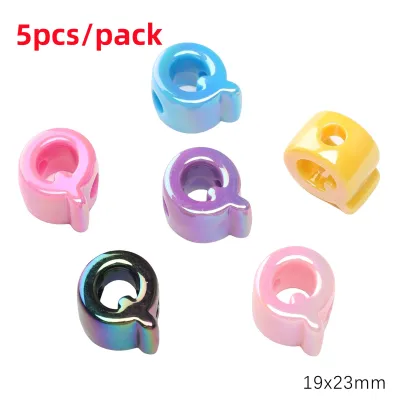
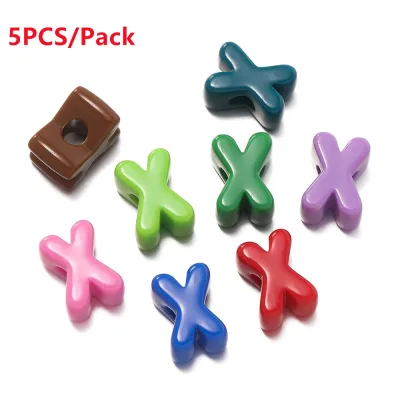
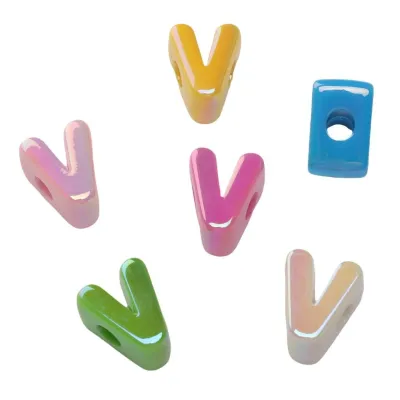
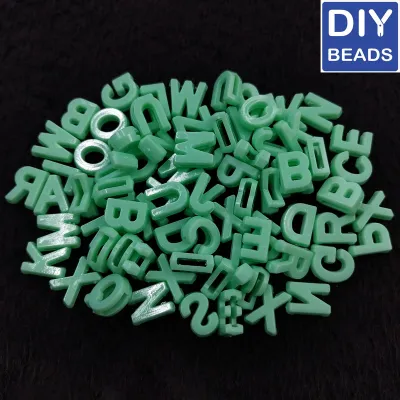
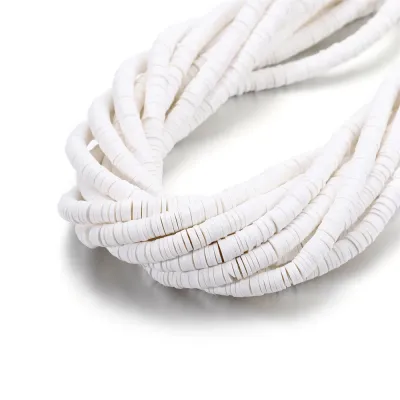
Prices are valid at publication and may change. Please refer to the product page for the latest price.
Resin beads sit between acrylic and wood in terms of weight and offer a distinct, glossy depth. They are cast from liquid polymer, allowing for unique inclusions like glitter, dried flowers, or multi-colored layers. When evaluating resin, it is crucial to check the product specifications, as some sellers use “resin” as a marketing term for standard molded plastics. True resin beads should feel slightly denser than acrylic and have a smooth, hand-polished finish.
When shopping on an online marketplace, product descriptions can sometimes be ambiguous. Terms like “resin-style” or “acrylic-touch” often mask cheaper, brittle plastics. To verify what you are buying, look closely at the product weight specifications and customer upload photos. High-quality acrylic beads have a seamless finish with minimal mold lines, whereas cheap alternatives often show a prominent ridge around the center where the two halves of the mold met.
Choosing the Right Material for Your Specific Project
When designing jewelry for daily wear in warm, humid climates like the Philippines, durability is a primary concern. Sweat, sunscreen, and humidity can quickly degrade sensitive materials. Acrylic is highly resilient against moisture and oils, making it an excellent choice for everyday bracelets, phone charms, and children’s crafts.

Because jewelry sits directly against the skin, material safety and comfort are paramount. In tropical climates where sweat is inevitable, low-quality metal-plated beads or poorly sealed painted beads can cause skin irritation. Acrylic and high-quality cured resin are naturally inert, making them excellent choices for sensitive skin. If you prefer wood, ensure it is finished with a non-toxic, hypoallergenic sealant to prevent sweat from drawing out natural wood oils that might irritate the skin.
For statement necklaces or heavy accessories, weight distribution is key to wearer comfort. While a large wooden bead layout remains comfortably light around the neck, a similar design made entirely of dense resin might feel heavy over a long day. Wood is also ideal for rustic, bohemian, or earth-toned designs, though untreated wood should be kept away from water to prevent swelling.
If your project aims for a playful, modern, or highly customized look, resin or acrylic is usually the best fit. Resin beads work beautifully for personalized gifts and statement keychains where a premium, glass-like appearance is desired. For high-contact items like keychains that get tossed into bags, acrylic’s scratch-resistance and shatter-proof nature offer excellent longevity.
Sizing, Hole Compatibility, and Stringing Checks
Before purchasing your chunky letter beads, always verify the hole diameter against your intended stringing material. Chunky beads often require thicker cords, such as 1mm elastic garter, leather strips, or waxed cotton cords, to look visually balanced. If the bead hole is too small, forcing a thick cord through can damage both the bead and the string.
Conversely, if the bead hole is too large for a thin beading wire, the letters may sag, twist, or overlap awkwardly. You can check the visual balance by laying out your beads next to a ruler before stringing. If necessary, use smaller spacer beads on either side of the chunky letters to keep them centered and upright.
To perform a simple compatibility check, cut a small piece of your intended stringing material and try threading it through a sample bead. The bead should slide smoothly without snagging. If you are using elastic garter, stretch the cord slightly while threading; elastic narrows when stretched, which can help it pass through tighter holes.
Inspect the inside of the bead holes for manufacturing defects before assembly. Molded acrylic and cast resin beads can sometimes have sharp plastic flashing inside the channel, while wooden beads may have rough splinters. These imperfections can easily fray or cut through elastic cords over time, leading to broken jewelry. Running a bead reamer or a thick needle through the hole beforehand is a reliable way to clear out debris.
Caring for and Maintaining Your Finished Jewelry
Proper maintenance keeps your handmade jewelry looking vibrant and structurally sound. For acrylic and resin pieces, clean them gently using a soft, damp microfiber cloth. Avoid rubbing alcohol, acetone, or harsh household cleaners, as these solvents can strip away painted letters or cause the plastic to develop micro-cracks and cloudiness.
Wooden beads require extra care, especially in humid environments. Never submerge wooden jewelry in water or wear it while swimming or bathing. If the wood is untreated, a light coat of food-safe mineral oil can help preserve its luster and prevent warping. If a wooden bead becomes waterlogged, let it air-dry completely in a well-ventilated area away from direct heat.
In regions with high relative humidity, storing your jewelry properly is just as important as cleaning it. Excess moisture can cause the elastic cords inside your bracelets to degrade and lose their stretch faster. It can also cause wooden beads to swell, warp, or even develop mold if kept in airtight plastic bags without ventilation. A great solution is to store your handmade jewelry in a fabric-lined jewelry box alongside a small packet of silica gel to absorb excess moisture.
Store your finished pieces in a cool, dry place out of direct sunlight. Prolonged exposure to UV rays can cause resin to yellow and acrylic colors to fade. If you notice a bead developing deep cracks or losing its structural integrity, replace it promptly to prevent the entire strand from breaking.
Frequently Asked Questions (FAQ)
Can I paint or customize wooden chunky letter beads?
Yes, you can customize wooden beads, but you must first check if they have a pre-applied sealant or varnish. Raw, unfinished wood beads absorb acrylic paint, wood stains, and paint markers exceptionally well. If the beads are already sealed, you will need to lightly sand the surface first to help the new paint adhere. Always apply a clear, non-toxic topcoat after painting to protect your custom design from sweat and friction.
How do I prevent acrylic letters from fading or yellowing?
To prevent fading and yellowing, store your acrylic jewelry in an opaque jewelry box or a dark drawer when not in use. Avoid leaving your accessories on sunny windowsills or dashboard mounts. While some high-quality acrylics feature UV-resistant additives, most standard crafting beads do not. Checking the manufacturer’s product details for UV stability can help you select more durable beads for outdoor wear.
Community discussion
Share your experience or ask a question. Comments are reviewed before publication.