
Choosing the right clay beads for jewelry making depends on matching the material’s physical properties—such as curing method, weight, and durability—to your crafting tools and the intended wear of the finished piece. Polymer clay offers vibrant colors and flexibility for detailed designs, air-dry clay provides an accessible entry point without specialized heating, and ceramic clay delivers classic, heavy-duty elegance but requires high-temperature kiln firing. By understanding how these materials behave under tropical humidity and daily wear, you can select the ideal medium for your next creative project.
Whether you are designing lightweight statement earrings for a weekend market or crafting a durable beaded bracelet for daily wear, the type of clay you select dictates your entire workflow. Each material demands specific preparation, handling, and finishing techniques to ensure the final jewelry piece remains structurally sound. Selecting the wrong type can lead to brittle beads, faded colors, or jewelry that degrades when exposed to moisture and skin oils.
Understanding the Main Types of Clay Beads
Polymer clay is a synthetic modeling material composed of polyvinyl chloride (PVC) resin and liquid plasticizers. It remains soft and pliable at room temperature until it is baked in a standard home oven or toaster oven. During the baking process, the plastic particles fuse together, resulting in a lightweight, slightly flexible, and highly durable bead. This material is exceptionally popular for jewelry making because it allows for intricate color blending, millefiori cane techniques, and detailed surface textures without requiring specialized industrial equipment.
Products mentioned in this guide
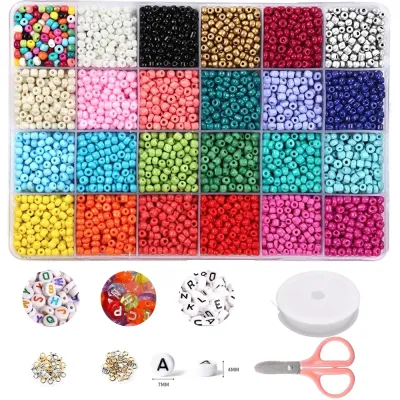
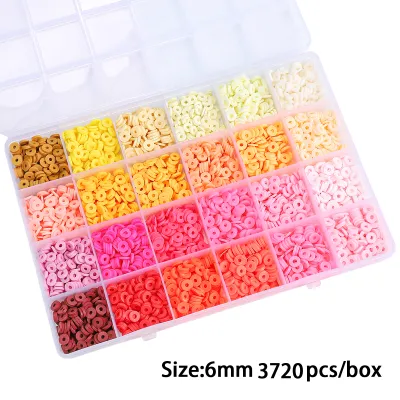
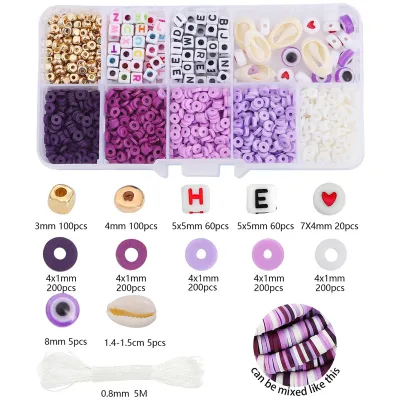
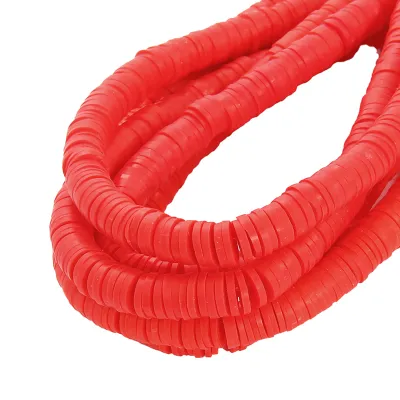
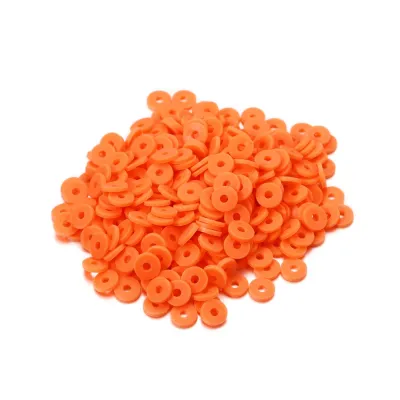
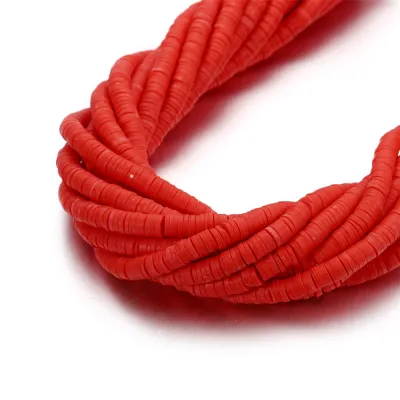
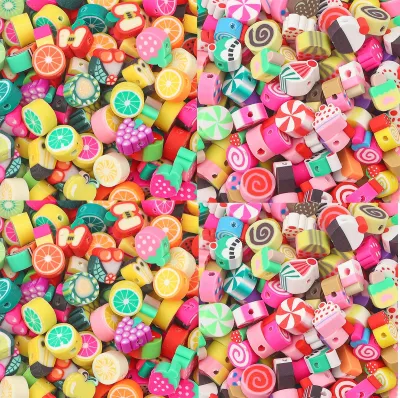
Prices are valid at publication and may change. Please refer to the product page for the latest price.
Air-dry clay is an alternative formulation that hardens through the evaporation of water rather than heat exposure. It is typically composed of natural clays, paper pulp, or synthetic fibers mixed with organic binders. Because it cures at ambient room temperature, it is highly accessible for casual crafters and home environments where ovens are unavailable or unsafe to use. However, as the water content evaporates, air-dry clay beads experience noticeable shrinkage and can become highly porous, meaning they require thorough surface sealing to survive humid environments.
Ceramic or pottery clay represents the traditional, earth-derived medium used by studio potters and professional artisans. These clays consist of natural mineral bodies that must be fired in a specialized high-temperature kiln, often reaching temperatures between 1,000°C and 1,300°C. The firing process vitrifies the clay, turning it into a stone-like substance that is incredibly hard, scratch-resistant, and chemically stable. Ceramic beads possess a distinct weight and premium feel, but they require a multi-step process including bisque firing, glaze application, and a second glaze firing.
Matching Clay Types to Your Skill Level and Tools
For beginners and young crafters, air-dry clay serves as an excellent starting point because it requires minimal specialized equipment. You do not need a dedicated oven, precise temperature monitoring, or advanced ventilation setups to work with this material. You can shape the beads on a clean silicone mat, pierce them with a simple toothpick, and leave them to dry on a parchment-lined tray. The primary trade-off is time, as thick beads can take up to 48 hours to dry completely in humid tropical climates, and the finished beads remain susceptible to water damage if not sealed properly.

Intermediate crafters often gravitate toward polymer clay, which offers a balance of professional results and manageable home setups. Working with polymer clay requires a dedicated baking oven—ideally a small toaster oven used exclusively for crafts—and a reliable oven thermometer to verify that temperatures do not exceed the manufacturer’s specifications. Because overheating polymer clay can release irritating fumes, working in a well-ventilated room or near an open window is essential. Once baked and cooled, polymer clay beads are immediately ready for assembly, eliminating the long waiting times associated with air-dry alternatives.
Advanced jewelry makers and professional ceramicists choose earth clays due to the structural superiority of kiln-fired ceramic. This path requires a significant investment in specialized equipment, including a pottery kiln, kiln shelves, and high-temperature glazes. Because home ovens cannot reach the vitrification temperatures of natural clay, you must either own a kiln or rent kiln space at a local pottery studio. The process is highly time-consuming, requiring several days of slow air-drying to prevent explosions in the kiln, followed by multiple firing cycles that can take up to 24 hours each.
Evaluating Project Requirements and Bead Performance
The physical weight of your finished jewelry is a critical factor when selecting a clay type. Polymer clay is remarkably lightweight, making it the ideal choice for oversized statement earrings, multi-layered necklaces, and delicate hair accessories that must not pull or sag. A large, chunky polymer bead weighs only a fraction of its ceramic counterpart, ensuring comfort during prolonged wear. In contrast, ceramic beads carry a satisfying, substantial weight that works beautifully for heavy bracelets, mala beads, and structural focal points in necklaces.
Durability expectations must also align with how the jewelry will be worn and stored. Polymer clay beads possess a slight natural flexibility after curing, which allows them to absorb impacts without shattering if dropped on hard tile floors. Ceramic beads are exceptionally hard and scratch-resistant, but their rigid crystalline structure makes them prone to chipping or cracking if subjected to sharp impacts. Air-dry clay beads are the most fragile of the three, making them unsuitable for high-friction jewelry like everyday rings or tight bracelets, though they perform adequately for occasional-wear brooches or pendants.
Protecting the finished surface of your beads is vital for maintaining their appearance over time, especially when exposed to skin contact, sweat, and environmental humidity. Unsealed air-dry clay will soften and dissolve if exposed to heavy moisture, meaning you must apply a high-quality, water-resistant varnish or acrylic sealer. Polymer clay is naturally water-resistant once baked, but any surface treatments like metallic powders, acrylic paints, or gold leaf must be protected with a compatible water-based glaze. Always check manufacturer labels to ensure your chosen sealant does not react chemically with the clay, as some solvent-based varnishes can turn polymer clay permanently sticky.
Sizing, Shaping, and Hardware Compatibility
Planning the dimensions of your beads and their stringing holes must occur before the hardening process begins. For polymer and air-dry clays, you must pierce the bead holes while the material is still soft and pliable. Use a bead piercing needle or a fine drill bit, ensuring the hole is slightly larger than your intended stringing material, such as elastic cord, nylon thread, or metal headpins. Attempting to drill holes into cured polymer clay is possible but risks cracking the bead, while drilling unfired ceramic beads is highly difficult and often results in crumbling.
Material shrinkage is a critical variable that can disrupt your hardware compatibility if left unplanned. Air-dry clay and natural ceramic clay shrink significantly as they lose water content during the drying and firing phases, with shrinkage rates often ranging from 5% to 15% depending on the specific clay body. To achieve precise bead dimensions, you must calculate this shrinkage beforehand by measuring a wet test bead and comparing it to its fully cured state. Polymer clay experiences negligible shrinkage (usually less than 1%), making it much easier to match with precise jewelry findings right out of the package.
Finally, verify that your finished bead proportions align with your structural jewelry hardware. Heavy ceramic beads require robust jump rings, thick headpins, and secure clasps to prevent the weight of the piece from stretching or breaking the assembly. Lightweight polymer beads can be paired with delicate, thin-gauge wire and standard fishhook ear wires without structural concern. Always test the fit of your stringing material through the bead holes before committing to a large production run, ensuring a smooth, professional finish that resists wear.
Frequently Asked Questions (FAQ)
Can you mix different types of clay in a single jewelry piece?
Mixing different clay types within a single raw bead is highly discouraged due to incompatible curing mechanisms. Polymer clay requires low-temperature baking, air-dry clay cures via water evaporation at room temperature, and ceramic clay requires extreme kiln heat. Attempting to bake air-dry clay can cause it to burn or crack, while putting polymer clay in a ceramic kiln will completely destroy the material and release toxic fumes. If you want to combine these materials, cure each bead type separately according to its specific manufacturer instructions, and then assemble them using jewelry wire, jump rings, or strong jewelry adhesives.
How do you prevent clay beads from cracking during drying or baking?
Cracking is usually caused by uneven moisture loss, trapped air pockets, or incorrect temperature control. When shaping your beads, knead the clay thoroughly to eliminate air bubbles and ensure a consistent thickness throughout the bead body. For air-dry clay, slow down the drying process in highly dry or air-conditioned rooms by placing a damp cloth or a loose plastic cover over the beads. For polymer clay, always use an independent oven thermometer to verify your oven’s actual temperature, as built-in dials are often inaccurate and can cause localized overheating that leads to surface fractures.
Are clay beads waterproof for everyday jewelry wear?
The baseline water resistance of clay beads varies dramatically by material type. Kiln-fired ceramic beads with a vitrified glaze are completely waterproof and unaffected by water, sweat, or cosmetics. Polymer clay beads are highly water-resistant and will not dissolve, but prolonged exposure to moisture can sometimes cause a temporary cloudy appearance on certain finishes. Air-dry clay beads are highly porous and will absorb water, leading to structural softening and mold growth if they are not sealed with a dedicated, water-resistant varnish. Regardless of the clay type, it is best to remove handmade clay jewelry before swimming, bathing, or engaging in heavy exercise to preserve the integrity of both the beads and the metal findings.
Community discussion
Share your experience or ask a question. Comments are reviewed before publication.