
Quick Answer: Positioning Emmy Acrylic Markers
Choosing an emmy acrylic marker set in the Philippines involves weighing budget-friendly accessibility against the specialized features of premium art brands. Because individual artistic demands and surface materials vary widely, declaring a single universal winner is impossible without hands-on, side-by-side testing on your specific medium. Instead, artists must look closely at the physical specifications of each set—such as nib construction, pigment opacity, and surface compatibility—to determine which tool fits their workflow.
While entry-level or budget-conscious sets like Emmy offer an accessible entry point for casual crafting, they often differ from high-end alternatives in their internal ink delivery systems, refillability, and the availability of highly specialized color palettes. By understanding these differences, you can select a marker set that delivers the right balance of performance and value for your creative projects.
Core Criteria for Comparing Acrylic Marker Brands
To make an informed decision, you must first understand the core technical criteria that dictate how any acrylic marker performs. The first point of comparison is the nib type. Acrylic markers typically feature bullet, chisel, or brush tips. Bullet tips are excellent for clean outlines and consistent line weights, making them a staple in standard sets. Chisel tips allow for both broad strokes and sharp edges, which is ideal for hand lettering or filling larger shapes. Brush tips, which are highly sought after by illustrators, offer dynamic line variation based on hand pressure but require durable, flexible fibers that do not fray easily under repeated use on rough surfaces.
Products mentioned in this guide
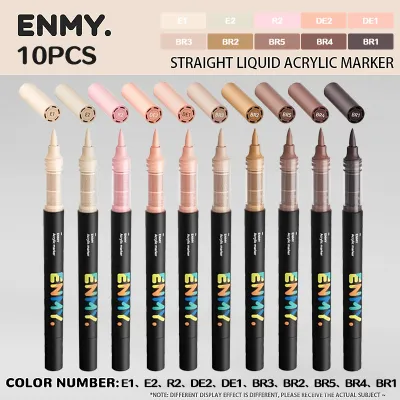
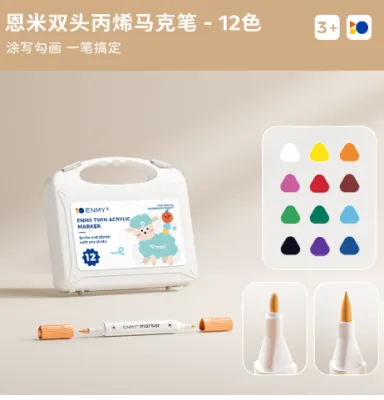
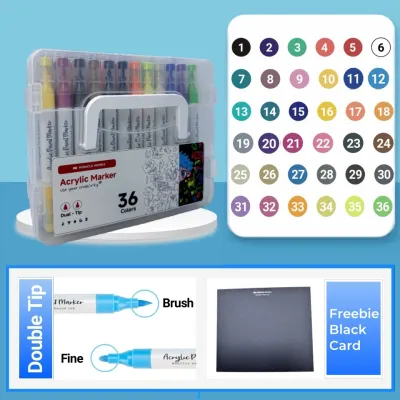
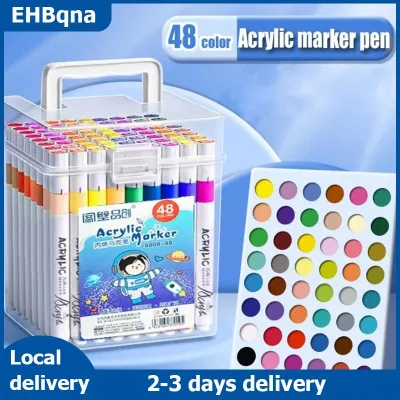
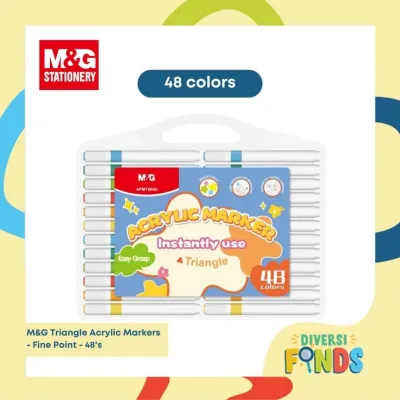
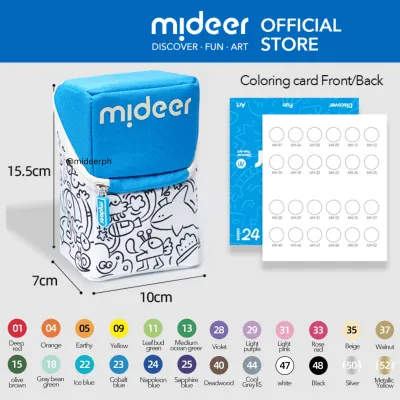
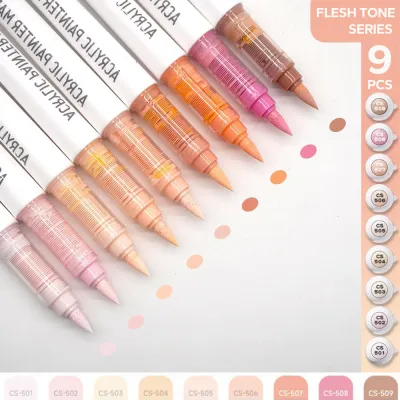
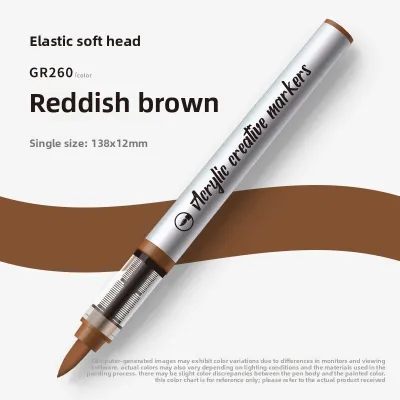
Prices are valid at publication and may change. Please refer to the product page for the latest price.

Next, evaluate the ink finish and opacity. High-quality acrylic paint markers should dry to a consistent finish—whether matte, gloss, or metallic—without leaving streaky lines. Opacity is particularly critical when working on dark or patterned backgrounds. Premium pigments cover underlying colors in a single pass, whereas lower-pigment inks may require multiple layers, which can lead to paper warping or a thick, uneven texture on non-porous surfaces.
Color range and selection also play a major role in your purchasing decision. Some brands focus on providing a broad spectrum of basic primary and secondary colors, which is perfect for beginners learning to layer. Other brands offer specialized sets featuring pastel, skin tone, or metallic selections. When comparing sets, look at whether the collection includes essential mixing shades like true white and deep black, as these are often consumed much faster than other colors.
Finally, pay close attention to the manufacturer’s surface compatibility claims. While acrylic paint is inherently versatile, the formulation of the binder in the marker dictates how well it adheres to challenging surfaces like smooth glass, glazed ceramics, polished plastics, or raw wood. Always check the packaging to see if the markers are rated for the specific material of your project, as some formulations are strictly optimized for porous media like canvas and paper.
Verifying Specifications: Emmy vs. Competing Sets
When comparing an emmy acrylic marker set to other options on the market, you can learn a great deal simply by reading the product labels and technical specifications. One of the most critical mechanical differences to verify is the ink delivery system. Many professional-grade markers utilize a valve-action mechanism, which requires you to shake the marker and press the nib down to prime the flow of paint. This system keeps the ink fresh and allows for a heavy pigment load. In contrast, simpler markers may use a capillary or felt-tip saturation system, where the ink flows continuously without priming. While capillary markers are convenient and ready to use instantly, they often carry thinner, less opaque ink to prevent the tip from clogging.
You should also look for indications of pigment quality and lightfastness. Lightfastness refers to how well the ink resists fading when exposed to sunlight over time. Professional brands often print a lightfastness rating (such as the ASTM standard) directly on the marker barrel or packaging. If a budget-friendly set does not list these ratings, it is safer to assume the ink is intended for indoor projects, sketchbooks, or temporary displays rather than archival fine art.
Another key factor is whether the markers are designed for long-term sustainability. Check if the brand offers replaceable nibs or refillable ink reservoirs. High-end markers often allow you to swap out a worn-down nib or purchase ink refills, which reduces waste and lowers the long-term cost of ownership. Single-use markers, while cheaper upfront, must be discarded entirely once the ink runs dry or the tip becomes damaged.
Do not overlook the physical build quality of the marker itself. Examine the barrel grip ergonomics, especially if you plan to work on long art sessions. More importantly, inspect the cap sealing mechanism. In the warm, humid climate of the Philippines, a loose or poorly designed cap can cause the water-based solvent in the acrylic ink to evaporate rapidly, rendering the marker useless long before the paint is fully spent. Look for caps that click firmly into place or feature internal seals to preserve the ink.
Decision Framework: Matching Markers to Your Art Projects
Choosing the right acrylic marker set is ultimately a matter of matching the tool’s specifications to the demands of your specific art projects. An emmy acrylic marker set is highly suitable if your primary goals are casual crafting, journaling, or working on standard paper and canvas projects where budget efficiency is a priority. If the color count, nib style, and stated surface compatibility of the Emmy set align with your immediate creative needs, it offers a practical way to build your collection without a significant financial investment.
On the other hand, you should consider investing in premium alternative brands if your work demands verified archival quality. If you are creating fine art pieces for sale, outdoor murals, or custom merchandise that will be exposed to direct sunlight and frequent handling, you will benefit from markers that offer certified lightfastness, highly durable specialized nibs, and refillable systems.
Regardless of the brand you choose, working on non-porous or outdoor surfaces requires careful preparation. Before starting your project, verify the manufacturer’s instructions regarding curing times and sealing requirements. For example, designs on glass or ceramic may require heat-curing in a home oven, while outdoor wood or plastic projects will almost certainly require a compatible clear acrylic sealant to protect the artwork from tropical rain and high humidity.
Purchasing in the Philippines and Unboxing Checks
When shopping for acrylic markers in the Philippines, sourcing your art supplies from reputable channels is essential to ensure you receive genuine, high-quality products. While online marketplaces and e-commerce platforms offer unmatched convenience and competitive pricing, they also carry a risk of counterfeit goods, expired stock, or items that have been stored in hot, humid warehouses. Whenever possible, purchase from authorized stationery retailers or official brand storefronts. This ensures that the markers have been kept in temperature-controlled environments, preserving the chemical integrity of the acrylic binder.
Once your marker set arrives, perform immediate quality checks before starting your artwork. Shake each marker thoroughly and test the valve mechanism if applicable. Check for signs of dried-out nibs, separated pigment, or leaking barrels. In our tropical climate, extreme heat during transit can sometimes cause pressure build-up inside the marker, so open the caps carefully for the first time to avoid accidental splattering.
To verify the performance of your new tools, conduct a simple trial on a piece of scrap material that matches your final project surface. Observe how smoothly the ink flows, how quickly it dries, and whether it bleeds through paper or beads up on smooth surfaces. This step allows you to adjust your technique before committing to your main canvas.
Finally, weigh the overall value by comparing the price point in ₱ against the total color count, nib quality, and overall performance during your test run. A budget-friendly set that performs reliably on your chosen medium represents excellent value, while a premium set is a justified investment if you require specialized features for professional work.
Frequently Asked Questions (FAQ)
How can I prevent acrylic markers from drying out between uses?
To maximize the lifespan of your acrylic markers, always store them horizontally when not in use. This position keeps the ink evenly distributed throughout the barrel, preventing the pigment from settling at the bottom or completely drying out the nib. Always press the cap down firmly until you hear a distinct click, ensuring an airtight seal that prevents the water-based solvent from evaporating. If a marker has been idle for a long time and the nib seems dry, consult the manufacturer’s instructions for safe priming techniques, which usually involve gentle shaking and pressing the tip on a scrap surface to draw fresh ink down.
Are acrylic markers permanent on all surfaces?
The permanence of acrylic marker ink depends heavily on the porosity of the surface and how well it is prepared. On porous materials like raw wood, paper, and canvas, the acrylic binder sinks into the fibers, making the design highly permanent once dry. On non-porous surfaces like glass, glazed ceramics, metal, or plastic, the ink sits on top of the material and can be scratched or washed away relatively easily. Always check the manufacturer’s label for specific water-resistance claims, and apply a compatible clear polyurethane or acrylic sealant to protect your finished work from wear, handling, and environmental moisture.
Community discussion
Share your experience or ask a question. Comments are reviewed before publication.