
Choosing the right pencil grade depends heavily on how you intend to use it, as the balance between graphite and clay determines how smoothly the lead glides and how dark the line appears on paper. In the Maped pencil lineup, HB, 2B, and 4B represent distinct points along this hardness scale, each tailored to specific tasks. While an HB pencil offers a firm, light-gray line that resists smudging, moving up to a 2B or 4B pencil introduces a softer core that delivers richer, darker marks with significantly less hand pressure.
Understanding these differences helps you select the appropriate tool for schoolwork, professional drafting, or artistic sketching. In tropical climates like the Philippines, where high humidity can soften paper fibers and affect how graphite adheres to the page, choosing the correct grade becomes even more critical for maintaining clean, legible work. By comparing how these three grades perform in terms of smoothness, darkness, wear, and erasability, you can find a suitable match for your writing style and paper choices.
Understanding the Graphite Grading Scale
The performance of any pencil core relies on a precise mixture of two primary raw materials: graphite and clay. Graphite is a naturally slick, dark crystalline form of carbon that provides the smooth glide and dark pigmentation on the page. Clay, on the other hand, acts as a binding agent that gives the lead its structural strength, hardness, and shape retention. By adjusting the ratio of these two components during manufacturing, producers create the familiar grading scale that ranges from hard, light leads to soft, dark ones.
Products mentioned in this guide
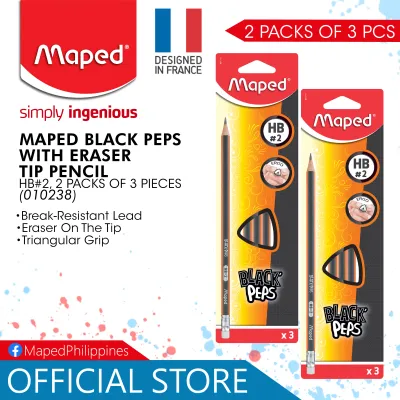
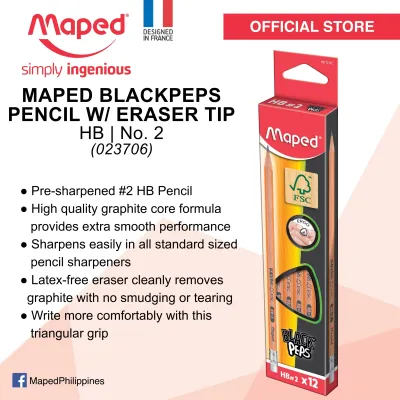
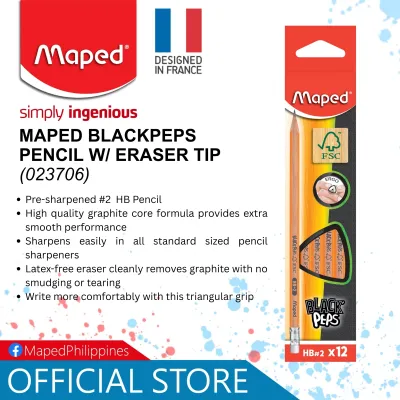
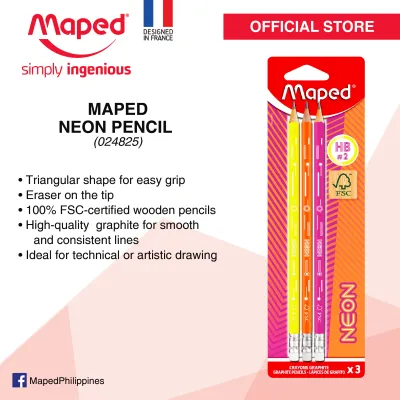
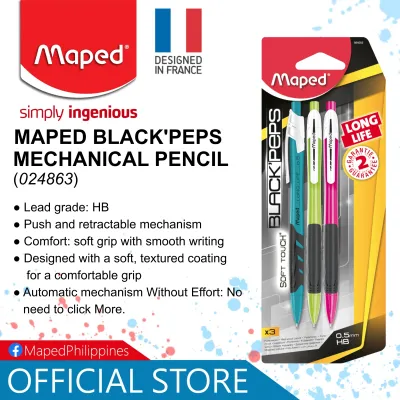
Prices are valid at publication and may change. Please refer to the product page for the latest price.
The letter “H” stands for hardness, indicating a higher proportion of clay, while the letter “B” stands for blackness, signaling a higher concentration of graphite. An HB pencil sits directly in the middle of this spectrum, offering a balanced blend of durability and darkness that serves as the standard baseline for everyday writing. As you move to 2B, the clay content decreases while the graphite content increases, resulting in a softer core that leaves a darker mark.
At the far end of this common trio lies the 4B pencil, which contains a significantly higher ratio of graphite to clay. This composition makes the lead exceptionally soft and capable of producing deep, velvety black lines with minimal effort. However, because the scale is a general industry standard rather than an absolute physical constant, the exact feel and performance can vary slightly depending on the brand’s specific manufacturing processes and the texture of the paper you use.
Comparing Smoothness, Darkness, and Wear
When you put a Maped HB pencil to paper, you will immediately notice a moderate level of friction. This resistance is a direct result of the higher clay content, which keeps the lead firm and prevents it from wearing down quickly. The line produced is a medium gray tone that is highly legible and consistent, making it highly suitable for taking detailed notes, filling out forms, or writing in tight spaces where precision is required. The tip retains its sharp point for a relatively long time, reducing the frequency of sharpening during long writing sessions.

Switching to a 2B pencil offers a noticeably smoother writing experience, as the softer lead glides across the paper with much less drag. The lines are visibly darker and bolder, which many users find reduces hand fatigue because you do not need to press down as hard to make a clear mark. However, this increased smoothness comes with a trade-off in durability; the softer tip blunts more quickly than an HB, requiring more frequent trips to the sharpener to maintain a fine writing point.
The 4B pencil represents a dramatic shift toward softness and darkness, delivering a very rich, deep black line with almost no downward pressure. The writing sensation is incredibly plush, feeling almost like writing with a crayon or a soft charcoal stick as the lead deposits a thick layer of graphite onto the page. Because the core is so soft, the tip wears down rapidly, making it less practical for standard handwriting and far better suited for shading, bold sketching, or highlighting specific areas of a drawing.
It is important to remember that the texture or “tooth” of your paper plays a major role in how these grades feel and perform. Rough, textured paper will shave off graphite more quickly, making all three grades wear down faster and appear darker than they would on smooth, coated paper. In humid environments, paper can absorb moisture from the air, which can increase friction and make softer leads like 2B and 4B feel slightly more resistant or prone to clumping on the page.
Erasability and Smudge Resistance
The ease with which you can clean up mistakes or keep your pages pristine is directly linked to the hardness of the pencil lead. Harder leads like HB deposit less graphite onto the paper fibers, and the particles do not penetrate as deeply into the page. This makes HB marks highly erasable, allowing a standard eraser to lift the graphite cleanly without leaving dark shadows or ghost images behind. Additionally, because the graphite layer is thin and firm, it resists smudging when your hand brushes across the page.
Softer leads like 2B and 4B present a greater challenge when it comes to maintaining a clean document. Because these pencils deposit a larger volume of loose, soft graphite particles, the marks are much easier to smear accidentally. Left-handed writers, in particular, may find that their hand drags the graphite across the page as they write from left to right, leaving dark streaks on both their skin and the paper.
Erasing a 2B or 4B mark requires more care and a high-quality, soft vinyl or dust-free eraser. A cheap or hardened eraser is likely to smear the loose graphite around, creating a gray haze over the paper rather than lifting it cleanly. When working with 4B pencils for sketching or shading, using a kneaded eraser is often necessary to lift the heavy graphite deposits without damaging the paper surface or spreading the smudge.
How to Choose the Right Grade for Your Task
Selecting the right pencil grade is a matter of matching the physical properties of the lead to your specific daily activities. If your primary goal is general writing, such as taking notes in school, drafting reports, or keeping a daily planner, the HB grade is generally the most practical choice. Its balance of durability, smudge resistance, and clean erasability ensures that your pages remain neat and legible, even when writing quickly or handling the paper frequently.
For those who find the HB grade too light or scratchy, the 2B pencil offers a practical alternative that bridges the gap between writing and drawing. It is highly favored by students and professionals who enjoy a smoother, more expressive writing flow and do not mind sharpening their pencils slightly more often. The darker line of a 2B is also easier to read under dim lighting, making it a popular choice for journaling or creative writing.
The 4B pencil should generally be reserved for artistic endeavors, sketching, or specialized drafting tasks where deep shadows and rich textures are required. Its rapid wear rate and high smudge potential make it frustrating for continuous text, but invaluable for blending, shading, and creating bold visual contrast. If you are purchasing pencils for standardized exams that use optical mark recognition (OMR) sheets, always verify the specific instructions provided by the testing authority, as scanner calibrations can vary.
Practical Testing and Verification Tips
Because paper quality, humidity, and personal hand pressure vary so widely, the most direct way to evaluate these pencil grades is through simple, hands-on testing. Before purchasing pencils in bulk for the school year or an art project, buy a single pencil of each grade and test them on the exact paper stock you plan to use. Draw a series of continuous loops, tight zig-zags, and straight lines to feel the level of friction and observe how quickly the tip loses its sharpness.
To test smudge resistance, draw a thick line with each grade and immediately run your finger across it with moderate pressure to see how much graphite transfers. You can also test erasability by using your preferred eraser on each line, checking to see if any dark residue or paper tearing occurs. Finally, inspect the physical construction of the pencil by looking at the wood casing and ensuring the graphite core is well-centered, as an off-center lead will break repeatedly during sharpening regardless of the grade.
Frequently Asked Questions (FAQ)
Is a 2B Maped pencil better for standardized tests than HB?
While many modern optical mark recognition (OMR) scanners are sensitive enough to read both HB and 2B marks, exam guidelines often specify a particular grade. Some testing centers strictly mandate HB pencils because the lighter, firmer lead is less likely to smudge and cause reading errors as the sheets are stacked and fed through the machine. Always check your specific exam instructions beforehand, as using a softer 2B pencil could lead to accidental smudges that the scanner might misinterpret.
Why does my 4B pencil break so easily when I sharpen it?
The high graphite content in a 4B pencil makes the core inherently soft and structurally delicate compared to harder grades. This softness means the lead cannot withstand the same twisting force or lateral pressure during sharpening, causing it to snap easily inside the sharpener. To prevent this, use a sharp, high-quality manual sharpener, hold the pencil straight, and apply gentle, even rotation rather than forcing the pencil into the blade.
Can I use HB, 2B, and 4B interchangeably for everyday writing?
While you can physically write with any of these grades, using them interchangeably for daily tasks is often impractical. A 4B pencil wears down so quickly that you would need to stop and sharpen it after writing only a few sentences, and the heavy graphite would easily smudge onto adjacent pages in a closed notebook. For standard writing, HB and 2B are the most practical choices, while 4B is primarily reserved for sketching and shading.
Community discussion
Share your experience or ask a question. Comments are reviewed before publication.