
To run a successful craft session in an art classroom, the ideal art supply set must provide a complete collection of stretchy base socks, high-tack non-toxic adhesives, vibrant fabric markers, and diverse embellishments like googly eyes and felt scraps. For teachers managing large groups, finding a kit that bundles these materials in uniform quantities is the key to preventing classroom chaos and ensuring every student can complete their project.
Selecting the right kit requires looking beyond simple toy boxes. A true classroom-ready set balances material quality, safety certifications, and portion control. Because performance factors like ink bleeding, adhesive drying speed, and bond strength depend heavily on how specific materials interact, choosing a well-matched set prevents the common pitfalls of falling eyes and messy, ruined puppets.
Essential Components of a Complete Sock Puppet Classroom Kit
A truly complete sock puppet set must contain several non-negotiable core materials to ensure a smooth crafting experience. The foundation of the project is the base sock itself, which must be lightweight, stretchy, and sized appropriately for children’s hands. Heavy wool or thick athletic socks are difficult for small fingers to manipulate and often resist adhesives. A high-quality kit typically provides lightweight cotton-blend socks that offer a smooth, flat-weave surface ideal for drawing and gluing.
Products mentioned in this guide
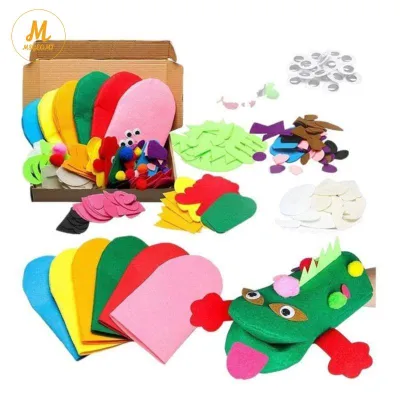
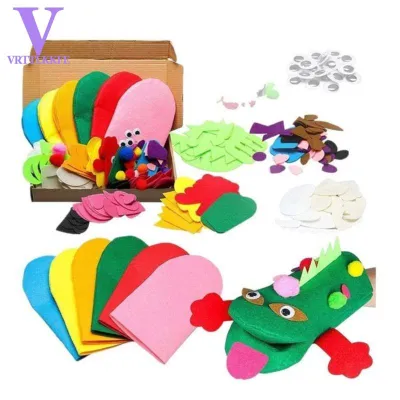
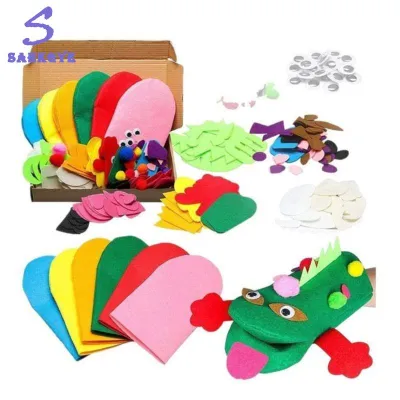
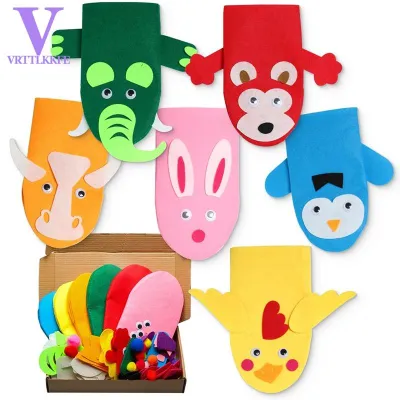
![[LF7L]Felt Sock Puppet Craft Set with Pompoms& Googly Eyes for Kids Hand Puppet Making Kit for DIY Storytelling Role Play](https://img.lazcdn.com/g/p/ec8b08cab4dc15c2a5dfc22f3ff1d9b4.jpg_400x400q80.jpg_.webp)
Prices are valid at publication and may change. Please refer to the product page for the latest price.
Adhesives are the next critical element. Standard school glue often fails to secure plastic googly eyes or heavy felt pieces to porous knit fabrics, leading to student frustration. Complete kits should include thick, fast-drying tacky glue or specialized fabric adhesive. Because drying speed and bond strength are determined by the exact combination of the adhesive and the sock’s fiber content, using the glue provided and tested within a unified kit ensures a reliable hold.
Decorative embellishments bring the characters to life. A comprehensive set includes assorted googly eyes, colorful felt sheets for ears and tongues, yarn for hair, and decorative buttons or sequins. For coloring, specialized fabric markers are highly superior to standard water-based school markers. Fabric markers feature highly pigmented, bleed-resistant ink that dries quickly on woven surfaces without spreading into blurry smudges, ensuring that students’ detailed designs remain sharp and recognizable.
There is a major structural difference between a retail “craft kit” and a dedicated “classroom kit.” Retail kits are designed for individual use, containing highly detailed, pre-sorted pieces for one or two puppets. While convenient for home use, they are cost-prohibitive for large groups. Classroom kits focus on bulk quantities, uniform material distribution, and minimal teacher preparation time. They provide identical materials in bulk, preventing classroom arguments over specific colors and allowing the teacher to distribute supplies rapidly.
Safety is paramount in school environments. All adhesives, markers, and paints in a classroom kit must carry recognized non-toxic certifications, such as the AP Non-Toxic seal or compliance with EN71 standards. Because googly eyes, buttons, and small decorative beads present inherent choking hazards, teachers must verify the age-appropriateness of the kit. For early childhood classrooms, sets that substitute plastic parts with self-adhesive felt shapes or fabric paint are highly recommended.
Best Types of Sock Puppet Supply Sets for Art Classes
All-in-One Pre-Packaged Sock Puppet Kits
All-in-one pre-packaged kits are designed for maximum convenience and zero teacher preparation. In these sets, each student receives an individually sealed bag containing one child-sized sock, a pre-measured selection of felt shapes, a set of googly eyes, and a small tube of non-toxic adhesive. This structure allows teachers to distribute materials in seconds, as there is no need to count out eyes or cut yarn before the lesson begins.

The primary advantage of this setup is the complete elimination of classroom distribution friction. Every student receives the exact same quantity and quality of materials, which prevents disputes and keeps the lesson moving on schedule. Furthermore, because the materials are sealed in individual bags, clean-up is exceptionally fast, and unused kits can be easily stored for future semesters without parts getting lost.
However, these kits carry notable limitations. They are generally the most expensive option on a per-student basis, with prices often ranging from ₱150 to ₱300 per puppet. Additionally, because the felt pieces are often pre-cut into specific shapes (such as ears, noses, or wings), these kits offer less creative flexibility. Students are often guided toward building a specific, pre-designed character rather than exploring their own imaginative designs.
Bulk Classroom Sock and Craft Bundles
Bulk classroom bundles are large, unportioned collections of raw materials designed to be managed and distributed by the teacher. A typical bundle includes a box of 30 plain white or multi-colored socks, a giant jar of non-toxic craft glue, a massive bag of assorted googly eyes, and several yards of felt sheets and yarn. This approach treats the sock puppet project as an open-ended creative exercise.
These bundles are highly cost-effective for schools and large art programs. By purchasing raw materials in bulk, the cost per student often drops to between ₱40 and ₱80. This format also encourages maximum creative freedom, as students are not restricted by pre-cut templates. They can cut, layer, and combine materials in unique ways, fostering deeper artistic expression and problem-solving during the design process.
The trade-off is the significant amount of preparation time required from the educator. Teachers must spend time before class cutting yarn into hair strands, portioning out bulk glue into small paper cups, and dividing felt sheets. Managing a bulk pile of loose materials during the lesson can also lead to a high-mess environment, requiring a structured cleanup routine at the end of the class period.
Core Component Mix-and-Match Sets
Core component mix-and-match sets focus on providing premium base socks and specialized decorative accessories while assuming the school already has basic supplies on hand. These sets might include high-quality socks with pre-sewn felt mouths or ribbed textures, along with specialty items like glitter felt, patterned fabrics, and oversized googly eyes, but they omit glues, scissors, and markers.
This option is ideal for advanced art classes, older students, or schools with well-stocked art supply rooms. By focusing the budget on high-quality structural components rather than basic consumables like glue and markers, students can create highly durable, performance-ready puppets suitable for classroom theater projects or oral presentations.
The hidden risk of this approach is the requirement for compatibility verification. Before purchasing a core component set, teachers must confirm that their existing classroom inventory contains compatible adhesives and tools. If the school’s current supply consists solely of standard washable white school glue, it may fail to bond the heavy, textured fabrics of a premium set, leading to structural failures during the crafting session.
Key Specifications and Safety Checks Before Buying
- Sock Size and Stretch: Always check the size specifications before ordering. Adult-sized socks are too long and loose for children's hands, causing the excess material to bunch up at the wrist and making it impossible for small fingers to operate the puppet's mouth. Look for sets labeled "youth," "child," or with a length specification of 15 to 20 centimeters. Ensure the fabric blend contains elastane or spandex to provide a snug, flexible fit.
- Adhesive Compatibility and Washability: The drying speed of craft glue is highly dependent on environmental humidity. In hot, humid tropical climates, standard water-based school glues can remain tacky for hours, leading to sliding parts and messy hands. Verify that the kit's adhesive is a fast-drying, non-toxic tacky glue or a specialized fabric glue. Always check the manufacturer's label to ensure the adhesive is compatible with both the plastic of the googly eyes and the synthetic fibers of the socks.
- Marker and Ink Properties: Because ink performance varies based on the fabric's weave and synthetic content, teachers should perform a quick trial on a hidden section of the sock before class. Ensure the included markers are labeled as fabric-safe and bleed-resistant to prevent designs from spreading into messy smudges. Additionally, confirm that the ink is non-toxic and easily washable from skin and school desks, as accidental markings are common during busy craft sessions.
- Choking Hazards and Small Parts: Googly eyes, buttons, and sequins are classic choking hazards for young children. For classrooms with students under the age of six, avoid kits with loose plastic components. Instead, select sets that utilize self-adhesive felt stickers, fabric paint, or pre-stitched features. Always check the manufacturer's age-grading label (such as "Ages 3+" or "Ages 6+") and ensure adequate adult supervision is planned for the activity.
Storing and Managing Puppet Supplies in Humid Climates
In humid, tropical environments, storing fabric and adhesive craft supplies requires careful planning to prevent waste. Cotton socks, yarn, and wool-blend felt sheets are highly hygroscopic, meaning they readily absorb moisture from the surrounding air. If left in a non-air-conditioned classroom cabinet, these materials can easily develop mold, mildew, and musty odors, rendering them unusable.
To protect your fabric supplies, store them in airtight plastic bins with secure rubber seals. Placing several food-safe silica gel desiccant packs inside the containers will absorb any trapped moisture and keep the fabrics dry and fresh. For large bulk bundles, keep the materials sealed in their original plastic packaging until the day of the lesson to minimize exposure to ambient humidity.
Liquid adhesives also require specific care in warm climates. High ambient temperatures can cause water-based glues to separate, spoil, or dry out inside the bottle nozzles. Keep all glue containers tightly sealed and store them in a cool, dark cabinet away from direct sunlight or hot exterior walls. Storing squeeze bottles upside down in a sturdy rack prevents air pockets from forming at the nozzle, which keeps the opening from clogging with dried glue.
Organizing small, loose items is essential for maintaining classroom order. Use clear, compartmentalized plastic storage boxes—similar to fishing tackle boxes or bead organizers—to sort googly eyes by size, felt pieces by color, and buttons by shape. This highly visible storage system allows teachers to quickly assess inventory levels before a project begins and makes material distribution fast and orderly during class.
Frequently Asked Questions (FAQ)
Can regular winter socks be used instead of specialized craft socks?
While regular socks can be used in a pinch, thick winter socks are generally too stiff and heavy for children’s small hands to manipulate comfortably. Their dense, looped textures also resist standard fabric adhesives and cause marker ink to bleed heavily. Lightweight, stretchy cotton-blend socks are highly recommended because they provide a flat, smooth surface that bonds easily with glue and accepts marker details cleanly.
What type of glue works best for attaching googly eyes to socks?
Fast-drying tacky glue or specialized fabric glue works best for securing plastic googly eyes to fabric. Standard white PVA school glue is too thin and runny; it lacks the initial tack needed to hold heavy plastic pieces in place on a vertical surface, often causing the eyes to slide off before drying. Tacky glue provides an immediate grip and cures into a flexible, permanent bond that withstands regular handling during puppet play.
Community discussion
Share your experience or ask a question. Comments are reviewed before publication.