
The best complete art tool sets for kids’ school craft projects must balance versatile coloring mediums, safe adhesives, and durable cutting tools in a portable, easy-to-clean format. For early elementary, safety and washability are paramount, while upper elementary students need precision tools and mixed-media capabilities. When selecting a kit for crafts for kids, parents must look beyond sheer color count and focus on structural durability, non-toxic formulations, and how well the tools withstand daily transport in a school backpack.
What Actually Belongs in a Complete School Craft Kit?
A common mistake when preparing for the school year is purchasing a massive coloring set and assuming it covers all craft requirements. Pure drawing sets, which typically contain only crayons, colored pencils, and markers, are designed for two-dimensional sketching. They lack the structural tools required for three-dimensional school projects, such as dioramas, science fair displays, and interactive posters. A true mixed-media craft kit must bridge this gap by providing tools that allow children to cut, join, shape, and paint various materials.
A functional school craft kit must contain three distinct categories of tools: coloring mediums, safe adhesives, and cutting instruments. Coloring tools should range from dry mediums like colored pencils to wet mediums like washable watercolors. Adhesives must include both quick-drying solid sticks for paper and liquid glues for heavier materials like cardboard or felt. Cutting tools must match the child’s developmental stage, transitioning from blunt plastic safety shears to fine-tipped metal scissors.
Products mentioned in this guide
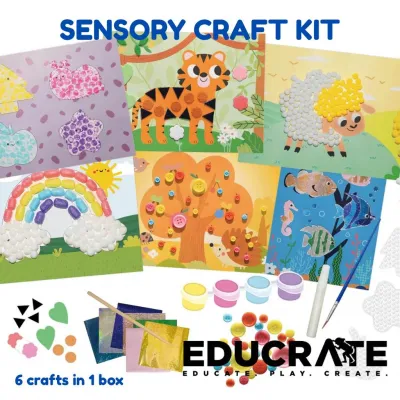
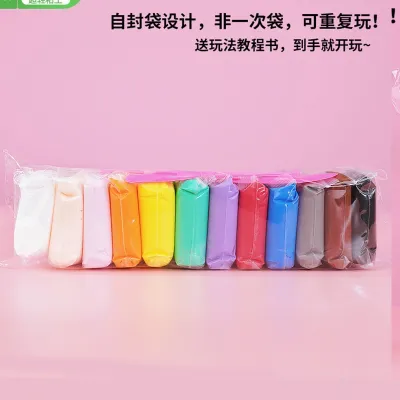
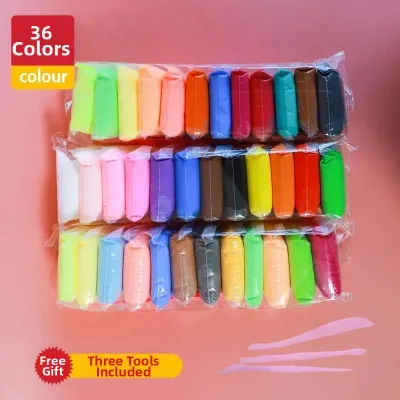
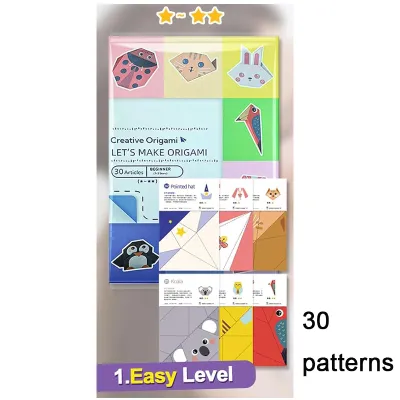
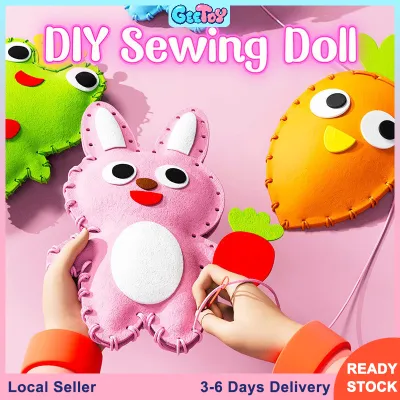
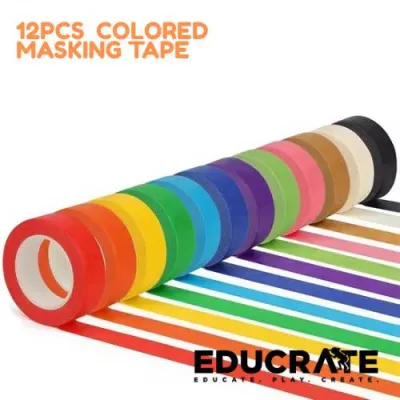
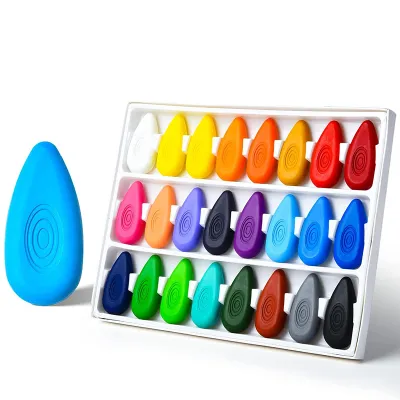
Prices are valid at publication and may change. Please refer to the product page for the latest price.
To ensure the kit remains useful past the first few weeks of school, parents must balance consumable materials with durable tools. Consumables—such as glue sticks, watercolor paper, and drawing sheets—deplete rapidly during peak project seasons like Buwan ng Wika or Nutrition Month. Durable tools, including ergonomic scissors, rulers, paintbrushes, and pencil sharpeners, should last the entire school year. A well-configured kit ensures that a child is never left stranded mid-project due to a sudden shortage of glue or a broken scissor handle.
Key Features to Check Before Buying a Kit for Crafts for Kids
Evaluating an art set requires looking past bright packaging and examining specific product standards. Because school crafts for kids involve prolonged physical contact with pigments, adhesives, and solvents, safety is the primary consideration. Parents should look for recognized non-toxic certifications on the packaging, such as the AP (Approved Product) seal from the Art and Creative Materials Institute (ACMI) or compliance with international safety standards like ASTM D-4236 and EN71. These labels guarantee that the materials do not contain harmful levels of toxic substances, making them safe for classroom environments where children might accidentally touch their faces or mouths during use.

Ergonomics and age-appropriateness are equally critical. For younger children, look for coloring tools with thick, triangular, or hexagonal barrels. These shapes prevent the pencils or markers from rolling off slanted school desks and naturally guide small hands into a proper writing grip, reducing muscle fatigue. Cutting tools must feature blunt tips and comfortable, cushioned finger loops that prevent blisters during extended crafting sessions.
Washability is a feature that directly impacts a family’s daily routine. Water-based, washable inks and paints are formulated to dissolve easily in water, allowing parents to clean accidental marks off white school uniforms, wooden desks, and skin without resorting to harsh chemical solvents. Before purchasing, verify that markers and paints are explicitly labeled as “washable” rather than just “water-safe” or “non-toxic,” as some pigment-rich paints can still leave permanent stains on synthetic fabrics.
Finally, assess the portability of the kit. The packaging must be rugged enough to withstand the daily commute, whether packed into a crowded school bag or carried during a bumpy ride on a jeepney or tricycle. Latches must snap shut securely, and internal compartments should hold each item tightly in place to prevent watercolor pans from cracking or liquid glue bottles from leaking under pressure. Complete pre-packaged kits typically fall into broad price bands, ranging from budget-friendly options under ₱300 to comprehensive, durable sets between ₱500 and ₱1,500.
Recommended Tool Configurations by Grade Level
Matching an art kit’s complexity to a child’s developmental stage is essential for preventing frustration. A kit that is too advanced can lead to accidental cuts or messy spills, while a kit that is too basic will limit an older child’s ability to complete detailed assignments. Parents can use the following checklists to audit pre-packaged commercial kits or to assemble a custom set tailored to their child’s specific school curriculum.
Early Elementary (Grades 1-3): The Foundational Craft Kit
In the early elementary years, school crafts focus heavily on developing fine motor skills, hand-eye coordination, and basic shape recognition. The ideal kit for this age group prioritizes high washability, simple physical mechanics, and maximum physical safety.
- Coloring Tools: Jumbo-sized wax crayons (which are harder to snap than thin crayons) and broad-line washable markers with sturdy, sink-resistant fiber tips that do not push in when pressed hard.
- Adhesives: Solid PVP (polyvinylpyrrolidone) glue sticks, preferably with a disappearing color formula (goes on purple, dries clear) so children can visually track where they have applied the adhesive.
- Cutting Tools: Blunt-tip safety scissors with plastic-covered blades that only cut paper, preventing accidental cuts to hair, skin, or clothing.
- Mediums: A pad of pre-cut, easy-to-tear colored construction paper (typically 9×12 inches) with a weight of at least 80 gsm to handle light gluing without tearing.
Parents should actively avoid kits containing sharp metal utility knives, loose glitter (which poses an eye hazard and is difficult to clean), or solvent-based liquid glues that emit strong fumes. Focus instead on simple, robust tools that build confidence. Before sending a new kit to school, parents can perform a simple trial: draw a heavy line with a marker on a sheet of the kit’s drawing paper to observe its drying speed and check the reverse side for bleed resistance.
Upper Elementary (Grades 4-6): The Advanced Mixed-Media Kit
As students enter upper elementary, school projects become more complex, requiring precise cutting, detailed labeling of diagrams, and the construction of three-dimensional models or dioramas.
- Coloring Tools: Standard-diameter colored pencils with break-resistant 3.0mm cores for detailed shading, fine-tip markers (0.4mm to 1.0mm) for clean outlines, and a semi-moist watercolor pan set containing at least 12 colors.
- Brushes: High-quality synthetic round brushes (sizes 4 and 8) that retain their shape and do not shed bristles onto wet paint.
- Adhesives: Washable liquid school glue (polyvinyl acetate or PVA) featuring a dual-tip applicator (a precision nozzle for small details and a broad spreader for large surfaces).
- Cutting Tools: Five-inch stainless steel craft scissors with semi-pointed tips that can cut through thicker materials like cardboard, felt, or plastic sheets.
- Mediums: A spiral-bound sketch pad with acid-free paper weighing at least 100 gsm to prevent ink bleed-through, and a small plastic mixing palette for blending watercolor washes.
When choosing these advanced kits, look for options that offer refills or standard-sized slots, allowing you to easily replace individual worn-out pencils or empty paint pans without discarding the entire case. Before starting a watercolor project, paint a small swatch on the sketch pad to verify the paper’s water resistance and check if it warps as it dries.
Choosing the Right Storage and Carrying Format
The physical container of an art set dictates how well the tools are preserved and how easily they can be transported between home and school. A poorly designed container can lead to broken pencil leads, dried-out markers, and lost accessories.
Parents generally choose between three primary storage formats: compartmentalized plastic boxes, zippered fabric pouches, and flat stackable trays. Plastic boxes offer superior physical protection but can be bulky in a backpack. Fabric pouches are highly flexible and space-saving but offer minimal protection against crushing. Flat stackable trays keep tools beautifully organized but are often too wide to fit comfortably alongside textbooks.
The following comparison table evaluates these three formats across key practical dimensions to help you select the best option for your child’s daily routine:
| Format | Portability | Durability | Organization Level | Best Use Case |
|---|---|---|---|---|
| Compartmentalized Plastic Boxes | Moderate | High | Excellent | Students who store their art supplies in a classroom locker or desk. |
| Zippered Fabric Pouches | High | Moderate | Moderate | Commuting students with heavily packed school bags who need to save space. |
| Stackable Trays / Art Cases | Low to Moderate | Moderate | High | Home-based project preparation or dedicated art classrooms. |
How to Maintain and Restock the Kit All Year
An art kit is not a “set-and-forget” purchase; it requires regular maintenance to survive the school year. The tropical climate of the Philippines, characterized by high humidity and high temperatures, presents unique challenges for stationery storage. Excess moisture can cause watercolor cakes to soften and stick to their lids, paper to warp or grow mold, and glue sticks to degrade or melt.
To prevent these issues, parents should teach their children simple, low-risk tool care routines. Always verify that marker caps are pushed on until they make a distinct “click” sound, which confirms an airtight seal. Paintbrushes must be rinsed thoroughly in clean water and reshaped with the fingers before being stored flat or bristle-side up; storing brushes wet and face-down ruins the bristles permanently. Scissor blades should be wiped down with a damp cloth after cutting sticky tape or using liquid glue to prevent residue buildup that dulls the cutting edge.
For tropical storage, place a small, food-safe silica gel packet inside the art box to absorb excess moisture and prevent mold growth on paper and watercolor pans. Between school projects, store the entire kit in a cool, dry place away from direct sunlight.
Finally, plan for targeted restocking. Instead of buying a completely new kit when the glue runs out, perform a monthly audit of the kit’s consumables. Keep a small reserve of individual glue sticks, black fine-tip markers, and drawing paper at home to quickly replenish the kit before major school assignments.
Frequently Asked Questions (FAQ)
How many colors are actually necessary in a kids' art set?
For standard school projects, a 12 to 24-color set is highly sufficient. This range easily covers all primary and secondary colors, essential neutrals like black, brown, and white, and basic skin tones. Massive sets containing 100 or more colors are heavy, take up excessive space in a school backpack, and often contain redundant shades that go unused while increasing the overall cost of the kit.
Should I buy a pre-packaged set or assemble one from individual items?
Pre-packaged sets offer excellent convenience and matched storage cases, making them a great choice for general school requirements. However, if your child is left-handed and requires specialized left-handed safety scissors, has sensitive skin that reacts to standard adhesives, or needs higher-grade paper for advanced art classes, assembling a custom kit from individual, high-quality items is the superior option.
What is the safest way to clean dried paint or glue from school uniforms?
Always check the garment’s care label first before applying any treatment. For water-based school paints, soak the stained area in cold water as soon as possible, then wash according to the manufacturer’s care instructions. For dried school glue, gently scrape away the excess using a dull edge, such as a plastic spoon, before washing; avoid harsh chemical solvents that could weaken the synthetic fibers of standard school uniforms.
Community discussion
Share your experience or ask a question. Comments are reviewed before publication.