
The choice between cork, fabric, and magnetic bulletin boards depends on your specific workflow, aesthetic preferences, and how you want to display items. Cork is the classic, budget-friendly option for heavy-duty pinning. Fabric-covered boards offer a polished, professional look that hides pinholes. Magnetic boards provide a modern, non-puncture solution that keeps documents pristine.
In corporate offices, classrooms, or home workspaces across the Philippines, these boards serve as central hubs for organization. High humidity and tropical conditions can affect certain materials over time, making it crucial to understand how each option performs. Rather than searching for a single “best” board, evaluate your specific needs regarding pin-holding frequency, aesthetic requirements, and wall-mounting constraints to select the material that aligns with your daily workflow.
Understanding the Core Mechanisms of Each Material
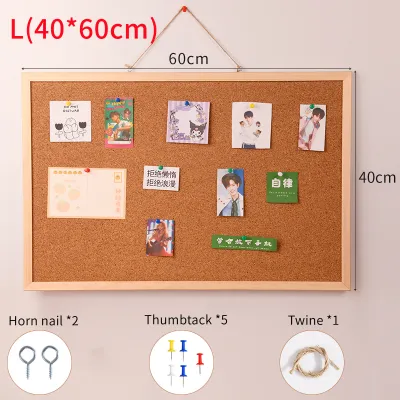
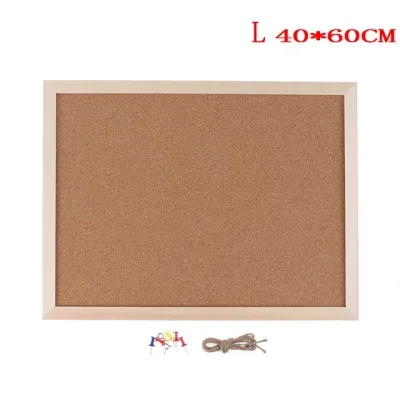
To make an informed decision, it is essential to understand how each bulletin board material physically holds your documents, notes, and photos. Cork boards rely on the natural, porous, and highly compressible structure of cork. When you push a pin or tack into the surface, the surrounding cork cells compress to grip the metal shaft. Once the pin is removed, the natural elasticity of the cork allows the cells to expand back toward their original shape, partially closing the hole.
Products mentioned in this guide
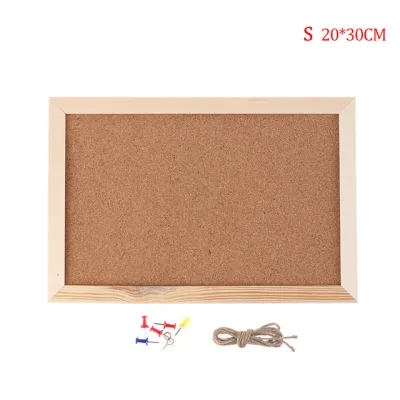
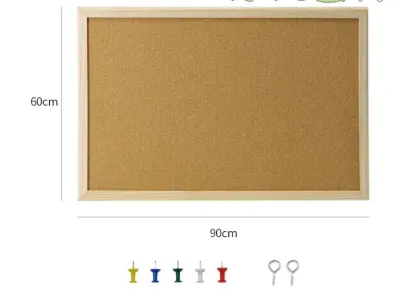
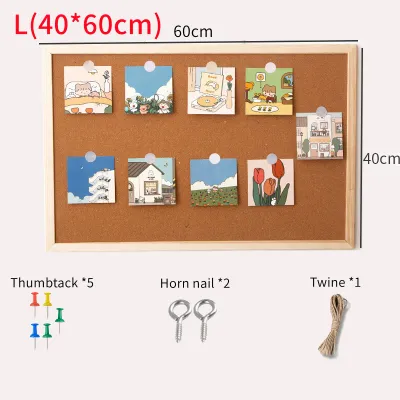
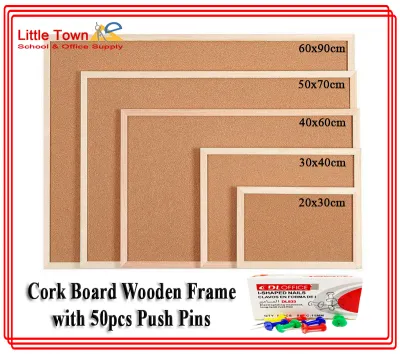
Prices are valid at publication and may change. Please refer to the product page for the latest price.
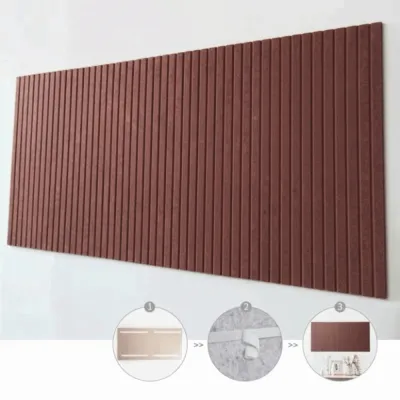
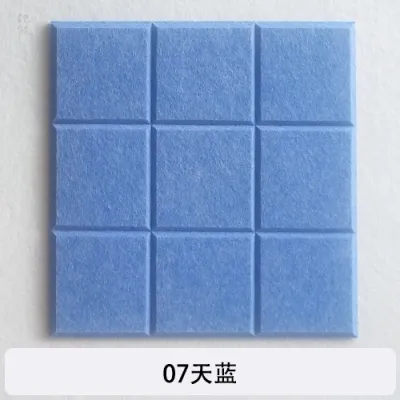
Fabric-covered boards function through a multi-layered system. The outer layer consists of a decorative textile, such as burlap, felt, or polyester weave. Beneath this fabric lies a core backing material, typically made of dense foam, fiberboard, or a thin layer of cork. When you insert a pin, it passes through the woven threads of the fabric and embeds into the backing material. The fabric threads slide apart to accommodate the pin and then shift back together when the pin is removed, concealing the entry point.
Magnetic boards operate on an entirely different physical principle that eliminates punctures altogether. These boards feature a steel, iron, or ferromagnetic sheet, often coated with a painted finish, lacquer, or glass layer. Instead of piercing the surface, you use separate magnets to pinch paper and lightweight items against the metallic face. The holding capacity of this system is determined by the magnetic pull force between the board’s surface and the individual magnets you choose.
Regardless of the type you select, actual holding capacity and surface integrity depend heavily on manufacturer specifications. A board’s overall thickness, the density of its backing core, and the grade of the metal surface dictate how much weight it can safely support. Checking these specifications before purchase ensures the board can handle your specific display items without sagging or dropping materials.
Key Comparison Dimensions
Durability and Item-Holding Capability
Evaluating how well each material withstands repeated use and environmental factors is critical for long-term satisfaction. Cork is naturally resilient, but its self-healing properties have limits. Over years of heavy-duty pinning in the same spots, the cork can dry out, crumble, or develop permanent holes, especially in dry, air-conditioned environments or when exposed to direct sunlight. In highly humid tropical climates, low-quality cork boards without proper sealing may also absorb moisture, potentially leading to warping or mold growth if not kept in a well-ventilated space.

Fabric-covered boards excel at hiding wear and tear because the woven textile layer naturally conceals pinholes. The underlying foam or fiberboard backing provides a secure grip, but its lifespan depends on the density of the core. If the backing is too soft or thin, repeated pinning in the same area can cause the core to degrade, reducing its holding strength even if the fabric surface still looks pristine. Additionally, the fabric itself can snag, stain, or fray over time if rough or oversized pins are used frequently.
Magnetic boards offer unmatched surface durability because they avoid puncture damage entirely. Because there are no pins to insert, the surface remains intact indefinitely, provided it is not scratched or dented by heavy objects. However, their item-holding capability is completely dependent on the weight limits and grip strength of the magnets used. Standard ceramic magnets are suitable for single sheets of paper, while stronger neodymium magnets are required to hold thicker cardstock, multi-page documents, or small tools without slipping.
To prevent items from falling, always verify the manufacturer’s recommended magnet types and backing density. Some magnetic boards, particularly those with thick glass surfaces, require specialized high-strength magnets because the glass layer increases the distance between the magnet and the steel backing, reducing the magnetic pull.
Aesthetics and Surface Customization
The visual integration of a bulletin board into your space affects both productivity and professional presentation. Fabric-covered boards are highly regarded for their aesthetic versatility. They are available in a wide range of colors, textures, and professional finishes, allowing you to match them to existing office furniture, corporate branding, or home decor. This makes them a suitable choice for client-facing areas, reception desks, and executive offices where a traditional cork board might look too casual.
In contrast, natural cork boards offer a classic, utilitarian appearance. While they provide a warm, organic texture, their neutral tan color may not complement modern, minimalist, or highly styled interiors. Some manufacturers offer colored cork or stained frames to enhance their visual appeal, but they generally remain associated with functional, high-traffic workspaces rather than decorative environments. Cork boards are typically framed in lightweight aluminum or natural wood, which can be painted or stained to match your room’s trim.
Magnetic boards deliver a sleek, modern, and industrial aesthetic that fits well in contemporary offices, kitchens, and collaborative workspaces. Many magnetic boards feature a dual-purpose dry-erase surface, allowing you to write notes directly on the board alongside your magnetic displays. This hybrid functionality is highly customizable, as you can use colorful dry-erase markers, magnetic strips, and custom-shaped magnets to organize information dynamically without cluttering the board with physical papers.
Maintenance and Cleaning Requirements
Keeping your bulletin board clean and free of dust is essential for maintaining both its appearance and functionality. Fabric surfaces require regular vacuuming with a soft brush attachment or the use of a lint roller to remove dust, pet hair, and airborne fibers that settle into the weave. Spills or stains on fabric must be treated immediately with a damp cloth and mild upholstery cleaner, but you must avoid oversaturating the surface, as excess moisture can seep into the backing core and cause warping or adhesive failure.
Magnetic boards, especially those with dry-erase coatings, are the easiest to clean and maintain. They can be wiped down regularly with a dry microfiber cloth or a specialized whiteboard eraser to remove dust and marker residue. For deeper cleaning, a non-abrasive whiteboard cleaner or a mild soap solution will remove stubborn ink stains and finger oils. Avoid using abrasive scrubbing pads or harsh chemical solvents, as these can scratch the protective coating, dull the finish, and permanently degrade the magnetic surface’s erasability. To verify the erasability of a specific board and marker combination, perform an observable trial by writing a small mark in an inconspicuous corner, letting it dry completely, and checking if it wipes away cleanly without ghosting.
Cork boards require gentle maintenance to prevent dust from accumulating in their porous surfaces. A soft-bristled brush or a vacuum cleaner on a low-suction setting is ideal for removing loose debris. Because cork is a natural wood product, it is highly sensitive to moisture and harsh chemicals. Never use wet mops, abrasive cleaners, or bleach on a cork board; instead, use a slightly damp cloth for spot cleaning and allow the board to air dry completely in a well-ventilated area to prevent water spots or structural damage.
Ideal Use Cases for Each Bulletin Board Type
When to Choose Cork Boards
Traditional cork boards are highly practical for high-traffic notice areas, classrooms, employee breakrooms, and utility spaces where information changes rapidly. If your daily workflow involves pinning and removing heavy paper stacks, menus, schedules, or multi-page reports, cork provides a reliable and cost-effective solution. Its budget-friendly nature makes it ideal for covering large wall areas in educational institutions or community centers where functional display space is prioritized over high-end aesthetics.
When to Choose Fabric-Covered Boards
Fabric-covered boards are best suited for corporate offices, reception areas, home workspaces, and dorm rooms where visual presentation and color coordination are important. They are highly effective in spaces where the board serves a dual purpose as a functional organizer and a decorative wall element. If you want to display lightweight items, design mood boards, or organize personal photos without exposing unsightly pinholes, a fabric board provides a polished, clean look that enhances the overall design of the room.
When to Choose Magnetic Boards
Magnetic boards are the optimal choice for modern collaborative workspaces, kitchens, retail environments, and creative studios where items must be repositioned constantly. Because they do not require pins, they are ideal for displaying delicate documents, original artwork, photographs, or blueprints that you want to keep pristine and free of puncture holes. They are also highly valuable in environments where safety is a concern, such as children’s play areas or food preparation spaces, as they eliminate the risk of dropped or misplaced push pins.
Decision Framework: Which Bulletin Board Should You Buy?
To finalize your decision, evaluate your primary constraints, daily habits, and the specific environment where the board will be installed.
- Choose Cork if: You need a highly durable, cost-effective surface for frequent, heavy-duty pinning in utilitarian spaces. It is the most practical choice for classrooms, warehouses, and home workshops where function and budget are the primary drivers.
- Choose Fabric if: You require a professional, aesthetically pleasing board for client-facing or decorative environments and primarily pin lightweight items. It allows you to maintain a clean, hole-free appearance while matching your existing interior design.
- Choose Magnetic if: You want to avoid puncturing your documents, need to reposition items constantly, or require a surface that doubles as a dry-erase board. It is ideal for modern offices, kitchens, and safety-conscious environments where push pins are impractical or hazardous.
- Verify first if: You are mounting a large or heavy board. Always check the included wall-mounting hardware and verify your wall type, such as drywall, concrete, or masonry. Ensure the mounting method, whether using screws, anchors, or adhesive strips, is rated to support the board's total weight when fully loaded with papers, magnets, or accessories. In humid tropical climates, ensuring a secure, moisture-resistant mount is especially important to prevent the board from pulling away from the wall over time.
Frequently Asked Questions (FAQ)
Can I use push pins on a magnetic bulletin board?
Standard magnetic boards feature a solid steel, iron, or tempered glass surface that is completely solid and will not accept push pins. Attempting to force a pin or tack into a magnetic board will bend the pin and can permanently scratch, chip, or dent the board’s protective coating. If you require both pinning and magnetic capabilities, check the product specifications to confirm if the board features a dual-purpose surface, such as a magnetic fabric board or a split-panel design that combines cork and steel.
How do I mount a heavy bulletin board safely?
To mount a heavy bulletin board safely, start by locating the wall studs using a stud finder, or select heavy-duty drywall anchors that are rated for the total weight of the board plus any items you plan to display. For concrete or masonry walls, which are common in many homes and offices in the Philippines, use masonry anchors and a hammer drill to secure the mounting brackets. Always follow the manufacturer’s specific installation guide, use a level to ensure the board is straight, and consult a professional installer if you are unsure about your wall’s structural integrity.
Community discussion
Share your experience or ask a question. Comments are reviewed before publication.