
Quick Answer: Which Felt Paper Should You Choose?
Choosing the right base material is the foundation of any embroidery project. When working with felt—often referred to locally as “felt paper” when sold in thin, stiffened sheets—your choice between wool, polyester, and standard craft acrylic will dictate how your needle glides, how well your stitches hold tension, and how long your finished piece survives.
For heirloom-quality surface embroidery, delicate brooches, or intricate decorative ornaments, wool felt is the premier choice. Its natural density, matte finish, and superior elasticity hold complex stitches beautifully. If you are creating everyday items that require regular washing, such as baby quiet books, customized bags, or patches, polyester felt offers the highest durability, colorfastness, and resistance to tropical humidity. For beginners practicing basic stitches, temporary school projects, or budget-conscious crafts, standard acrylic craft felt is a highly accessible starter option, though it lacks the structural integrity needed for dense or heavy embroidery designs.
Material Breakdown: Wool, Polyester, and Craft Felt Explained
Before threading your needle, understanding the physical composition of these three materials helps clarify how they behave under tension. Felt is a non-woven fabric, created by matting, condensing, and pressing fibers together rather than weaving them. This unique structure is why felt sheets do not fray at the edges, making them an incredibly popular medium for hand embroidery and appliqué. However, the origin of the fibers—whether animal, synthetic, or a blend—directly impacts the material’s weight, texture, and longevity.
Products mentioned in this guide
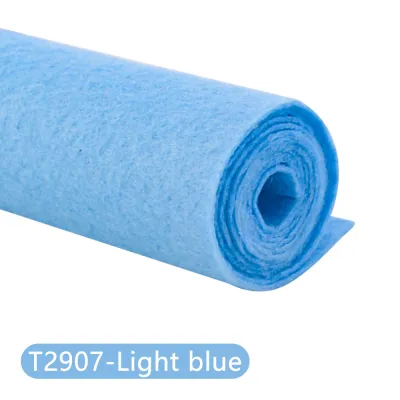
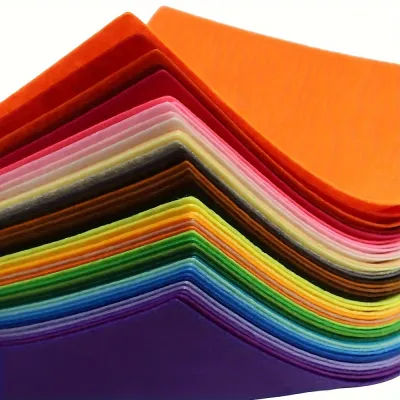
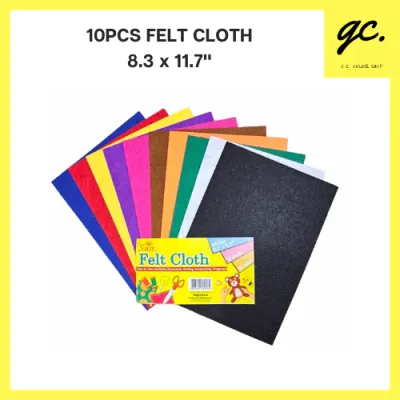
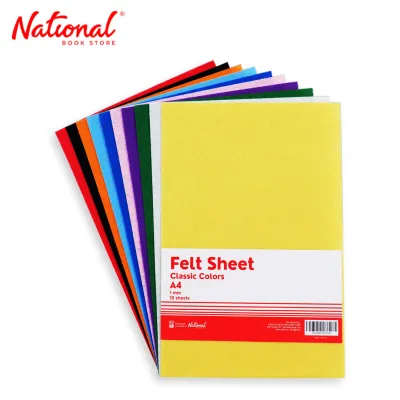
Prices are valid at publication and may change. Please refer to the product page for the latest price.

Wool Felt: The Premium Natural Fiber
Made from compressed sheep’s wool, pure wool felt or high-percentage wool blends (typically 80% wool and 20% rayon) represent the traditional standard for textile artists. The natural scaling of wool fibers allows them to lock together tightly during the wet-felting process, resulting in a dense, uniform sheet with a rich, matte surface.
This material possesses natural elasticity, allowing it to stretch slightly under tension and recover its shape without leaving permanent creases. It is generally the most expensive option on the market, with sheets ranging from ₱150 to over ₱300 depending on the size and thickness. Because it consists of organic animal proteins, wool felt requires delicate handling; exposure to high heat, agitation, or harsh detergents can trigger further felting, causing the material to shrink and distort your embroidery. Additionally, in the humid climate of the Philippines, wool must be stored carefully in airtight containers with silica gel packets to protect it from mold, mildew, and fiber-eating pests like silverfish.
Polyester Felt: The Synthetic Workhorse
Polyester felt is engineered from extruded synthetic fibers, which are needle-punched to lock them into a stable sheet. Often manufactured from recycled plastics, this material is highly valued for its immense tensile strength, uniform thickness, and clean, smooth finish.
Unlike wool, polyester does not absorb moisture, making it highly resistant to rot, mold, and mildew—a significant advantage for crafters living in high-humidity regions. It holds vibrant dyes exceptionally well, resulting in bright, saturated colors that resist fading even when exposed to sunlight or frequent washing. Polyester felt is highly practical for everyday items, as it can withstand gentle washing without shrinking. It sits in a comfortable mid-range price bracket, typically costing between ₱30 and ₱80 per sheet, making it a reliable, long-lasting compromise between premium wool and budget craft materials.
Craft Felt (Acrylic and Blends): The Budget-Friendly Starter
Commonly found in the stationery and school supply sections of local bookstores, standard craft felt is typically made from 100% acrylic or low-grade acrylic-polyester blends. In the local market, these thin, pre-cut sheets are frequently referred to as “felt paper” due to their lightweight, slightly stiff, and paper-like handling.
At approximately ₱5 to ₱15 per sheet, craft felt is highly accessible and comes in an extensive palette of basic colors. However, its low cost reflects its manufacturing density. If you hold a sheet of standard craft felt up to the light, you will often notice uneven patches and a slightly translucent, loose fiber structure. This thin profile makes it prone to stretching out of shape permanently when pulled, and the fibers can easily pull apart under heavy needlework. While excellent for simple cut-out shapes, temporary holiday decorations, or children’s school activities, it presents distinct challenges for detailed embroidery.
How Each Felt Type Performs in Embroidery and Cross-Stitch
The true test of any felt sheet occurs once you begin pulling thread through it. The density, elasticity, and fiber composition of each type alter the physical mechanics of stitching, affecting everything from your physical comfort to the final aesthetic of the design.
Texture, Density, and Stitchability
The ease with which your needle pierces the fabric—known as needle glide—varies dramatically across these three materials. Wool felt provides a smooth, satisfying “bite” that grips the embroidery floss securely. Its dense, springy structure allows you to execute complex, raised surface stitches, such as French knots, bullion knots, and padded satin stitches, without the fabric puckering or collapsing under the thread’s weight.
In contrast, synthetic polyester felt can sometimes feel slightly stiff or rubbery. When using a blunt needle, you may experience resistance, requiring more physical effort to push the needle through the dense synthetic web. This resistance can be mitigated by using sharp, high-quality embroidery needles, which slide through the polyester fibers cleanly.
Standard acrylic craft felt presents the opposite problem. Because its fibers are loosely bonded, the material lacks the structural density to support high-tension stitches. If you pull your embroidery floss too tightly, the thread can easily slice through the thin acrylic fibers, leaving unsightly holes or distorting the overall shape of your design. It is best suited for light, simple line stitches or basic appliqué work where tension remains minimal.
Durability, Pilling, and Edge Fraying
While all three types of felt share the beneficial characteristic of not fraying at the cut edges, their long-term durability under friction and handling differs significantly. Acrylic craft felt is highly susceptible to pilling. Even the friction of your hands holding the sheet during the embroidery process can cause loose acrylic fibers to migrate to the surface, creating fuzzy little balls that obscure your neat stitches.
Wool felt has moderate resistance to pilling, but its natural fibers can soften and develop a gentle halo over time with heavy handling. High-quality polyester felt excels in this category; its tough, synthetic fibers resist abrasion and pilling, keeping your embroidered designs looking crisp and clean even on items subjected to daily wear and tear.
Another key factor is “hoop burn”—the stubborn, circular crease left behind after securing fabric in an embroidery hoop. Synthetic felts (polyester and acrylic) are heat-set during manufacturing, meaning they tend to retain these creases stubbornly. Wool felt, thanks to its natural fiber memory, is much more forgiving; a gentle application of steam can easily relax the fibers and erase hoop marks completely.
Color Vibrancy and Washing Behavior
Colorfastness and washability are critical if your embroidered piece is intended for a functional item rather than wall art. Polyester felt is the undisputed champion of washability. Because the synthetic fibers are dyed using high-heat processes, they are highly resistant to bleeding and fading. You can safely wash a polyester felt project in cool or warm water, making it the perfect choice for children’s toys, coasters, or clothing patches.
Wool felt, however, requires extreme caution. If a finished wool embroidery project is exposed to warm water and agitation, the wool fibers will shrink and felt further. This shrinking pulls the embroidery threads taut, completely warping and ruining your hard work. If cleaning is necessary, wool felt must be gently spot-cleaned with cold water or professionally dry-cleaned.
Acrylic craft felt occupies a problematic middle ground. While it will not shrink like wool, washing often strips away any temporary stiffening agents used during manufacturing. This leaves the washed craft felt limp, highly fuzzy, and structurally weakened, which can cause your embroidery stitches to sag and lose their alignment.
Decision Framework: Match the Felt to Your Specific Project
To ensure your embroidery project is a success, match the material characteristics to your specific design goals, budget, and intended use.
Choose Wool Felt if:
- You are creating heirloom Christmas ornaments, framed wall art, detailed brooches, or collectible soft sculptures.
- You prioritize a premium, completely matte finish with excellent stitch definition and depth.
- The finished item will remain strictly decorative and will not require washing or heavy handling.
- You want a material that naturally resists hoop burn and handles dense, complex surface embroidery stitches without puckering.
Choose Polyester Felt if:
- You are crafting functional, high-wear items such as baby quiet books, plush toys, keychains, coasters, or patches for jackets and bags.
- The project will be exposed to moisture, handling, or requires regular washing to keep clean.
- You are working in a highly humid environment and want to avoid any risk of mold, mildew, or pest damage over time.
- You require bright, highly saturated colors that will not bleed or fade under sunlight.
Choose Craft (Acrylic) Felt if:
- You are a beginner practicing basic embroidery stitches, running stitch variations, or simple French knots before committing to expensive materials.
- You are working on temporary seasonal decorations, school banners, or quick crafts with children.
- You are working within a tight budget and need a wide variety of colors for low-tension appliqué designs.
- The project will not be washed, heavily handled, or expected to last for years.
Verify first if:
- Your project involves traditional counted cross-stitch. Unlike woven fabrics like Aida or evenweave, felt sheets lack a visible grid of holes. If you plan to cross-stitch on felt, verify that you have a sheet of water-soluble or tear-away waste canvas. You will need to baste this temporary grid onto the felt, execute your cross-stitches through both layers, and then dissolve or pull away the canvas. Ensure your underlying felt is dense—preferably a high-quality wool or thick polyester sheet—so that the repeated, closely spaced needle punctures of cross-stitch do not tear or warp the material.
Essential Tips for Buying and Preparing Felt Paper Sheets
Successful embroidery on felt depends heavily on how you prepare your materials before the first stitch is made. Implementing a few simple, low-risk preparation steps will prevent common issues like puckering, stretching, and needle damage.
Checking Thickness and Density When purchasing felt sheets online or in local stationery shops, always check the millimeter thickness. Standard craft felt is often under 1mm thick, which is generally too thin to support embroidery without significant puckering. For most embroidery projects, look for sheets that are at least 1.2mm to 2mm thick. If you can easily see the outline of your hand through the sheet when holding it up to a light source, the density is too low, and you will need to back the material with a stabilizer.
Using Stabilizers To prevent thin felt from stretching out of shape inside the hoop or puckering under dense stitching, apply a stabilizer to the back of the sheet. A lightweight, tear-away stabilizer or a water-soluble wash-away stabilizer works beautifully. For synthetic felts, a tear-away backing is highly recommended because it supports the stitches during the embroidery process and can be gently torn away afterward without exposing the project to water. If you are working with wool felt, a wash-away stabilizer can also be used, but ensure you only use cool water to dissolve it to prevent any unwanted fiber shrinkage.
Needle Selection The right needle makes a significant difference in how easily you can stitch through dense felt. For wool felt, use sharp crewel or embroidery needles with a medium-sized eye. This allows your embroidery floss to pass through easily without leaving large, permanent holes in the natural fibers. For dense polyester felt, select a very sharp, sturdy needle. Avoid using dull tapestry needles, as they will struggle to pierce the synthetic web, leading to hand fatigue and uneven stitch tension.
Hooping Techniques Securing felt in an embroidery hoop can sometimes leave permanent circular indentations, known as hoop burn, especially on synthetic polyester and acrylic sheets. To prevent this, consider wrapping the inner ring of your wooden embroidery hoop with cotton bias tape or twill tape. This softens the grip and distributes the pressure more evenly. Alternatively, you can hoop a piece of stabilizer first, cut a small window in the center, and then baste or pin your felt sheet flat over the window, allowing you to embroider without ever clamping the felt itself between the hoop rings.
Frequently Asked Questions (FAQ)
Can I use standard craft felt paper for intricate cross-stitch?
Standard craft felt paper is not naturally suited for intricate cross-stitch because it lacks the woven, evenly spaced grid of holes found in traditional embroidery fabrics like Aida. Trying to count stitches on a solid, non-woven felt sheet is incredibly difficult and often leads to misaligned designs. To successfully cross-stitch on felt, you must baste a sheet of temporary waste canvas or water-soluble grid canvas onto the surface of the felt. You then stitch through both layers, using the temporary canvas as your guide. Once the design is complete, you either dissolve the water-soluble grid in cool water or pull out the individual threads of the waste canvas. For this technique, avoid thin acrylic craft felt, as the dense, repetitive punctures required for cross-stitch can easily tear the delicate fibers; opt instead for a sturdy, thick wool or polyester felt.
How do I remove hoop marks from synthetic felt after embroidering?
Synthetic felts, such as polyester and acrylic, are highly sensitive to heat and pressure, which means they often retain deep, stubborn creases from embroidery hoops. To safely remove these hoop marks without damaging your finished embroidery, use a gentle steaming method. Hold a garment steamer or a steam iron approximately two to three inches above the surface of the felt, allowing the steam to penetrate the fibers without letting the hot metal plate touch the material directly. The heat and moisture will gently relax the synthetic fibers. Once the area is damp and warm, use your fingers to smooth out the creases on a flat surface. Never press a hot iron directly onto synthetic felt, as the intense direct heat can instantly melt the acrylic or polyester fibers, leaving a shiny, flattened, and permanently ruined patch on your project.
Community discussion
Share your experience or ask a question. Comments are reviewed before publication.